Stop Losing Hours on Rate Matching
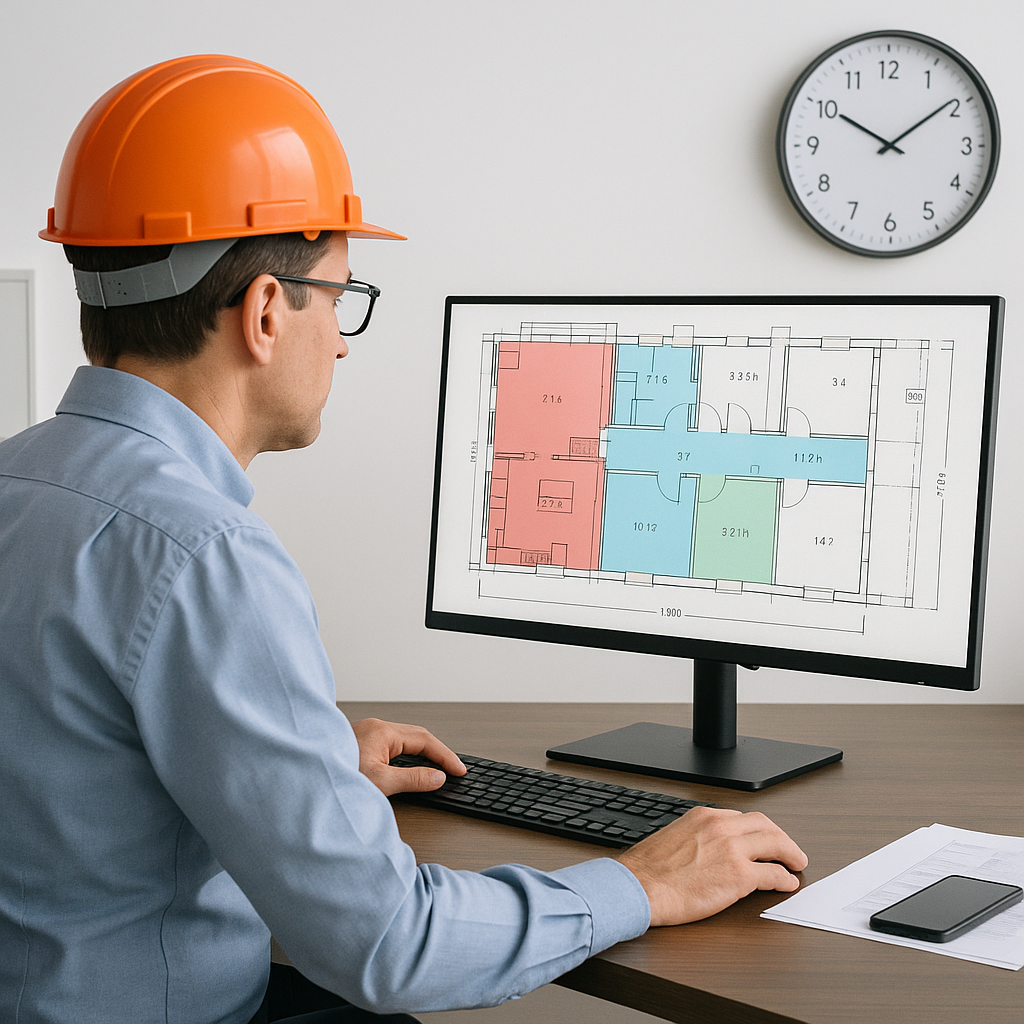
Let’s talk about the most frustrating part of estimation: rate matching. If you’ve ever flipped through a 2,000-page CPWD DSR or RSMeans PDF, you know the pain. Finding the right labor or material rate can eat up hours. And if you’re working on a tight deadline, that’s time you just don’t have.
Here’s the kicker: It’s not just about the time. Manual rate matching is prone to human error. Miss one key rate, and you’re either overpricing yourself out of a job or underpricing into a financial disaster. Neither is a good look.
So, what’s the fix? AI-powered rate matching.
How AI Rate Matching Works
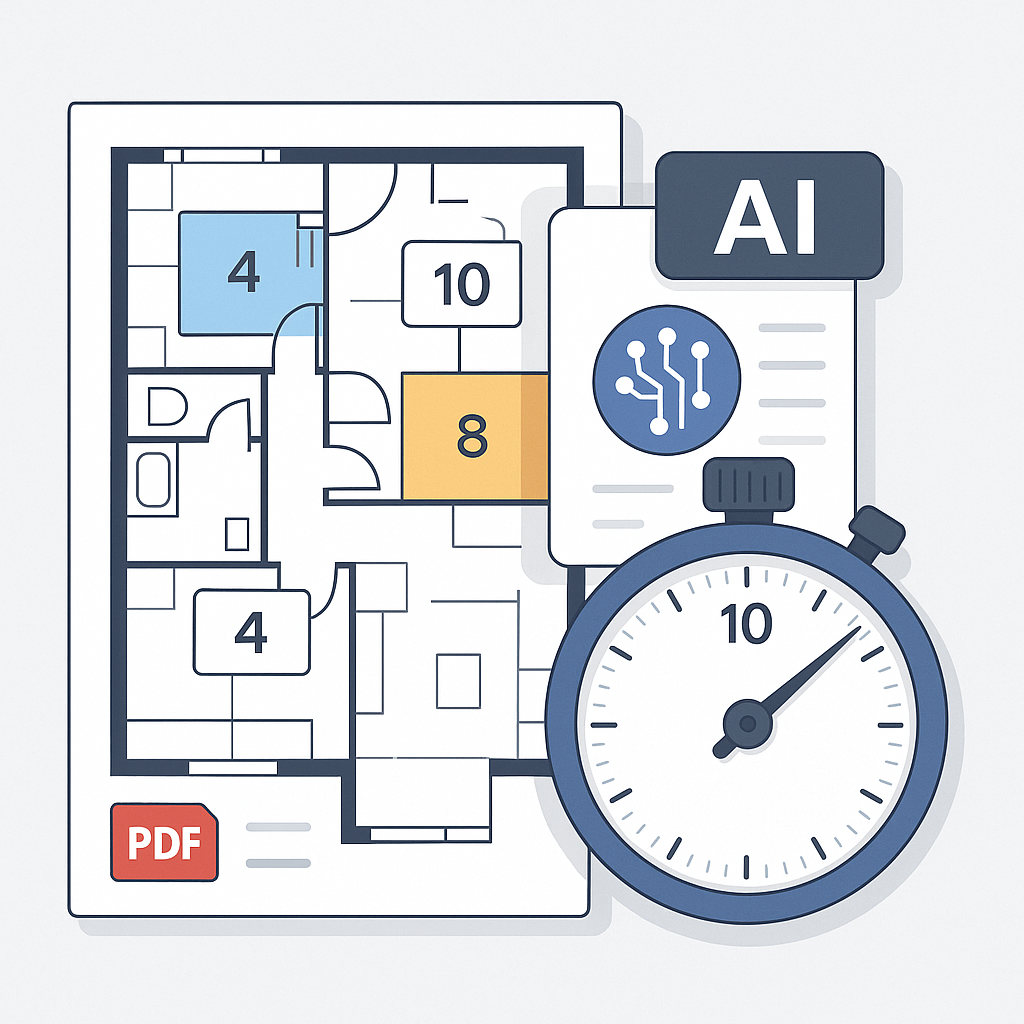
AI tools like EstimateNext use advanced semantic search to match rates against massive libraries of standard and custom catalogs. For example, EstimateNext pulls from over 78,000 SOR items across 135+ catalogs, including CPWD, state SORs, and RSMeans. You type in what you need—say, “labor rate for plastering 12mm thick walls”—and the system gives you a match in seconds.
No flipping through PDFs. No endless scrolling. Just the rate you need, when you need it.
Speed and Accuracy
What sets AI apart is its ability to deliver results instantly while maintaining high accuracy. Tools like EstimateNext also provide confidence scores for matches, letting you gauge how reliable the AI’s recommendation is. For example, a confidence score of 92% might indicate that the rate is highly reliable for your query, but it’s always paired with human oversight to catch edge cases.
How Semantic Search Works
Semantic search isn’t just about finding exact matches. It understands context. Say you’re searching for “labor rate for 8-inch masonry.” AI doesn’t just look for those exact keywords—it analyzes catalogs to account for region-specific terminology, similar rates (e.g., 6-inch masonry labor rates), or even related items.
This eliminates the need to guess the exact phrasing used by rate books, saving major time and reducing frustration.
Real-World Example: A Mid-Sized Contractor
A mid-sized contractor bidding on a high-rise project recently used EstimateNext to handle rate matching. Normally, their team would spend 12-15 hours digging through rate books for a project like this. With AI, it took 15 minutes.
That’s a 48X speed improvement. But here’s the real win: They avoided a $50,000 error. How? The AI flagged a mismatch between the labor rate they initially selected and the project’s region-specific labor cost index. A manual process would’ve missed this.
Other Examples
-
Residential Construction Firm: A residential contractor working on custom home builds uploaded their supplier-specific material rates into EstimateNext. The tool helped them cut their estimation process from two days to two hours while flagging discrepancies in region-based material costs.
-
Infrastructure Projects: In a state highway project, an infrastructure firm used AI to match bulk material rates across three different catalogs. The AI identified discrepancies in asphalt prices between state SORs and market rates, helping them adjust bids and avoid underpricing.
You Might Be Thinking: “What About Custom Rates?”
Great question. Custom rates are a reality for many contractors, especially those working on specialized projects. AI tools handle this by allowing you to upload your own rate catalogs. Once added, the system integrates these rates seamlessly into future matches.
How Custom Rates Work
Let’s say you work with a supplier that offers region-specific pricing for HVAC equipment. You upload their catalog to the AI tool. The next time you search for “HVAC duct installation,” the AI pulls from both standard catalogs and your custom rates, ensuring the estimate reflects your actual costs.
Case Study: MEP Subcontractor
One MEP subcontractor uploaded their supplier-specific HVAC equipment rates. The AI matched these rates in seconds for subsequent bids, saving hours of manual input every time. Over six months, this saved them over 150 hours in labor and helped them avoid pricing errors that could’ve cost them jobs.
The Competitive Edge
Let’s face it: The construction industry is getting more competitive. Margins are shrinking, and clients are expecting faster turnarounds. If you’re still relying on manual rate matching, you’re at a disadvantage. AI tools don’t just save time—they improve accuracy, reduce errors, and ultimately help you bid smarter.
Actionable Steps to Stay Competitive
- Adopt AI Early: Early adopters of AI-powered tools like EstimateNext are already gaining a competitive advantage. Don’t let others outpace you.
- Train Your Team: Invest in training your estimating team on AI tools. The faster they’re onboarded, the more you’ll benefit.
- Integrate Custom Catalogs: Start uploading custom catalogs to the AI system to ensure your bids are tailored to your suppliers’ rates.
- Leverage Confidence Scores: Use the AI’s confidence scoring to validate rate matches and backstop errors.
Comparison Table: Manual vs. AI Rate Matching
| Aspect | Manual Rate Matching | AI Rate Matching |
|---|---|---|
| Time Required | 10-20 hours per project | 10-30 minutes per project |
| Error Rate | High (human errors, oversight) | Low (confidence scoring + AI) |
| Custom Rate Handling | Manual input, prone to errors | Seamless integration |
| Scalability | Limited (dependent on team size) | Unlimited (AI processes large catalogs quickly) |
FAQ
Q: How accurate are AI rate matches?
AI matches are highly accurate, often 99% reliable when paired with feedback loops and confidence scoring. However, human oversight is still critical for edge cases and complex custom rates.
Q: Can AI handle multi-region catalogs?
Yes. Tools like EstimateNext are designed to handle multi-market complexity, including region-specific rates, currencies, and tax regimes. For example, it can differentiate between CPWD rates and state-specific SOR rates seamlessly.
Q: What if my rates are custom?
You can upload custom catalogs, and the AI will integrate them into future matches. This ensures your estimates reflect your actual costs without manual intervention.
Q: Is switching to AI expensive?
Most AI tools offer scalable pricing based on usage. For example, EstimateNext provides free trials and tiered plans, making it affordable even for small contractors.
Q: Do I need technical expertise to use AI tools?
Not at all. AI rate-matching tools are designed to be user-friendly, with intuitive search bars and straightforward interfaces. Basic training is usually sufficient.
Call to Action
If you’re still losing hours to manual rate matching, it’s time to try something better. EstimateNext can match 78,000+ rates in seconds, saving you time and reducing costly errors. Get started free →