$342K Saved: The Real Cost of Bad Progress Tracking on a Major Airport Build
Tracking progress on a construction project is like steering a ship through a storm—it’s not optional, it’s critical. If you miss the mark, even by a little, the costs pile up fast. That’s exactly what happened on a major airport build before the general contractor took control.
The Problem: Missed Progress = Overrun Costs
Here's the problem: the GC was working on a tight schedule, and the usual manual progress tracking tools weren’t cutting it. Every delay meant potential penalties, overtime costs, and lost productivity. On a project of this scale, even a 1% slip in efficiency can mean hundreds of thousands in overruns.
Their traditional tools were basic—spreadsheets, weekly site meetings, and gut checks. But spreadsheets don’t tell you in real time where you're losing ground. By the time you spot the issue, it’s already too late.
The Fix: Automated Progress Tracking
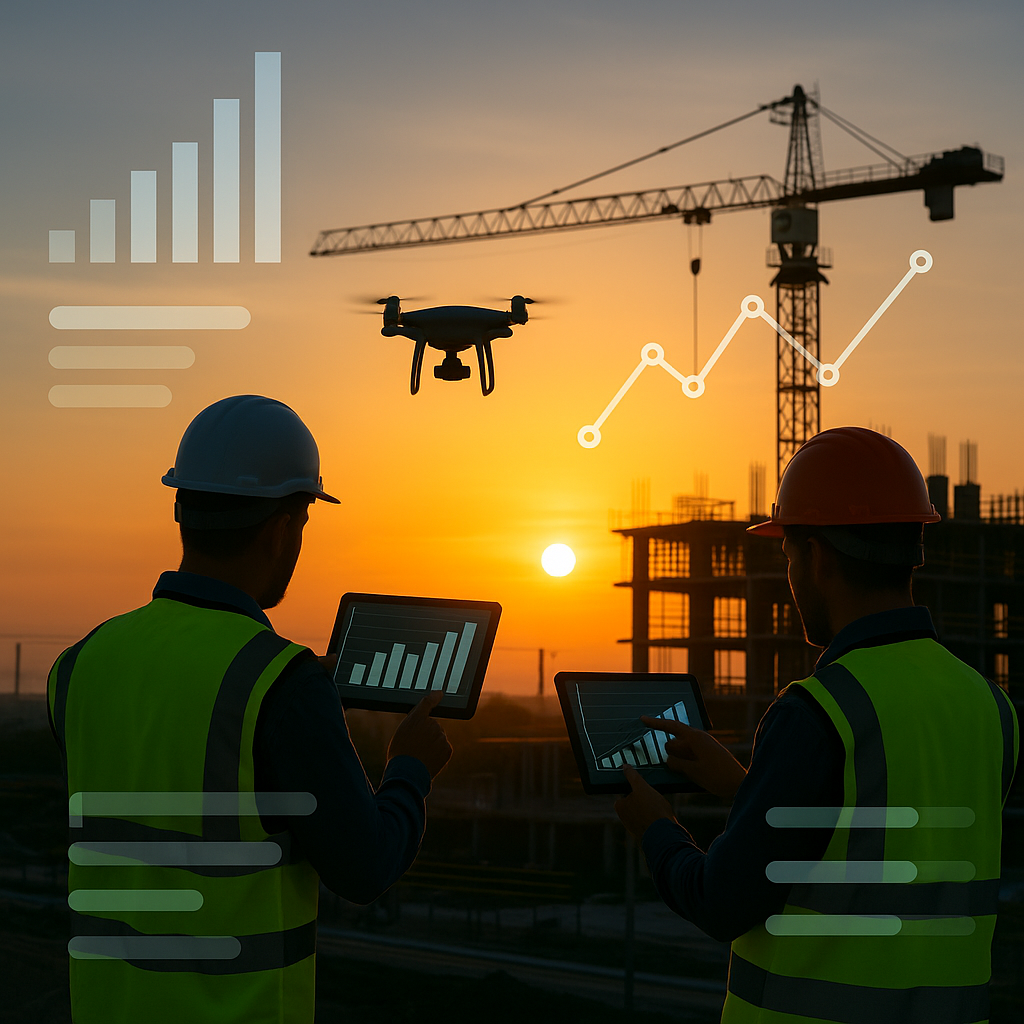
The contractor didn’t reinvent the wheel—they upgraded it. They adopted project-tracking tech that automated progress updates directly from the field. No more guessing. No more waiting a week to realize the drywall crew was behind.
How did it work? By integrating AI-powered tools that captured real-time data from the site. Workers logged progress through mobile apps, and the system flagged discrepancies instantly. Think of it as a digital site manager that never sleeps.
The Numbers: $342K Saved
Here’s the result: the team saved $342K just by catching delays early and reallocating resources on time. That’s not hypothetical—it’s hard math. They reduced overtime hours, avoided rework on rushed sections, and hit every milestone without penalties.
What’s more, the system didn’t just save money. It gave their team breathing room to focus on quality instead of firefighting. That’s a win on every level.
How EstimateNext Fits In
You might be wondering: what does this have to do with EstimateNext? A lot, actually. One of EstimateNext’s standout features is its ability to integrate drawing intelligence with live progress tracking.
Imagine this: You upload your project drawings into EstimateNext, and its Vision AI extracts the exact quantities needed—room areas, wall lengths, fixture counts. As work progresses on-site, you can compare actual progress against the BOQ in real time. No manual updates, no guesswork.
Let’s say your drywall crew is running behind schedule by 10%. EstimateNext connects that delay to the affected line items in your estimate. You see the cost impact immediately—whether it’s labor, material, or equipment costs—and adjust your plan before it spirals.
Why This Matters
Most GCs rely on manual tracking tools that feel like duct tape solutions. Sure, you can make them work, but they’re slow, error-prone, and reactive. By the time you realize something’s off, you’re already paying for it.
This kind of project showed that proactive tracking isn’t just a nice-to-have—it’s a money-saver. Tools like EstimateNext take that principle and apply it to preconstruction too. Catching problems early isn’t just about the build—it’s about pricing accuracy, resource allocation, and bid competitiveness.
Call to Action
If you're tired of guessing where your project stands, EstimateNext can help. Its drawing intelligence and real-time tracking give you the tools to catch issues before they cost you. Get started free →


