California High-Speed Rail's $2.4B Spur: A GC's Opportunity—and Challenge
The California High-Speed Rail Authority just issued an RFQ for a $2.4 billion spur connecting Merced and Madera. It's part of the state's ambitious plan to build a 500-mile high-speed network. But for General Contractors (GCs), this isn't just another bid—it's a race.
Projects of this scale are a rare opportunity. But they come with relentless pressure. The bid deadlines are tight, the scope is massive, and the details are unforgiving. Missing one rate or miscalculating quantities can cost you the project—or worse, your margin. So, how do GCs stay competitive without drowning in preconstruction work?
Here's the short answer: speed and precision. And that's where smarter estimation tools, like AI-powered platforms, come into play.
What's in the RFQ?
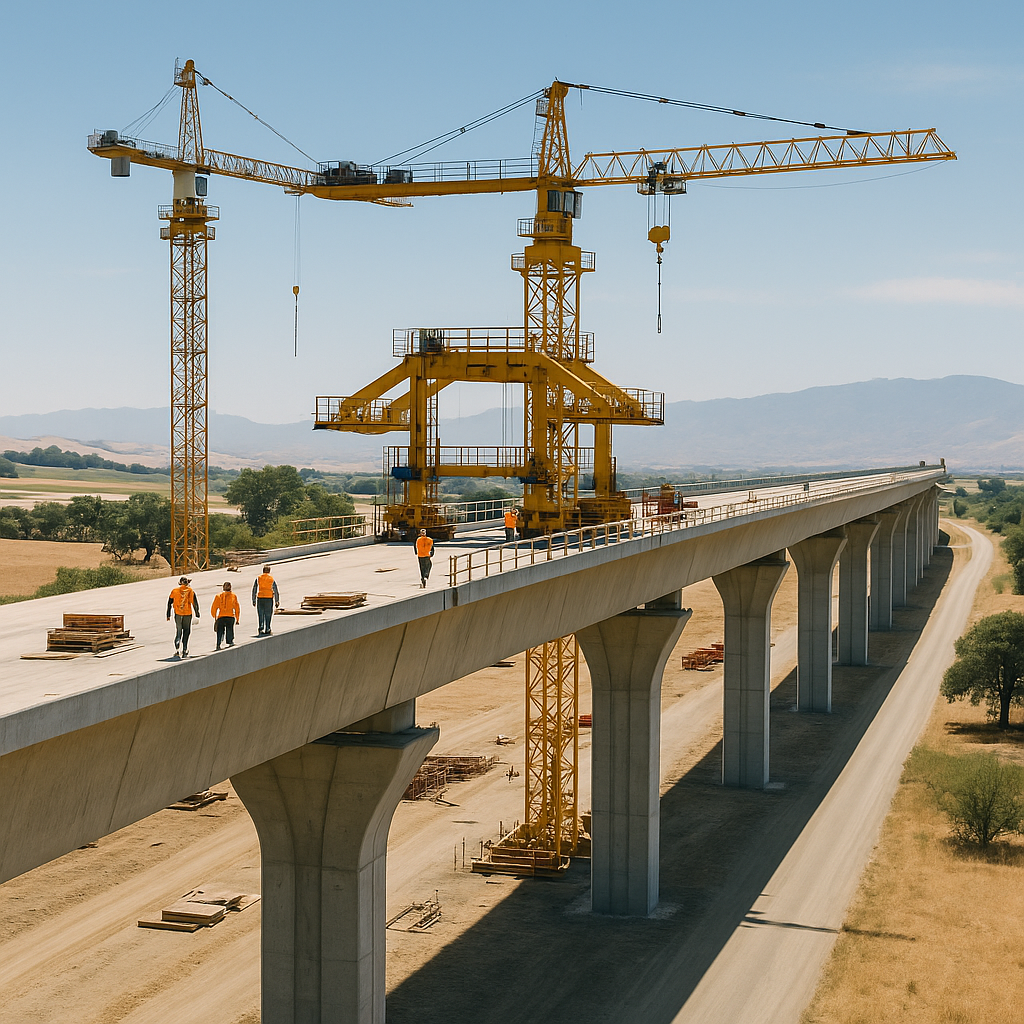
The Merced-to-Madera spur involves everything you'd expect from a high-speed rail project:
- Civil works: grading, earthworks, and viaducts
- Station infrastructure: platforms, utilities, and connections
- Systems: overhead catenary, signaling, and track installation
According to the RFQ, bidders must submit detailed BOQs, rate analyses, and compliance documents. Add to that the requirement to coordinate with multiple subcontractors for specialized trades like electrical, HVAC, and fire protection.
Most GCs know the drill. But this RFQ is different. The timeline is aggressive. The Authority wants contractors who can submit credible bids fast and adapt to changes in scope without delays. That means traditional workflows—Excel sheets, manual takeoffs, and endless rate lookups—aren't going to cut it.
Why Speed Matters More Than Ever
Let's be real: preconstruction isn’t glamorous. For a single rail project, teams spend weeks flipping through rate books, tracing drawings by hand, and rebuilding spreadsheets every time a spec changes. It's tedious. And it’s risky.
Takeoffs alone can eat up significant time. Now, multiply that across multiple GMP pursuits a year, and you're looking at hundreds of hours spent on repetitive tasks. Time that could've been spent crafting a sharper bid—or pursuing another project.
The Merced-to-Madera RFQ makes this inefficiency glaring. The Authority wants answers fast. Can your team turn around rate-validated BOQs in days, not weeks? Can you level subcontractor bids without missing scope exclusions? If not, you're already behind.
A Real Solution: AI Takeoff and Rate Matching
This is where tools like EstimateNext can help address the challenges GCs face with projects like California's high-speed rail spur:
1. Takeoff Automation
Manual drawing takeoffs for a rail project can take significant time. With AI-powered tools, you upload the PDFs, and quantities—track lengths, platform areas, utilities—are extracted much faster.
This isn't just about speed. The AI flags areas for human review, so you're not blindly trusting the tool. It’s a blend of automation and control, which is critical for projects with tight margins.
2. Streamlined Rate Lookup
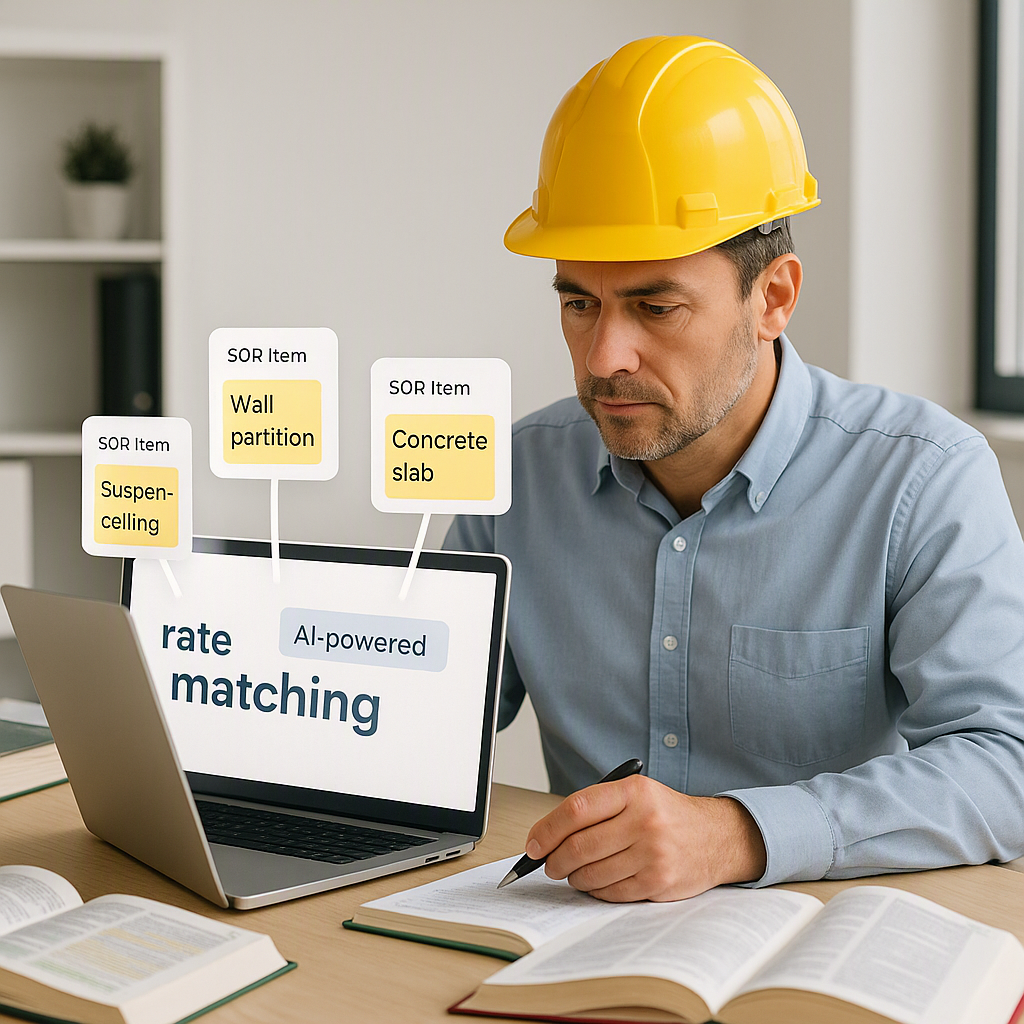
Flipping through rate books or catalogs is a time sink. AI-powered rate-matching engines can search through extensive databases to suggest rates with breakdowns—material, labor, equipment, overhead, and profit.
For a rail project, where costs vary between civil, electrical, and systems trades, this kind of granularity isn't optional. It’s essential.
3. Efficient Sub Bid Leveling
Rail projects mean juggling multiple subcontractor quotes. Normalizing several mechanical sub bids by hand can take hours. AI tools can streamline this process by ranking bids based on scope, exclusions, and unit rates.
This isn't just faster—it’s smarter. By identifying gaps in sub quotes upfront, you avoid mid-project surprises (and costly change orders).
Common Pitfalls in Rail Project Bidding
Even with tools, there are traps GCs fall into. Here are a few to watch out for:
-
Ignoring Inflation: Rail projects often span years. If your bid doesn’t factor in inflation-adjusted rates, you’ll eat the cost later.
-
Misjudging Risk: Overhead catenary system installs, for example, come with high risk. Don’t underprice specialized trades. Use rate analysis to break down costs and apply realistic margins.
-
Scope Creep: The Authority might issue addenda mid-bid. If your workflow isn’t agile, you’ll miss the deadline. Real-time BOQ updates are non-negotiable here.
The Bottom Line
California's $2.4B rail spur RFQ is a massive opportunity. But only for GCs who can balance speed, precision, and adaptability. Traditional workflows won’t cut it when you're up against tight deadlines and complex scopes.
AI-powered tools like EstimateNext give you a real edge—faster takeoffs, smarter rate matching, and seamless sub bid leveling. If you’re serious about winning bids like these, it’s time to rethink how your team works.