The Takeoff Problem No One Talks About
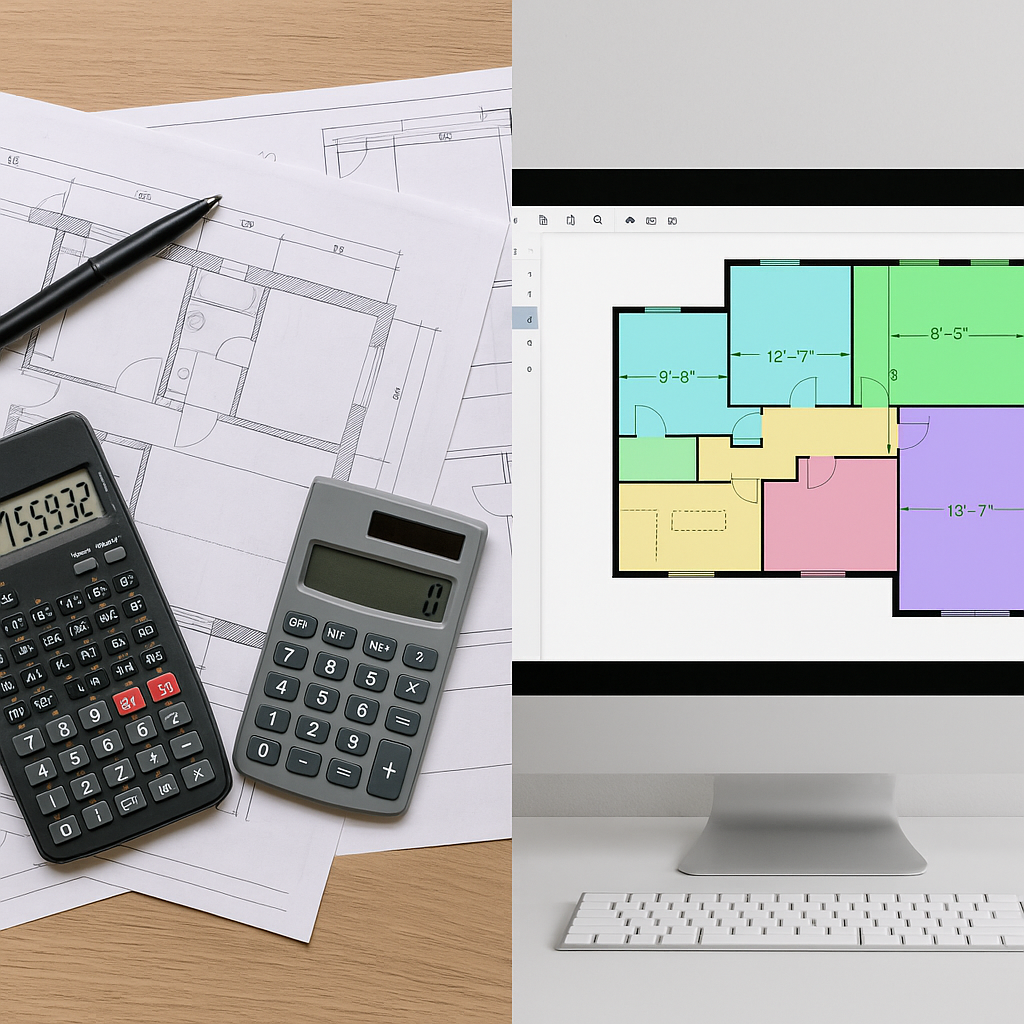
If you’re in preconstruction, you already know the pain of manual takeoffs. Two estimators spend two days combing through PDFs, counting quantities, and entering data into spreadsheets. For a typical $200M project, that’s 40 hours just to get the basics. And that’s assuming no mistakes.
But here’s the kicker: this isn’t just a time problem. It’s a profit problem. Every extra hour spent on takeoffs is an hour your team isn’t refining scope, negotiating with subs, or finding ways to value-engineer the project. In a competitive bid environment, that’s how you lose.
Enter AI-Powered Takeoffs
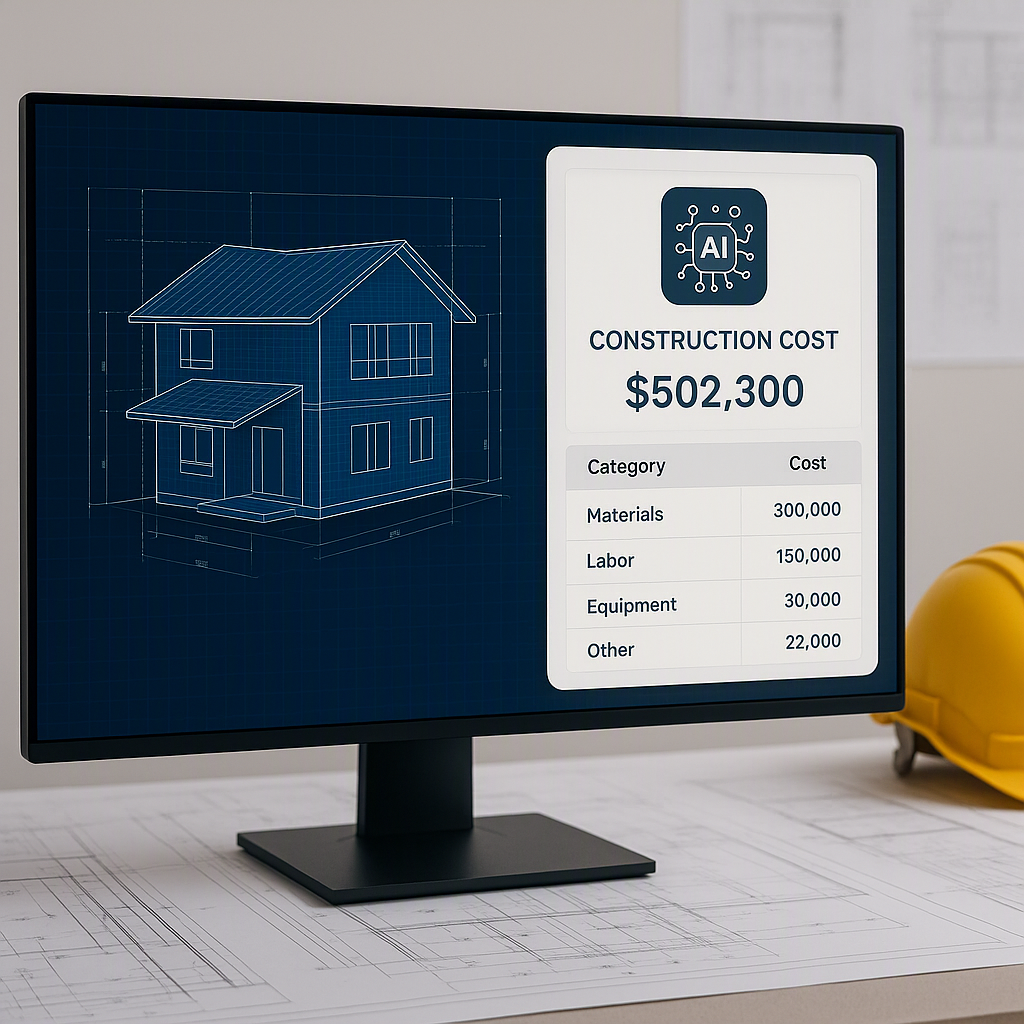
AI tools like EstimateNext promise to change the game. Instead of 40 hours, takeoffs are done in 10 minutes. How? By using Vision AI to read your PDF drawings, extract quantities, and generate a QTO (Quantity Take-Off) automatically. It sounds almost too good to be true, but here’s the thing: it works. And it works well.
Take, for example, a mid-sized general contractor bidding on a high-rise project in Chicago. Using Vision AI, they saved 120 hours—two full weeks of labor—on their takeoffs. That’s not just time saved; it’s $15,600 in labor costs avoided (assuming $130/hour). And they still hit their deadline.
Another case study involves a subcontractor specializing in electrical work. They used AI takeoff tools to bid on a multi-story office renovation. Normally, their team would need three days to manually count outlets, fixtures, and wiring runs. With AI, the process took less than an hour, and they were able to submit their bid two days earlier than competitors. That gave them a critical edge in a tight bidding window.
Why Faster Takeoffs Matter
You might be thinking, “Okay, saving time is great, but does it really make a difference in the big picture?” The answer is yes. Here’s why:
1. More Bids, More Wins
If your team can prepare bids faster, you can chase more opportunities. For subcontractors, that could mean responding to 50% more RFPs in a year. For general contractors, it might mean competing for that extra marquee project that could transform your portfolio.
For example, a drywall contractor who adopted AI-powered takeoffs noted a 35% increase in bid volume within six months, directly leading to three additional project wins. Each of those wins contributed significantly to their annual revenue.
2. Fewer Errors
Manual takeoffs are prone to mistakes—miscounts, missed items, or wrong measurements. AI tools don’t get tired, distracted, or rushed. While human oversight is still critical, the baseline accuracy is much higher.
In one study conducted by Construction Dive, firms using AI-powered takeoff tools reported an 80% reduction in discrepancies compared to traditional methods. For projects with thin margins, fewer errors mean less risk of costly change orders later.
3. Focus on Strategy
Instead of burning hours on grunt work, your estimators can focus on higher-value tasks. Think bid strategy, risk analysis, or optimizing margins. One estimating manager from Texas noted that after implementing AI tools, their team spent 30% more time on negotiations and refining proposals, leading to a noticeable uptick in contract awards.
How It Works
The tech behind AI-powered takeoffs isn’t magic, but it’s close. Here’s a simplified step-by-step:
1. Upload Your Drawings
Drag-and-drop your PDFs into the platform. No need to pre-process files or worry about formatting inconsistencies.
2. AI Reads the Drawings
The system uses computer vision to identify elements like walls, doors, windows, and structural components. It automatically calculates quantities based on the drawing scale.
3. Review and Adjust
The AI generates a QTO in minutes, complete with confidence scores for each line item. Low-confidence items are flagged for manual review, ensuring accuracy.
4. Export and Integrate
Export the QTO directly into Excel, Procore, or your estimating software. No reformatting required, saving even more time.
The Obvious Objection: “But AI Can’t Think Like an Estimator”
You might be skeptical. After all, AI doesn’t know construction like you do. It can’t make judgment calls or account for project-specific nuances. And that’s true. But it’s also missing the point.
AI isn’t here to replace your expertise. It’s here to amplify it. You’re still the one making decisions, negotiating with subs, and adjusting for site conditions. The AI just takes care of the repetitive, time-consuming stuff.
In my view, the real value of AI tools like EstimateNext isn’t just speed—it’s the ability to free up your team to do the work that actually wins bids.
Real-World Results
Let’s look at another example. A $1B rail project required quantity takeoffs for thousands of concrete beams, rail ties, and structural steel components. With manual methods, this would’ve taken a team of estimators 56 hours. Using AI? 10 minutes. That’s a 99% time reduction.
The contractor didn’t just save time—they reduced takeoff discrepancies by 80% compared to their historical average. That kind of accuracy can mean the difference between winning the bid or losing it on a technicality.
Decision Framework: Should You Adopt AI Takeoffs?
| Question | If Yes | If No |
|---|---|---|
| Do you bid on large projects? | AI can drastically reduce takeoff time. | Manual processes may still suffice for small projects. |
| Is your team overburdened? | AI frees up time for strategy and refinement. | You may need to hire more staff. |
| Do errors cost you contracts? | AI improves accuracy and reduces risk. | You’ll need strict manual QA processes. |
| Are competitors using AI tools? | Stay competitive by adopting similar tech. | You risk falling behind in efficiency. |
The Bottom Line
If you’re still spending 40 hours on manual takeoffs, it’s time to rethink your process. AI-powered tools like EstimateNext aren’t just faster—they’re smarter, more accurate, and designed to help your team do more with less.