Seattle's $34.5 Billion Problem
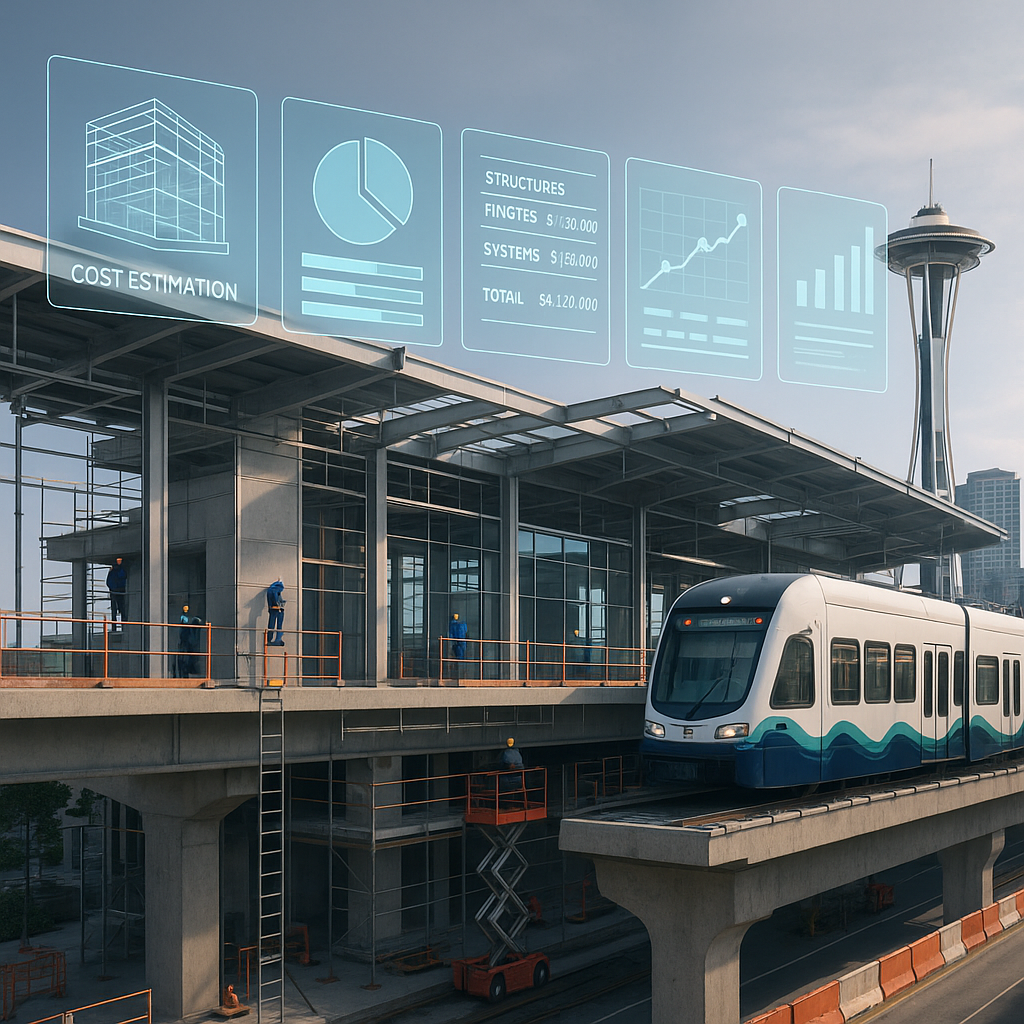
Sound Transit is facing a funding gap that could derail its ambitious ST3 expansion plan—$34.5 billion short, to be exact. If you’re in construction or infrastructure, you know what that means: delays, cost overruns, and lots of finger-pointing. But here’s the twist—closing a gap like this isn’t about throwing darts at a wall. Increasingly, it comes down to AI cost engineering.
How do you build 62 miles of new light rail, add 37 stations, and upgrade regional transit under this pressure? By squeezing every inefficiency out of the preconstruction process. That’s where AI tools like EstimateNext come in.
The Preconstruction Bottleneck No One Talks About
Let’s be blunt: preconstruction is a slog. Especially for public infrastructure projects. Teams spend weeks combing through bid packages, normalizing subcontractor quotes, and flipping through outdated rate books. It doesn’t just waste time—it costs millions.
Sound Transit’s ST3 plan is no exception. With multiple contractors, regulatory hurdles, and community oversight, the margin for error is razor-thin. And “error” here means paying millions more than you should. This is why AI tools are gaining traction—they attack the inefficiencies head-on.
One major bottleneck? Subcontractor bid leveling. For a project this scale, you’re dealing with hundreds of sub bids for everything from tunneling to electrical systems. Normalizing those bids by hand takes days. AI can do it in under an hour.
More Examples of Preconstruction Inefficiencies
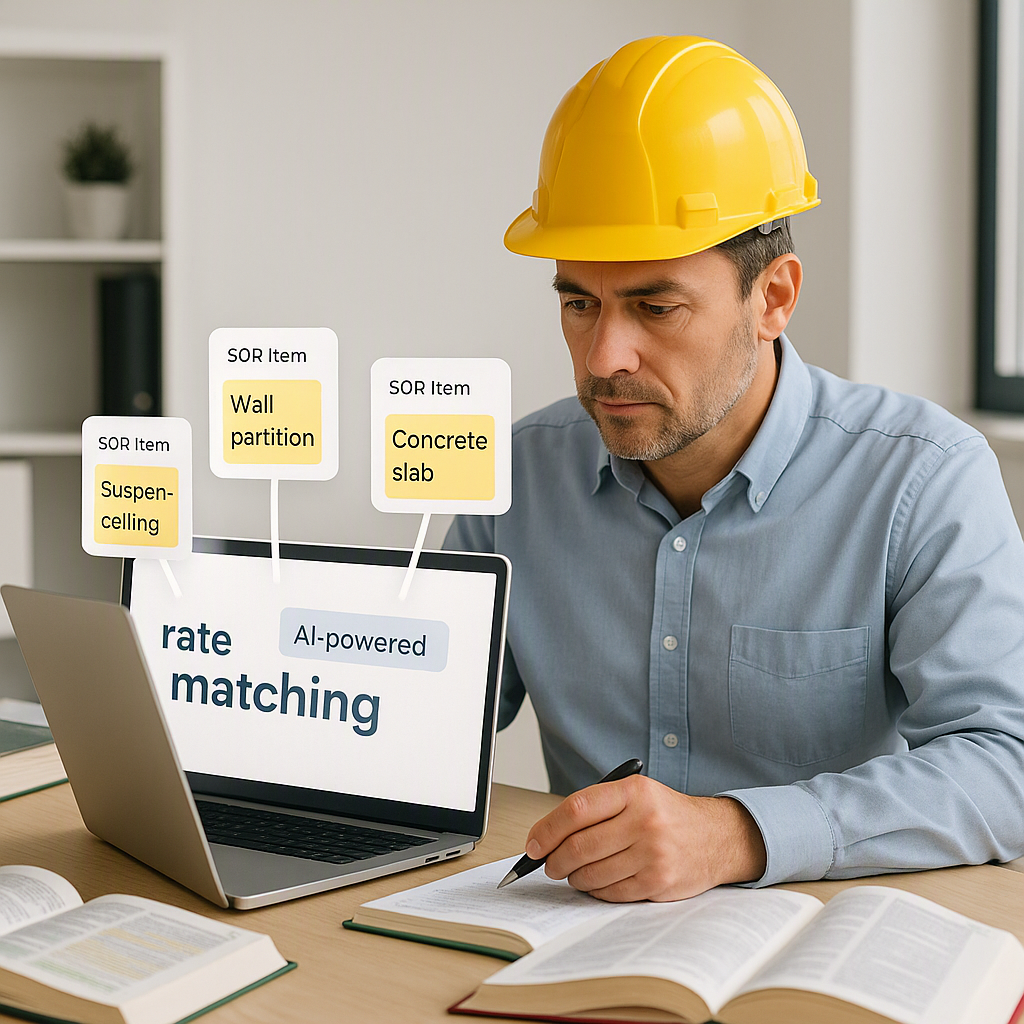
- Outdated Data: Many estimators still rely on physical rate books like RSMeans, which can’t keep pace with rapidly changing material and labor costs.
- Redundant Approvals: Public agencies often require multiple layers of sign-off for even small decisions. Without efficient workflows, this can drag projects into weeks of delays.
- Communication Breakdowns: With so many stakeholders—contractors, subcontractors, engineers, and agencies—miscommunication is inevitable, leading to costly rework.
These issues compound into significant delays and cost overruns. But AI-powered tools aim to tackle these pain points directly.
How AI Solves Sub Bid Leveling
Let’s break it down. Sub bid leveling is about comparing apples to apples. But subs rarely send in clean, comparable quotes. One bid includes labor but skips equipment. Another uses outdated material rates. A third inflates overheads. The estimator’s job? Untangle that mess and figure out who’s actually the lowest responsible bidder.
Here’s how AI tools like EstimateNext make it faster:
- Scope Normalization: The AI scans each bid and flags missing or inconsistent scope items. For instance, if one plumbing sub didn’t include vent piping, the system highlights it.
- Automated Ranking: Once scope gaps are filled, the software ranks bids by cost-efficiency—L1, L2, L3—while factoring in performance history.
- Audit Trail: If a contractor or auditor questions your selection, the system provides a step-by-step breakdown of how each bid was evaluated. No guesswork.
Expanded Example: Bid Normalization in Action
Consider a project requiring electrical installation. Sub A quotes $2.3M but excludes permits, while Sub B quotes $2.5M with permits included. Without AI, an estimator would need hours to manually adjust the bids for a true comparison. AI tools instantly normalize these bids, saving not just time but ensuring accuracy.
For Sound Transit, this means they can evaluate subs faster and with fewer mistakes. And when you’re managing a $54 billion mega-project, every saved hour—and dollar—counts.
Real Savings: Virginia’s Floodwater Project Case Study
Think this sounds too good to be true? Let’s look at a real-world example. A major civil contractor used an AI-powered estimation tool on a roughly $500M floodwater project. By automating preconstruction workflows, they shaved weeks off their timeline. Specifically, sub bid leveling, which typically ate up 6 hours per bid, was cut to 30 minutes. That’s a 12X improvement.
Scaling the Impact
Now scale that across something as massive as ST3. Even if AI saves just 1% of the project budget, that’s $540M—enough to cover several miles of additional track or fund other community priorities. The numbers speak for themselves.
Why Public Projects Need AI More Than Ever
Public infrastructure projects like ST3 face unique challenges:
Transparency
Taxpayer-funded projects need airtight records. AI tools create automated audit trails for every decision. This level of transparency ensures trust and accountability—critical when public funds are at stake.
Regulatory Compliance
Estimates must meet federal, state, and local codes. For example, certain materials might be prohibited in specific regions. AI systems like EstimateNext integrate compliance checks directly into the workflow, reducing the risk of costly violations.
Budget Constraints
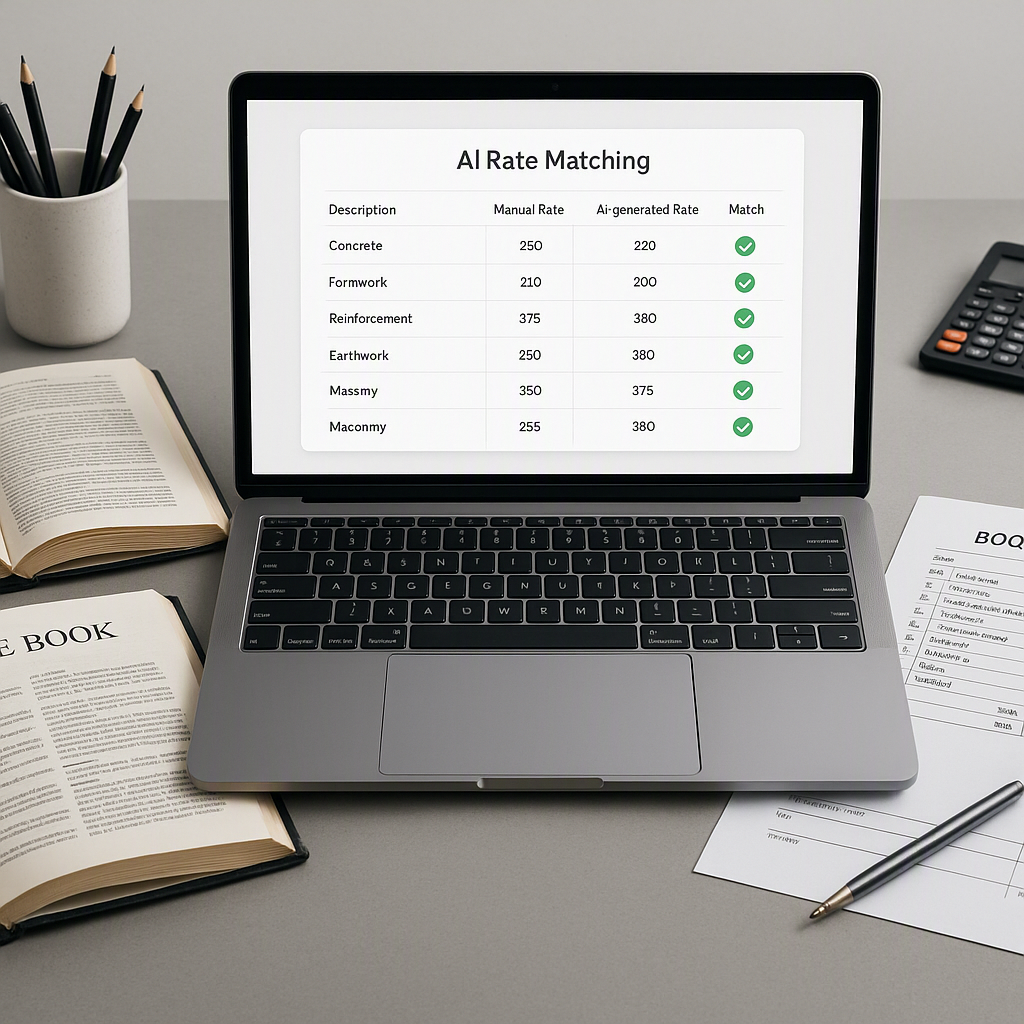
With inflation driving up material and labor costs, there’s no room for estimating errors. AI offers rate-matching across 78,000+ items in seconds. For instance, instead of relying on static cost assumptions, the AI pulls real-time pricing data, ensuring estimates are current.
Labor Shortages
With skilled estimators in short supply, AI tools act as a force multiplier. They handle repetitive tasks, allowing teams to focus on high-value activities like negotiation and risk management.
What About “What-If” Scenarios?
This is where AI tools shine. Let’s say Sound Transit needs to shave $500M off the budget without cutting core features. Instead of rebuilding spreadsheets from scratch, AI lets you tweak one rate—say, labor costs for tunneling—and instantly propagates changes across the entire project. You see the impact in real time.
Spreadsheet vs. AI: A Quick Comparison
| Feature | Traditional Spreadsheets | AI Tools like EstimateNext |
|---|---|---|
| Real-time updates | No | Yes |
| Integrated compliance | No | Yes |
| Audit trail | Manual | Automated |
| Speed of recalculations | Slow (hours/days) | Instant |
When decisions need to be made quickly, the choice is clear.
Skepticism Is Natural—But AI Proves Itself
You might be thinking: Can AI really handle something as complex as ST3? Fair question. AI tools aren’t perfect, and they won’t replace human expertise. But they’re a massive force multiplier.
Think of them as a second brain for your preconstruction team. They handle the grunt work—rate lookups, bid normalizations, compliance checks—so your estimators can focus on strategy. And when you’re staring down a $34.5B funding gap, strategy is everything.
If you’re dealing with similar headaches, tools like EstimateNext can help. From BOQ uploads to bid packages, it’s built to make preconstruction faster, smarter, and more reliable. Get started free →