Mastering Bid Leveling: Practical Steps for General Contractors
Bid leveling can feel like navigating a labyrinth. If you've ever had to compare bids from multiple subcontractors, you know it's tedious and time-consuming. But there's a better way.
The Challenge of Bid Leveling
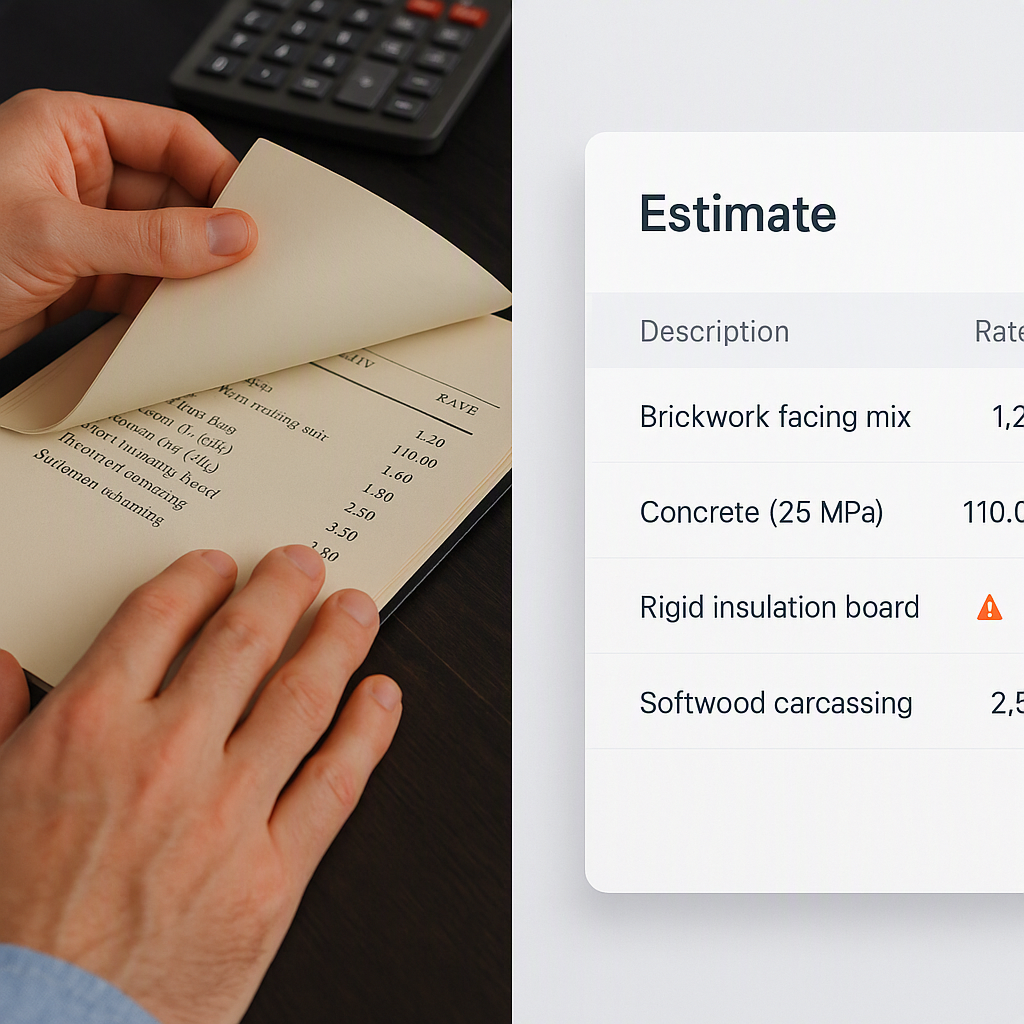
Bid leveling is essential for general contractors (GCs) to ensure fair and accurate bid comparisons. The aim is to normalize and compare subcontractor bids on equal terms, reducing risk and ensuring smarter project cost decisions. Traditionally, this process involves manually sifting through quotes, aligning scopes, and checking for exclusions. This manual method can be prone to human error and is not ideal for large-scale projects.
The AI Advantage
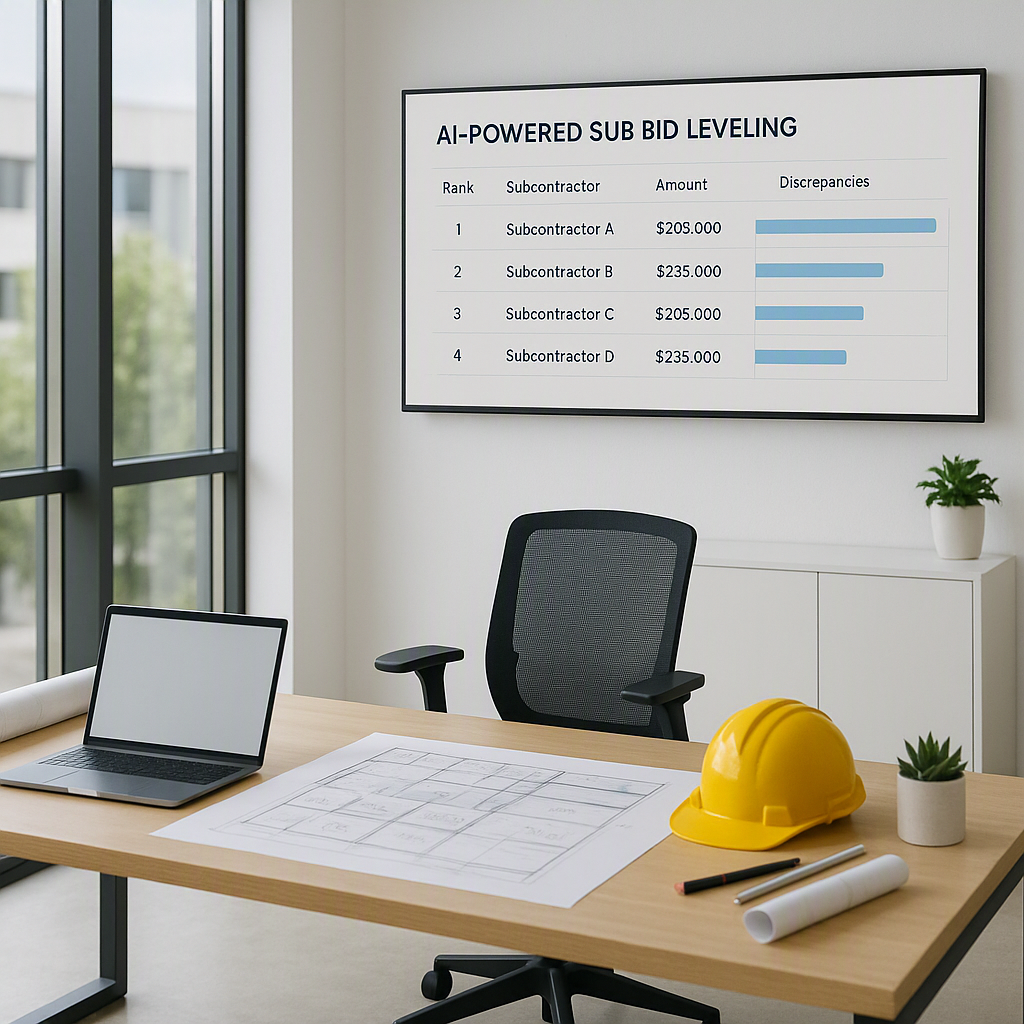
Enter AI. AI tools have revolutionized bid leveling by automating scope normalization, ranking bids, and flagging inconsistencies. This isn't just about speed; it's about precision and freeing up your team to focus on strategic decisions. AI can efficiently handle large volumes of data, identify patterns, and provide insights that are often overlooked in manual processes. For example, AI can automatically detect discrepancies in bid terms or highlight bids that significantly deviate from the average, allowing for a more streamlined evaluation process.
Best Practices for Effective Bid Leveling
Here are some practical steps to implement an effective bid leveling process:
-
Define Clear Scope of Work: Ensure that all bidders understand the project requirements. Clear communication reduces the likelihood of scope creep and misaligned bids. It's crucial to have detailed documentation and specifications that outline every aspect of the project, which can be shared with all potential bidders.
-
Use AI Tools: Automate the bid leveling process to save time and improve accuracy. AI tools can help normalize bids, detect scope gaps, and rank bids effectively. These tools can also provide predictive analytics, helping you foresee potential cost overruns or project delays.
-
Maintain Open Communication: Encourage bidders to ask questions and seek clarifications. This reduces misunderstandings and ensures all bids are based on the same information. Consider using a centralized platform where all communication is logged and accessible to all stakeholders.
-
Compare Apples to Apples: Ensure that all bids are compared on equal terms. Check for hidden costs or exclusions that may skew comparisons. Use a checklist to verify that all bids meet the required criteria and include all necessary components.
-
Review and Adjust in Real-Time: Use real-time collaboration tools to make bid adjustments as needed. This ensures that any changes in project scope or requirements are immediately reflected in the bid evaluation. Real-time data sharing can prevent delays and ensure all stakeholders have the latest information.
| Factor | Manual Bid Leveling | AI-Assisted Bid Leveling |
|---|---|---|
| Speed | Slow | Fast |
| Accuracy | Prone to Errors | High Precision |
| Scalability | Limited | Easily Scalable |
| Insight Generation | Minimal | Advanced Analytics |
Integrating Bid Leveling with Preconstruction Workflows
Integrating bid leveling with preconstruction workflows is crucial for maximizing efficiency. This means aligning the bid evaluation process with other preconstruction activities like project scheduling and procurement planning. Doing so ensures that all aspects of the project are considered when evaluating bids. The integration of AI in these workflows helps streamline processes and enables teams to make informed decisions quickly.
Real-Time Collaboration in Bid Leveling
Real-time collaboration is a game-changer for bid leveling. It allows for simultaneous input and feedback from all stakeholders, ensuring that everyone is on the same page. Tools that facilitate effective communication can lead to faster decision-making and reduce the risk of errors. Platforms like Slack or Microsoft Teams, integrated with project management software, can enhance communication and coordination.
Challenges and Solutions
Despite its advantages, bid leveling comes with its own set of challenges. Inconsistent bid formats, scope exclusions, and communication gaps can all hinder the process. However, AI tools can help address these issues by standardizing bid formats, highlighting discrepancies, and facilitating better communication. Training your team on these tools and ensuring they are effectively integrated into your workflow is essential.
The Future of Bid Leveling
Looking ahead, the future of bid leveling will likely see an even greater reliance on AI and real-time collaboration tools. As technology evolves, these tools will become more sophisticated, offering even greater accuracy and efficiency in bid evaluations. Continuous advancements in machine learning and data analytics will likely enhance the predictive capabilities of AI tools, allowing for more proactive decision-making.
Conclusion
Bid leveling doesn't have to be a headache. By adopting AI tools and best practices, GCs can streamline the process, reduce risks, and make more informed decisions. If you're ready to enhance your bid leveling process, exploring AI solutions can help you get started. Remember, the key to successful bid leveling is not just technology, but how you integrate it with your existing processes and team collaboration.