Stop Wasting Time on Manual Rate Lookup
If you're still flipping through 2,000-page rate books for every estimate, you're not alone. It's one of the most frustrating parts of preconstruction. A simple labor rate or concrete cost can eat up hours of your time—and that's before you've even applied inflation or regional adjustments. Sound familiar?
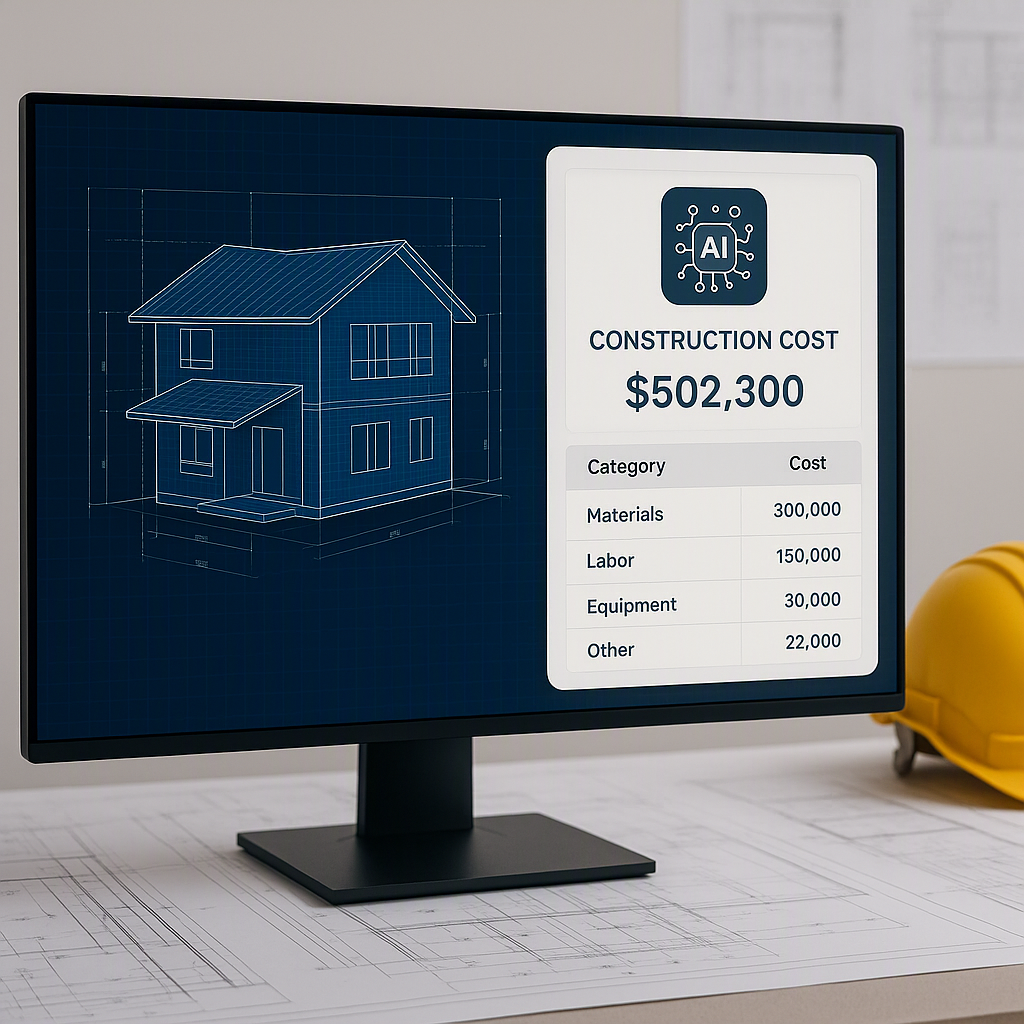
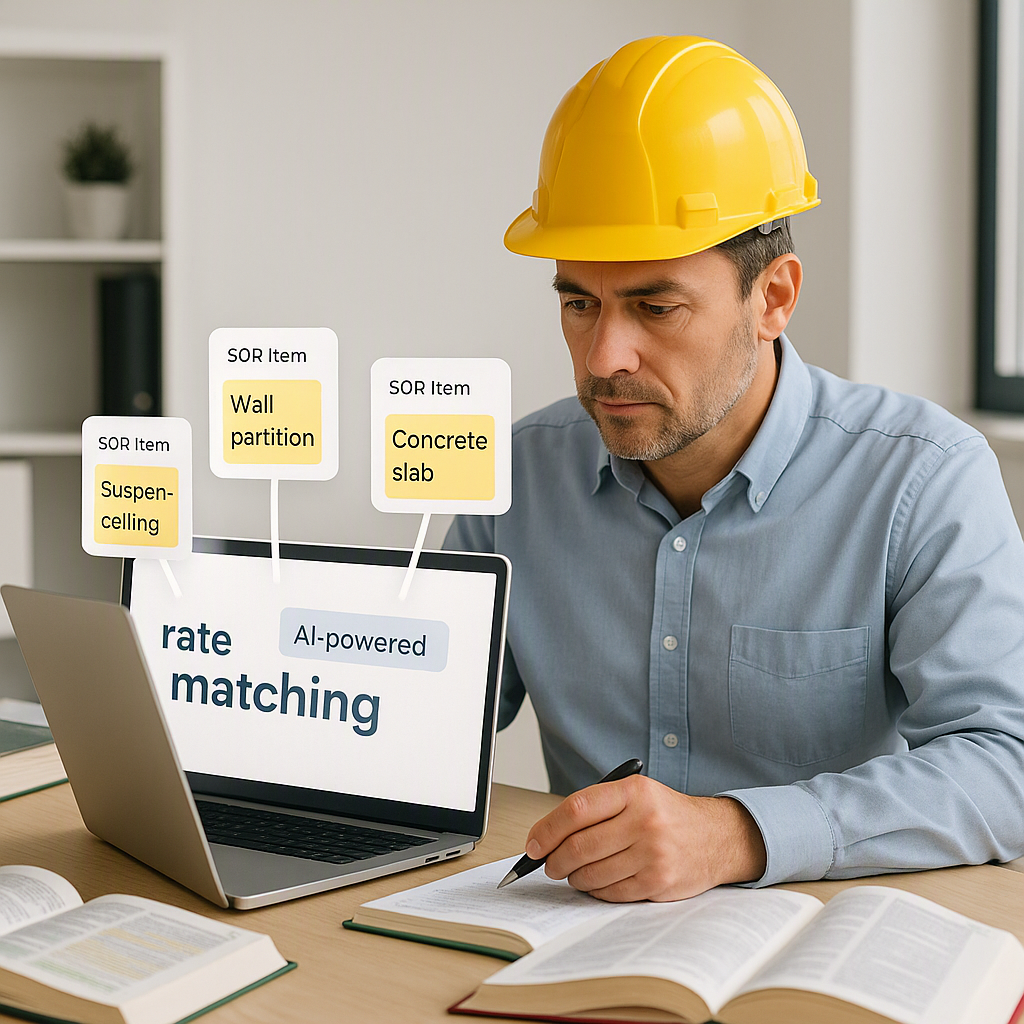
This bottleneck is exactly why AI-powered rate matching exists. Tools like EstimateNext use semantic search to pull accurate rates from 78,000+ items across 135 catalogs. No guesswork. No flipping pages. Just results.
The Real Cost of Manual Rate Lookup
Let’s talk hard numbers. The average estimator spends 12 hours per estimate just finding rates, whether it’s for labor, materials, or overhead. Multiply that across a team of four estimators working on five Guaranteed Maximum Price (GMP) pursuits a year, and you're looking at 240 wasted hours annually. At an average hourly rate of $130, that’s $31,200 down the drain just looking up numbers.
Now, compare that to AI. Tools like EstimateNext can match rates in seconds. For example, if you need the labor cost for installing pre-stressed concrete girders, simply type it into the platform. The software instantly pulls the exact rate from DOT-approved catalogs. That’s 1,440X faster than manual lookup.
Hidden Costs of Manual Lookup
The financial hit doesn’t stop there. Manual rate lookups can lead to:
- Human Error: Misreading a rate or forgetting to apply regional adjustments can cost you thousands in underbidding or lost profits.
- Missed Deadlines: When you’re spending hours poring over rate books, you risk missing tight bid deadlines. This can mean losing out on lucrative projects.
- Burnout: Repetitive, manual tasks are demoralizing for your team. Skilled estimators end up doing data entry instead of strategic planning, which leads to frustration and turnover.
How Does AI Rate Matching Work?
It’s simpler than you think. Here’s how AI-powered tools like EstimateNext streamline the process:
1. Upload Your Bill of Quantities (BOQ)
Start by uploading your project’s BOQ into the platform. This could be an Excel file, a PDF, or even a direct integration with your existing construction management software.
2. Semantic Search
Unlike keyword searches, semantic search understands the context behind your query. For example, if you type “bricklaying labor,” the AI knows to pull rates specifically from masonry sections, ignoring unrelated items like paving or decorative stonework.
3. Custom Catalogs
Have unique materials or project-specific rates? You can upload your own rate catalogs into the system. Once added, these rates are seamlessly integrated into future searches, ensuring consistency across all your bids.
4. Feedback Loop
The more you use the system, the smarter it gets. Every time you accept or override a suggested rate, the AI learns from your preferences and improves future matches.
Real-World Example: A Large GC’s Rail Bridge
To see the impact of AI rate matching, look no further than a major contractor’s $1 billion rail bridge project. This complex project required rates for everything—rail ties, concrete girders, structural steel—all sourced from DOT-approved catalogs.
Manual Process:
- Estimated Time: 56 hours of rate lookup.
- Risks: Potential for errors, delayed bid submission.
AI Process:
- Time Spent: 10 minutes.
- Accuracy: Rates pulled directly from verified, approved sources.
The result? A 99% time savings, freeing up the team to focus on value engineering and competitive pricing.
Addressing Common Objections
Objection 1: “But AI Can’t Think Like an Estimator”
You might be thinking, “Sure, AI is fast, but it doesn’t understand the nuances of construction.” That’s partially true—but it’s missing the point. AI doesn’t replace your expertise; it amplifies it. You’re still the one making judgment calls, negotiating with subs, and deciding on markup. The AI just handles the grunt work, so you can focus on higher-value tasks.
Objection 2: “What If My Rates Are Custom?”
Great question. Many projects require custom rates—especially if you're working in regional markets with unique labor conditions or material costs. With EstimateNext, you can upload your own rate catalogs or define custom rates for specific items. These rates are stored for future use, ensuring consistency across bids.
Objection 3: “What About Accuracy?”
Accuracy depends on the quality of your input data. AI tools like EstimateNext include features like confidence scoring and manual override. If a rate looks off, you can flag it, review the source, and adjust. It’s not perfect, but it’s far more reliable than human error during a rushed bid submission.
The ROI of AI Rate Matching
Still wondering if it’s worth it? Let’s break it down:
| Role | Manual Time Saved | Annual Savings |
|---|---|---|
| GC Director | 12 hours/estimate | $1,560 per estimate; $7,800 for 5 GMP bids |
| MEP Subcontractor | 50% faster bids | $800K–$1.6M in incremental revenue |
| India Contractor | 200 hours/year | 100X ROI vs. manual DSR lookup costs |
Actionable Steps to Get Started
-
Audit Your Current Process: Track how much time and money your team spends on manual rate lookup. Use this data to build a business case for adopting AI tools.
-
Choose the Right Tool: Look for platforms like EstimateNext that offer semantic search, custom catalog support, and seamless integrations.
-
Start Small: Test the tool on a single project to measure time savings and accuracy improvements.
-
Train Your Team: Ensure your estimators understand how to use the software effectively. Most tools offer training resources or customer support to help with onboarding.
-
Iterate and Scale: Use feedback from your team to refine your workflows and fully integrate AI into your preconstruction process.
Call to Action
If you're wasting hours on manual rate lookup, it’s time to try AI-powered tools like EstimateNext. Start saving time and money today. Get started free →