The Pain of Manual Rate Lookups
Let’s not sugarcoat it: flipping through rate books is a nightmare. If you’ve ever priced a bid using RSMeans or CPWD DSR, you already know how it goes. Page after page of PDFs, endless scrolling, and the constant fear that you missed something. On average, a manual rate lookup eats up 12 hours per Bill of Quantities (BOQ). That’s not just wasted time—it’s wasted money.
An All-Too-Familiar Scenario
Imagine this: You’re an estimator working on a mid-sized commercial building project. Your task is to compile costs for materials, labor, and equipment. You open a PDF file of a 2,000-page rate catalog, type in a vague keyword, and are met with dozens of irrelevant results. You eventually find what you’re looking for, but not before spending 10 minutes per item. Multiply that by 100 items, and you’ve just lost multiple workdays. Sound familiar? This is the reality for thousands of construction professionals.
Why Does This Still Happen?
Because the alternatives aren’t great. Here’s a breakdown:
-
Excel Macros:
- While these can automate standard calculations, they fall apart when dealing with custom scopes or unique items not pre-programmed into the system. Also, maintaining macros requires a tech-savvy team, which many smaller firms lack.
-
CostX or ProEst:
- These are robust platforms with advanced features, but they come at a steep price. CostX’s annual license starts at $15,000, making it inaccessible for smaller contractors who operate on thin margins.
-
Manual Methods:
- Despite their inefficiency, manual lookups remain the default for many firms. Why? Because they don’t require upfront investment or technical training—just time and patience.
This hesitance to adopt better tools results in firms losing thousands of dollars annually, not to mention the added risk of human error.
How AI Fixes This
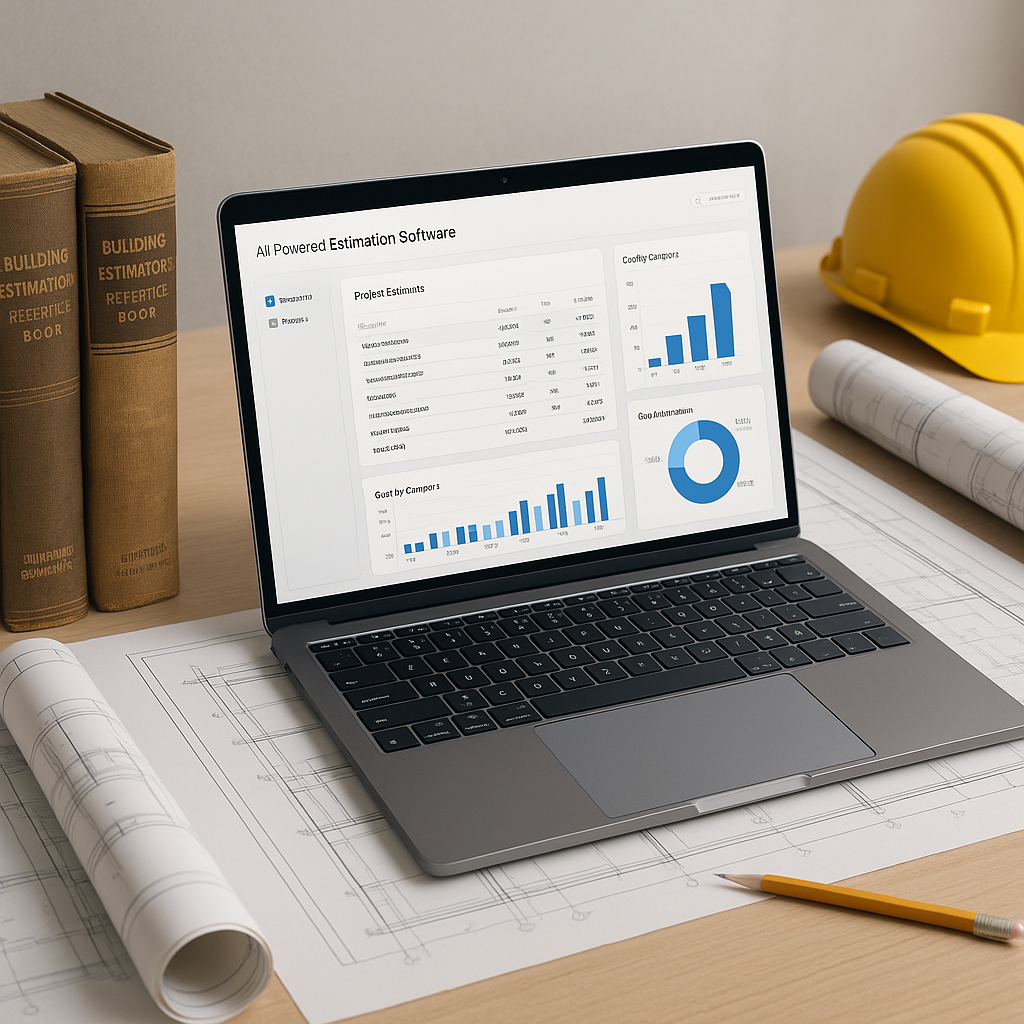
AI-powered rate matching is the solution we’ve been waiting for. Tools like EstimateNext can search across 78,000+ Standard Operating Rates (SOR) items in seconds. Need the labor cost for installing pre-stressed concrete girders? Type it in, and AI finds the right rate instantly. No flipping pages. No manual errors.
How It Works
- Data Ingestion: The AI tool imports rate catalogs (like RSMeans or CPWD DSR) and indexes them for faster searches.
- Natural Language Processing (NLP): You type in a query (e.g., "labor cost for pre-stressed concrete girders"), and the AI understands what you’re looking for.
- Smart Matching: The system retrieves the most relevant rates, highlights discrepancies, and even suggests alternatives if the exact match isn’t available.
- Learning Over Time: The more you use the tool, the smarter it gets. It adapts to your preferences and frequently used rates.
Real-World Example: A Major Contractor’s Rail Bridge Bid
Take a large rail bridge project from a major national general contractor. Rates for everything from rail ties to structural steel needed to be pulled from Department of Transportation (DOT)-approved catalogs. Normally, this would mean hours of manual lookup. But with AI, the team matched all required rates in under 10 minutes. That’s the kind of speed that wins bids—and saves money.
The Obvious Objection
“But AI can’t think like an estimator.”
I hear this all the time. And it’s true—AI doesn’t have your expertise. It won’t negotiate with subs or decide on markup. But that’s not the point. AI handles the grunt work, freeing you up for the high-value tasks only you can do. You’re still in control; the tool just amplifies your efficiency.
Here’s a useful analogy: Think of AI as a power tool. It doesn’t replace the carpenter—it just makes the job faster and more precise.
The ROI Math
Let’s break it down:
| Factor | Manual Rate Lookup | AI-Powered Rate Matching |
|---|---|---|
| Time per BOQ | ~12 hours | ~10 minutes |
| Estimator Hourly Rate | $130 | $130 |
| Cost per BOQ | $1,560 | ~$22 |
| Annual Savings (4 BOQs) | N/A | ~$6,240 |
This doesn’t even factor in the reduced risk of human error or the increase in bid accuracy. For firms handling more than 4 BOQs annually, the savings multiply significantly.
Who Benefits Most?
MEP Subs
Responding to 30-60 bid packages a year means spending days on rate lookups. AI cuts that down to hours, letting you turn around quotes faster and win more work.
India Contractors
If you’re flipping through a 2,000-page CPWD DSR PDF, AI is a game-changer. A searchable database of 78K SOR items saves you hundreds of hours and reduces the likelihood of errors.
GCC Contractors
For UAE and KSA firms, CostX’s $15K annual price tag is overkill. AI-powered tools like EstimateNext deliver similar functionality for AED 130/month—without the bloat.
What If My Rates Are Custom?
No problem. AI tools let you upload your own rate catalogs or define project-specific rates. Once added, the system integrates them seamlessly for future use. The more you use it, the smarter it gets.
Example: A Custom-Rate Case Study
A mid-sized contractor in Texas uploaded their proprietary rate card for HVAC installations. Within two projects, the AI had learned enough to auto-suggest rates for 90% of their line items. The estimator only had to tweak a handful of entries, cutting the BOQ preparation time by 85%.
The Bottom Line
Manual rate lookups are holding your team back. It’s not just about saving time—it’s about improving accuracy, reducing risk, and freeing your estimators to focus on strategy instead of spreadsheets.
If you want to fix this bottleneck, EstimateNext can help. Get started free →


