The Takeoff Problem in Preconstruction Estimation
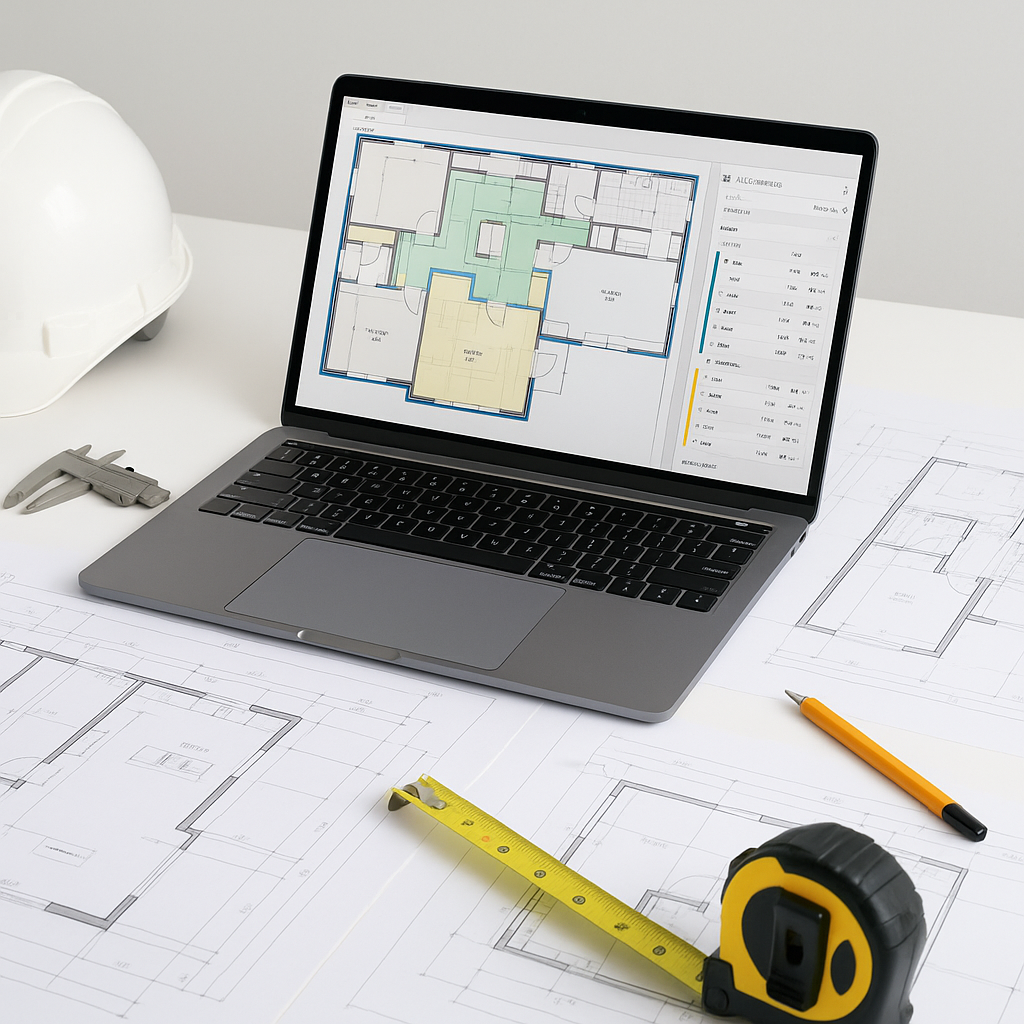
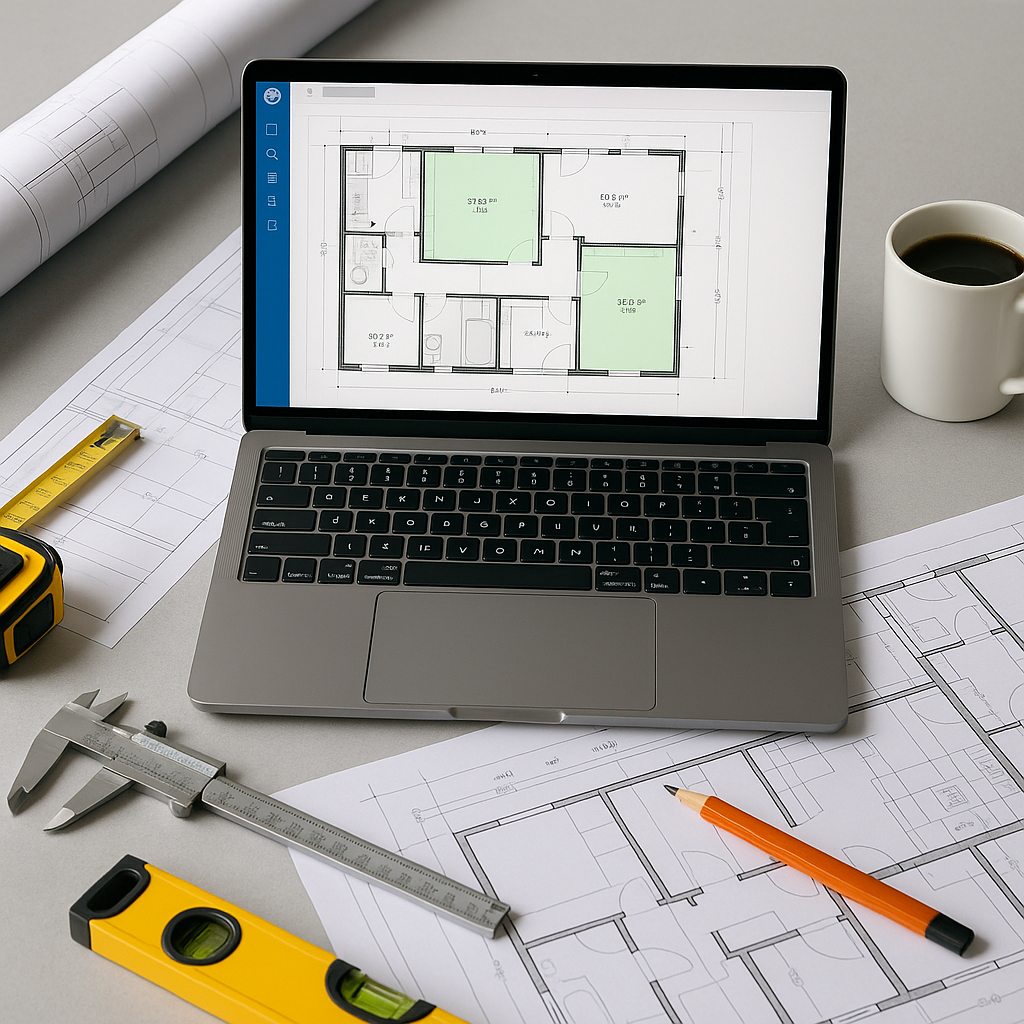
Every estimator is familiar with the process: receive a PDF with dozens of pages of drawings, calibrate the scale, and start tracing. Walls, windows, duct runs—everything must be measured line by line. It’s a tedious and error-prone task that consumes significant time and resources.
Why is this still the norm? Many teams rely on tools that were designed years ago. While software like Bluebeam is effective for basic markup, it’s not optimized for quantity takeoffs. Similarly, spreadsheets like Excel, though versatile, are not purpose-built for this task.
Manual takeoffs can delay bids, overburden teams, and increase the risk of costly errors. However, advancements in AI technology are offering solutions to these challenges.
How AI Tools Transform Takeoffs
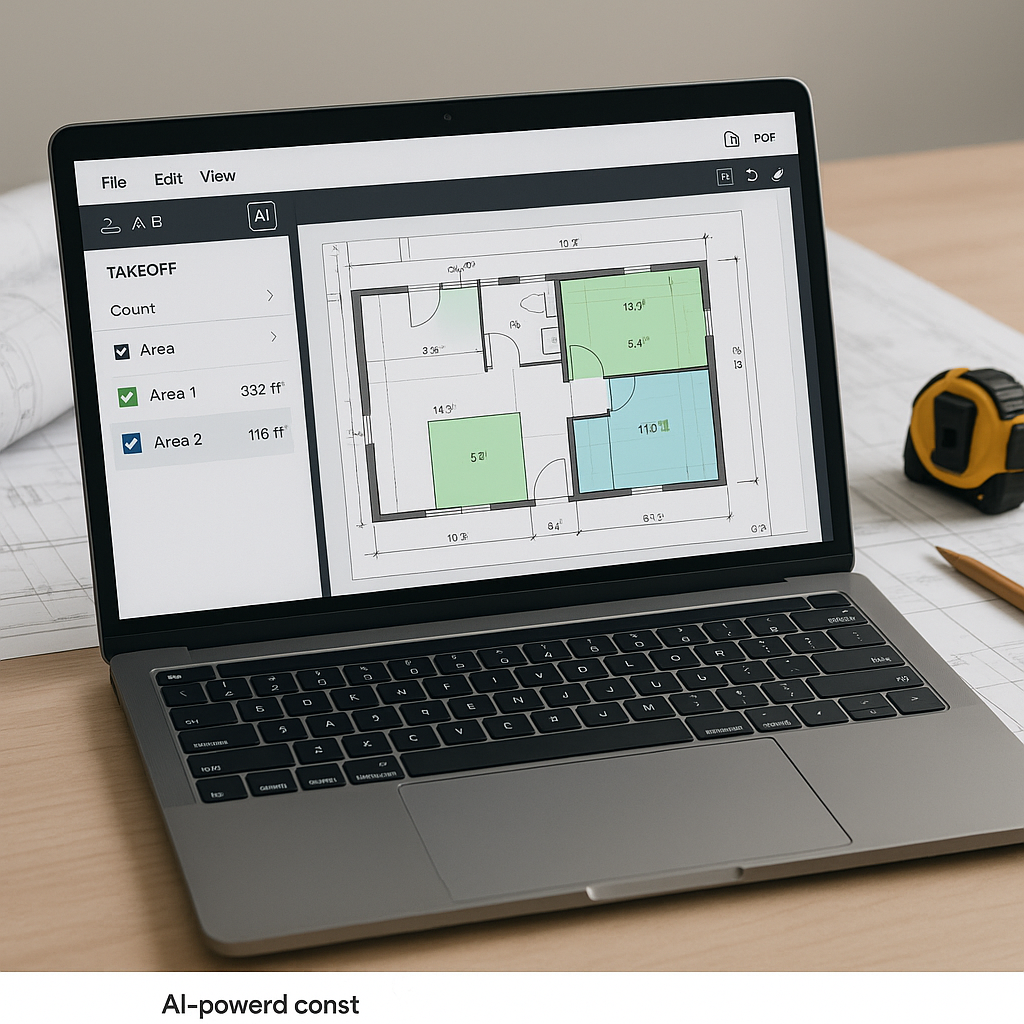
AI-powered tools are designed to automate and streamline the takeoff process. These tools can extract quantities from drawings quickly and efficiently. For example, by uploading PDFs, the system can identify and measure elements such as door counts, wall lengths, and room areas.
Illustrative example — Imagine a mid-sized project where manual takeoffs might take multiple estimators several days to complete. With an AI-powered tool, much of this work could be completed in a fraction of the time, allowing the team to focus on reviewing and refining the results.
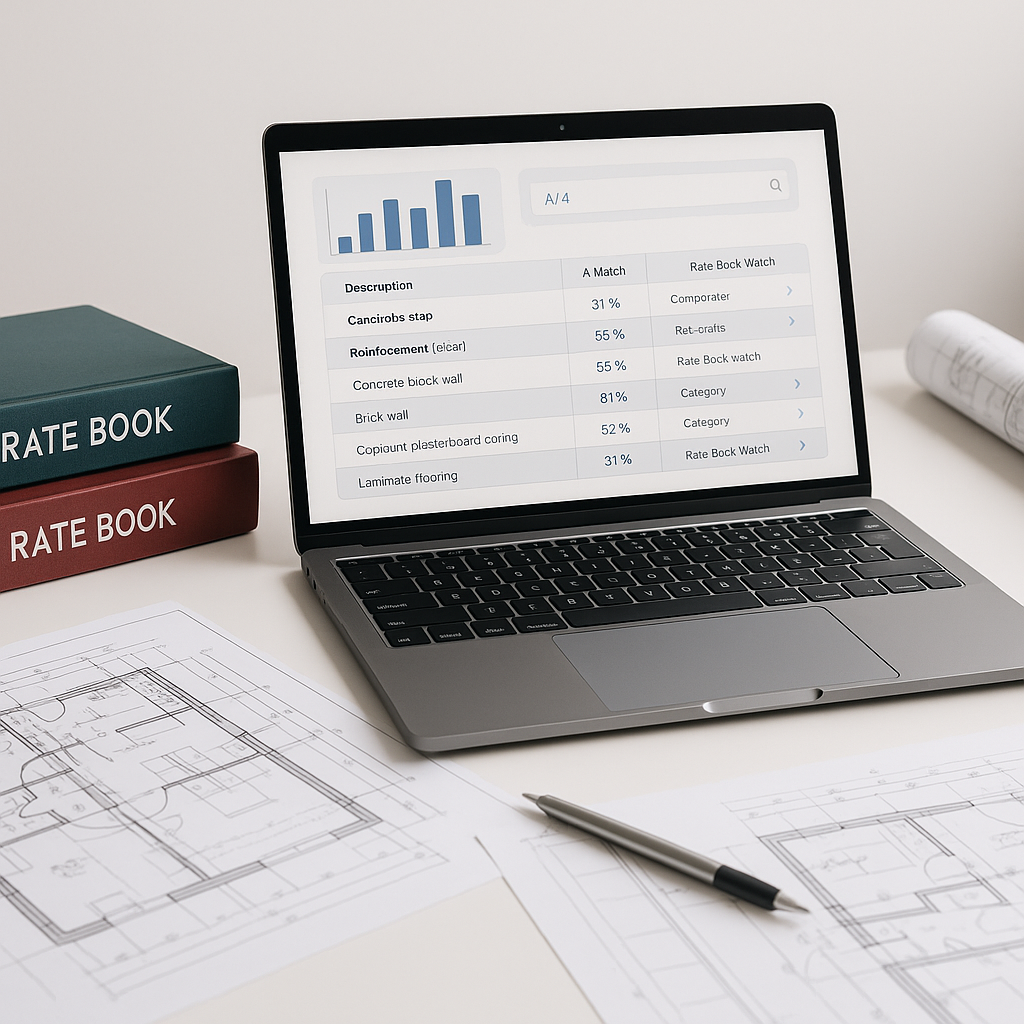
In addition to speed, AI tools often include features like confidence scoring, which highlights areas that may require additional review. These systems also improve over time as they learn from user feedback, becoming more accurate and efficient with each project.
The Role of Human Oversight
AI tools are not without limitations. They may struggle with poorly labeled drawings or unique architectural features. Human oversight remains critical to ensure accuracy and address any anomalies.
A practical approach is to use AI for the bulk of the work and assign team members to review flagged areas. This allows senior estimators to focus on higher-value tasks, such as bid strategy and subcontractor negotiations, while junior staff handle the review process.
Why Faster Takeoffs Matter
Streamlining the takeoff process has significant implications for both general contractors (GCs) and subcontractors. Faster takeoffs mean more bids can be handled within the same timeframe, improving competitiveness. For subcontractors, this could translate to responding to more RFQs each month.
Accuracy is another critical factor. Errors in manual takeoffs can lead to costly mistakes or even lost bids. By automating repetitive tasks and flagging potential issues, AI tools help reduce these risks.
Common Questions About AI Takeoffs
Q: How accurate are AI-powered takeoffs?
AI tools are designed to be highly accurate but may require manual review for complex or unclear drawings. Features like confidence scoring help users identify areas that need attention.
Q: Can AI tools handle small projects?
Yes, AI tools are scalable and can be used for projects of all sizes, from small renovations to large infrastructure bids.
Q: How difficult is it to learn these tools?
Most AI platforms are user-friendly, with training typically taking less than a week. This ensures teams can adopt the technology quickly.
Q: Can custom measurements be incorporated?
Yes, AI tools often allow users to adjust settings for unique project requirements, providing flexibility without sacrificing efficiency.
Conclusion
Manual takeoffs are becoming a thing of the past. AI-powered tools offer a faster, more accurate, and less labor-intensive alternative, enabling teams to focus on strategic tasks like winning bids and optimizing margins.
If you’re considering adopting AI for preconstruction estimation, explore available tools to see how they can enhance your workflow and improve your outcomes.