Why Manual Takeoffs Waste Time—and Money
Let’s start with the obvious: manual drawing takeoffs are slow. Painfully slow. For a mid-sized project, estimators can spend significant time just measuring quantities from PDF drawings. That’s valuable time lost before you even touch rates or build your cost estimate.
You might think, "But we’ve always done it this way." Sure, but manual processes are prone to inefficiencies. Human error creeps in—miscounted windows, missed revisions, or duplicate measurements can throw off your quantities, which snowballs into inaccurate bids. If you win on bad numbers, your profit margin suffers. If you lose, your team just wasted time chasing a ghost.
AI Takeoffs: From Hours to Minutes
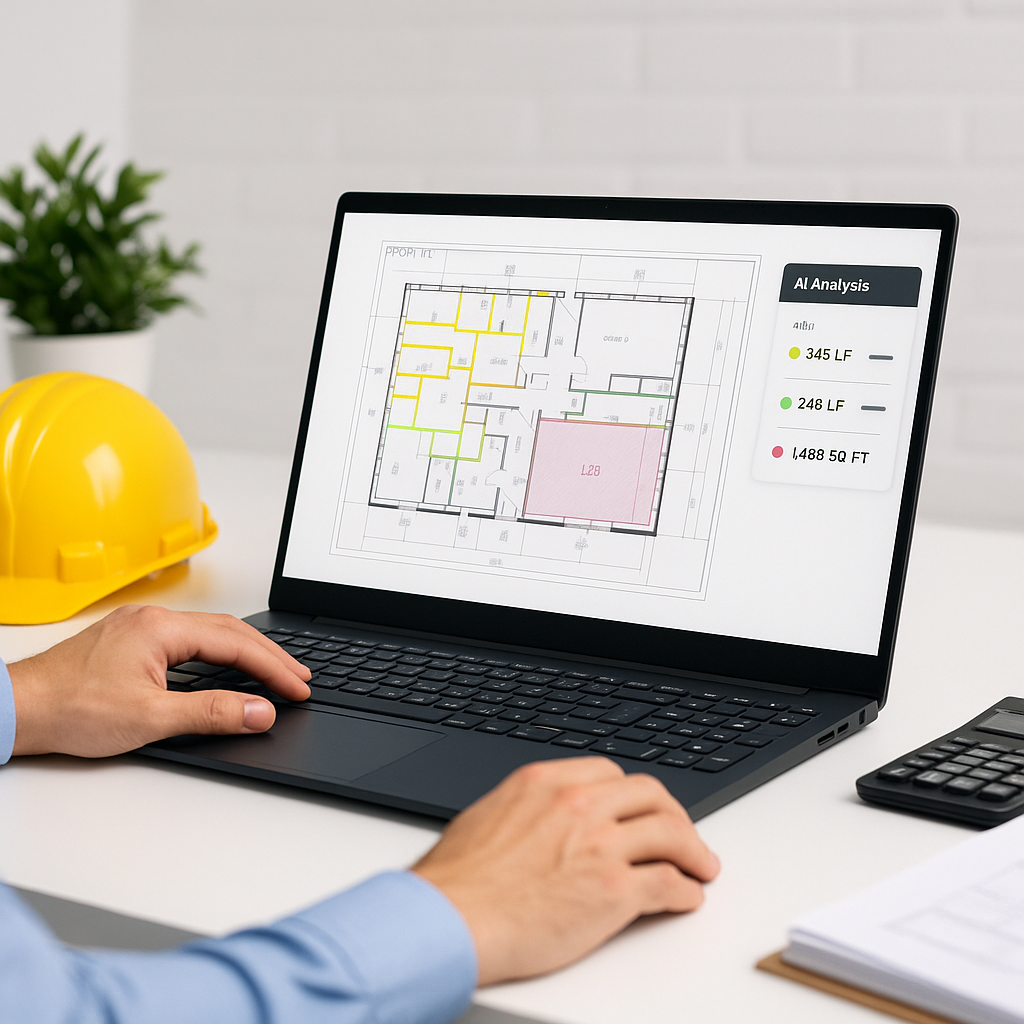
This is where AI-powered tools like EstimateNext change the game. Vision AI scans your PDF drawings and extracts quantities with minimal human input. Wall lengths, room areas, door counts—done in minutes instead of hours.
How does it work? The system uses machine learning to recognize patterns in architectural plans. Think of it like a supercharged version of Bluebeam. It doesn’t just trace lines; it interprets them. For example, it can differentiate between solid walls and partitions, automatically calculating paintable areas vs. drywall coverage.
Illustrative example — A contractor using AI tools could significantly reduce the time spent on takeoffs, freeing up resources for other critical tasks.
What About Accuracy?
You might be thinking, "Sure, AI is fast, but does it get everything right?" Good question. AI tools aren’t perfect, but they can reduce takeoff discrepancies significantly.
Still, human oversight matters. Most platforms include features like flagged quantities for manual review, ensuring your team can verify critical data before finalizing the bid. No surprises, just clean numbers.
The ROI for Takeoff Automation
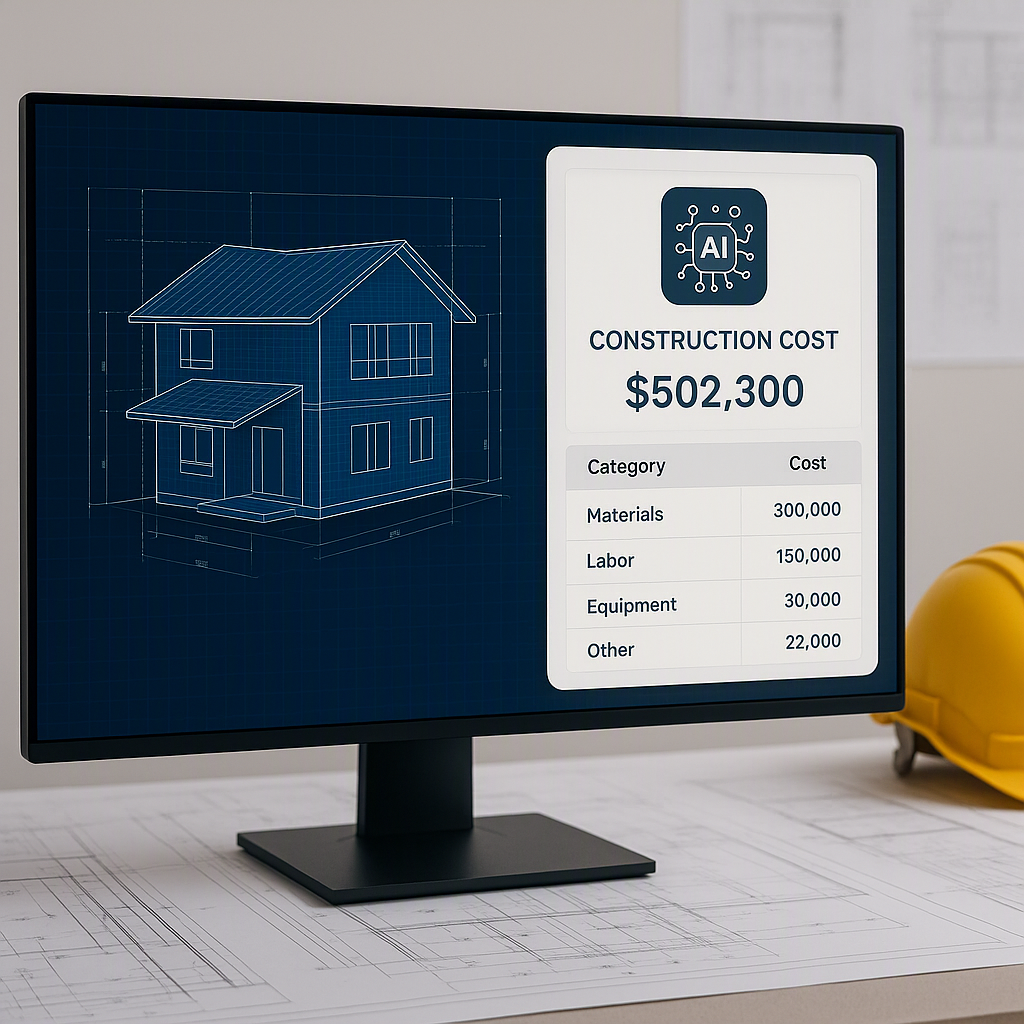
Let’s talk return on investment. Automating takeoffs can save substantial time and effort, allowing teams to focus on higher-value activities like refining bids or pursuing additional projects.
Illustrative example — If a contractor typically spends dozens of hours on manual takeoffs per project, automating this process could free up those hours for more strategic tasks, potentially increasing the number of bids they can handle annually.
Common Skepticism: “But AI Can’t Think Like an Estimator”
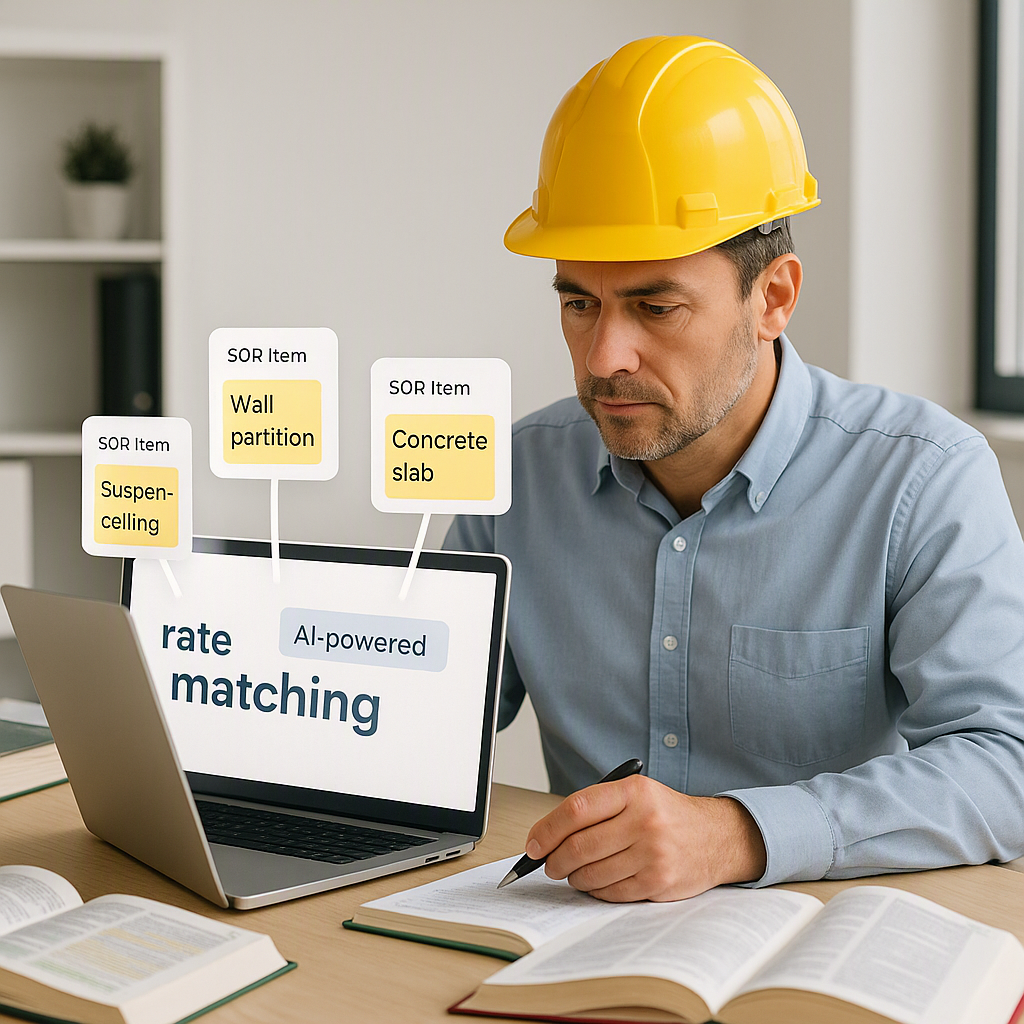
I hear this objection all the time. “AI doesn’t understand construction like we do.” True, but it doesn’t need to. AI handles the grunt work—takeoffs, rate matching, what-if recalculations—so you can focus on judgment calls, scope negotiations, and final pricing. It’s a tool, not a replacement.
Final Thoughts: Time is Money in Estimation
Manual takeoffs aren’t just inefficient; they’re a liability. If your team spends weeks measuring drawings, you’re losing bids, profits, and productivity. AI-powered tools like EstimateNext offer a smarter way forward. Why spend hours on a task that can be completed in minutes?
If you're ready to save time and price smarter, EstimateNext can help. Get started free →