Estimate vs Actual Variance in Construction: How to Minimize Gaps
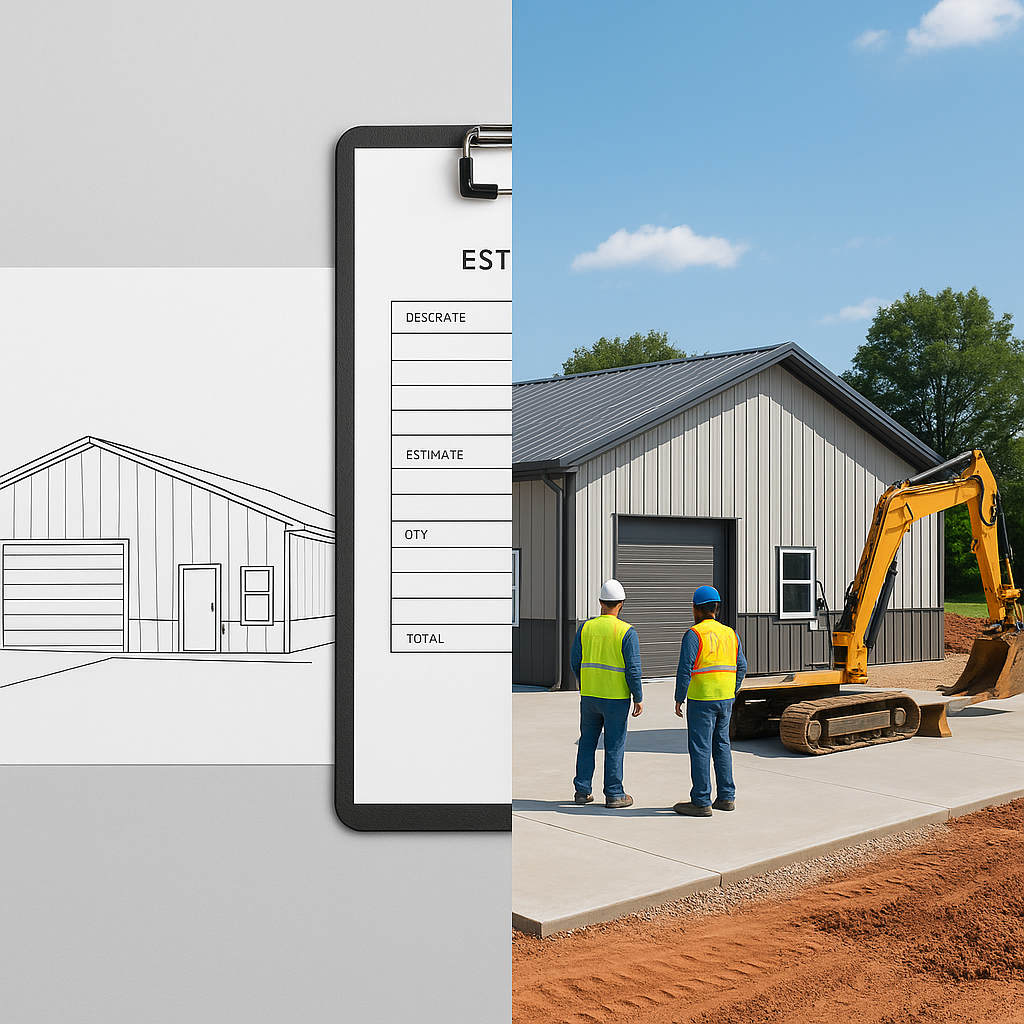
You’ve just wrapped up a big project. The final numbers are in, and your actual costs are significantly higher than your original estimate. What happened? You comb through your calculations, find some surprises in material costs, and realize a subcontractor’s change order pushed everything over the edge. Sound familiar? You’re not alone.
For contractors and estimators, this is more than an inconvenience. It’s a direct hit to your reputation—and your bottom line.
So, how do you bridge the gap between estimate and actual costs? Let’s break it down.
Why Do Estimates Go Wrong?
Let’s not sugarcoat it: every estimate is a prediction. And predictions are only as good as the data and assumptions they’re based on. Here are the usual suspects for why estimates often miss the mark:
- Incomplete Data: Early-phase designs (Class 5 or Class 4 estimates) are based on vague assumptions, like cost per square foot. These numbers can be off by a wide margin.
- Manual Errors: Flipping through rate books or juggling multiple Excel tabs? Mistakes happen. A typo in a unit cost or a missed line item can snowball into major variance.
- Inflation and Escalation: Material prices don’t stay still. Neither do labor rates. If you’re not accounting for inflation or market fluctuations, your costs will creep up.
- Scope Creep: Changes to project scope during execution are often the nail in the coffin for budget accuracy. Think unchecked design changes or unforeseen site conditions.
What’s the Fix?
You can’t eliminate variance entirely. But you can shrink it by improving how you estimate. Let’s talk solutions.
1. Use Historical Data as a Reality Check
Your last mid-rise office project required a certain amount of structural steel per square foot. Why would your current one be dramatically different? If your estimate looks off, compare it to similar projects and adjust accordingly. This isn’t guesswork; it’s data-driven sanity checking.
Many contractors still don’t take full advantage of their project archives. That’s a huge missed opportunity. Historical data is your best friend in spotting red flags early.
2. Account for Inflation and Market Volatility
Do you know the current cost of cement in your region? Or how much material costs have increased over the past year? Many estimators don’t—and that’s a problem.
Illustrative example — If material costs rise by 10% over a year, failing to account for this in your estimate could lead to significant budget overruns. By tracking market trends and adjusting estimates accordingly, you can mitigate this risk.
3. Run What-If Scenarios
This is where the rubber meets the road. What if steel prices rise? What if your client insists on a faster project timeline, driving up labor costs? Real-time cost impact analysis lets you see the ripple effects of these changes before they happen.
Illustrative example — A contractor estimating a commercial build tested scenarios for concrete price hikes. By adjusting for a potential increase in materials, they realized the project’s profit margin would shrink. Armed with this insight, they renegotiated terms with suppliers and locked in fixed rates early.
4. Normalize Subcontractor Bids
Ever had to compare multiple bids from subcontractors? It’s a headache. Each sub formats their quote differently, uses different unit rates, and may even include or exclude key scope items. It’s a breeding ground for errors.
To address this, standardize how you evaluate bids. Create a consistent format for comparing quotes, ensuring you’re comparing apples to apples. This reduces scope gaps and improves accuracy.
5. Invest in Automated Quantities
Manual takeoffs are slow, error-prone, and expensive. On a typical commercial project, it can take estimators significant time to measure quantities from drawings. And even then, there’s no guarantee they’ve caught every detail.
Automated takeoff tools extract quantities directly from drawings quickly. It’s not just faster; it’s also auditable, so you can trace back every number to its source. That’s peace of mind you can’t put a price on.
Common Mistakes to Avoid
Here are some pitfalls that trip up even seasoned estimators:
- Ignoring Soft Costs: It’s easy to focus on materials and labor while overlooking permits, insurance, and contingency budgets. These can add up fast.
- Relying on Outdated Rates: A rate from last year’s catalog isn’t going to cut it. Prices change. Stay updated.
- Overestimating Scope Clarity: Just because the drawings look detailed doesn’t mean the scope is locked. Always allow for contingencies.
- Skipping Bid Feedback: Lost a bid? Don’t just move on. Analyze why your estimate missed the mark and refine your process.
- Overcomplicating the Process: Too many tools, too many spreadsheets. Simplify your workflow and focus on accuracy.
If you’re tired of playing catch-up with budget overruns, consider adopting tools and strategies that tackle the root causes of cost variance.