Why Preconstruction Takes Too Long
If you've ever worked in preconstruction, you know the bottleneck: manual takeoffs. Estimators often spend significant time tracing drawings in software just to get quantities. This inefficiency can lead to missed deadlines and tighter margins. And when clients make last-minute changes, the process often has to be restarted, adding further delays.
Preconstruction is one of the most time-consuming phases of the construction cycle, and manual takeoffs are a major contributor to this inefficiency. According to McKinsey, early adopters of AI in construction have seen significant cost savings per project by streamlining workflows and reducing errors.
What AI Can Actually Do
AI tools are increasingly being used to address inefficiencies in preconstruction estimation. These tools can automate repetitive tasks, such as takeoffs, and reduce the likelihood of errors. By handling the time-intensive aspects of estimation, AI allows teams to focus on higher-value tasks like decision-making and strategy.
For example, AI-powered tools can extract quantities from drawings much faster than manual methods. They can also identify discrepancies and flag potential issues for human review, ensuring greater accuracy in the estimation process. This combination of speed and accuracy can significantly improve project timelines and outcomes.
How It Works
Here’s the general process for using AI in preconstruction estimation:
-
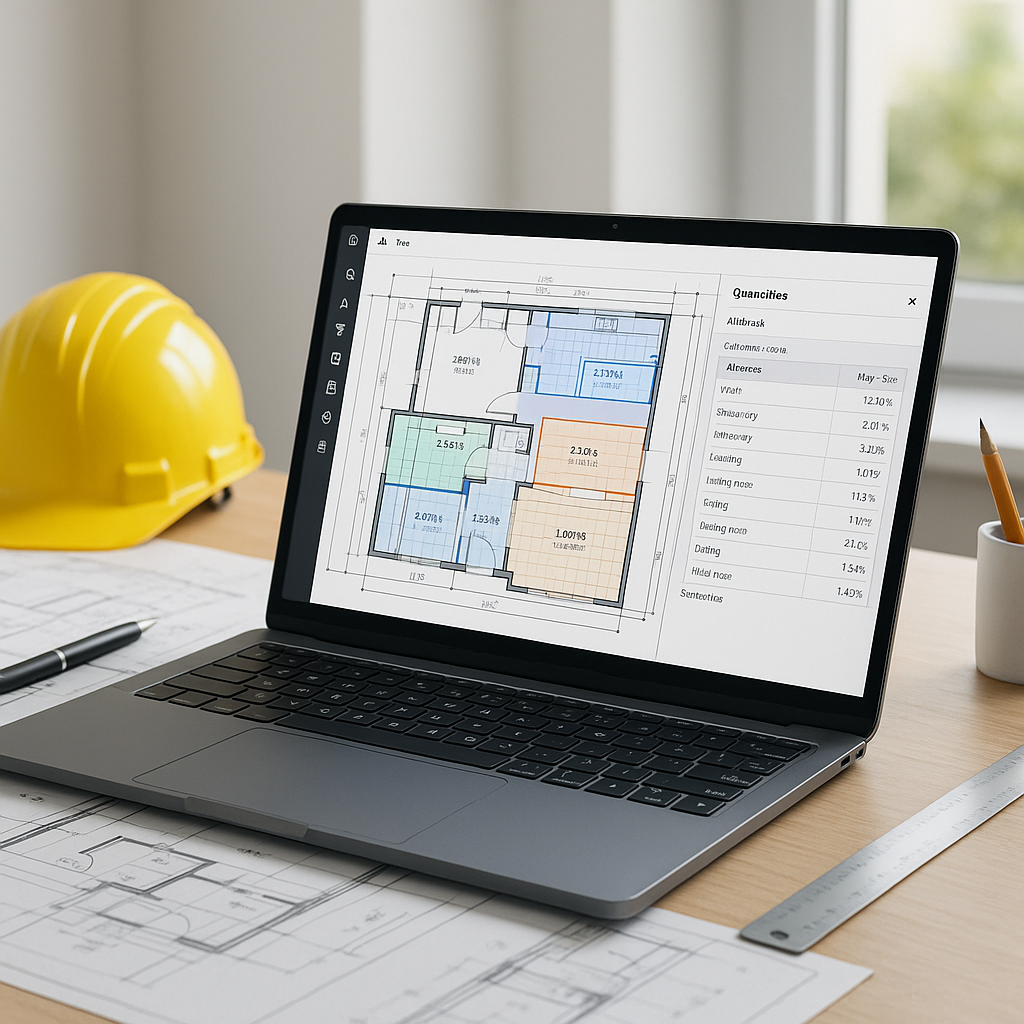
Upload Your Drawings: The system can process various file types, such as PDFs or CAD files, and interpret the drawings.
-
Automated Quantity Extraction: The AI extracts areas, lengths, counts, and other relevant quantities from the drawings.
-
Flagging and Overrides: The system highlights items that require manual review, allowing users to make adjustments as needed.
-
Revisions Made Easy: When clients make changes, the AI can compare old and new drawings to identify differences, streamlining the revision process.
The Obvious Objection: "AI Doesn’t Think Like an Estimator"
Some may argue that AI lacks the nuanced understanding of a human estimator. While this is true to an extent, the purpose of AI is not to replace human expertise but to complement it. Estimators still make critical decisions and apply their judgment, while the AI handles repetitive tasks like takeoffs and data analysis. This partnership allows for more efficient and accurate project planning.
Common Mistakes When Using AI Takeoff Tools
No tool is perfect, and there are common pitfalls to avoid when using AI-powered estimation tools:
-
Blind Trust: Always review flagged items and check for anomalies. AI is a tool, not a replacement for human oversight.
-
Garbage In, Garbage Out: The quality of your input data matters. Incomplete or inaccurate drawings can lead to errors in the output.
-
Skipping Training: Even user-friendly AI tools require some initial training. Investing time in learning the system will pay off in the long run.
-
Ignoring Feedback Loops: Many AI systems improve with user feedback. Engaging with features like manual overrides and corrections can enhance accuracy over time.
The Bottom Line
Manual takeoffs are a significant drain on productivity in preconstruction. AI-powered tools can streamline this process by automating repetitive tasks and reducing errors, enabling teams to focus on higher-value activities. If you're looking to improve efficiency and accuracy in your preconstruction workflows, exploring AI tools could be a valuable step forward.


