Rethinking Asset Management in Construction: The AI Advantage
I used to think asset management in construction was just about spreadsheets and regular check-ups. Keep track of equipment, maintain it on schedule, and you’d be fine. That was the belief. But then AI came along and changed everything.
A specific turning point was a report I read on Autodesk Forma, which highlighted the potential of AI-driven tools to improve project status visibility and streamline asset and equipment tracking. What caught my attention was the potential for predictive maintenance—something I hadn't fully appreciated before.
Why Traditional Methods Lasted
So, why did the old belief last as long as it did? For one, traditional methods worked well enough. Manual tracking systems and scheduled maintenance plans weren’t perfect, but they got the job done. They were straightforward and easy to implement, requiring minimal technological infrastructure. Plus, the transition to AI seemed complicated and risky. Why fix what isn’t broken, right?
Traditional methods also allowed for a sense of control and predictability. Spreadsheets and manual logs are tangible, and many professionals felt comfortable relying on them. However, these methods are prone to human error, lack real-time data, and can lead to inefficiencies. Manual systems can result in duplicated efforts, unintentional omissions, and a slower response time to equipment failures.
The AI Transformation
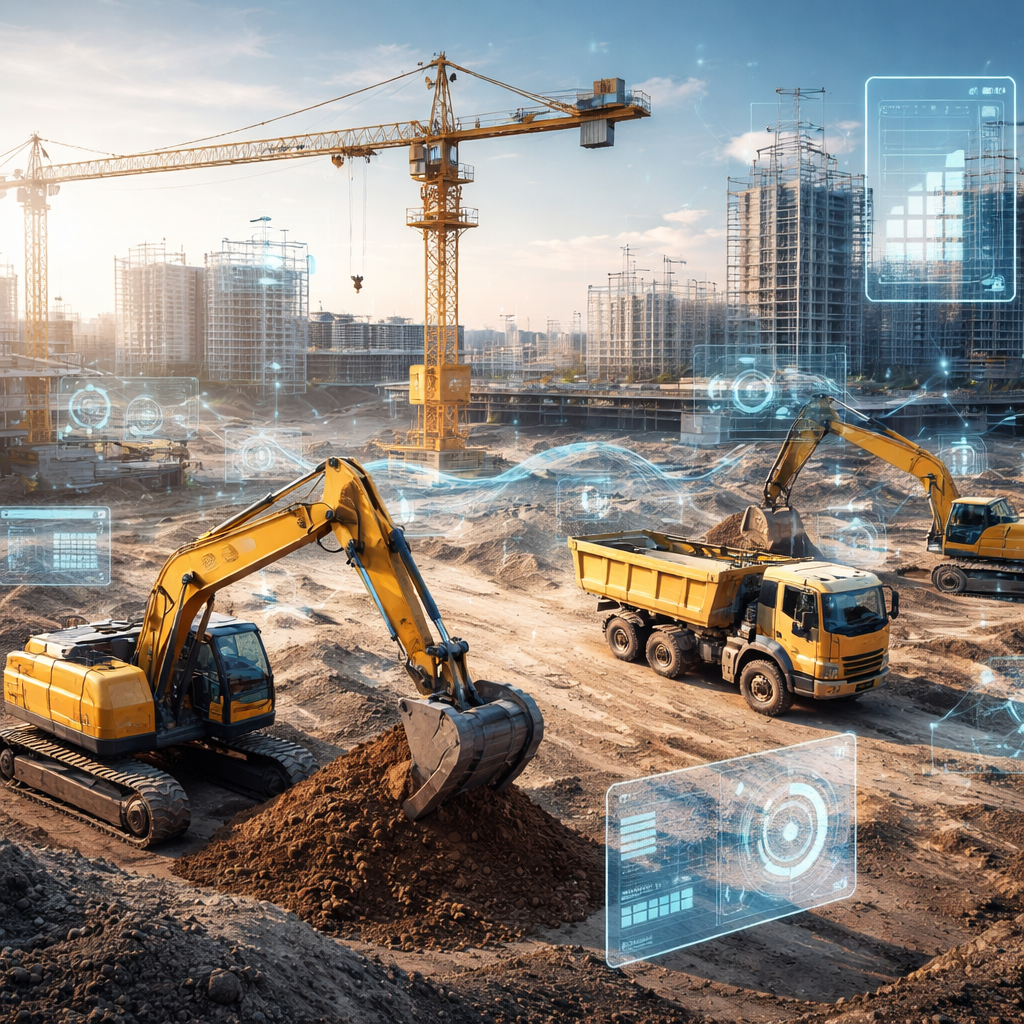
But now, I see things differently. AI in asset management isn’t just about reducing manual work; it’s about optimizing the entire lifecycle of construction assets. Real-time tracking and predictive maintenance are game-changers. According to Tenna, AI tools allow for managing mixed construction fleets from a single platform, enabling better resource allocation and minimizing downtime.
Actionable Steps for AI Implementation
-
Assess Your Needs: Understand what aspects of asset management need improvement. Is it tracking, maintenance, or resource allocation? Conduct a thorough analysis of current processes to identify inefficiencies and potential improvements.
-
Choose the Right Tools: Evaluate different AI tools based on features like predictive maintenance, real-time tracking, and ease of integration with existing systems. Consider the specific needs of your projects, such as fleet size or type of equipment.
-
Pilot Implementation: Start with a small project to test the AI tool’s effectiveness and gather data. Use this pilot to identify potential integration challenges and address them before a full-scale rollout.
-
Train Your Team: Ensure your team is comfortable using AI tools by providing training sessions and resources. Training should be ongoing to keep up with software updates and new features.
-
Monitor and Adjust: Continuously monitor the AI tool’s performance and make necessary adjustments to optimize results. Regular feedback loops between the tool and its users can help in refining its functionality.
Integration with Preconstruction Workflows
Integrating asset management with preconstruction workflows offers significant benefits. AI tools can parse data from different markets and adjust for local regulations, as highlighted in EstimateNext's capabilities. This integration leads to enhanced project efficiency and reduced delays, particularly in complex, multi-market projects.
Decision Framework for AI Integration
Most companies face a choice between sticking with traditional methods or transitioning to AI-powered solutions. The following table provides a comparison to aid in decision-making:
| Factor | Traditional | AI-Driven |
|---|---|---|
| Data Accuracy | Prone to errors | High accuracy |
| Resource Use | Manual | Automated |
| Scalability | Limited | High |
| Cost | Lower upfront | Higher upfront, lower long-term |
The Cost of Ignoring AI
What's the cost of being wrong about AI's impact? Mainly, it's about missed opportunities. Not leveraging AI means potentially higher costs and more frequent equipment failures. Plus, there’s the constant uncertainty of whether manual checks are enough. The long-term savings and efficiency gained from AI can outweigh the initial investment many times over.
Remaining Questions
I still have questions, though. For instance, how reliable are AI predictions in unpredictable environments? How do we ensure data privacy and security when using these systems? These are areas where I’m still seeking clarity. Companies must evaluate the robustness of AI models and establish stringent data governance policies.
Conclusion
If you’re dealing with construction asset management challenges, AI tools like EstimateNext can help. Explore their features to enhance your asset management strategies. Begin by understanding your needs and choosing the right tools to transform your approach to asset management. While AI offers many advantages, its effectiveness depends on careful implementation and ongoing evaluation.