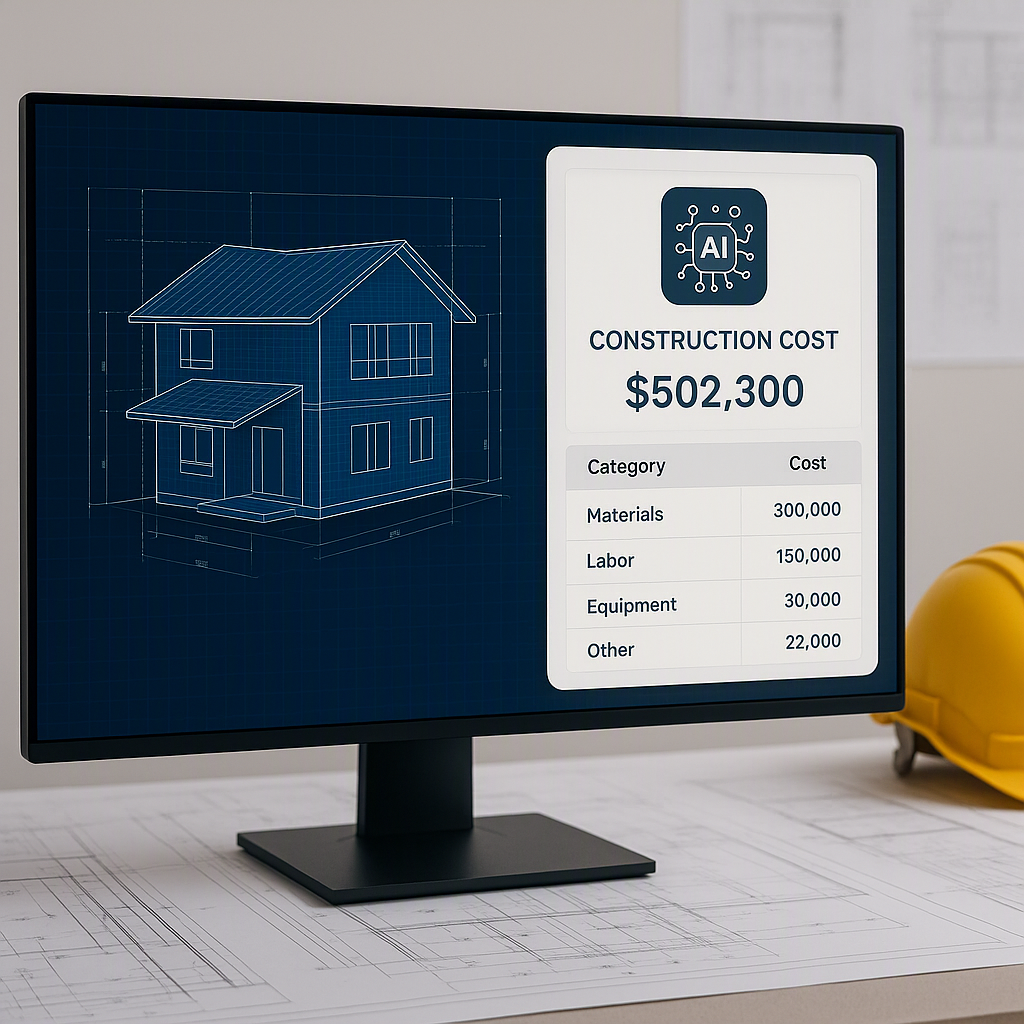
The Problem: Manual Rate Lookup Is a Time Sink
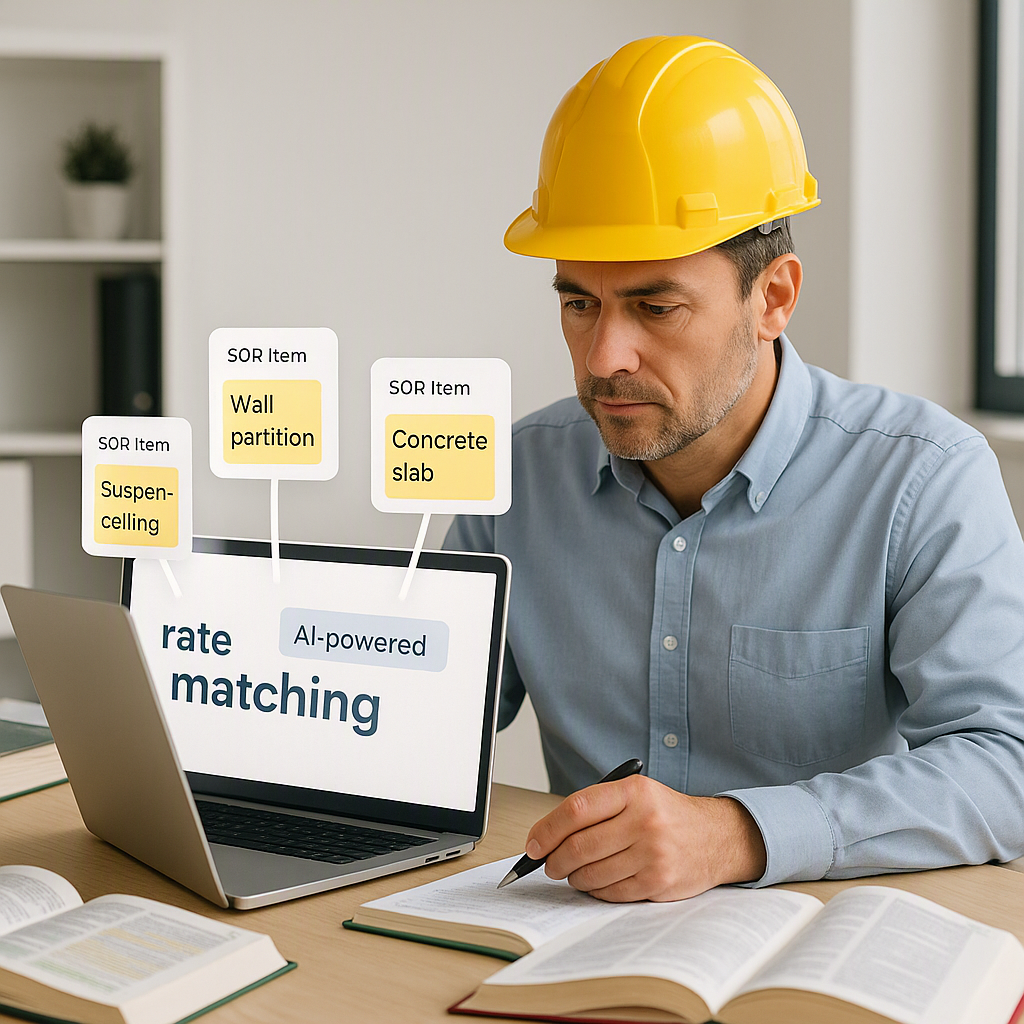
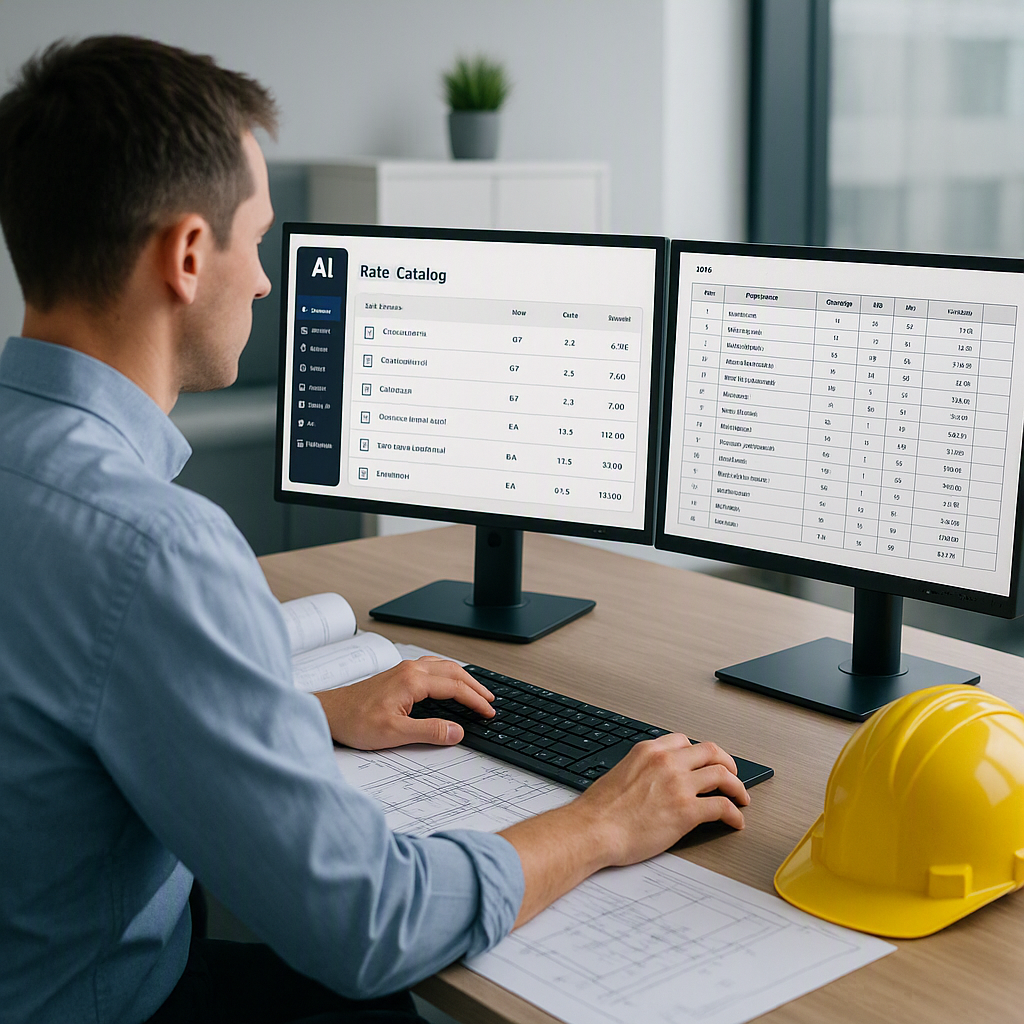
If you’ve ever priced a construction estimate manually, you know the grind. You sit down with a pile of rate books—RSMeans, CPWD DSR, or custom catalogs—and start flipping through pages, hunting for the right rates. It's tedious, error-prone, and, frankly, outdated.
Manual rate lookups can consume significant time and effort. Multiply that across multiple GMP pursuits per year, and the inefficiency adds up. Why is this still the norm? Because many teams don’t realize there’s a better way.
The AI Solution: Rate Matching in Seconds
AI-powered tools are designed to tackle this exact bottleneck. Here’s how it works:
-
Semantic Search Across Massive Rate Libraries
Instead of flipping through a 2,000-page book, you just type what you need. For example, "labor rate for installing pre-stressed concrete girders." The AI scans extensive SOR items (or your custom catalog) and delivers a match in seconds. -
Custom Catalog Integration
Got your own rates? No problem. You can upload them directly, and the AI integrates them for future use. So, every estimate reflects your actual costs—not generic averages. -
Learning Over Time
With each estimate you complete, the AI gets smarter. Adjust rates? Add new materials? That feedback improves its future suggestions.
Why This Matters
Speed is only part of the equation. With AI, you’re not just faster; you’re also more accurate. Manual lookups often lead to missed line items or outdated rates. AI ensures nothing slips through the cracks. And if something looks off? Human oversight is built in. You can review, adjust, and maintain full control.
The Obvious Objection: “But AI Can’t Replace My Expertise”
You’re right—it doesn’t. And it shouldn’t. AI isn’t here to replace estimators; it’s here to handle the grunt work, so you can focus on high-value tasks like negotiation, value engineering, or bid strategy. Think of it as your assistant, not your replacement.
What to Watch For
Like any tool, AI isn’t perfect. Here are a few things to keep in mind:
-
Input Quality Matters
Garbage in, garbage out. Make sure your rate catalogs are up-to-date and properly formatted. -
Learning Curve
While platforms are often user-friendly, expect a short learning curve. Plan for a couple of weeks to fully integrate it into your workflow. -
Edge Cases
AI handles most scenarios, but niche materials or highly specialized rates may require manual input. Fortunately, these tools allow for manual overrides and custom entries.
The Bottom Line
If you’re still flipping through rate books or manually updating Excel sheets, you’re wasting time—and probably money. AI-powered rate matching isn’t just faster; it’s smarter, more accurate, and designed to help you streamline your estimation process.