The Problem: Rate Lookup Bottlenecks
If you've ever flipped through a 2,000-page RSMeans book or a CPWD DSR PDF, you know how painful rate lookup can be. It’s tedious, error-prone, and takes significant time. Worse, every estimator does it differently, which means inconsistency across bids.
For general contractors, this inefficiency adds up. Rate lookup can consume valuable hours—and that's before markup and adjustments. Subcontractors aren’t spared either; they deal with similar chaos when pricing packages under tight deadlines.
Why is this still a problem in 2023? Because traditional methods rely on manual effort. Even digital catalogs like RSMeans Online don’t solve the core issue—they’re just searchable PDFs with slow interfaces.
The Fix: AI-Powered Rate Matching
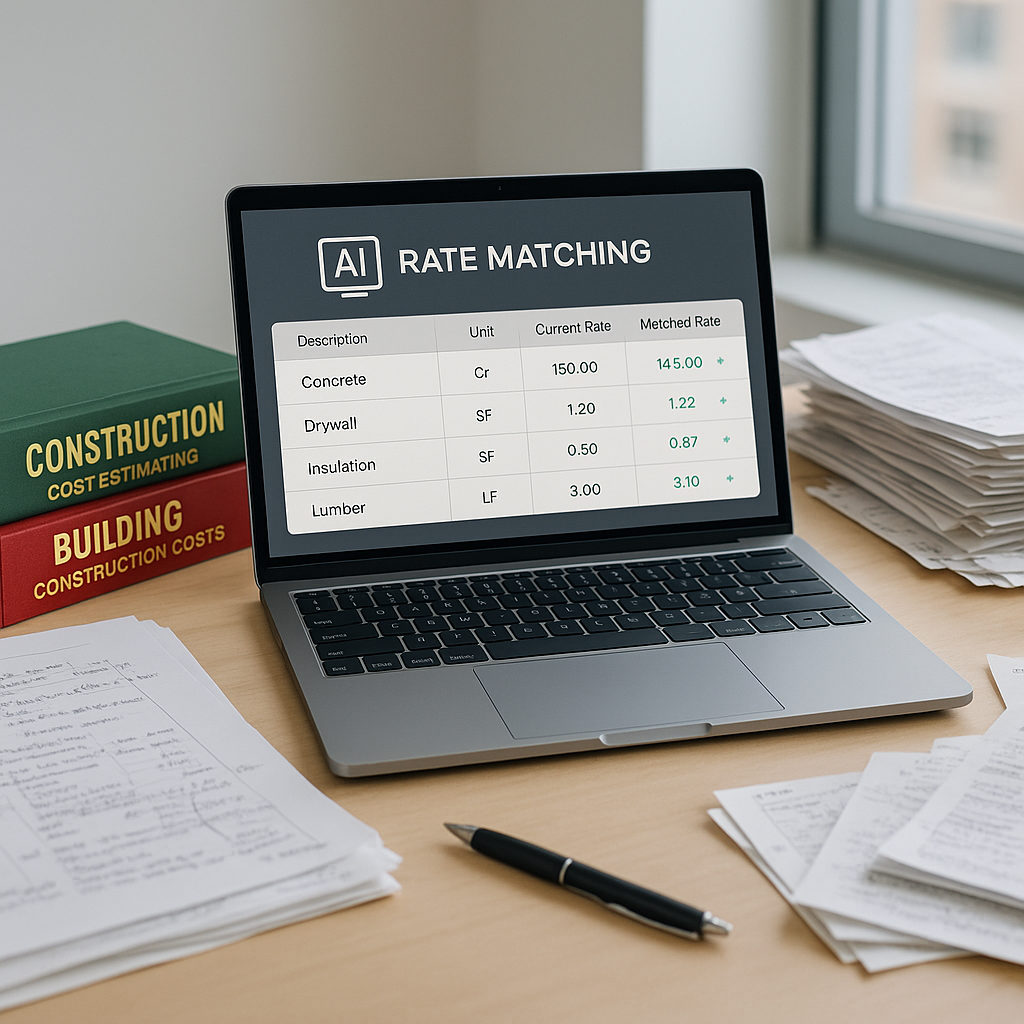
AI rate matching changes the game entirely. Instead of manually hunting for rates, tools use semantic search and self-learning algorithms to find the best match instantly.
Here’s how it works:
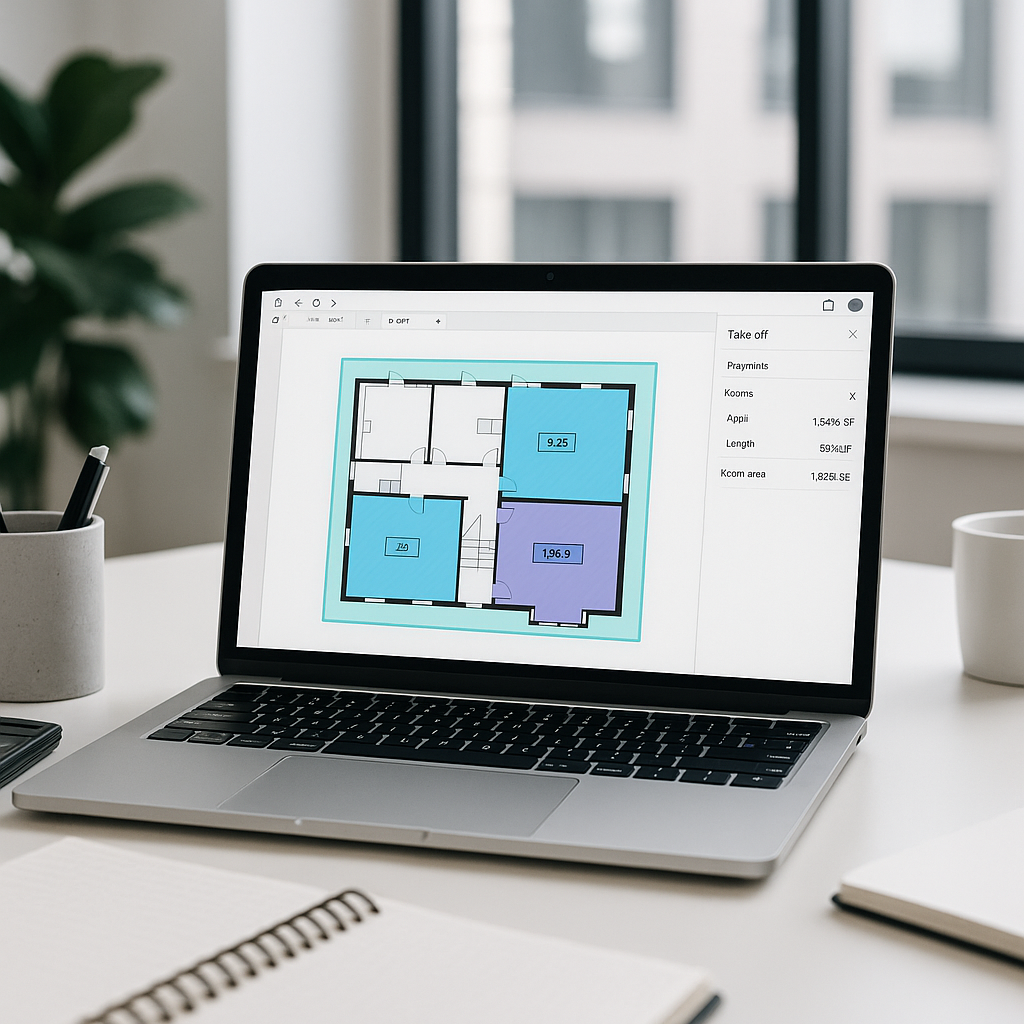
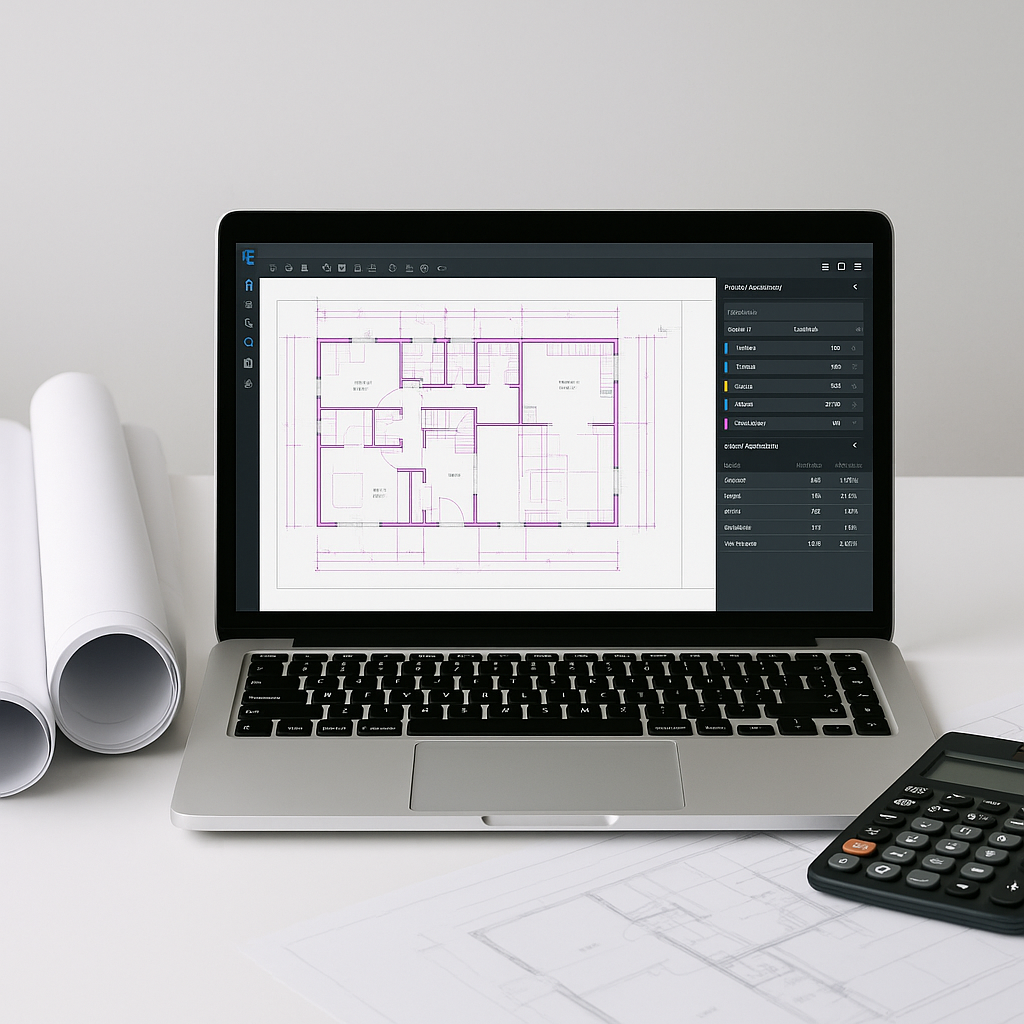
- Upload a BOQ: The system parses the file, identifying line items, merged cells, and section headers.
- Search Across Catalogs: AI scans thousands of SOR items from CPWD, RSMeans, and other catalogs for relevant matches.
- Custom Adjustments: Got custom materials or unique labor rates? You can upload your own catalog, and the AI integrates it for future use.
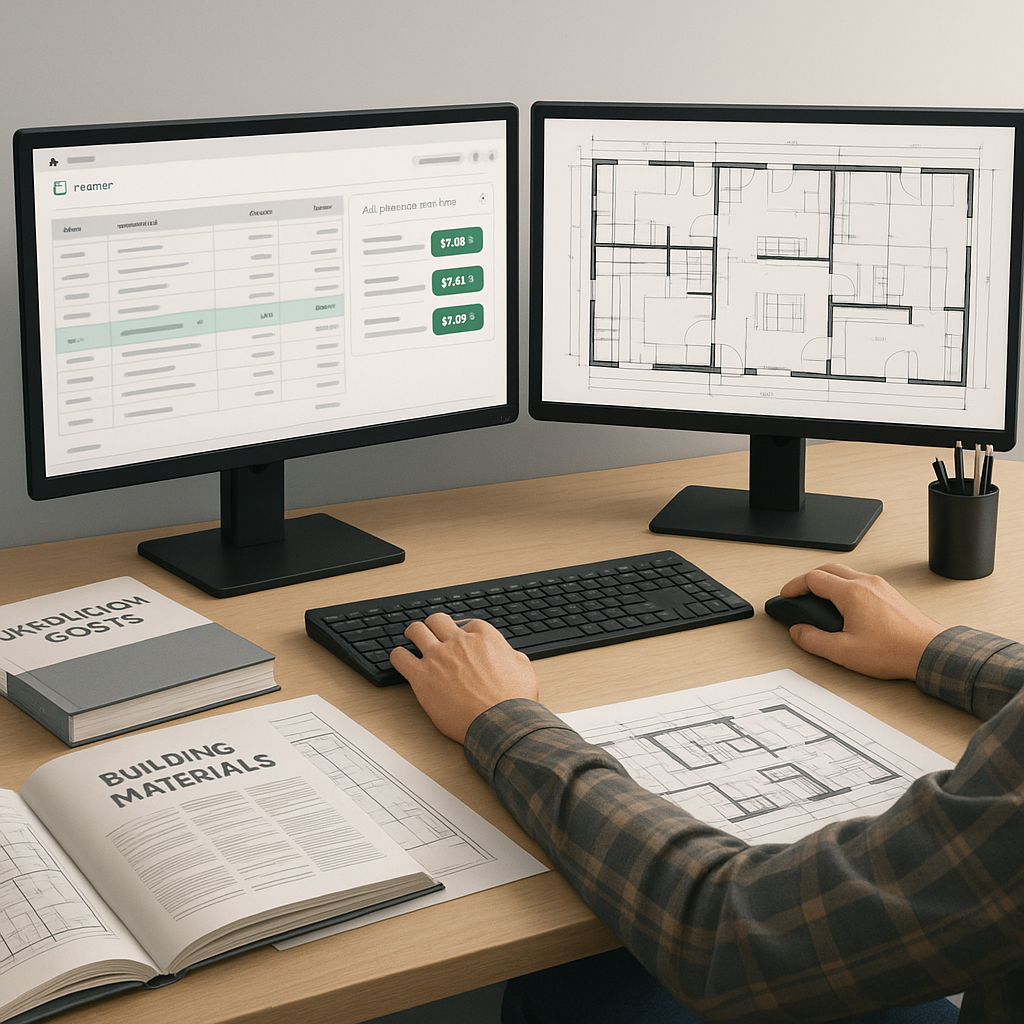
Illustrative example — Let’s say you’re pricing structural steel for a high-rise. Instead of flipping through multiple catalogs to find labor rates for girder installation, you type it into the search bar. The AI returns the rate in seconds—saving time and reducing human error.
What About Accuracy?
You might be thinking, “Sure, AI is fast, but is it accurate?” Fair question. AI tools improve accuracy over time through feedback loops. Reject a match, and the AI adjusts its algorithm for next time.
Human oversight is still essential, though. No AI can fully understand the nuances of your project. But by handling the grunt work, AI lets estimators focus on high-value tasks like negotiating with subs or tweaking margins.
FAQ
Q: Does AI rate matching work with custom catalogs?
A: Yes. You can upload your own rates, and the AI integrates them seamlessly for future projects.
Q: How does the system improve over time?
A: Feedback loops allow the AI to learn from user corrections, making it smarter with each project.
Q: What happens if the AI picks the wrong rate?
A: Tools allow manual overrides. You can approve or reject matches, ensuring accuracy.
Common Mistakes
- Ignoring Feedback Loops: If your team isn’t reviewing and correcting AI matches, the system won’t improve.
- Overloading the BOQ: Uploading messy spreadsheets with merged cells or bad formatting will confuse the AI. Clean data matters.
- Skipping Training: Even the most intuitive tools need a learning curve. Invest the time upfront—it pays off.
Conclusion
If manual rate lookup is slowing your team down, AI-powered tools can help streamline the process and improve efficiency. By automating repetitive tasks, these tools free up estimators to focus on strategic decision-making and delivering competitive bids.