The Hidden Cost of Manual Takeoffs
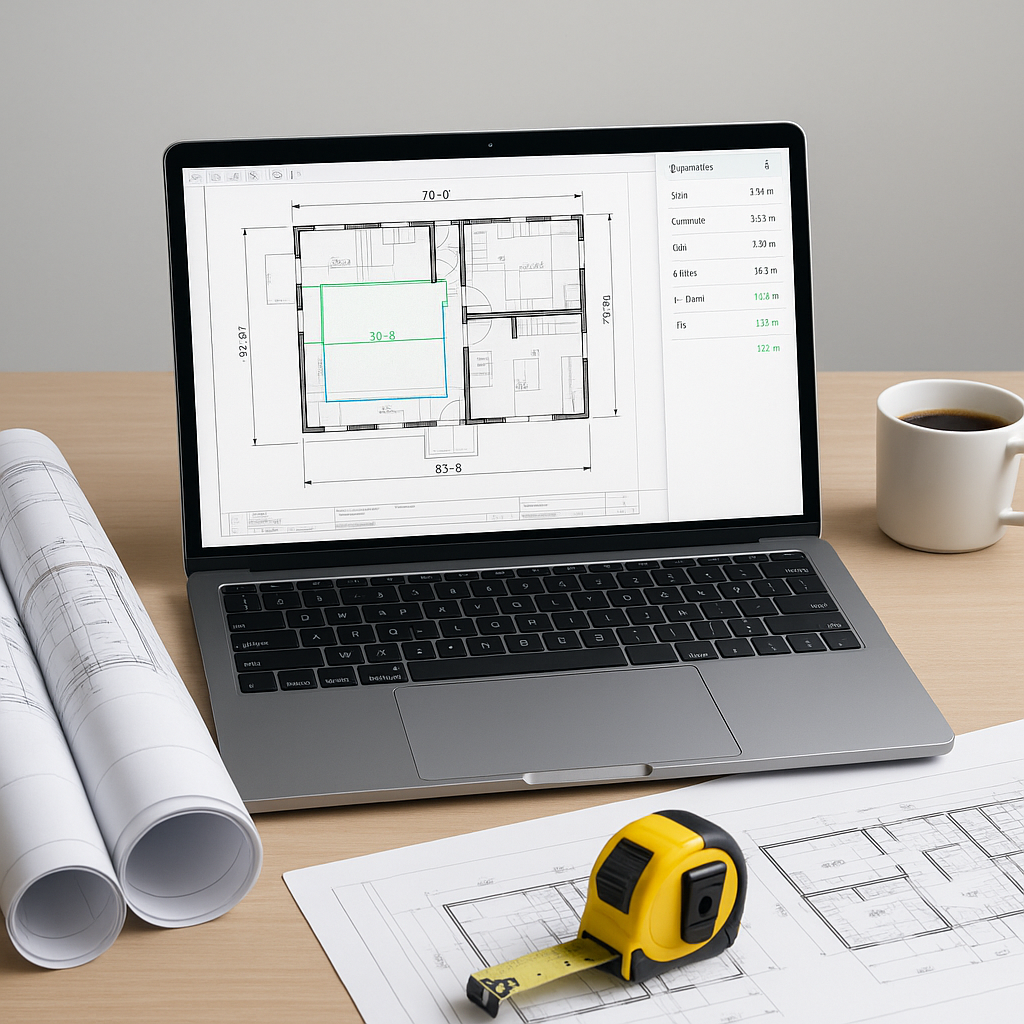
Manual takeoffs can be a significant drain on time and resources. Estimators often spend hours combing through drawings, measuring walls, counting windows, and double-checking quantities. For mid-sized projects, this process can take a substantial amount of time, delaying other critical tasks.
Beyond the time investment, manual takeoffs are prone to errors. A missed dimension or miscalculated quantity can lead to inaccurate estimates, potentially costing you the bid or affecting the profitability of the project. Despite these challenges, many teams continue to rely on manual methods due to tradition or lack of awareness about alternatives.
How AI Takeoffs Work
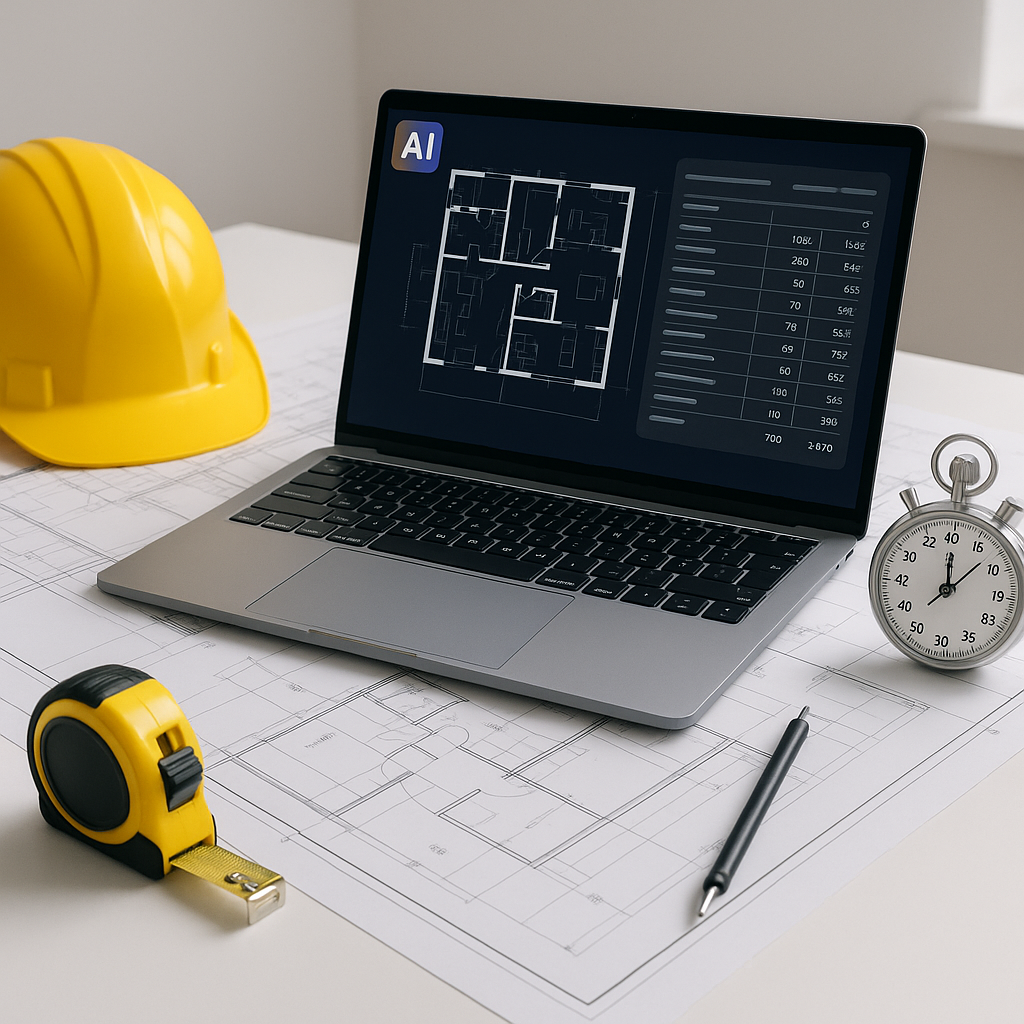
AI-powered takeoff tools automate the repetitive tasks involved in preconstruction estimation. Instead of manually tracing walls or counting fixtures, users can upload PDF drawings. The AI scans the document, identifies elements like rooms, walls, doors, and windows, and extracts the quantities automatically.
This process leverages machine learning, where the AI has been trained on numerous architectural drawings to recognize symbols and layouts. While the time savings can be significant, the exact improvement depends on the complexity of the project and the quality of the input data.
The Real Value: Time Reallocation
The primary benefit of AI tools is not just speed but the ability to reallocate time to higher-value activities. Instead of spending hours on manual tasks, estimators can focus on:
- Refining bid strategies
- Negotiating better rates with subcontractors
- Analyzing project risks
- Running margin scenarios to optimize profitability
AI tools act as a force multiplier, handling repetitive tasks so that your team can concentrate on critical decision-making and strategic planning.
Addressing the Skeptics
A common concern is that AI cannot replicate the judgment and expertise of an experienced estimator. While this is true, AI is not designed to replace human expertise but to complement it. Estimators can review and adjust the AI's output, ensuring accuracy and consistency.
Human oversight remains essential, particularly for interpreting ambiguous notes or resolving discrepancies in project specifications. Many AI platforms also allow for manual overrides and incorporate feedback loops to improve accuracy over time.
Common Mistakes When Switching to AI Takeoffs
Adopting AI tools requires careful implementation to avoid common pitfalls:
- Poor Input Quality: Ensure that drawings are clear and complete, as blurry or incomplete files can reduce accuracy.
- Skipping Training: While AI tools are often user-friendly, a brief training session can significantly enhance efficiency and accuracy.
- Ignoring Feedback Loops: Many AI platforms improve with use. Providing feedback on errors helps the system learn and adapt to your specific needs.
FAQ
Q: How accurate are AI takeoffs compared to manual ones?
A: AI takeoffs can be highly accurate, but the quality of input data and human review are critical factors.
Q: Can AI handle complex drawings?
A: Yes, AI tools are trained on a wide variety of architectural plans and can handle complex layouts, especially those with repetitive elements.
Q: What happens if the AI gets something wrong?
A: Most tools allow for manual adjustments. Users can correct errors, and the system can learn from these corrections to improve future performance.
Ready to Streamline Your Estimation Process?
If your team is still relying on manual takeoffs, it may be time to explore AI-powered tools. These solutions can help reduce time spent on repetitive tasks, allowing your team to focus on strategic and value-added activities.