Why Manual Takeoffs Are Challenging
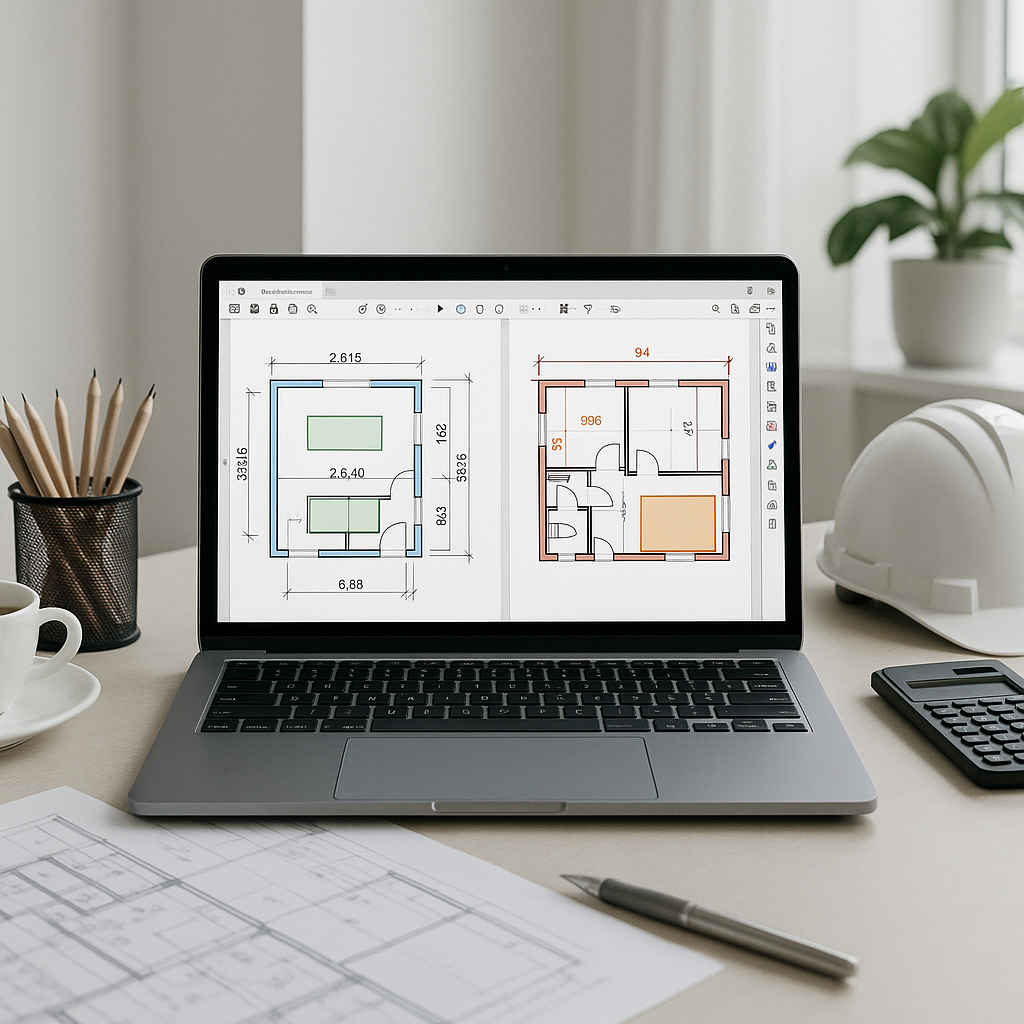
Manual takeoffs can be a significant time investment for general contractors. Estimating quantities from drawings is a labor-intensive process that requires precision and attention to detail. Errors, such as missing a wall length or failing to update a revision, can lead to budget discrepancies that only become apparent later in the project.
How AI Takeoffs Work
AI-powered takeoff tools aim to streamline this process. Here’s how they typically function:
- Upload Your Drawings: Upload your PDF plans into the platform without needing special formatting.
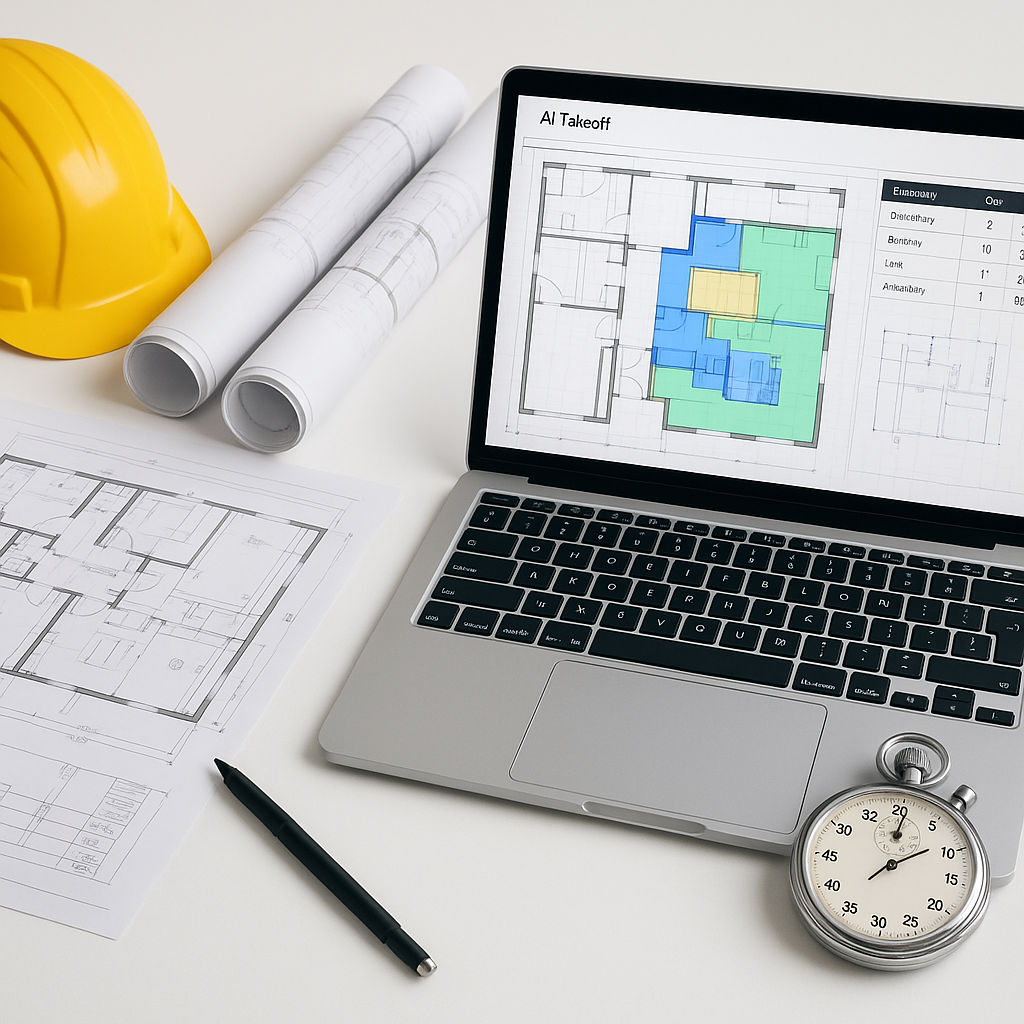
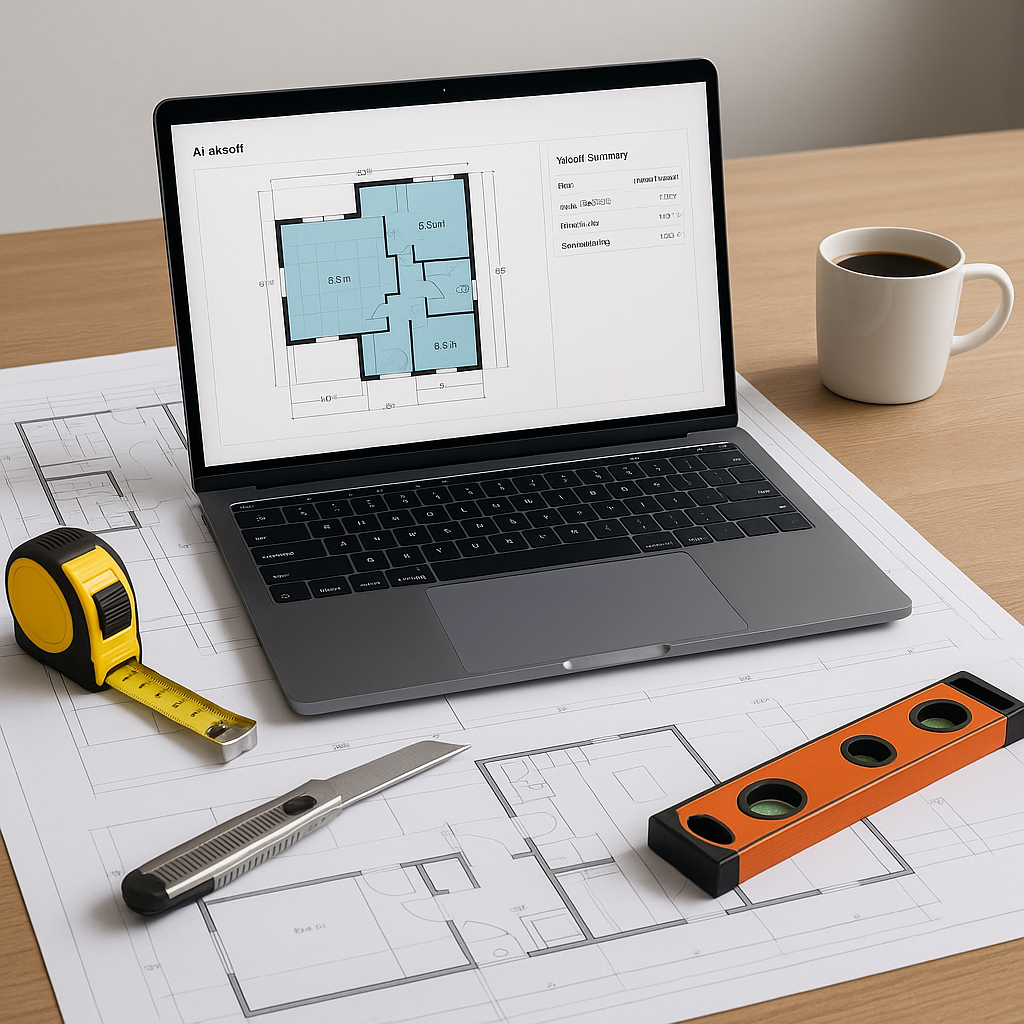
- AI Extraction: The software scans the drawings, identifies areas, lengths, counts, and dimensions, and extracts the quantities automatically. These tools are trained on a wide range of construction documents to recognize different elements.
- Review and Adjust: The tool flags ambiguous measurements for review, allowing you to make adjustments as needed.
- Export to BOQ: Once verified, the quantities can be exported to your Bill of Quantities (BOQ) in formats compatible with tools like Excel or Procore.
Illustrative example — Suppose a contractor uses an AI tool to extract quantities from a set of drawings. Instead of manually measuring each dimension, the tool processes the drawings in minutes, providing a draft BOQ that the contractor can review and refine. This allows the team to focus on higher-value tasks like rate analysis and subcontractor negotiations.
The Role of AI in Estimation
AI tools are not designed to replace human expertise but to complement it. By automating repetitive tasks like measuring and matching quantities, these tools free up estimators to focus on strategic decisions, such as markup calculations and subcontractor negotiations.
Common Mistakes When Using AI Tools
Even with advanced tools, there are potential pitfalls to avoid:
- Bad Inputs: Incomplete or mislabeled drawings can lead to inaccurate outputs. Ensure your inputs are clean and well-organized.
- Skipping Reviews: AI tools often flag low-confidence measurements for review. Skipping these checks can result in errors.
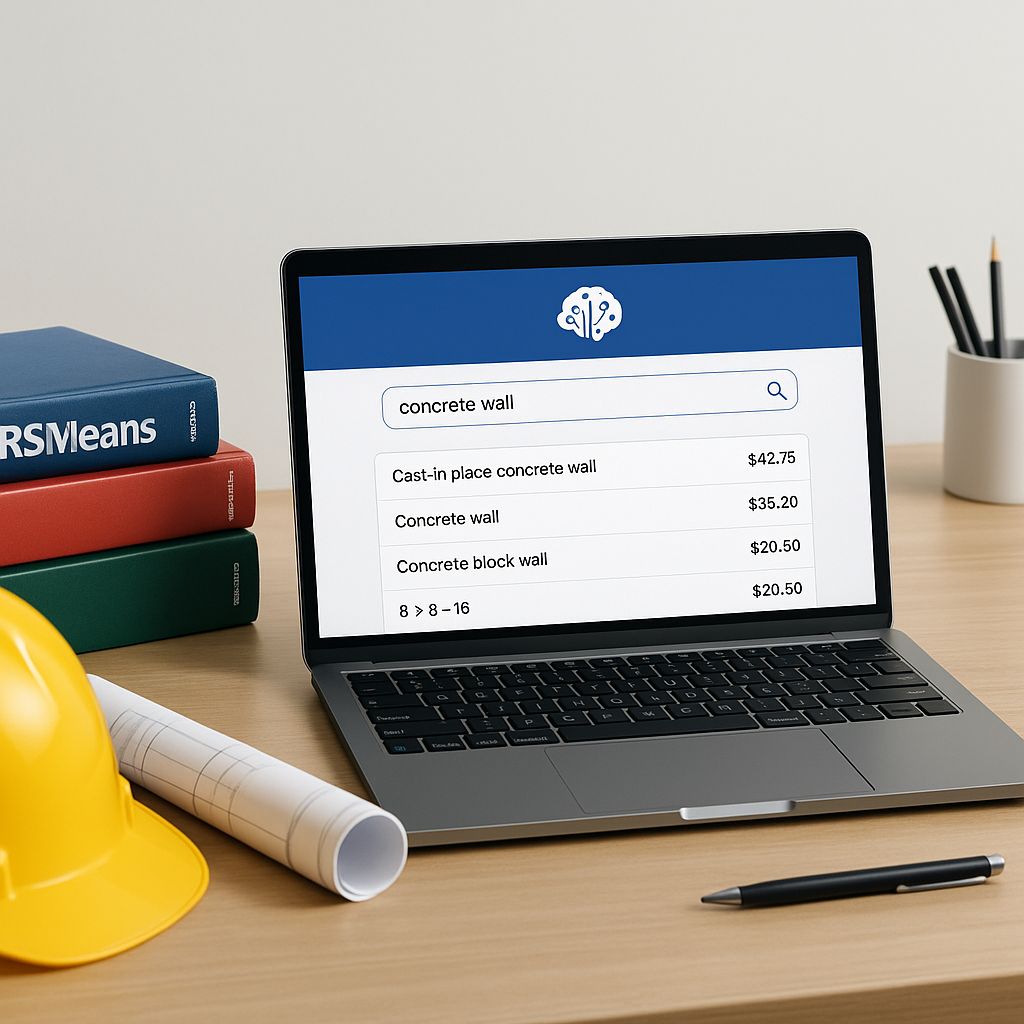
- Ignoring Customization: Failing to upload custom rate catalogs or define unique project elements can lead to generic outputs that don’t align with actual costs.
FAQ: AI Takeoffs
Q: How accurate are AI-generated takeoffs?
AI tools can significantly reduce discrepancies in takeoffs, but their accuracy depends on the quality of input data. Human oversight remains essential to ensure reliability.
Q: Can AI handle complex projects?
Yes, AI tools are scalable and can handle projects of varying sizes and complexities. Starting with smaller projects to test reliability before scaling up is often recommended.
Q: What if my drawings include custom elements?
Most AI tools allow customization, enabling users to define unique elements or upload specific catalogs to ensure estimates reflect actual project requirements.
Actionable Takeaway
If you’re still relying on manual takeoffs, consider exploring AI-powered tools to streamline your preconstruction estimation process. These tools can save time, reduce errors, and allow your team to focus on high-value tasks. Platforms like EstimateNext offer solutions to help you get started.