The Problem: Manual Takeoffs Are a Time Sink
If you’re an estimator, you already know this pain. Drawing takeoffs take forever. You’re measuring wall lengths, counting fixtures, and double-checking every line—all while racing against a bid deadline. This process can consume significant time and resources.
The worst part? It’s not even the hard part of your job. Takeoffs are grunt work. Necessary, sure, but not where you add value. Your expertise is in analyzing costs, negotiating with subs, and making judgment calls—not counting windows on a PDF.
The AI Fix: Vision AI for Drawing Takeoffs
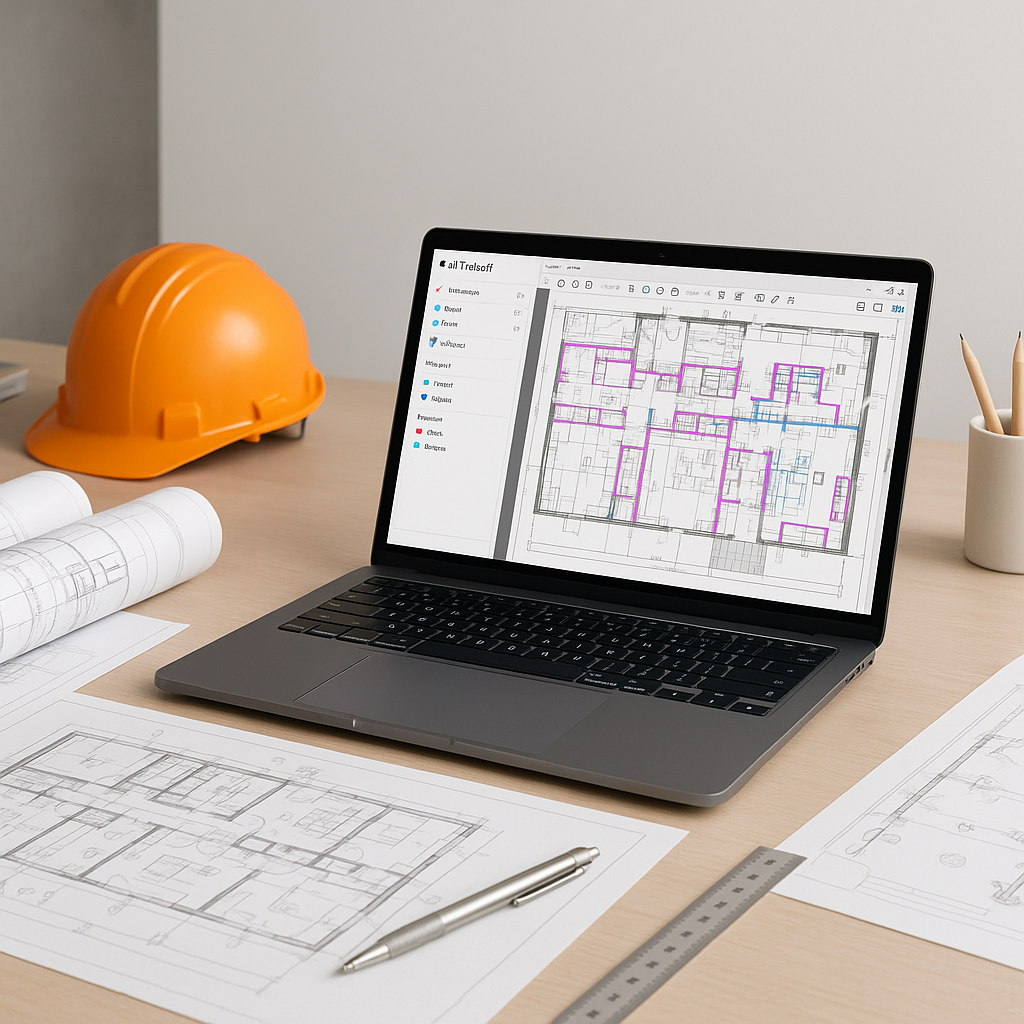
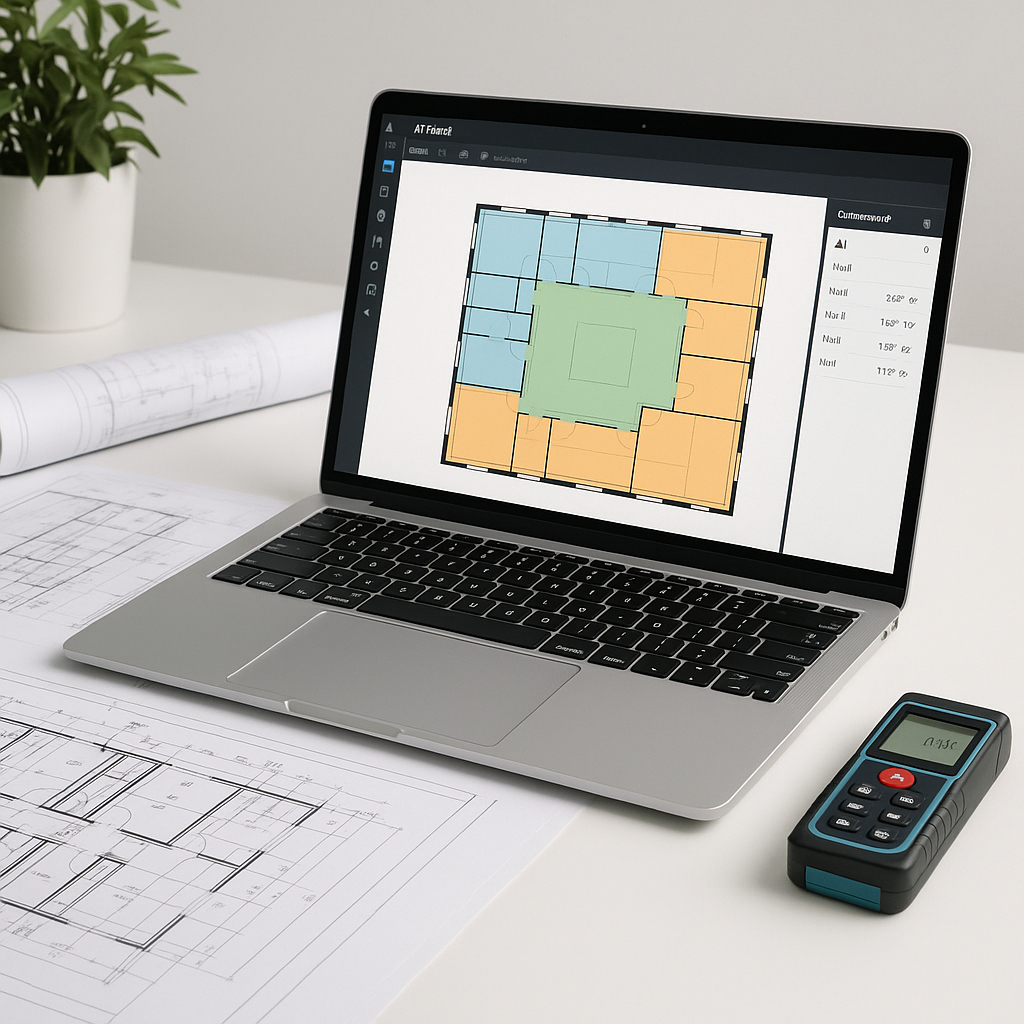
This is where AI comes in. Tools like Vision AI take the manual labor out of takeoffs. You upload a PDF drawing set, and the system extracts quantities efficiently. Room areas, wall lengths, door counts—it pulls it all.
Here’s what’s happening under the hood: Vision AI uses machine learning to “read” the drawing like a human estimator would. It identifies objects, dimensions, and annotations, then translates them into measurable quantities. You get a quantity takeoff that’s ready to import into your estimating system. No rulers. No mistakes.
Why It Matters: Time Savings and Efficiency
AI-powered takeoffs can significantly reduce the time spent on manual tasks. By automating repetitive processes, your team can focus on higher-value activities like scope reviews, bid strategy, and subcontractor negotiations. This shift can lead to more competitive bids and fewer late nights in the office.
The Skeptic’s Question: Can AI Really Be Trusted?
You might be thinking, “Sure, it’s fast, but what about accuracy?” Fair question. AI tools are designed to be highly accurate, but they’re not perfect. That’s why many platforms include manual override options. If the system flags a low-confidence measurement, you can remeasure it yourself. It’s like having a junior estimator do the grunt work while you handle the tricky bits.
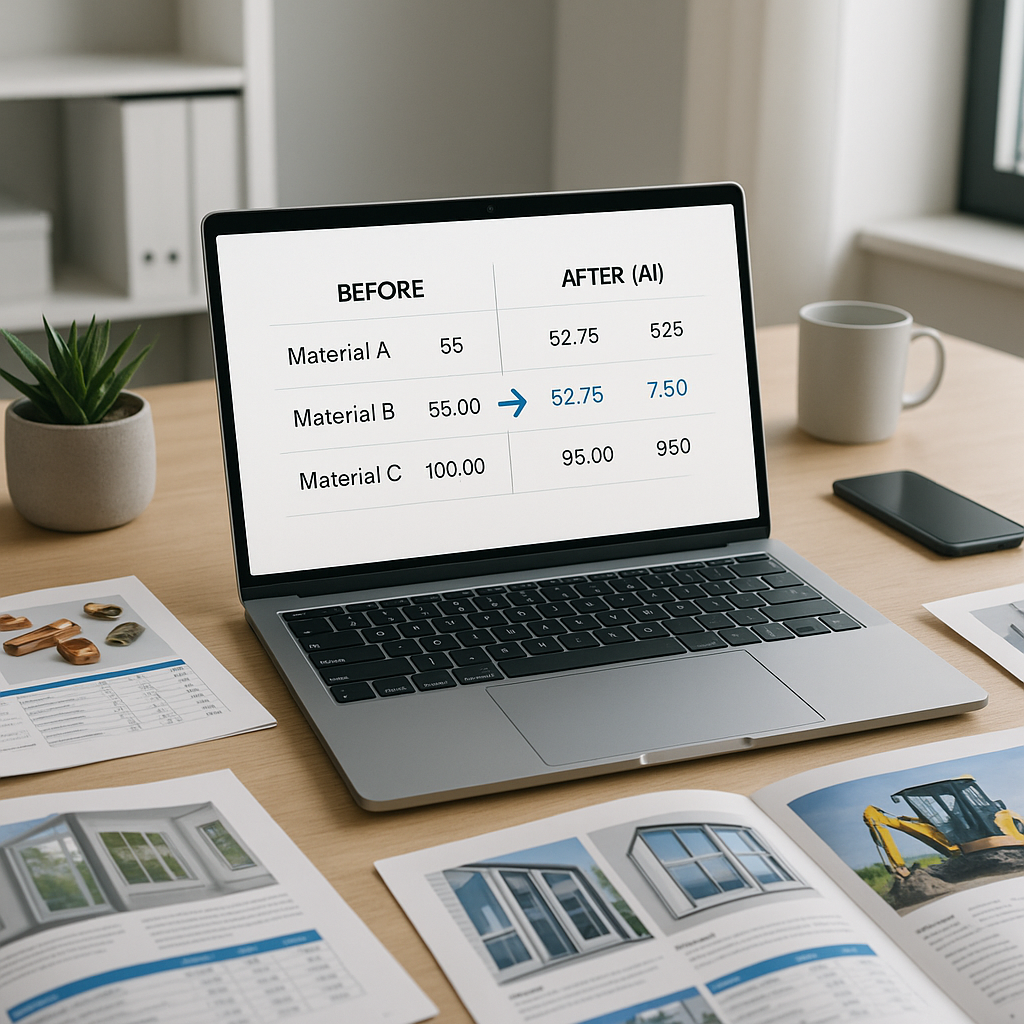
And the accuracy improves over time. AI learns from your feedback. With consistent use, the system becomes better at recognizing the quirks of your specific drawings.
Common Mistakes to Avoid
- Blind Trust in AI: Always review the results, especially on critical quantities. AI is good, but your expertise is still essential.
- Skipping Training: Spend time training your team on the tool. A proper training session upfront can save significant time later.
- Ignoring Low-Confidence Flags: If the system says it’s not sure, double-check it. Those flags are there for a reason.
FAQ
Q: Does this work for all project sizes? A: Yes. AI takeoffs scale from small renovations to large infrastructure projects.
Q: How hard is it to learn? A: Most platforms are user-friendly and designed to minimize the learning curve with proper training.
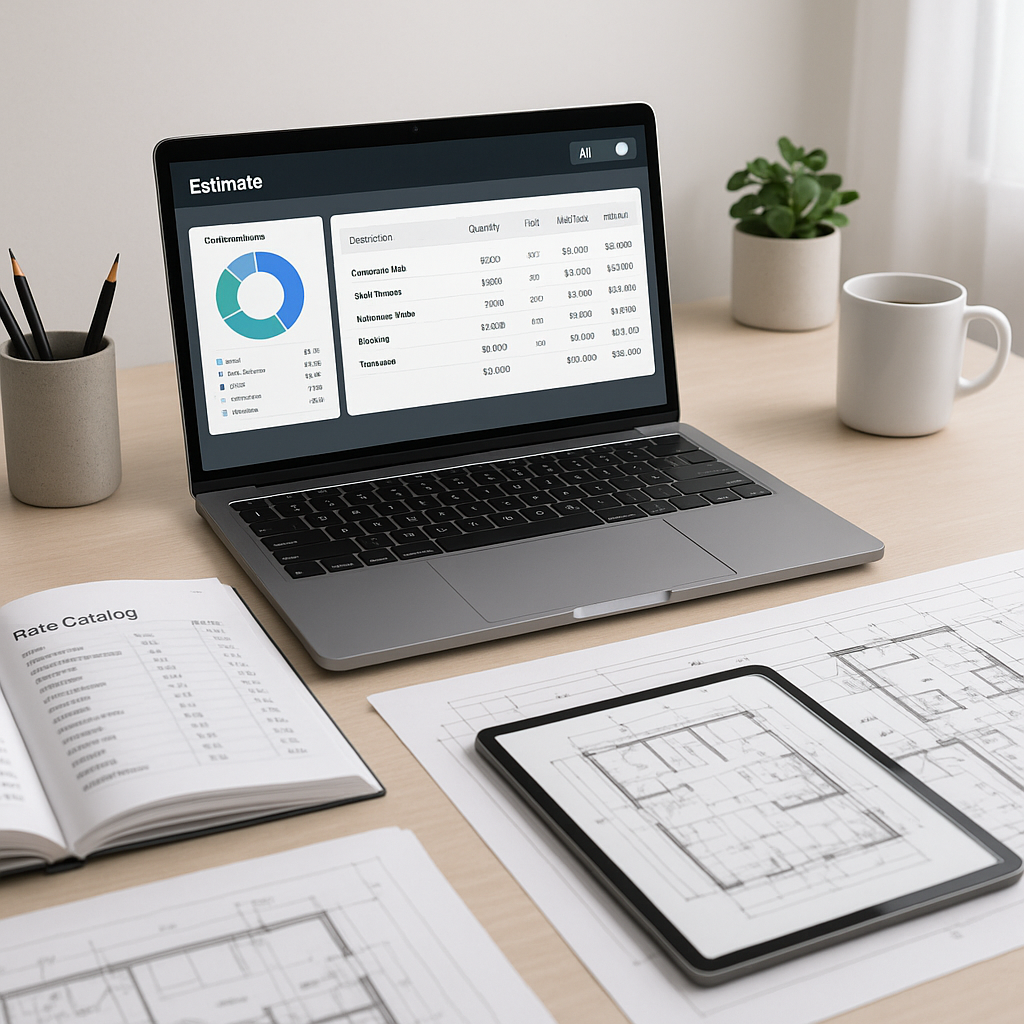
Q: Can I integrate this with other tools? A: Yes. Many tools export data to Excel, Procore, or other estimating systems seamlessly.
The Bottom Line
Manual takeoffs are a time-intensive process that can drain your team’s resources. AI-powered tools streamline this workflow, allowing you to focus on what truly matters—analyzing costs, refining bids, and delivering value to your clients. If you’re ready to explore how AI can transform your preconstruction process, consider trying out an AI-powered estimation tool today.