The Problem: Manual Takeoffs Are a Time Sink
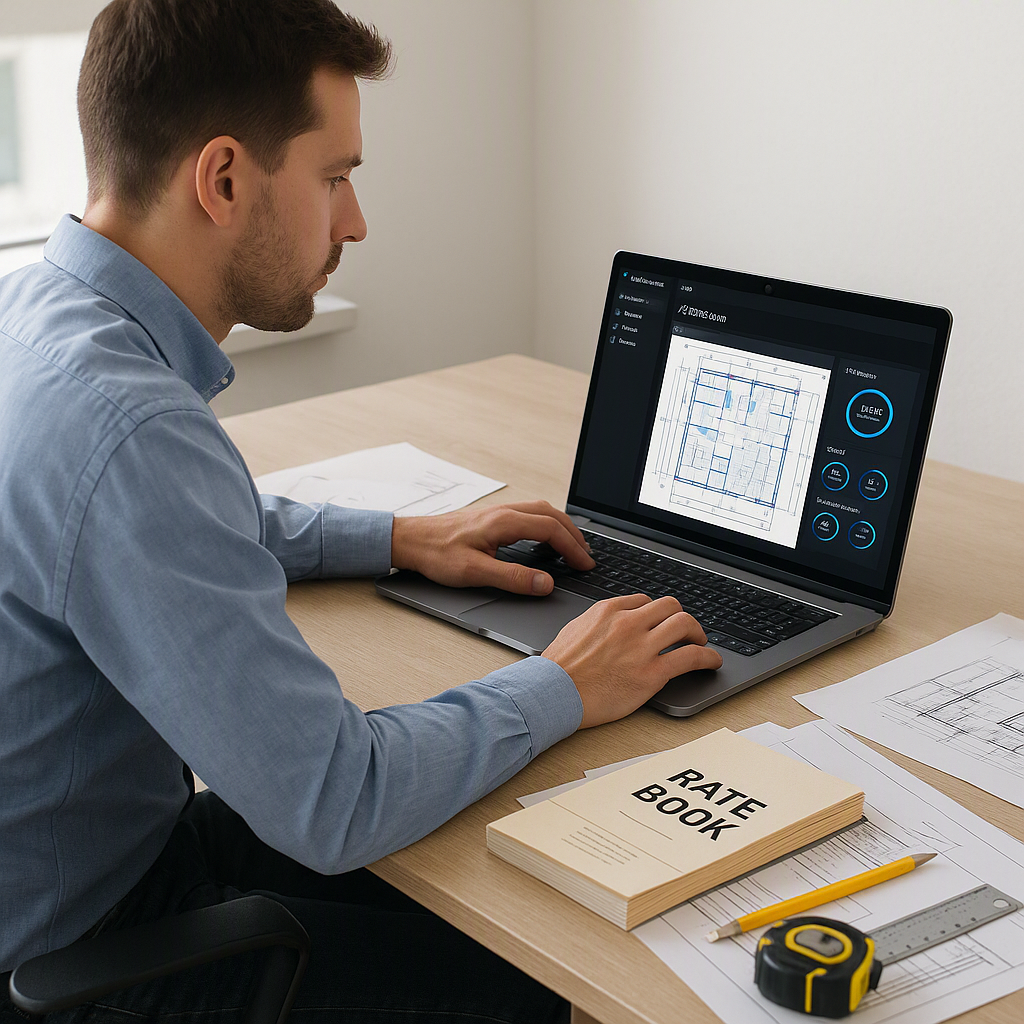
Preconstruction estimation often involves staring at PDFs for extended periods, tracing wall lengths, counting fixtures, and rechecking dimensions. This process can be tedious and time-consuming, requiring significant labor hours before even beginning to price a bid. Manual takeoffs also slow down the overall workflow, limiting the number of projects a team can pursue in a given timeframe. More bids mean more chances to win work, and AI can help change this equation.
The Solution: Vision AI Takeoffs Streamline the Process
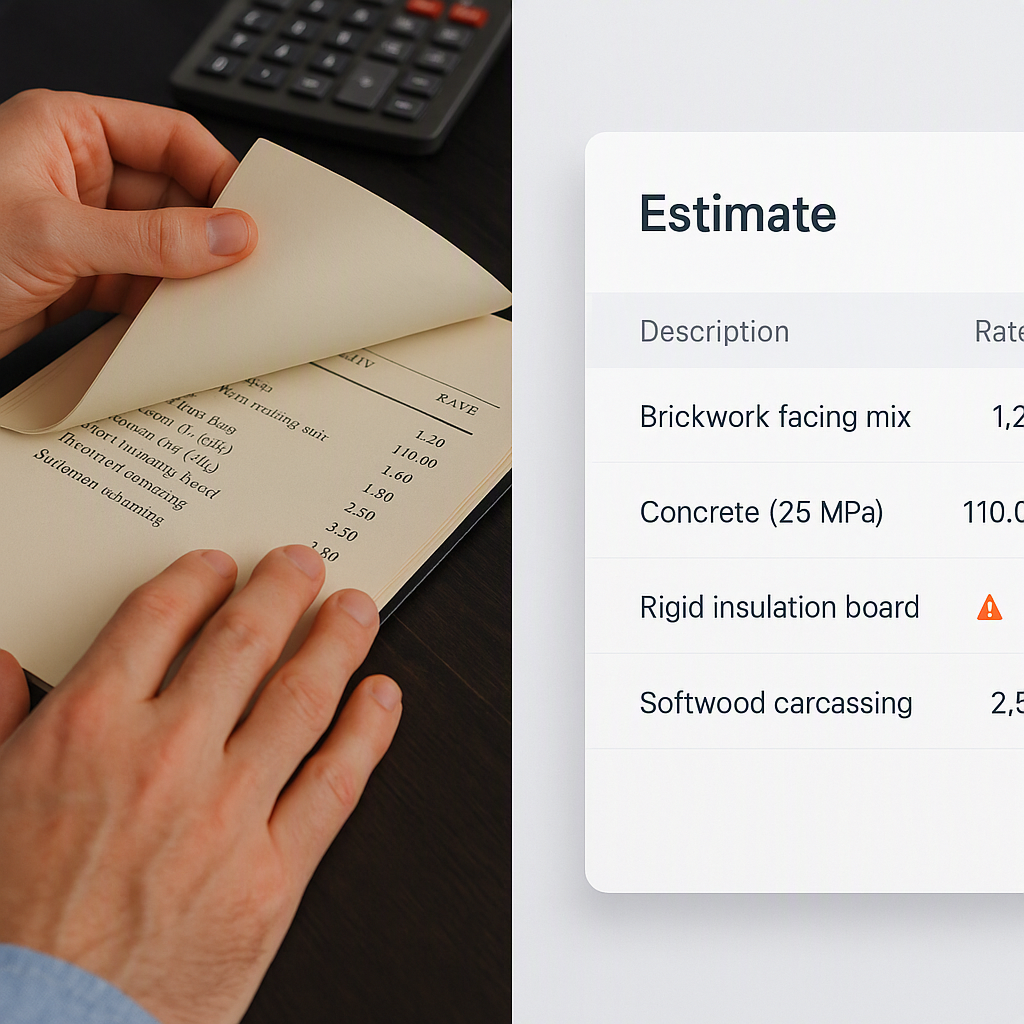
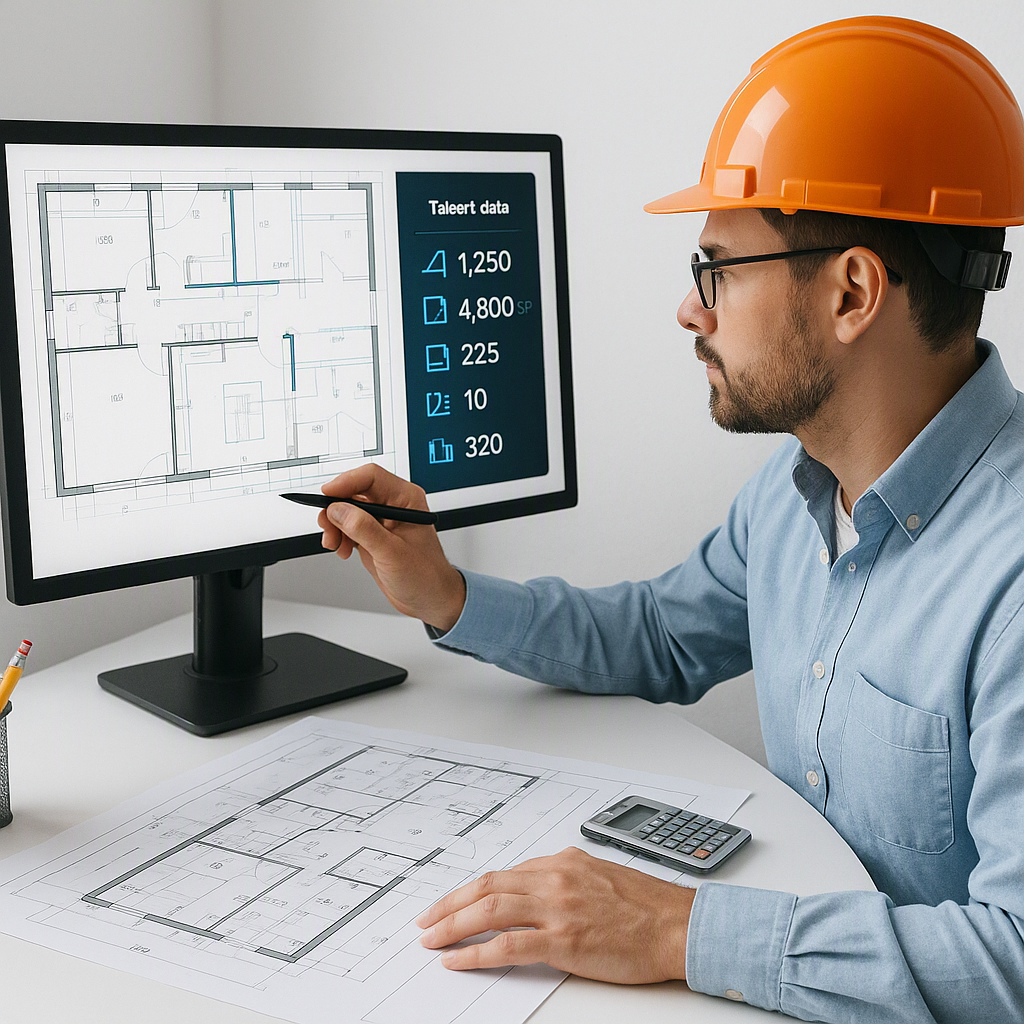
AI-powered tools like Vision AI automate the takeoff process by analyzing drawings and extracting quantities quickly. For example, users can upload a PDF set, and the AI identifies room areas, wall lengths, fixture counts, and other relevant data. It uses machine learning and construction logic to recognize patterns, such as door and window symbols, and calculates counts automatically. Additionally, it flags low-confidence measurements for manual review, ensuring accuracy without replacing human judgment.
Illustrative example — AI takeoff tools can reduce the time spent on manual tasks significantly, freeing up resources for other critical activities like refining pricing, negotiating subcontractor rates, or pursuing more projects.
Why the Old Way Persisted for So Long
The construction industry has traditionally been slow to adopt new technologies. Familiar tools like Bluebeam and Procore have been widely trusted, and there is often skepticism about whether AI can handle the complexities of real-world construction. Concerns about distinguishing between different types of walls or accurately counting fixtures in complex layouts are valid but manageable. AI tools are designed to augment human judgment rather than replace it, handling repetitive tasks while allowing estimators to focus on strategic decisions.
How to Start Using AI Takeoff Tools
If you're considering AI takeoff tools, start with a smaller project to test their capabilities. Compare the results against manual methods to build confidence in the system. Training requirements are typically minimal, and many tools integrate seamlessly with existing workflows, such as Excel, Procore, or Bluebeam.
Common Questions
Q: Are AI takeoffs accurate?
AI takeoffs are designed to be highly accurate, with manual overrides available for edge cases. Some tools flag uncertain measurements for review to ensure precision.
Q: Does AI work for small projects?
Yes, AI scales to any project size, whether it's a small renovation or a large infrastructure bid.
Q: Can AI integrate with my current tools?
Many AI takeoff tools offer API integrations with popular software like Procore, Autodesk Build, and Excel, allowing you to maintain your existing workflow.
What’s Still Uncertain
AI works best with clean input data, such as clear drawings, accurate BOQs, and consistent rate catalogs. If your team struggles with messy inputs, AI may amplify errors rather than resolve them. Human oversight remains essential, especially for complex projects.
The cost of doing nothing is higher. Every hour spent on manual takeoffs is an hour that could be spent on more strategic activities, such as pricing smarter, negotiating better, or pursuing additional work. AI takeoff tools empower estimators to focus on high-value tasks, improving overall efficiency.
Call to Action
If you're ready to streamline your preconstruction estimation process, explore how AI-powered tools like EstimateNext can help. Get started free →