Why Margins Are Under Constant Threat
Margins in construction are thin—really thin. A single claim or dispute can erase weeks of profit. Yet, many contractors still rely on paper records, photo dumps, or old-school spreadsheets to track jobsite progress. That’s risky. If a dispute arises—say the client claims the drywall wasn’t installed per spec—how do you prove what really happened?
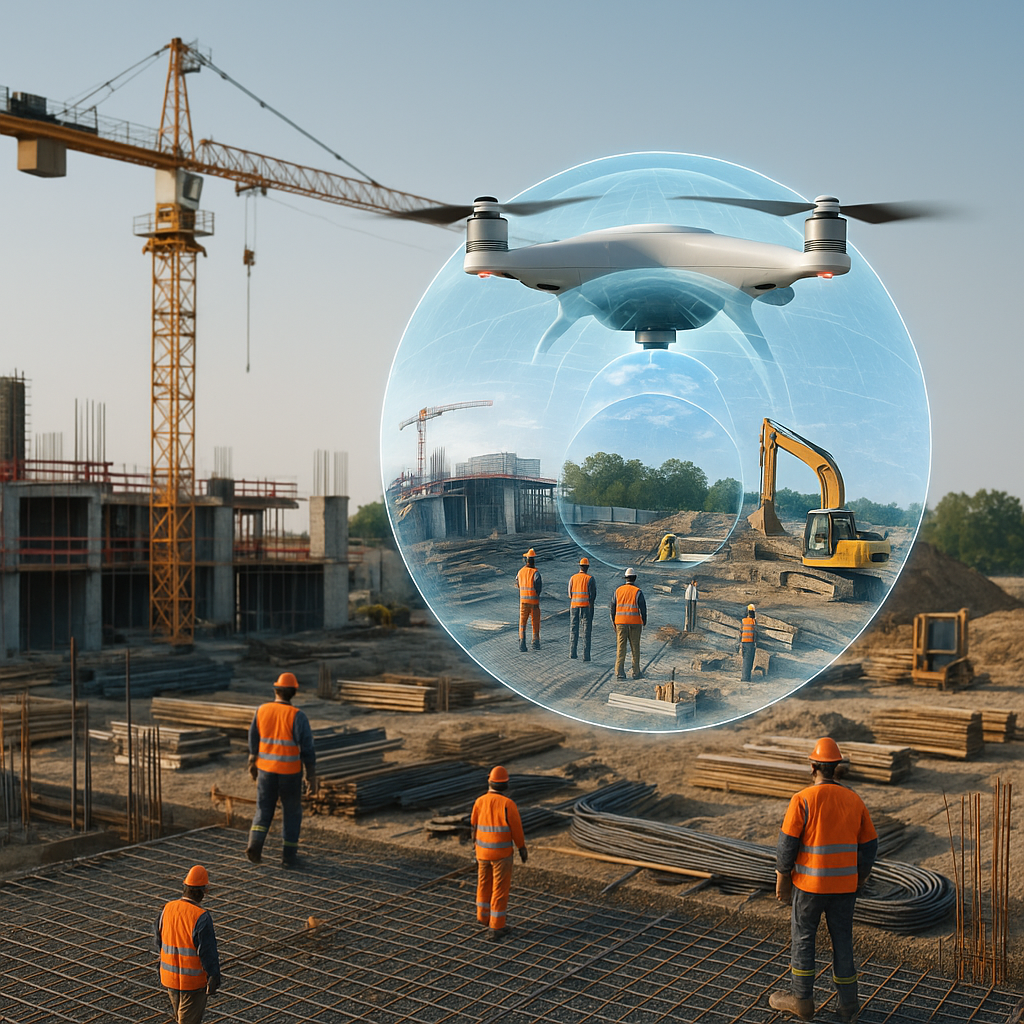
This is where 360-degree reality capture comes in. Think of it as your jobsite’s time machine. By documenting every angle of your site at crucial moments, you can revisit “what happened” anytime. And not just with blurry photos—this is full-scale visual evidence.
What Is 360-Degree Reality Capture?
Reality capture involves using specialized cameras or drones to create a virtual model of your site. Unlike traditional photos or video, 360-degree capture provides immersive views. You can pan, zoom, and measure directly within the model. Some systems even integrate with digital twin technology, creating a real-time mirror of your site.
Illustrative example — A contractor might capture the site daily. If there’s a disagreement about whether the HVAC ducts were installed before the fire-rated walls, they can pull up the exact visual timeline.
How It Protects Margins
Here’s the brutal truth: claims and disputes don’t just cost money in settlements. They eat into productivity. Your team spends hours digging through emails, hunting for old photos, or trying to remember who said what in that meeting two months ago.
Reality capture makes disputes faster to resolve—or prevents them altogether. If the client questions whether a milestone was hit, you show them the visual proof. No arguing. No endless back-and-forth.
But it’s not just about disputes. Reality capture also helps with:
- Progress Tracking: Validate work completed for billing milestones.
- Change Orders: Document site conditions before and after scope changes.
- Safety Compliance: Verify temporary structures or barriers were installed correctly.
Integrating Reality Capture with Estimation Tools
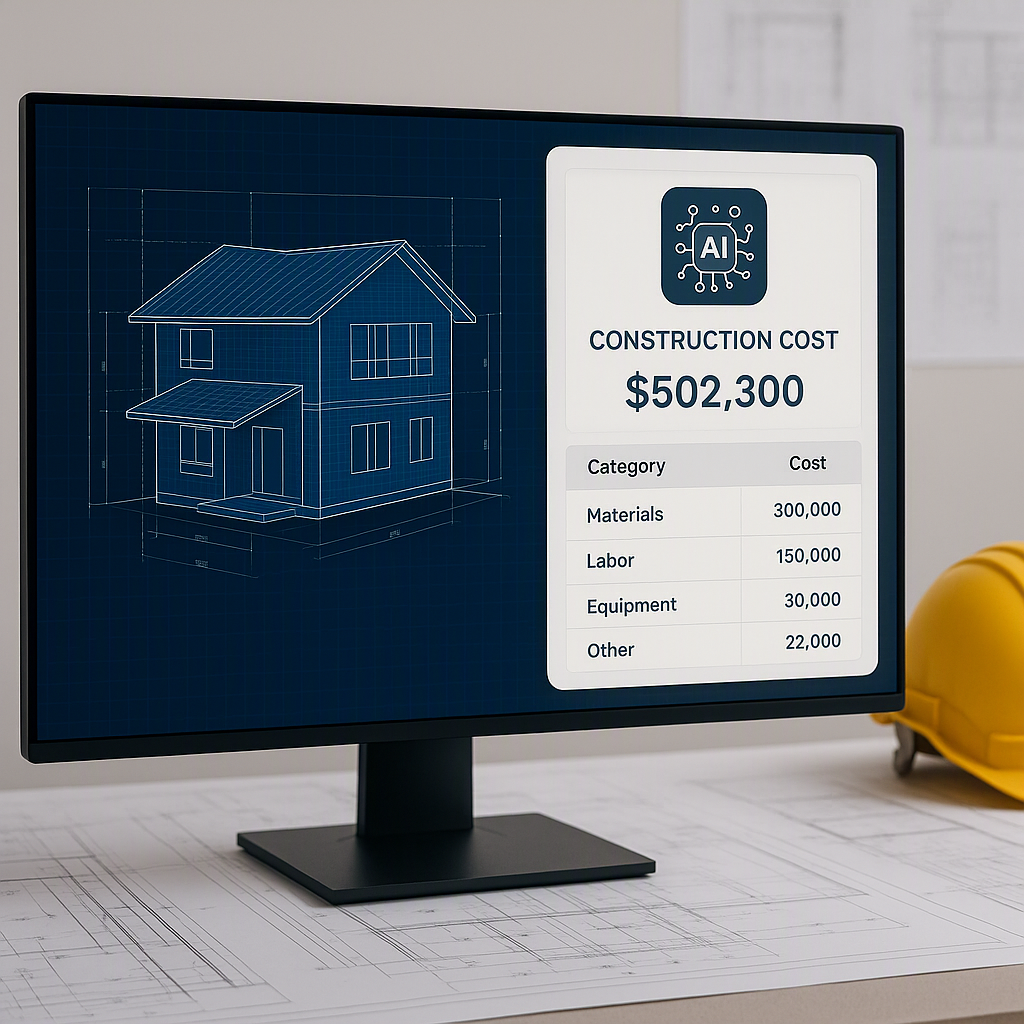
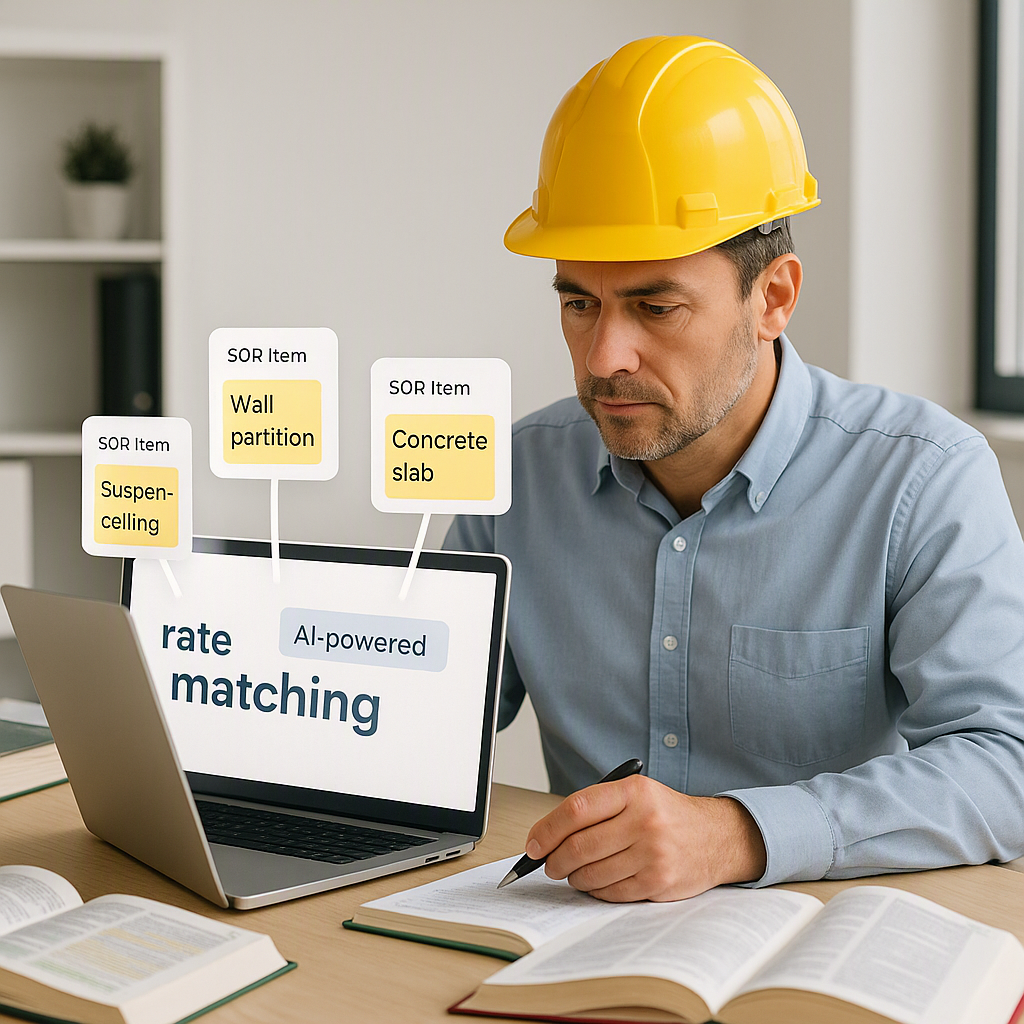
This is where tools like EstimateNext come into play. Let’s say you’re pricing a large fit-out project. Scope changes are inevitable, and every change impacts your margins. EstimateNext allows you to upload BOQs and match rates instantly—but what happens when the client requests additional FF&E items halfway through?
Combine EstimateNext’s estimation engine with 360-degree capture. Here’s how:
- Document the Before State: Use reality capture to visually document the site before FF&E installation.
- Estimate Cost Impact: Plug the new scope into EstimateNext and calculate the revised budget.
- Audit Trail: When the client approves the change, you’ve got both the visual and cost documentation ready.
This pairing isn’t just convenient—it’s protective. Every change gets tracked and priced accurately, reducing the risk of “he said, she said” claims.
Real Challenges and Missteps
Reality capture isn’t foolproof. Here’s where contractors sometimes trip up:
-
Inconsistent Capture: Sporadic documentation won’t help you. If you skip capturing a critical phase, you lose evidence.
-
Low-Quality Equipment: Poor-quality cameras produce grainy, unusable data. Invest in the right tools.
-
Data Overload: Capturing everything without organizing it creates chaos. Use platforms that index your captures by date and location.
Common Mistakes to Avoid
-
Skipping Documentation During Rush Periods: It’s tempting to bypass reality capture when schedules are tight. Don’t.
-
Not Training Your Team: A tool is only as good as its user. Make sure your site managers know how to capture and organize data.
-
Ignoring Long-Term Storage: Keep your captures accessible for years—not just until the project closes.
Call to Action
If you’re tired of disputes draining your margins, it’s time to rethink your approach. EstimateNext combines AI-powered estimation with tools that integrate seamlessly into your workflow. Start your free trial today →