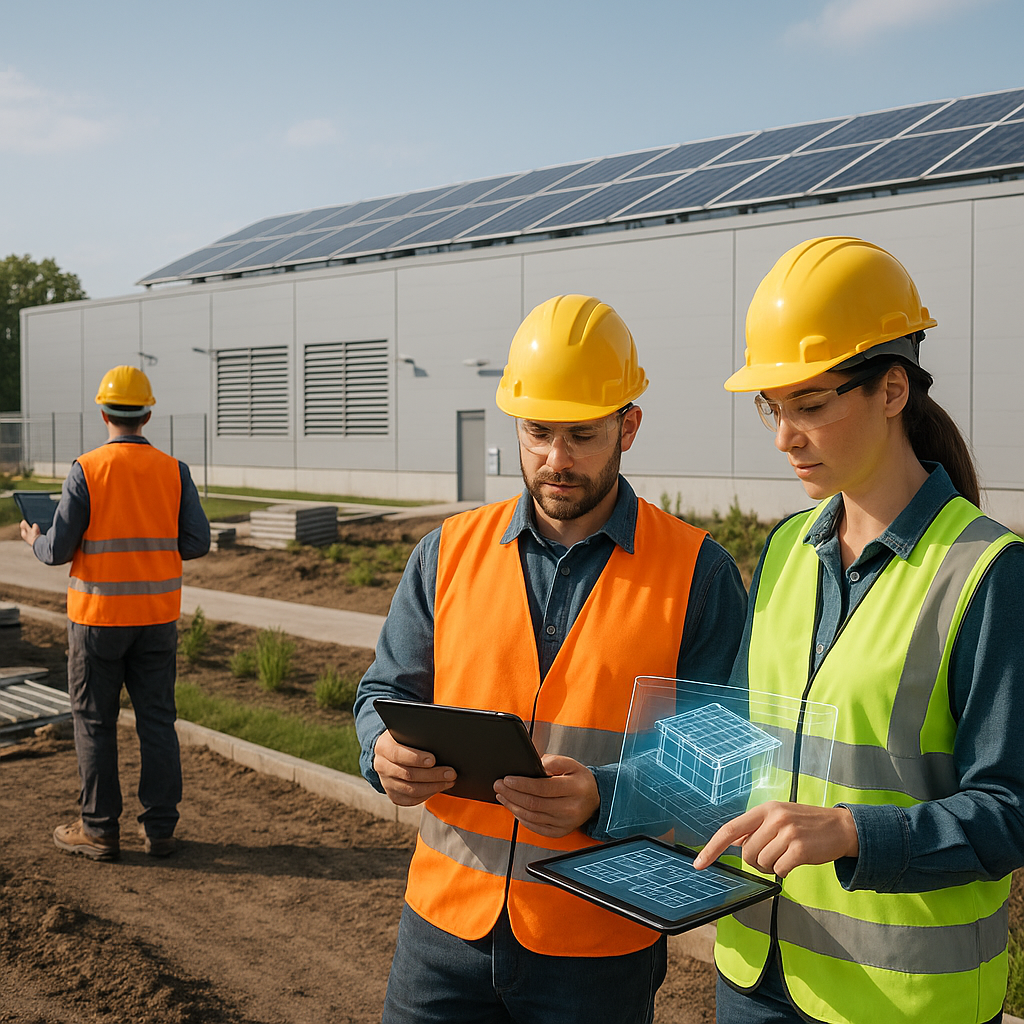
Data Center Construction Is a Complex Challenge
Data centers aren’t your average construction project. While they may look like simple boxy buildings from the outside, their interiors are highly complex, housing intricate HVAC systems, redundant power grids, fire suppression setups, and systems designed for constant uptime. The focus is on precision and functionality rather than aesthetics.
The scale of these projects can be enormous. Hyperscale facilities built by major tech companies can span millions of square feet, while even mid-sized data centers require significant resources. According to JLL’s report, data centers are expected to drive a significant portion of tech construction growth in the coming years.
The Public Opposition Problem
As data centers proliferate, they are increasingly facing public resistance. Communities often express concerns about energy consumption, water usage, and the environmental impact of these projects. For instance, protests in Ireland over the environmental effects of new data centers have been reported by Reuters.
This opposition can delay permitting processes and push developers to adopt more sustainable practices. Strategies such as using recycled materials, designing energy-efficient systems, and implementing water conservation measures are becoming essential. These changes also introduce additional costs, requiring general contractors to carefully balance compliance with community expectations and budget constraints.
Workforce Gaps Are a Growing Concern
Another significant challenge is the shortage of skilled labor. Data center construction requires specialized trades such as HVAC technicians and electricians, but these trades are often in short supply. According to BLS, the demand for skilled electrical workers is projected to outpace supply in the near future.
To address this, some companies are investing in workforce training programs, including apprenticeships and upskilling initiatives. While these efforts are crucial for building a skilled labor pipeline, they take time to yield results, and project deadlines often remain tight.
Preconstruction Bottlenecks
Even with labor and permitting challenges addressed, preconstruction remains a significant bottleneck. Preparing bids for data center projects can be particularly demanding, with Bill of Quantities (BOQs) often stretching to thousands of lines and frequent scope changes adding complexity.
Illustrative example — A general contractor working on a data center bid might spend extensive hours manually leveling subcontractor bids or updating BOQs to reflect design changes. These tasks are time-consuming and prone to error, especially under tight deadlines.
How Technology Can Help
Technology, particularly AI-powered tools, is increasingly being used to streamline preconstruction processes. For example, AI can assist with sub bid leveling by automating the comparison of subcontractor quotes, identifying scope mismatches, and normalizing exclusions. This reduces the time and effort required for manual bid leveling.
AI tools can also extract quantities from drawings and PDFs, significantly speeding up the takeoff process. Additionally, they can suggest material alternatives and calculate lifecycle costs for energy-efficient systems, helping contractors meet sustainability goals without exceeding budgets.
Common Mistakes in Data Center Bids
- Ignoring sustainability requirements: Failing to account for green building demands can result in losing bids.
- Underestimating scope creep: Data center projects often face frequent design changes. Building flexibility into estimates is critical.
- Over-relying on gut feel: Structured decision-making tools can improve bid/no-bid decisions.
Conclusion
Data center construction presents unique challenges, from public opposition and workforce shortages to complex preconstruction demands. By adopting sustainable practices and leveraging technology, contractors can navigate these challenges more effectively, delivering competitive bids and successful projects.


