Lessons on Resilience in Construction: Insights from a Gilbane Exec
Resilience in construction is more than just a buzzword. It’s about grit, adaptability, and knowing when to pivot. Sue Bhattacharjee, Preconstruction Director at Gilbane Building Company, shared insights on how her team navigates challenges like subcontractor disputes and last-minute design changes.
The Terrazzo Joint Challenge
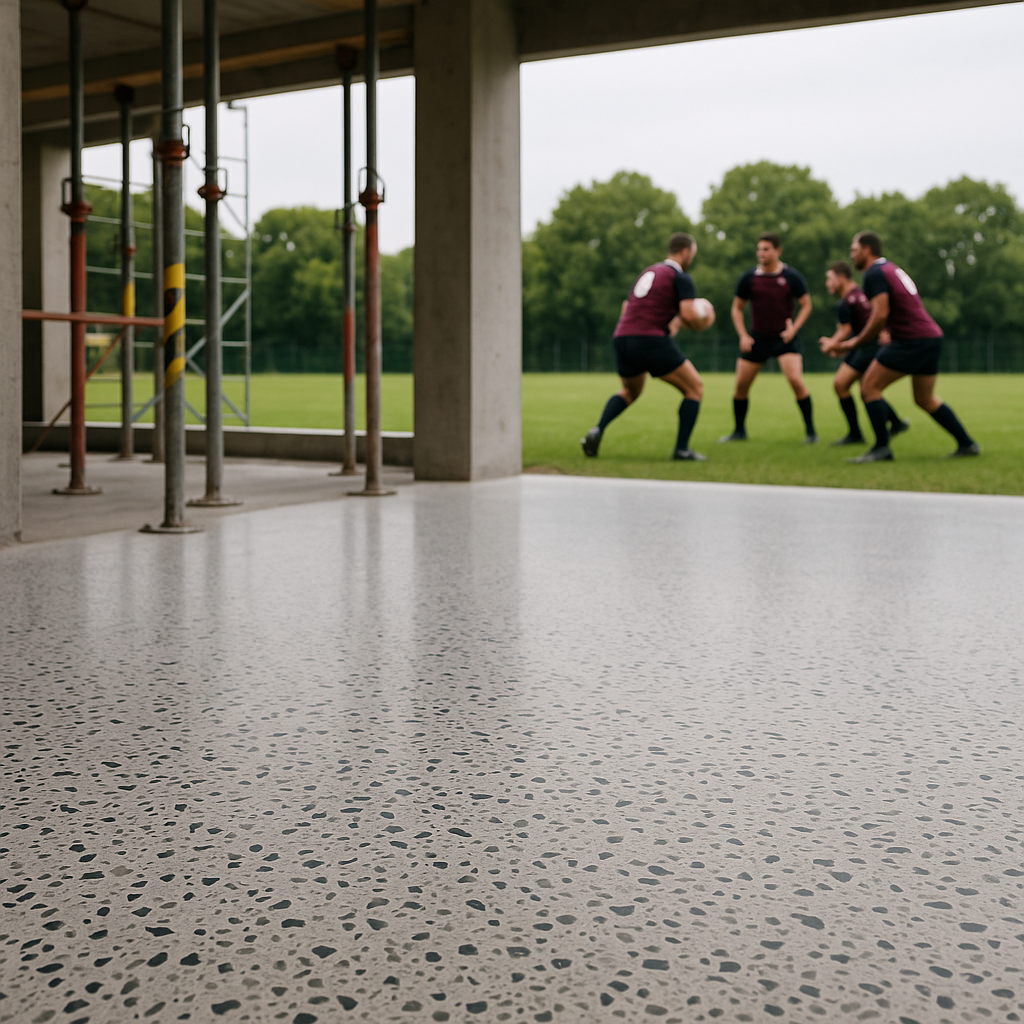
In one project, terrazzo flooring was specified for a main lobby. However, the expansion joints hadn’t been properly accounted for, risking cracks under thermal stress. Fixing this required redesigning a large section of the flooring, which delayed the project. The team faced a choice: patch the design quickly or rework it properly. They chose the latter, preserving the project’s integrity and avoiding costly repairs later.
Rugby and Leadership
Sue likened the situation to a rugby match. In rugby, resilience isn’t about brute strength; it’s about reading the field, adapting to plays, and knowing when to pass the ball. Similarly, construction leadership requires regrouping, rethinking, and re-strategizing when challenges arise.
The Role of Technology in Construction
Resilience doesn’t mean doing everything manually. When her team faced the terrazzo issue, they spent significant time recalculating costs and revising work schedules. Manual processes like flipping through rate books and rebuilding spreadsheets consumed valuable hours.
This is where smarter tools can make a difference. Platforms like EstimateNext can automate repetitive tasks, such as:
- Rate Lookup: AI-powered tools can quickly match rates for items, saving time compared to manual searches.
- Sub Bid Leveling: Automating the normalization of subcontractor quotes can streamline decision-making.
- What-If Scenarios: Tools that handle real-time updates to project specifications can reduce manual rework and ensure consistency.
While tools enhance efficiency, human judgment and experience remain critical in navigating complex challenges.
Practical Takeaways for Resilience
Here are some key lessons:
- Don’t Cut Corners: Short-term fixes often lead to long-term problems. Prioritize quality in every aspect of the project.
- Use the Right Tools: Manual processes can slow down progress. Invest in technology that allows your team to focus on strategic work.
- Adapt Like Rugby Players: Anticipate problems, read the situation, and pivot when necessary.
Final Thoughts
Resilience in construction isn’t just about toughing it out. It’s about working smarter, not harder. Sue’s terrazzo joint story highlights the importance of combining experience with the right tools to stay agile. If you’re dealing with delays, rework, or manual processes, exploring smarter solutions can help lighten the load.
Learn more → EstimateNext


