The Tariff Storm’s Silver Lining: Why Preconstruction Is Now a Strategic Asset
Construction is no stranger to volatility. But the tariff storm of the past few years? That hit harder than most. Steel prices shot up 24% in two years (Reuters), lumber became a rollercoaster, and contractors faced a brutal choice: absorb the costs or pass them on and risk losing bids.
You’d think chaos like this would cripple preconstruction teams. Instead, the smartest ones gained an edge. They turned preconstruction into a strategic weapon, using AI-powered tools to stay ahead. Let’s break it down.
The Material Cost Crisis
When the U.S. imposed tariffs on imported steel and aluminum, it wasn’t just big infrastructure projects that felt the pain. Even small general contractors (GCs) bidding on $1M school retrofits faced wild swings in material quotes. A steel subcontractor might quote $1,200/ton today, then $1,500/ton next week. How do you even price a bid when your inputs are this unpredictable?
Here’s the hard truth: most contractors didn’t. They guessed. Some padded bids by 20% to cover any surprises—only to lose projects to leaner competitors. Others underbid, landed the job, and ended up eating the cost overruns. Neither approach is sustainable.
But a few firms took a different route: they leaned into better preconstruction practices. Specifically, they used dynamic rate analysis to track real-time material costs and adjust bids accordingly. And this is where tools like EstimateNext became game-changers.
Real-World Example: How Material Volatility Impacts Margins
Take the case of a contractor bidding on a $2M warehouse project that requires 200 tons of structural steel. In 2022, the contractor budgeted steel at $1,300/ton, but tariffs pushed the price to $1,700/ton within weeks of signing the contract. This $80,000 overrun wiped out their expected profit margin of 4%. With dynamic rate tracking, they could have adjusted their bid in real time and avoided this loss.
Dynamic Rate Analysis: The Hidden Advantage
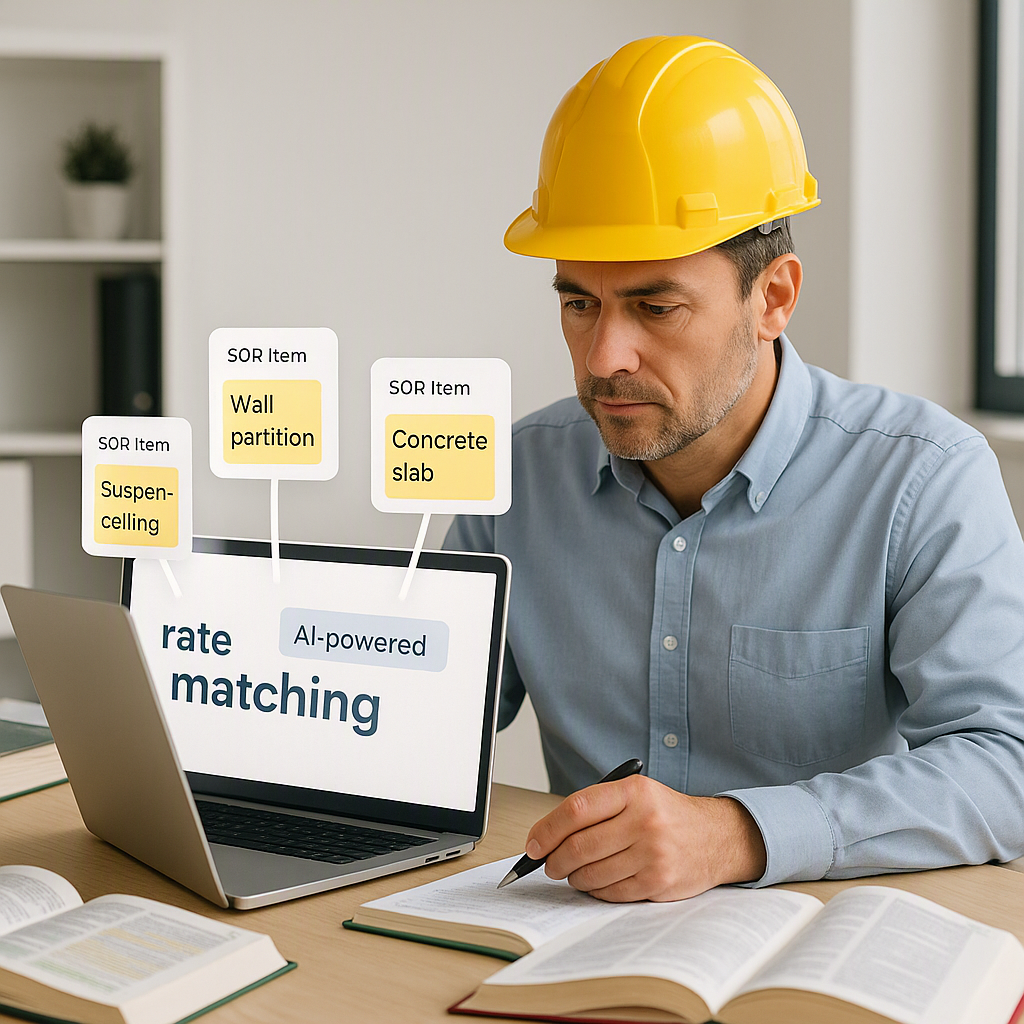
Let’s get specific. Imagine you’re bidding on a $5M commercial office build. The Bill of Quantities (BOQ) includes 120 tons of structural steel. Two years ago, you’d open an RSMeans book, grab the steel rate from page 542, and call it a day. But what happens when that rate is six months out of date? Or doesn’t reflect the 14% tariff hike that landed yesterday?
How Dynamic Rate Tools Work
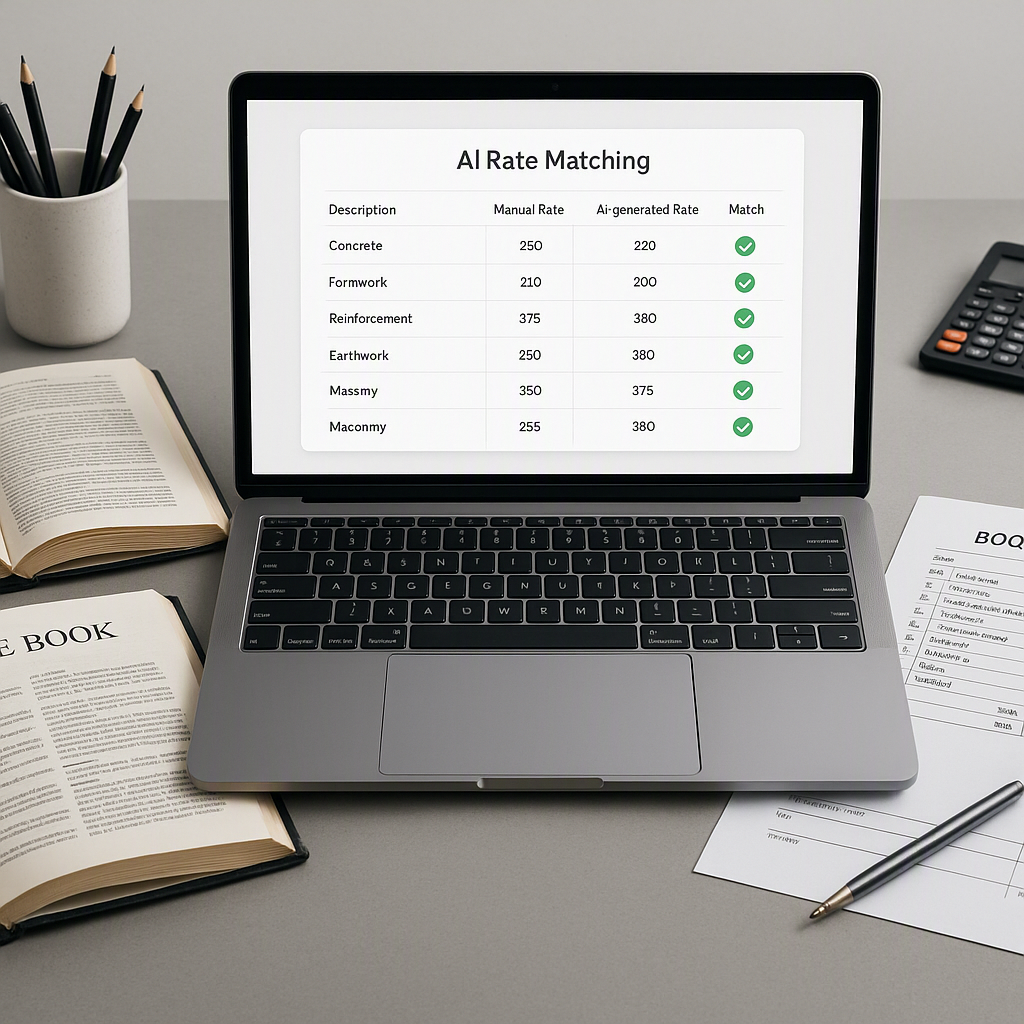
Dynamic rate analysis tools like EstimateNext pull data from live feeds—whether it’s state DOT databases, city cost indices, or vendor quotes uploaded as PDFs. The system flags anomalies (e.g., sudden jumps in steel or aluminum prices) and suggests alternatives, such as substituting materials or adjusting labor factors. This means contractors aren’t pricing bids blindly—they’re building estimates based on current, accurate data.
Case Study: A Major Civil Contractor vs. Volatility
A standout example is a large civil contractor that used AI tools during a roughly $500M regional floodwater project. With material costs fluctuating due to tariffs, they leveraged dynamic rate analysis to recalibrate pricing in real time. The result? They avoided mispricing risks entirely and secured the bid without sacrificing profitability (EstimateNext).
What-If Scenarios: From Guesswork to Precision
Tariffs don’t just affect today’s projects—they mess with tomorrow’s forecasts too. What if steel tariffs rise another 10%? What if lumber drops back to pre-pandemic levels? Traditional Excel workflows crumble under these “what-if” questions. Change one rate and you’re rebuilding formulas across 20 tabs.
Why AI-Driven Scenario Tools Matter
AI-driven systems handle these questions in real time. Change a single rate, and the platform updates the entire BOQ instantly—complete with a traceable audit trail. For example, a contractor responding to 10 bids a month can test five scenarios per bid in under an hour. This level of precision allows firms to:
- Lock in profitable margins while preparing for market volatility.
- Present owners with multiple pricing options based on different material availability scenarios.
- Reduce the risk of project delays stemming from unforeseen cost hikes.
Practical Application
Let’s say a lumber supplier warns you that prices may drop by 15% over the next quarter. Using a what-if scenario tool, you can adjust your bid to reflect potential savings, making you more competitive while still protecting margins if prices don’t drop as expected.
Why Speed Became Non-Negotiable
Let’s address the elephant in the room: speed. In 2023, McKinsey found that construction firms with faster preconstruction processes won 30% more bids (McKinsey report). Why? Because owners don’t wait. If it takes you three days to price a bid while your competitor does it in three hours, you’re out of the running.
How AI Tools Deliver Speed
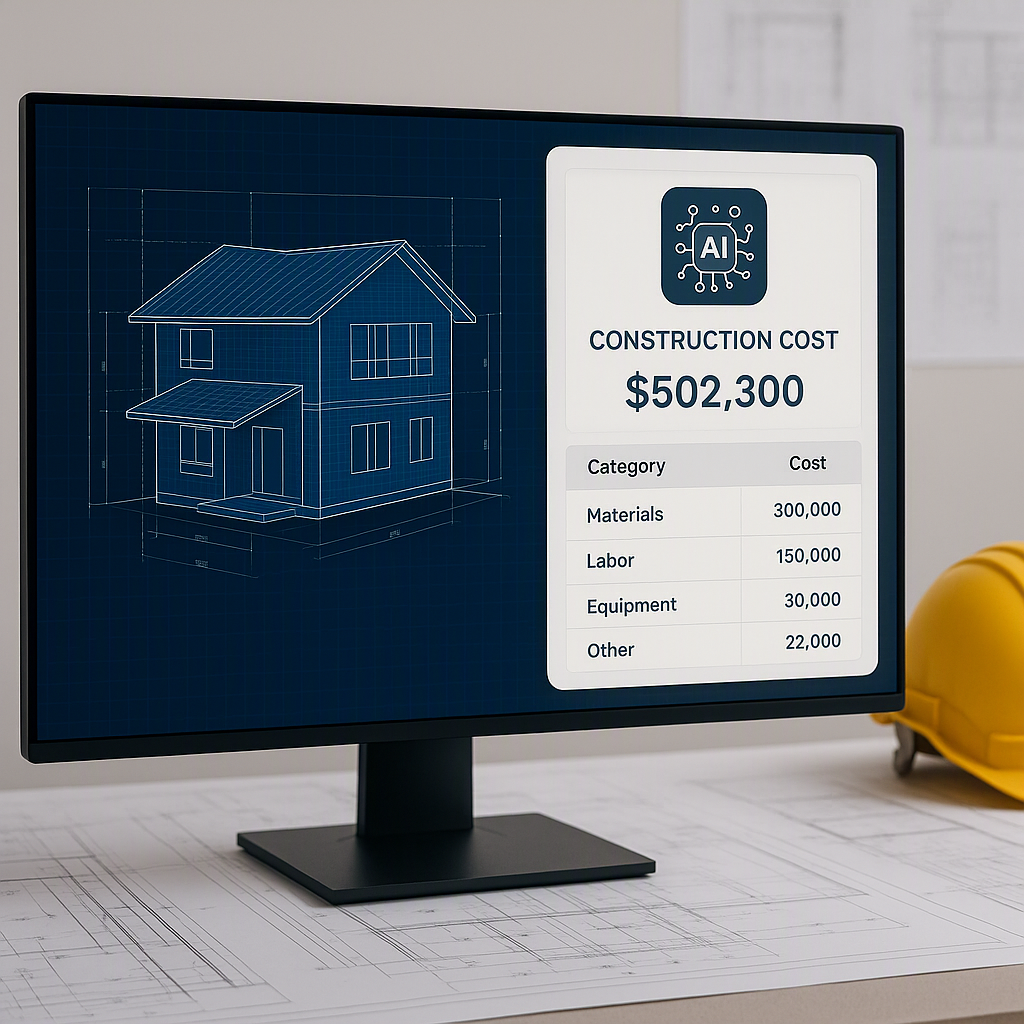
AI tools like EstimateNext’s Vision AI slash takeoff times from 40 hours to 10 minutes. Upload a drawing set, and the system extracts quantities—room areas, wall lengths, fixture counts—in minutes. That means your team spends less time tracing PDFs and more time refining strategy. It’s a 10X productivity boost that directly impacts your bottom line.
Example: Bid Turnaround Time
Imagine two firms bidding on the same $4M office renovation. Firm A uses traditional takeoff methods and submits their bid in three days. Firm B uses AI-powered tools and submits in three hours. Firm B’s speed allows them to not only respond faster but also tweak proposals based on owner feedback before Firm A even submits.
Turning Chaos Into Strategy
Here’s the big takeaway: tariffs exposed the fragility of old-school preconstruction. But they also forced the industry to evolve. Firms that invested in smarter tools and processes didn’t just survive—they thrived. They used dynamic rate analysis to stay competitive, AI takeoff tools to save time, and real-time what-if scenarios to lock in profitable margins.
Preconstruction isn’t just a cost center anymore. It’s a strategic asset. And in my view, the firms that treat it that way will dominate the next decade.
FAQ: Common Questions About Modern Preconstruction
1. How much does AI-powered preconstruction software cost?
Costs for AI-powered tools vary widely based on the platform and features. Entry-level systems may start at $500/month, while enterprise solutions can exceed $5,000/month. However, the ROI usually justifies the expense, as faster bids and fewer cost overruns translate directly to higher profits.
2. Can smaller firms afford these tools?
Absolutely. Many platforms offer scalable pricing tiers, making them accessible to firms of all sizes. For example, EstimateNext offers free trials and pay-as-you-go models, allowing small firms to test the waters without committing to large up-front costs.
3. How do AI tools handle inaccurate supplier quotes?
Most systems flag anomalies in supplier quotes automatically. For example, if a vendor submits a steel price that’s 20% higher than market averages, the tool will alert your team, allowing you to investigate or negotiate before including it in your bid.
4. Are AI tools hard to learn?
Not at all. Most platforms are designed with contractors in mind, offering intuitive dashboards and guided tutorials. Teams typically get up to speed within days, not weeks.
5. What’s the biggest risk of not adopting these tools?
The biggest risk is falling behind competitors who are faster and more accurate. In a world where bids are won or lost in hours, relying on outdated processes can cost you both projects and profitability.
Decision Framework: Is AI-Powered Preconstruction Right for You?
| Question | Yes | No |
|---|---|---|
| Do you struggle with fluctuating material costs? | AI tools provide real-time updates and dynamic rate analysis. | Continue relying on static pricing methods, but risk mispricing bids. |
| Is your bid turnaround slow compared to competitors? | AI can reduce takeoff time by 90%, boosting productivity. | Stick with manual methods, but risk losing bids due to delays. |
| Do you want to test multiple scenarios quickly? | AI allows you to model "what-if" scenarios in minutes. | Continue using Excel, but face slow updates and higher error rates. |
| Are you losing bids to leaner competitors? | AI tools help you refine margins and stay competitive. | Keep guessing on bids, but risk overpricing or underpricing. |
Ready to Future-Proof Your Preconstruction?
If you're tired of guessing on material costs or losing bids to faster competitors, EstimateNext can help. From dynamic rate analysis to AI-driven takeoffs, we make preconstruction your strongest advantage. Get started free →