The Brutal Math of Manual Takeoffs
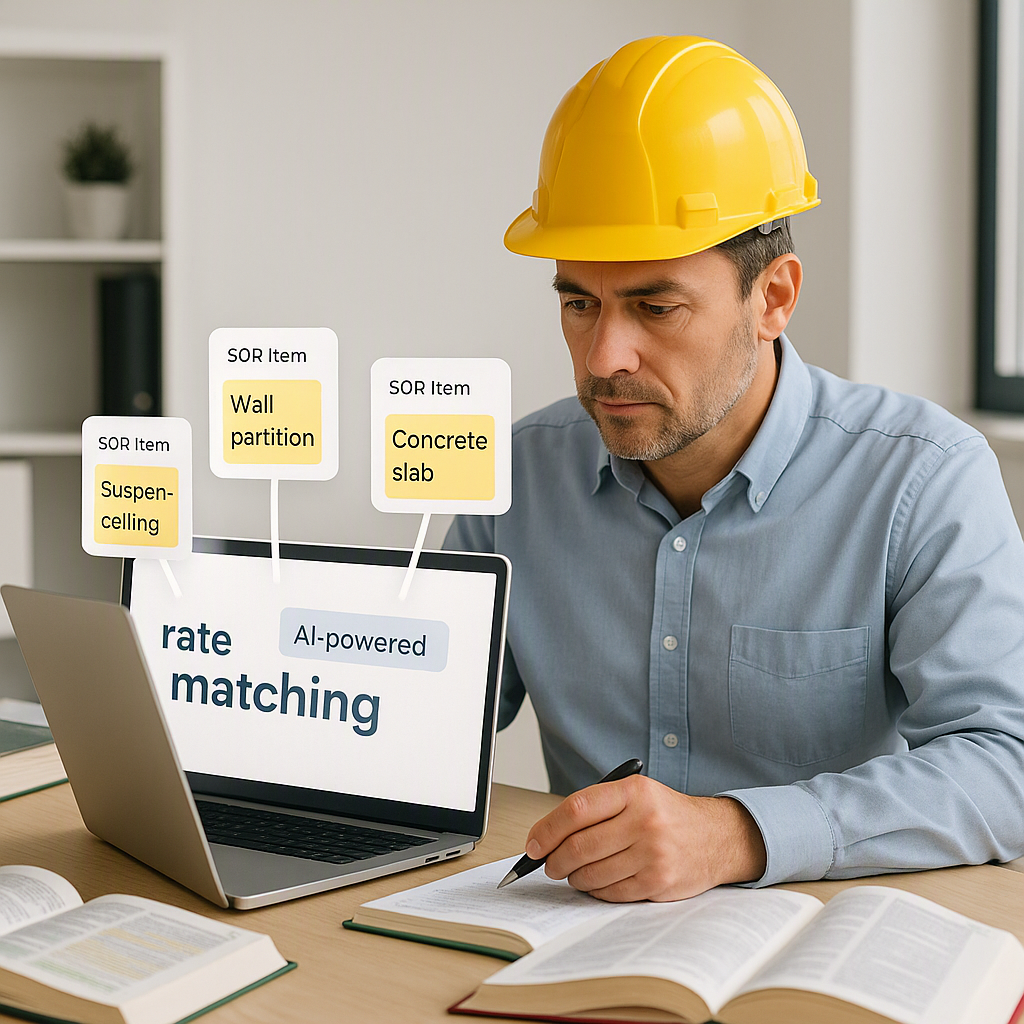
Let’s talk numbers. A standard manual takeoff for a mid-sized commercial project takes two estimators about 40 hours. At $130/hour (a common rate for GC estimators), that’s $5,200 per bid. And that doesn’t include hidden costs, like errors creeping in from fatigue or rushed revisions.
AI takeoff software promises to cut that to 10 minutes. That’s not just faster—it’s a seismic shift. But does it deliver? If you’ve ever browsed Reddit threads about AI takeoff tools, you’ll know the community is split. Some swear by the time savings. Others complain about accuracy, integration headaches, or steep learning curves.
So, what’s the reality? Let’s break it down.
What Works: Speed and Scalability
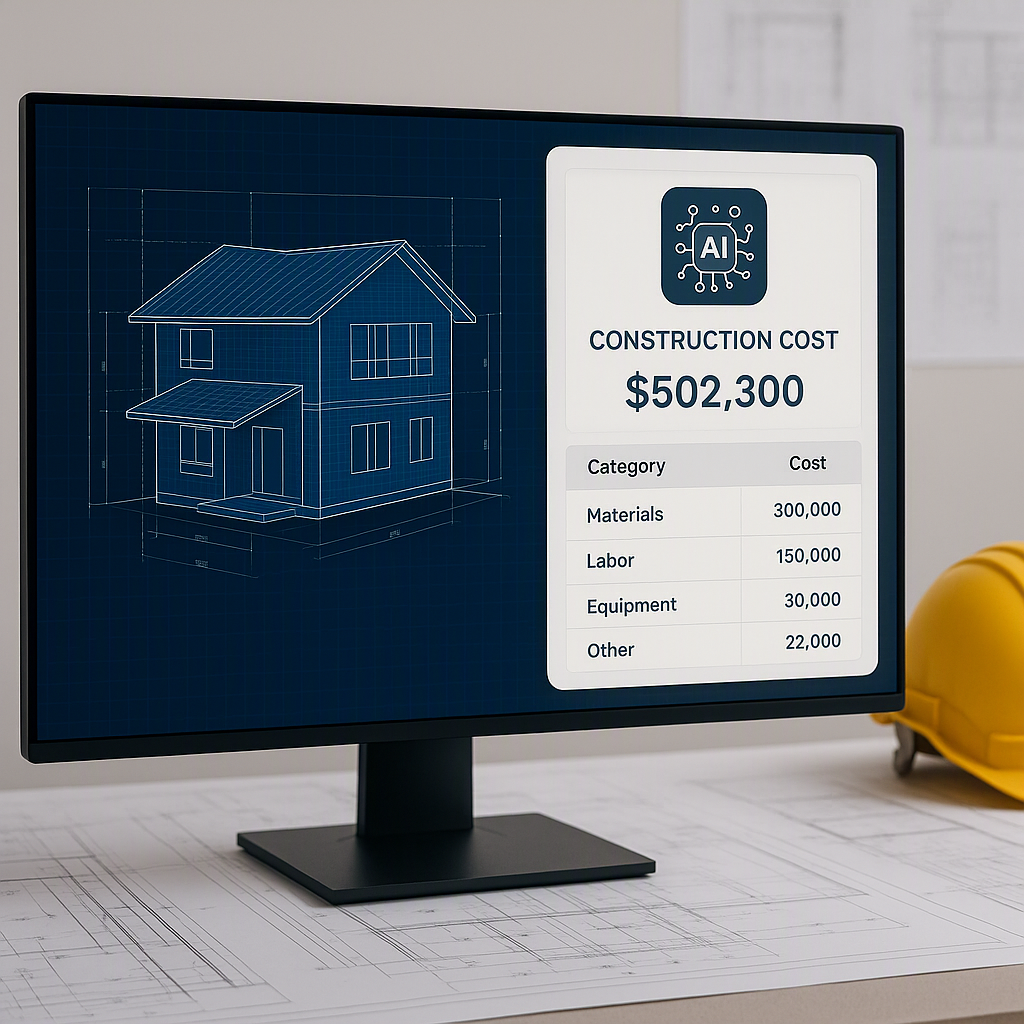
The biggest win with AI-powered takeoff tools is time. Platforms like EstimateNext extract quantities from PDF drawings in minutes, not days. That’s because the AI can measure room areas, wall lengths, door counts, and more directly from the file—no manual tracing required.
Case Study: Warehouse Bid
One Reddit user shared their experience using AI for a 200,000-square-foot warehouse bid. The tool completed the takeoff in under 15 minutes. Compare that to the 40 hours they previously spent. That’s a $5,000 savings right there—not to mention the freed-up time for other bids or project management tasks.
Concrete Example: Residential Construction
For smaller-scale projects, like a 3,000-square-foot custom home, the math still adds up. A manual takeoff might take a single estimator 10 hours, costing $1,300. Using AI, the same takeoff could be completed in under 5 minutes, reducing the labor cost to nearly zero.
And scalability? It’s a game-changer. Need to bid on three projects simultaneously? With AI, you don’t need to hire more estimators or pull team members from other tasks. The system scales effortlessly—whether you’re handling one bid or ten.
What Doesn’t Work: Accuracy and Edge Cases
Here’s where things get messy. AI isn’t perfect. Most tools rely on machine learning models trained on thousands of previous projects. That means they’re great for standard layouts and common SOR items—but they can stumble on custom or highly complex designs.
Real-World Example: Mezzanine Misclassification
A Reddit thread from r/ConstructionManagement highlighted this with a real-world example. A contractor using AI takeoff software found that the tool misclassified mezzanine areas as ground floor, leading to a 15% error in their bid. Fixing it required manual rework, negating much of the time saved.
Data Point: Industry Accuracy Rates
Industry estimates suggest that AI takeoff tools achieve around 90-95% accuracy on standard projects. For comparison, manual takeoffs typically hover around 95-98% accuracy when performed by experienced estimators. That small difference can be significant for high-stakes bids.
Actionable Steps to Improve Accuracy
- Double-Check Complex Areas: Use manual overrides for non-standard designs, like mezzanines or irregular layouts.
- Train the AI: Most tools allow you to accept or reject suggestions, which helps refine accuracy over time.
- Combine AI with Human Review: A hybrid approach ensures major errors are caught before bids are submitted.
The Integration Problem
Another common pain point is integration. Most AI takeoff tools generate outputs in their own formats—great if you’re starting from scratch, but a headache if you’re trying to fit into an existing workflow. For example, many GCs rely on Bluebeam, Procore, or Excel. If your AI tool doesn’t play nice with these platforms, you’re stuck exporting, reformatting, and manually fixing data.
Practical Comparison: Integration Success Stories
- EstimateNext: Offers seamless exports to Excel, CSI MasterFormat reports, and Procore integration, making it easy to slot into most workflows.
- CostX: Known for advanced integration capabilities but requires more upfront training.
- Basic Tools: Some entry-level AI tools only export to CSV files, which can result in time-consuming manual cleanup.
Decision Framework: Choosing the Right Integration
| Criteria | Best Fit | Why It Matters |
|---|---|---|
| Existing workflow (Excel) | EstimateNext | Minimal data cleanup required |
| Advanced integration needs | CostX | Works with BIM, Procore, and other tools |
| Budget-friendly options | Entry-level tools | Basic but affordable |
Actionable Steps
- Audit Your Workflow: List the software tools you currently use and check for compatibility with AI takeoff platforms.
- Request Demos: Most AI providers offer free demos to showcase their integration capabilities.
- Plan for Exports: Even with seamless integrations, ensure you have a process for reviewing exported data.
What’s Next: Self-Learning AI
The next frontier for AI takeoff tools is self-learning. Right now, most systems require you to train them by accepting or rejecting their suggestions. Over time, they get better. But what if the AI could learn from every estimator in your company? Or even across the entire platform’s user base?
Emerging Features: Self-Learning Models
EstimateNext’s self-learning matcher already moves in this direction. It adjusts keyword weights, item mappings, and catalog trust levels nightly based on your feedback. The more you use it, the smarter it gets.
Future Outlook
Imagine a future where AI not only supports your workflow but actively improves it day by day. For example, a takeoff tool could learn to recognize regional building codes or adjust for localized material costs automatically.
Final Thoughts
AI takeoff software isn’t a silver bullet. It won’t replace experienced estimators or solve every problem. But if you’re spending 40 hours flipping through rate books and tracing PDFs, it’s time to rethink your process. Tools like EstimateNext can save you thousands per bid—and they’re only getting better.
Comparison Table: Manual vs AI Takeoffs
| Factor | Manual Takeoff | AI Takeoff |
|---|---|---|
| Time per bid | ~40 hours | ~10 minutes |
| Cost per bid | ~$5,200 | ~$39/month (subscription) |
| Accuracy | 95-98% | 90-95% (with hybrid review) |
| Scalability | Limited | High |
| Integration with tools | Native (Bluebeam/Excel) | Varies by platform |
Ready to see how much time and money you can save? Get started free →