Nuclear Construction Needs Skilled Labor. Fast.
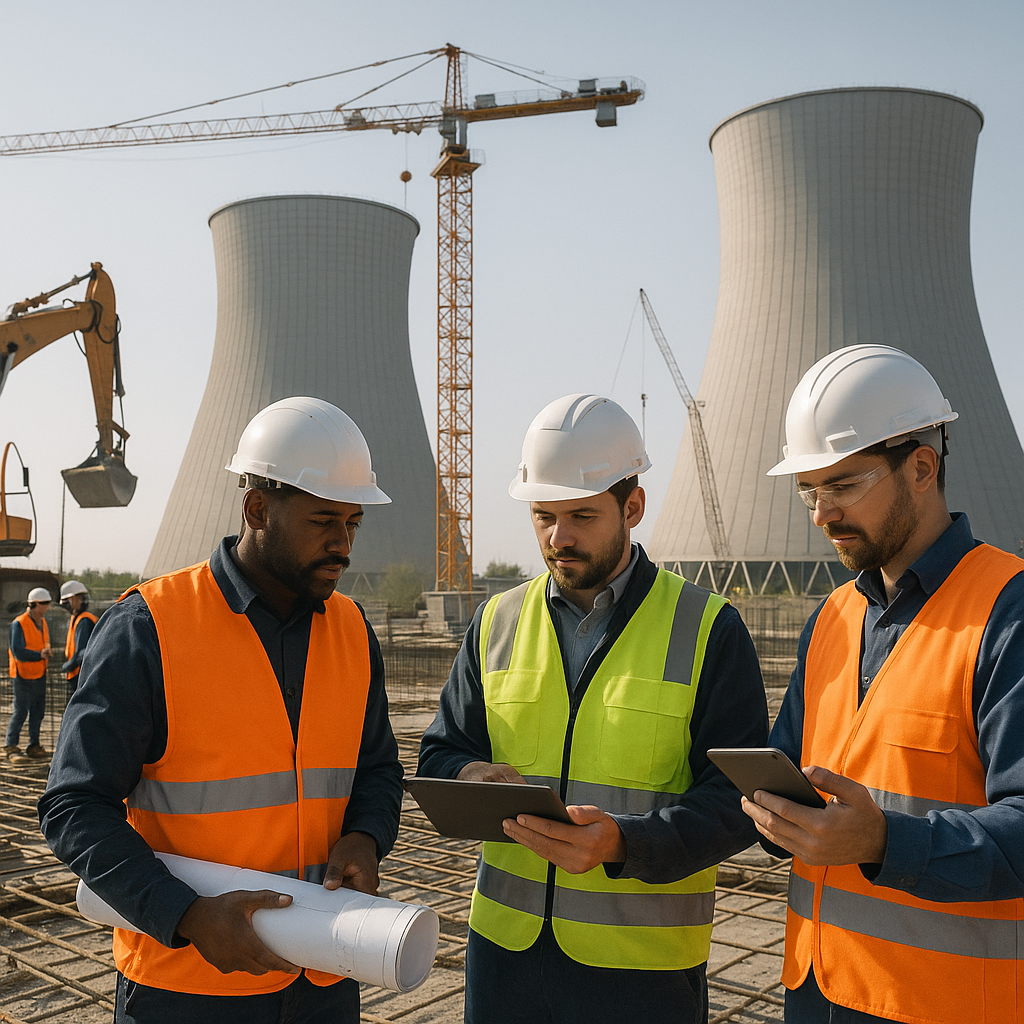
Bechtel and NABTU’s new nuclear apprenticeship program isn’t a PR stunt—it’s a survival strategy. Nuclear power demand is skyrocketing, but there aren’t enough skilled workers to build and maintain these facilities. According to NABTU, the U.S. will need around 20,000 additional craft workers by 2030 just for nuclear construction. Think about that: 20,000 people, trained in one of the most technically demanding areas of construction, in just seven years.
Why does this matter for GC directors? Because the nuclear sector’s labor crunch mirrors a broader problem: the skilled labor shortage across construction. And nuclear’s aggressive apprenticeship model? It’s a wake-up call for the rest of us.
The GC Director’s Bottleneck: Preconstruction Workload
Here’s the thing—GC directors don’t just have a labor problem onsite. It starts in preconstruction. Estimation, takeoffs, and bid preparation are eating up manpower that could be better spent elsewhere. A typical GMP pursuit takes 40 hours of manual work just to extract quantities from drawings and match rates. That’s two full workdays for two estimators. And if you’re running five or more GMP pursuits a year, you’re burning through 400+ hours annually.
This isn’t just a theoretical problem. Take, for example, a mid-size GC trying to secure a $50 million municipal project. The bid team spends weeks manually performing takeoffs, aligning costs with RSMeans data, and preparing a comprehensive bid package. By the time the bid is submitted, the team is exhausted, and the opportunity cost is sky-high—they’ve neglected other bids and internal training initiatives.
It’s not sustainable, especially when estimators are already in short supply. According to the Construction Labor Market Analyzer, the U.S. is facing a 6% decline in skilled construction professionals over the next five years. That’s not just for field workers—it includes estimators, schedulers, and project managers. You can’t afford to waste your team’s time on tasks that AI can handle in minutes.
What Bechtel’s Apprenticeships Teach Us About Efficiency
Bechtel’s apprenticeship model is designed to compress training timelines without sacrificing quality. It’s a high-stakes game: nuclear construction has zero room for error. Mistakes can cost lives, billions of dollars, and years of schedule delays. But here’s the kicker—they’ve built their program around specialized tools and systems that make skilled labor more effective, faster.
For instance, Bechtel uses simulation-based training to prepare workers for real-world challenges. Apprentices learn to weld, operate cranes, and perform complex assembly tasks in a controlled environment before they ever set foot on a job site. This approach reduces the time it takes for a worker to become productive while minimizing costly mistakes during live construction.
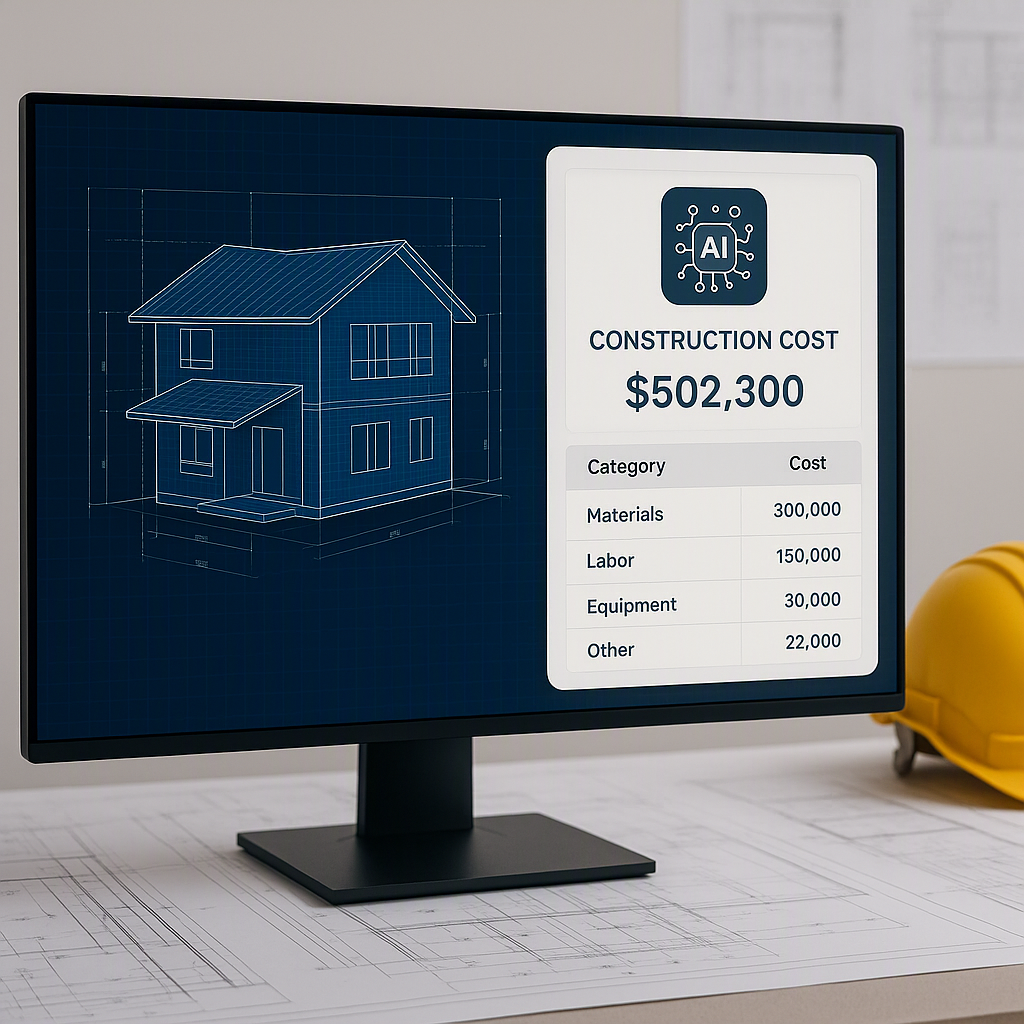
GC directors should take a page from this playbook. You need tools that do the same for preconstruction. For example, EstimateNext’s Vision AI can extract quantities from PDF drawings in 10 minutes. That’s a 10X speed improvement over manual takeoffs. Imagine what your team could do with the 36 hours they’d save per estimate. More bids? Better subcontractor negotiations? Internal process improvements?
It’s not just about saving time—it’s about ensuring your team spends that time on the work that moves the needle.
AI-Powered Tools: The Apprenticeship Equivalent for Estimation
Now let’s get specific. Here’s how AI tools like EstimateNext address preconstruction bottlenecks:
-
Takeoff Speed: Manual takeoffs take 40 hours. AI-powered tools handle it in 10 minutes. You’re not just saving time—you’re reallocating skilled labor to higher-value tasks like bid strategy or client engagement.
- Example: A regional GC in Texas adopted AI-powered takeoff tools. They reduced their average bid preparation time by 30%, allowing them to pursue 20% more projects annually. That’s a direct revenue boost.
-
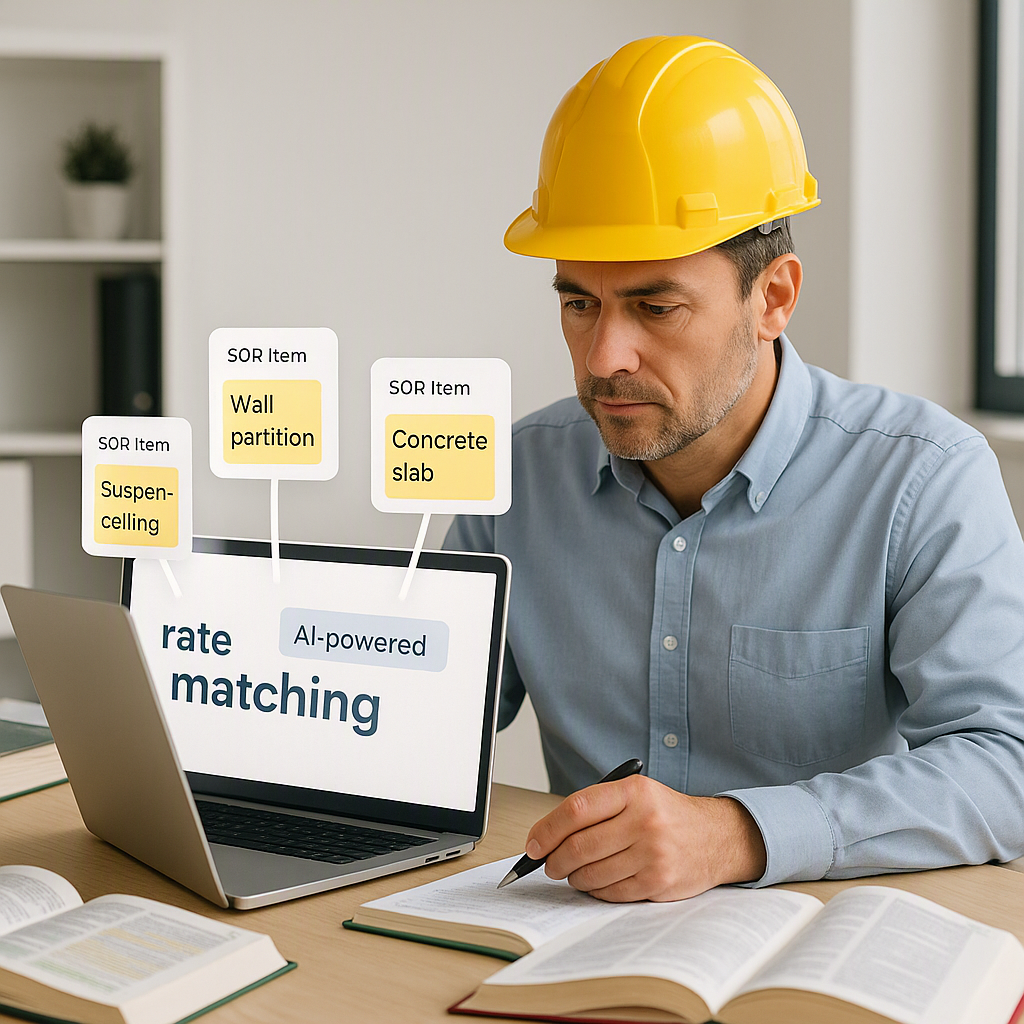
Rate Matching: Flipping through 2,000-page rate books like RSMeans is a time suck. Semantic search across 78,000+ SOR items finds matches in seconds. Your team spends less time hunting and more time pricing.
- Case Study: A Florida-based contractor used AI to automate rate matching for a $10 million healthcare project. The AI identified cost-saving alternatives they would’ve otherwise missed, saving the client $500,000.
-
Bid/No-Bid Decisions: Most GCs rely on gut instincts. AI evaluates tender documents against a 26-point rubric. It’s structured, fast, and eliminates guesswork.
- Practical Insight: AI might flag a project with unusually high liquidated damages clauses or vague specification requirements, helping your team avoid a potential money pit.
These tools aren’t just about cutting costs—they’re about staying competitive. Just like Bechtel is training nuclear artisans to meet demand, AI is the modern apprentice for your preconstruction team. The sooner you adopt these tools, the sooner you can outperform competitors stuck in manual workflows.
“We Don’t Have Time to Train” Isn’t an Excuse Anymore
You might be thinking, “AI adoption sounds great, but we don’t have the bandwidth to train people on new systems.” Fair point. But the reality is, the longer you wait, the more you’ll fall behind competitors who are adopting these tools.
Modern AI platforms, like EstimateNext, are designed for ease of use. Most teams are up and running in under a day. And because the platform learns from your past projects, it gets better the more you use it. Think of it as the “apprenticeship model” for your estimation process—it doesn’t just save time; it makes your team smarter over time.
A Practical Plan for GC Directors
So, where do you start? Here’s a three-step approach:
-
Audit Your Workflow: Look at where your estimation process is slowing down. Is it takeoffs? Rate matching? What-if iterations? Quantify the hours spent.
- Pro Tip: Create a time study of your last three bids to identify the biggest bottlenecks.
-
Test AI Tools: Start with a small project. Upload a BOQ into EstimateNext, let the AI handle rate matching, and compare the output to your manual process. The difference will be obvious.
- Example: A GC in California tested AI on a $5 million school renovation project. The team saved 25 hours and delivered a more accurate bid.
-
Reallocate Resources: Use the time saved to focus on bid strategy, subcontractor negotiations, or even training your team on other high-value tasks.
Conclusion: Meet Demand, or Lose to It
Bechtel and NABTU are investing in apprenticeships because they know what’s coming: massive demand and not enough supply. GC directors need to adopt the same urgency. You can’t control labor markets, but you can control how efficiently your team works.
If you’re tired of watching your estimators slog through 40-hour takeoff marathons, it’s time to rethink your tools. EstimateNext can help. Get started free →.
Comparison Table: Manual vs. AI-Powered Estimation
| Feature | Manual Estimation | AI-Powered Estimation |
|---|---|---|
| Takeoff Time | 40 hours | 10 minutes |
| Accuracy | 85-90% (human error) | 95-98% |
| Rate Matching | Manual, slow | Instant, semantic search |
| Bid/No-Bid Analysis | Gut instinct | Structured, data-driven |
| Learning Curve | None | Minimal (1-day onboarding) |
| Resource Allocation | Time-intensive | Frees up team for strategy |