Safety Isn’t a Line Item—It’s a Strategy
Most construction teams treat safety as a compliance checkbox. PPE? Check. Toolbox talks? Done. But here’s the problem: they see safety as a cost center, not a profit driver. That thinking is outdated—and expensive.
A safe site doesn’t just protect workers; it protects your margins. Here’s how:
- Fewer Delays: Accidents halt work. Every hour lost costs money—wasted payroll, equipment rentals, and penalties.
- Lower Insurance Premiums: A clean safety record leads to reduced workers’ comp and general liability rates.
- Retention and Productivity: Skilled labor is hard to find. Injuries make it harder. Safe sites attract and keep talent.
- Client Confidence: Clients notice when you run a tight (and safe) ship. It’s a competitive edge.
But how do you make safety a profit driver, not just an expense? It starts in preconstruction.
The Hidden Role of Preconstruction in Safety
Safety doesn’t start on day one of the build. It starts when you plan the work. Poor estimates and rushed bids lead to compressed schedules, unvetted subs, and cut corners—all of which increase risk.
Take, for instance, subcontractor bids. If you’re leveling bids manually, you’re prone to missing scope discrepancies. This creates gaps that subs might fill with risky shortcuts. Using tools to normalize sub bids and flag scope mismatches ensures you’re comparing apples to apples before awarding contracts. Think of it as a safety net—literally.
Real-World Impact: A Safe Plan Saves Time and Money
Illustrative example — A contractor bidding on a warehouse project used a bid-leveling tool to analyze bids across multiple trades. The tool flagged inconsistencies in the fire protection scope—one subcontractor had underpriced sprinkler head counts significantly. Without that catch, the contractor might have faced a mid-project redesign or fire safety violations. By catching the issue upfront, the contractor avoided costly change orders and delays. That’s risk management in action.
Safety as ROI: The Numbers Don’t Lie
If you’re still skeptical, let’s talk principles:
- Accidents Are Expensive: Workplace injuries and fatalities result in significant direct and indirect costs, including medical expenses, lost productivity, and potential legal fees.
- Insurance Savings: A strong safety record can lead to reduced insurance premiums over time.
- Productivity Gains: Safe sites often experience less downtime, happier crews, and smoother workflows, which all contribute to higher productivity.
Tools That Make Safety Profitable
Safety isn’t just about hard hats and harnesses. It’s about planning smarter. Here’s where tech comes in:
- Risk-Aware Scheduling: Compressed timelines lead to rushed work and accidents. Tools that help you build realistic schedules can reduce risks.
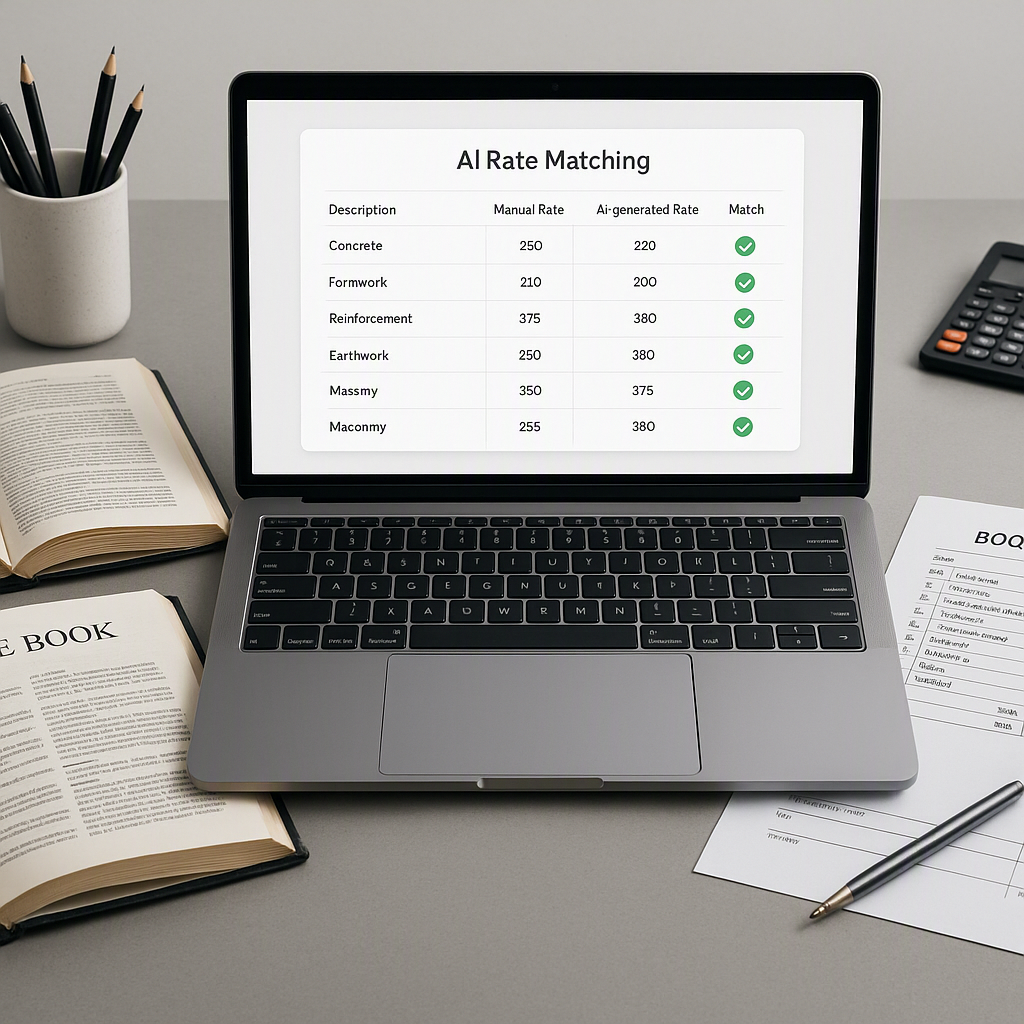
- Rate Analysis: Overpriced or underpriced rates often signal risky shortcuts. Using databases to ensure accurate and fair estimates can mitigate these risks.
- Scope Alignment: Bid leveling tools flag scope gaps before contracts are awarded, preventing safety issues down the line.
Common Mistakes to Avoid
- Ignoring Preconstruction Risk: Safety isn’t just a jobsite issue. Poor planning is the root cause of many accidents.
- Underestimating Scope: Missed or mispriced line items lead to rushed fixes, which increase risk.
- Relying on Gut Feel: Manual processes are error-prone. Use tools that provide data-backed insights.
Conclusion
Safety isn’t an add-on—it’s integral to profitability. By investing in smarter preconstruction tools and processes, you’re not just protecting workers; you’re protecting your bottom line.