The Trench Safety Problem We’re Still Not Solving
Every year, trench collapses kill an average of 36 workers in the U.S. That’s three lives per month, according to OSHA. Yet, these incidents are 100% preventable with proper safety practices. So why is this still happening?
NUCA’s Trench Safety Month campaign is a wake-up call. They’re pushing for better training, stricter enforcement, and more awareness. But here’s the thing: awareness isn’t enough. If contractors can’t plan safer jobsites upfront—before the first shovel hits the dirt—then all the awareness campaigns in the world won’t save lives.
This is where preconstruction tech, like AI-powered estimation tools, steps in. Let me explain.
Excavation Safety Starts in Preconstruction
Think about the process of planning an excavation. You’ve got to identify soil types, calculate trench depths, design protective systems, and estimate costs for everything from shoring to backfill. It’s a lot of moving parts. And when deadlines are tight, corners get cut.
The Role of Preconstruction in Trench Safety
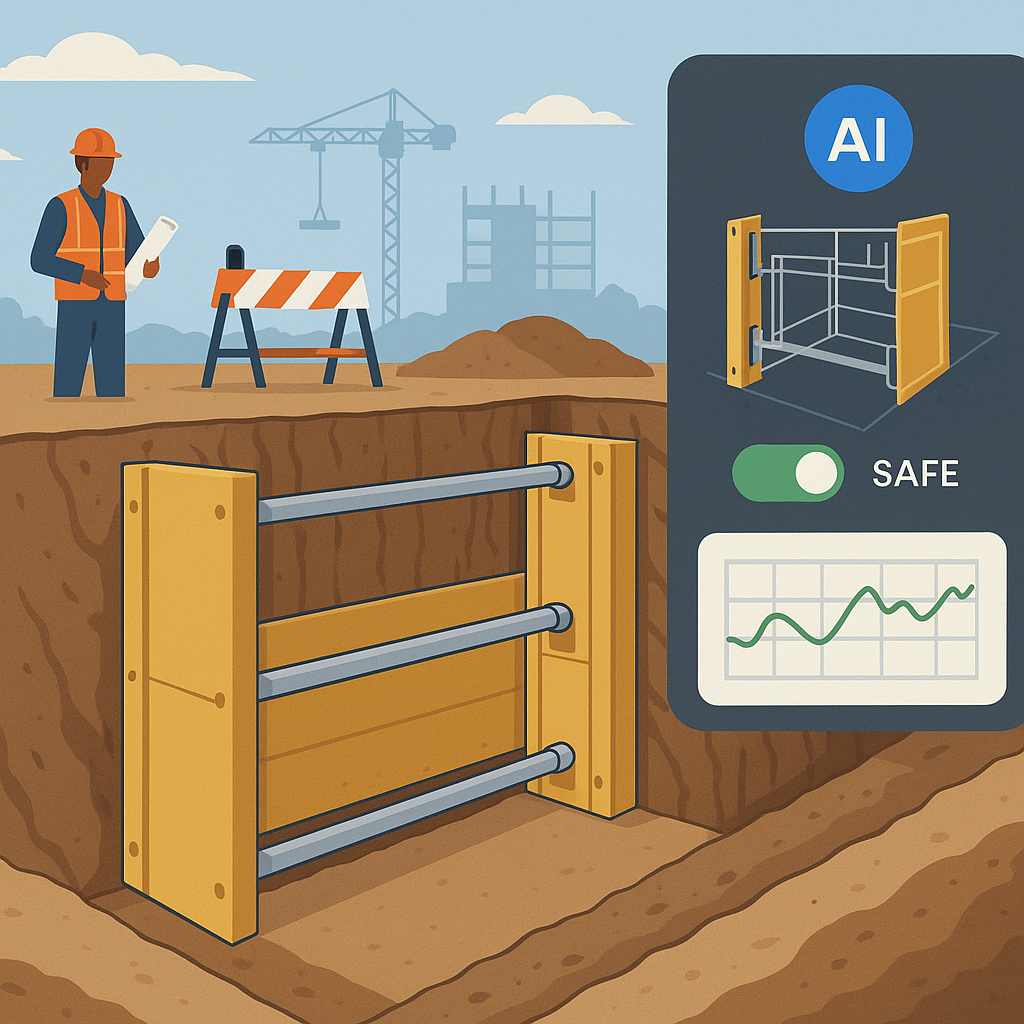
Preconstruction isn’t just a planning phase—it’s where safety decisions are made. For instance, do you know what happens if you underestimate the costs of soil stabilization? You risk not having the budget to implement OSHA-compliant protective measures like trench boxes, sloping, or benching. And the result? Unsafe trench conditions that can collapse without warning.
Manual estimation makes things worse. Misreading a drawing or underestimating soil stabilization costs can lead to unsafe trench conditions. For example, if you don’t budget for trench boxes (or assume they’re optional), you’re gambling with workers’ lives.
Real-World Example: The Cost of Oversights
Let’s say a contractor bids on a utility trench project. They assume the soil is a stable Type B when, in fact, it’s a loose Type C. Without accounting for the proper protective measures, like trench shields or hydraulic shoring, they save on the initial bid—but the result is a trench that collapses during excavation. This isn’t theoretical; OSHA records show dozens of fatalities each year from similar oversights.
How AI Can Prevent Trench Hazards
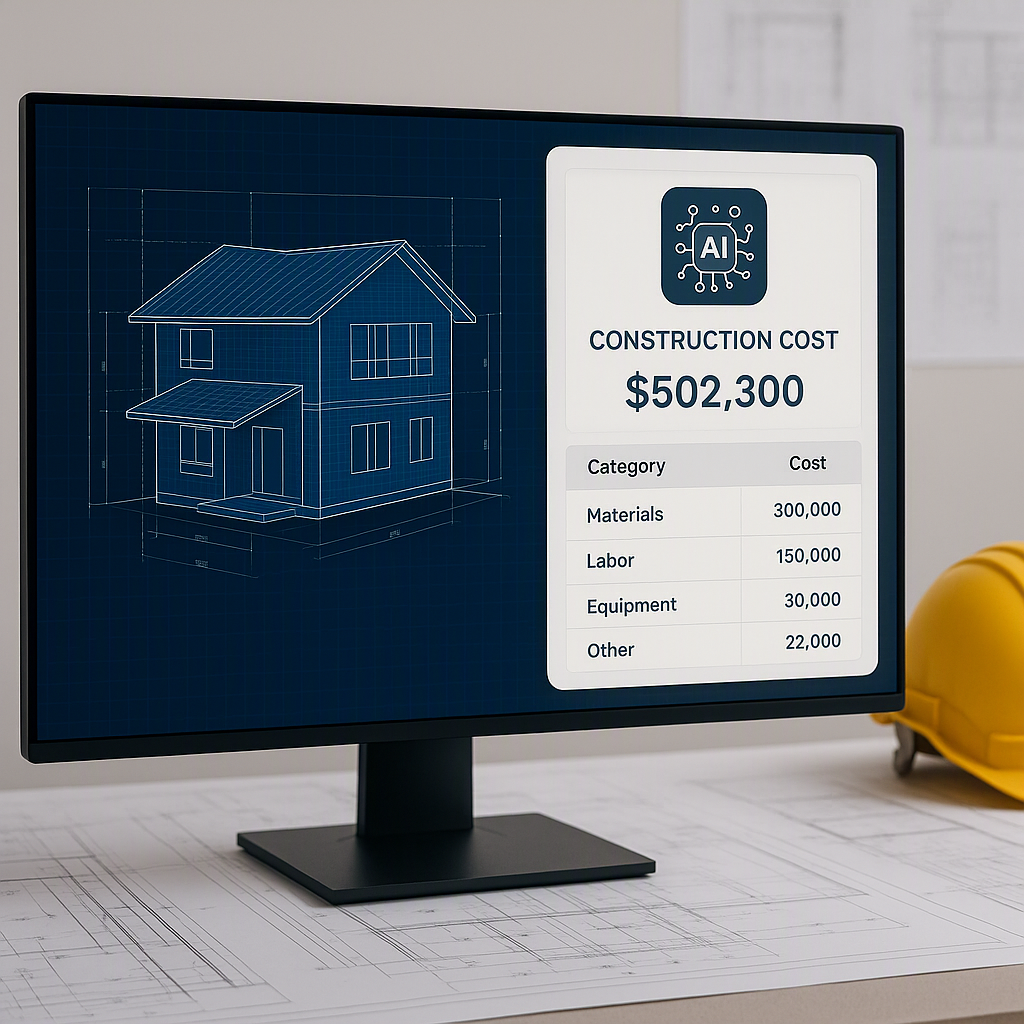
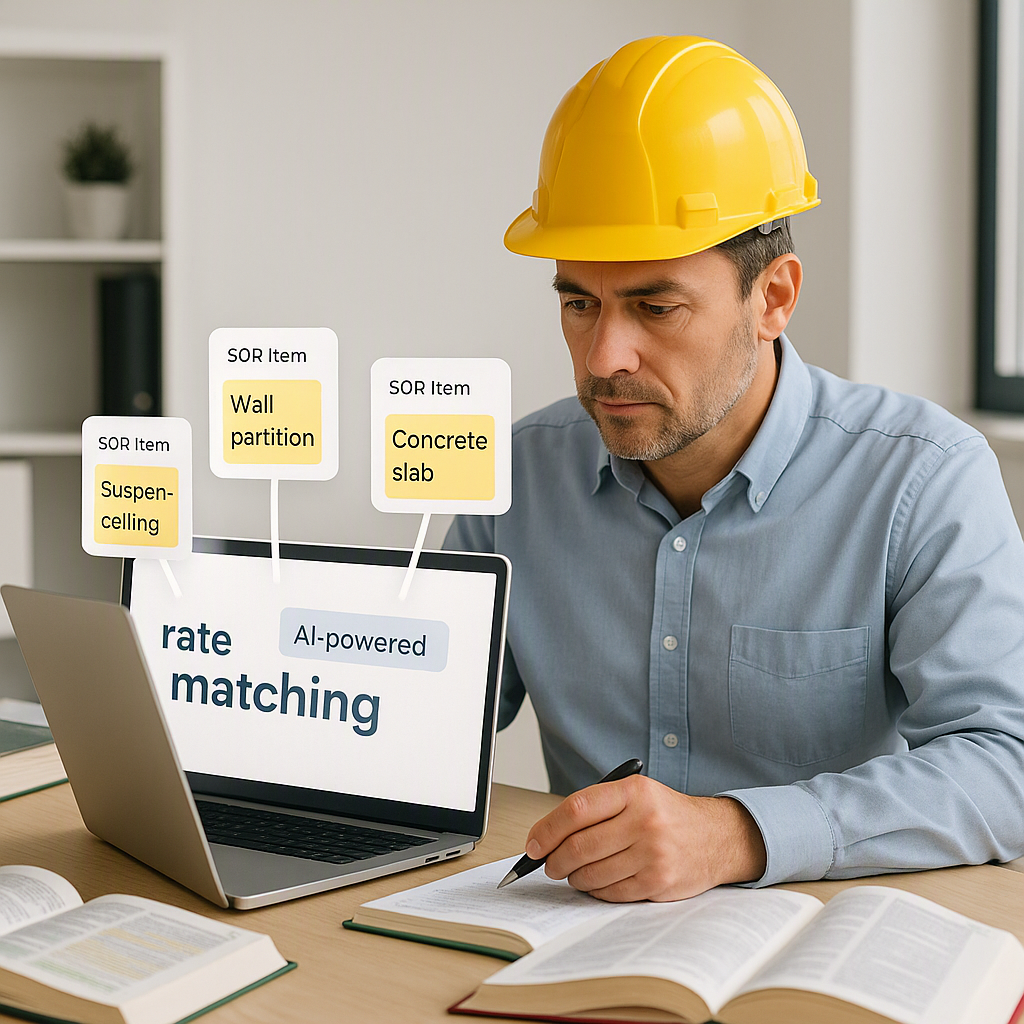
Here’s where tools like EstimateNext change the game. By automating quantity takeoffs and rate matching, AI frees up time for estimators to focus on safety-critical planning. Let me give you a real-world example.
1. Automated Soil Analysis Costs
One of the biggest variables in trench safety is soil type. OSHA classifies soils into four categories, each requiring different protective measures. But matching soil conditions to cost items manually? That’s a nightmare.
EstimateNext’s Vision AI can scan drawings and BOQs (Bills of Quantities) to flag items like excavation depth and soil stabilization. It even suggests cost items based on the project’s geotechnical report. No more guessing if you’ve accounted for trench shields or hydraulic shoring.
Concrete example: A contractor in Texas used EstimateNext for a project involving 500 linear feet of trenching. The software flagged a section of Type C soil that required hydraulic shoring—an item they had initially overlooked. By catching this early, the contractor avoided delays and ensured OSHA compliance.
2. Real-Time Adjustments for What-If Scenarios
Ever had a client ask, "What happens if we go 2 feet deeper?" With traditional tools, that means reworking your entire estimate. With EstimateNext, you can adjust excavation depths in seconds, and the tool recalculates everything—from protective system costs to backfill quantities. This ensures you never underbudget for safety.
3. Audit Trails for Compliance
OSHA inspections can be brutal if you don’t have documentation. EstimateNext creates a full audit trail for every project, showing exactly how safety measures were accounted for in the estimate.
For example, if an inspector asks, "Did you budget for trench boxes?" you’ve got the answer ready. And that’s not just about passing inspections—it’s about protecting lives and shielding your company from liability.
Comparison: Manual vs. AI-Driven Trench Safety Planning
| Factor | Manual Estimation | AI-Driven Estimation |
|---|---|---|
| Time Required | Hours or days per estimate | Minutes with automation |
| Accuracy | Prone to human error | High precision using geotechnical data |
| Safety Planning | Often overlooked in tight deadlines | Integrated into the process |
| Cost Adjustments | Manual recalculations | Instant updates with real-time input |
| Documentation | Sparse or inconsistent | Comprehensive audit trail |
Why This Matters Now
NUCA’s campaign couldn’t come at a better time. Trench fatalities spiked by 68% in 2022, a shocking reversal after years of decline. Meanwhile, contractors are under pressure to cut costs as material prices soar. It’s a perfect storm for safety lapses.
The Economics of Safety
Consider this: OSHA fines for a serious trench safety violation can reach $14,502 per incident, and willful violations can cost up to $145,027. And that’s before you factor in the cost of lawsuits or reputational damage. Investing in preconstruction tools that prioritize safety isn’t just ethical—it’s financially smart.
Actionable Steps to Improve Trench Safety
- Invest in Preconstruction Software: Tools like EstimateNext make it easier to integrate safety planning into your bids. Start small with a free trial and see how it impacts your workflow.
- Train Your Estimators: Ensure your team understands OSHA’s trench safety requirements and how to budget for protective measures.
- Audit Your Past Projects: Review previous bids to identify where safety might have been underbudgeted. Use these insights to refine your future estimates.
- Collaborate with Geotechnical Experts: Don’t guess soil conditions—work with experts to get accurate data for your estimates.
- Advocate for Safety Culture: Make trench safety a non-negotiable part of your company’s values. Awareness campaigns like NUCA’s are a great starting point, but lasting change comes from leadership.
NUCA’s Trench Safety Month reminds us what’s at stake. Let’s not wait for another tragedy to start taking preconstruction safety seriously. If you’re ready to plan smarter, EstimateNext is here to help.