Why Manual Rate Matching is a Nightmare
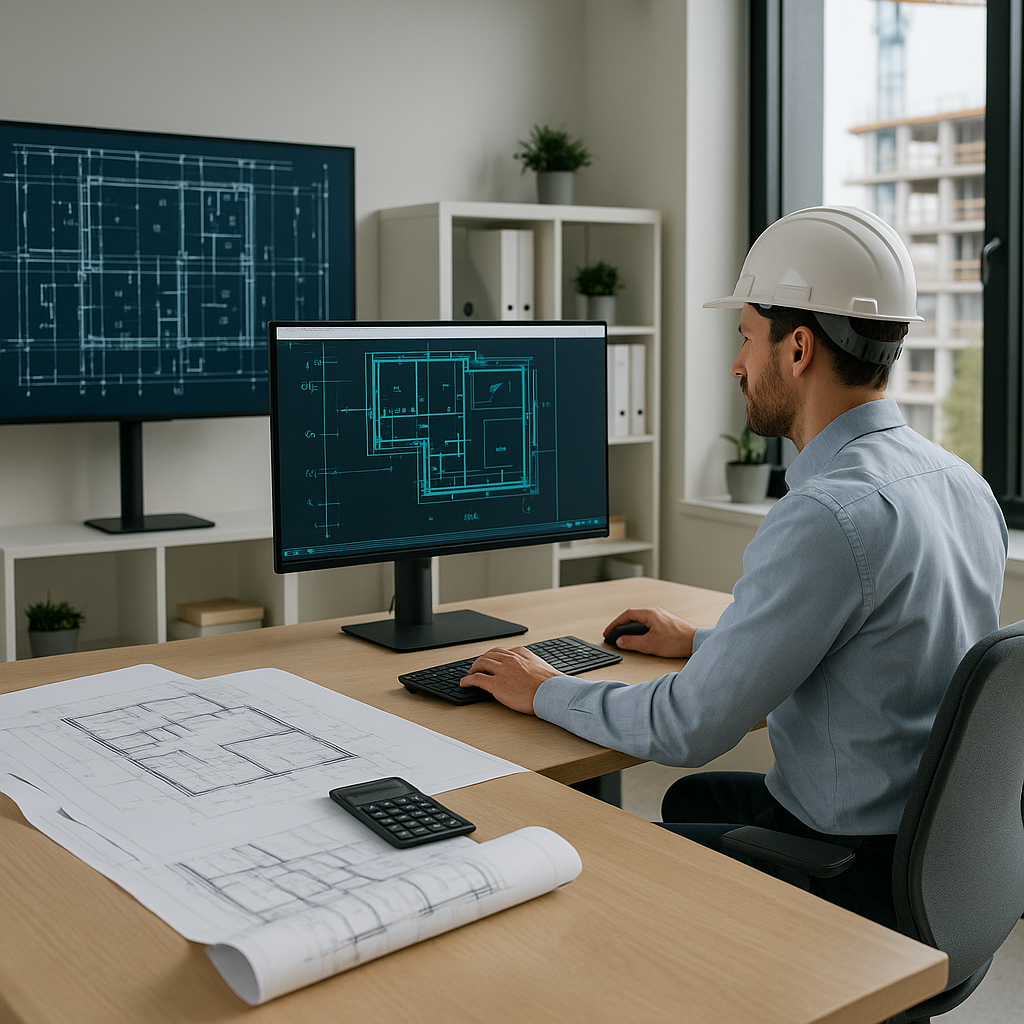
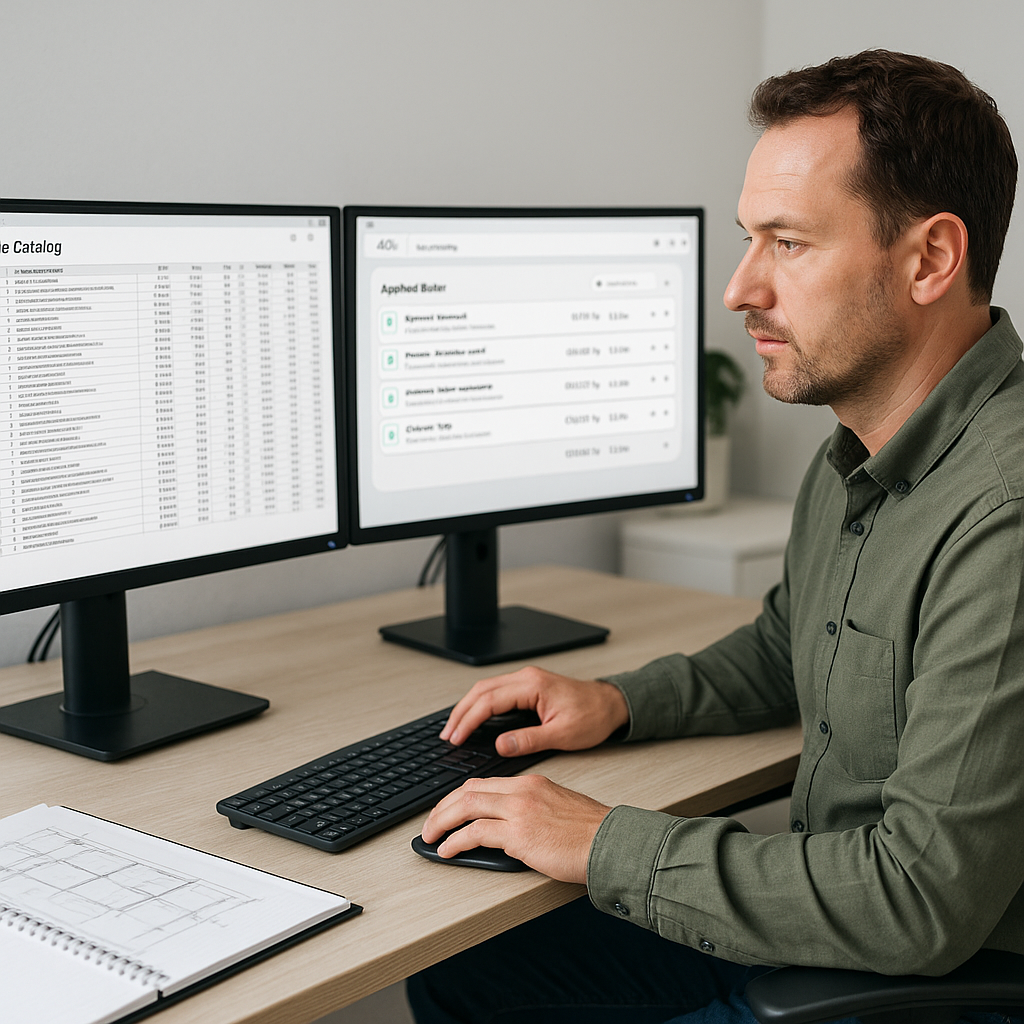
If you’ve ever priced a bid manually, you know the pain. Flipping through 2,000-page CPWD DSR books or regional rate catalogs feels like a full-time job. Need to find the labor rate for installing pre-stressed concrete girders? Good luck—it’s buried somewhere under Section 900, Subdivision 2. And if you miss one critical rate? Your estimate is toast.
The Hidden Costs of Manual Rate Matching
Estimators waste up to 12 hours per bid just on rate lookup. That’s not counting the time spent reconciling mismatched units or recalculating inflation adjustments manually. In real terms, if your team bids on 10 projects a month, that’s 120 hours—or three full workweeks—spent on a single repetitive task. What does that cost you in payroll? For a mid-level estimator earning $35/hour, that’s $4,200 a month in wasted time.
But the financial cost isn’t even the worst part. Manual rate matching introduces risk. One wrong entry can throw off your entire bid, especially when margins are razor-thin. Imagine underbidding a $10 million project because of a simple decimal error—and then having to eat those losses. It’s a nightmare scenario that’s more common than you might think. According to a study by KPMG, 31% of construction projects incur cost overruns due to inaccurate estimates. [^3]
How AI Fixes the Problem
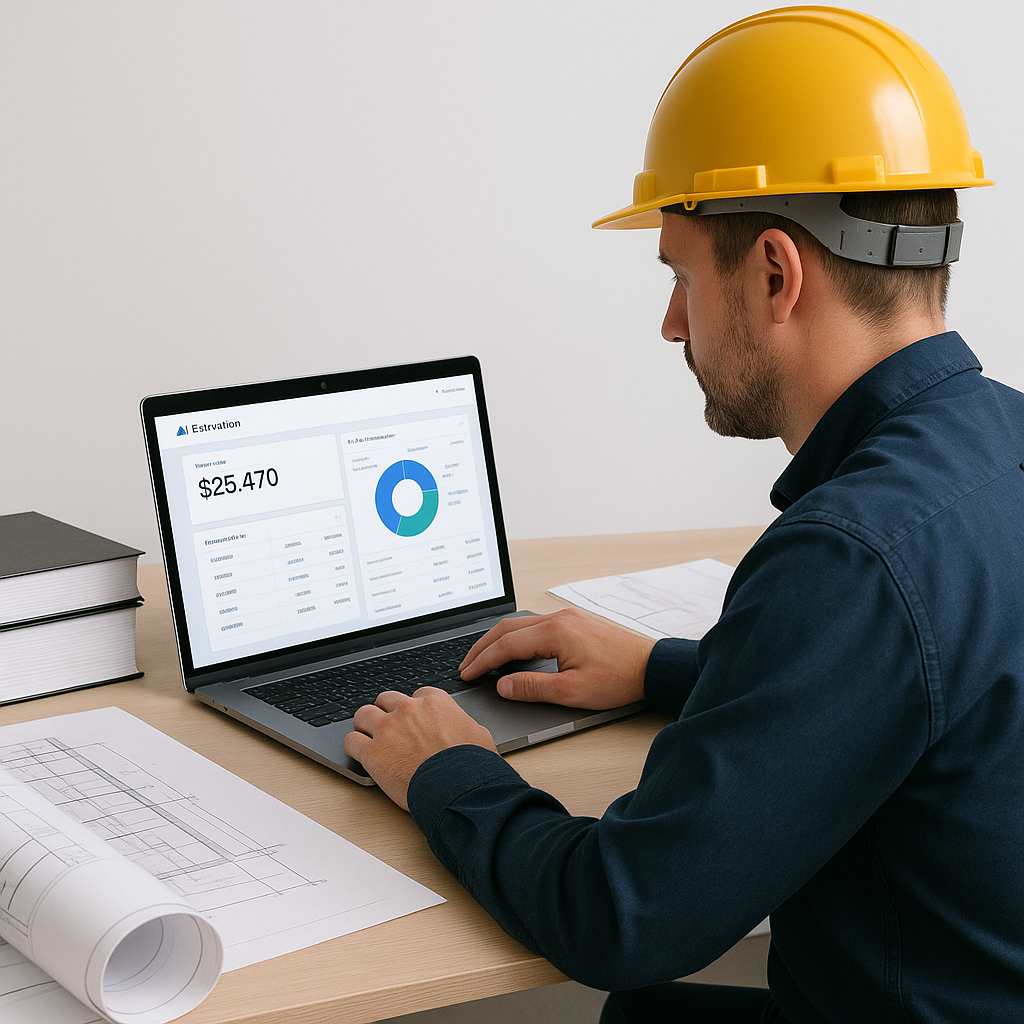
AI-powered rate matching changes everything. Tools like EstimateNext use semantic search across 78,000+ SOR items. Type in “labor rate for pre-stressed concrete girders,” and you’ll get a match in seconds—with inflation adjustments and unit conversions baked in. Done.
The Time-Saving Advantage
Imagine applying this to a project like Skanska’s $1 billion rail bridge, where rates for everything from rail ties to structural steel need DOT-approved catalogs. With manual methods, this could take weeks. With AI, it’s done in hours. Faster rate matching doesn’t just save time—it frees up your estimators to focus on higher-value tasks, like risk analysis or value engineering.
Eliminating Human Error
AI doesn’t just save time; it eliminates human error. By cross-referencing multiple catalogs and applying standardized formulas, it ensures consistent outputs. Take inflation adjustments: how often have you manually calculated a 5.3% increase on dozens of rates? AI does this instantly and uniformly, reducing the chances of costly errors.
Real-World Example: Faster Rates, Better Bids
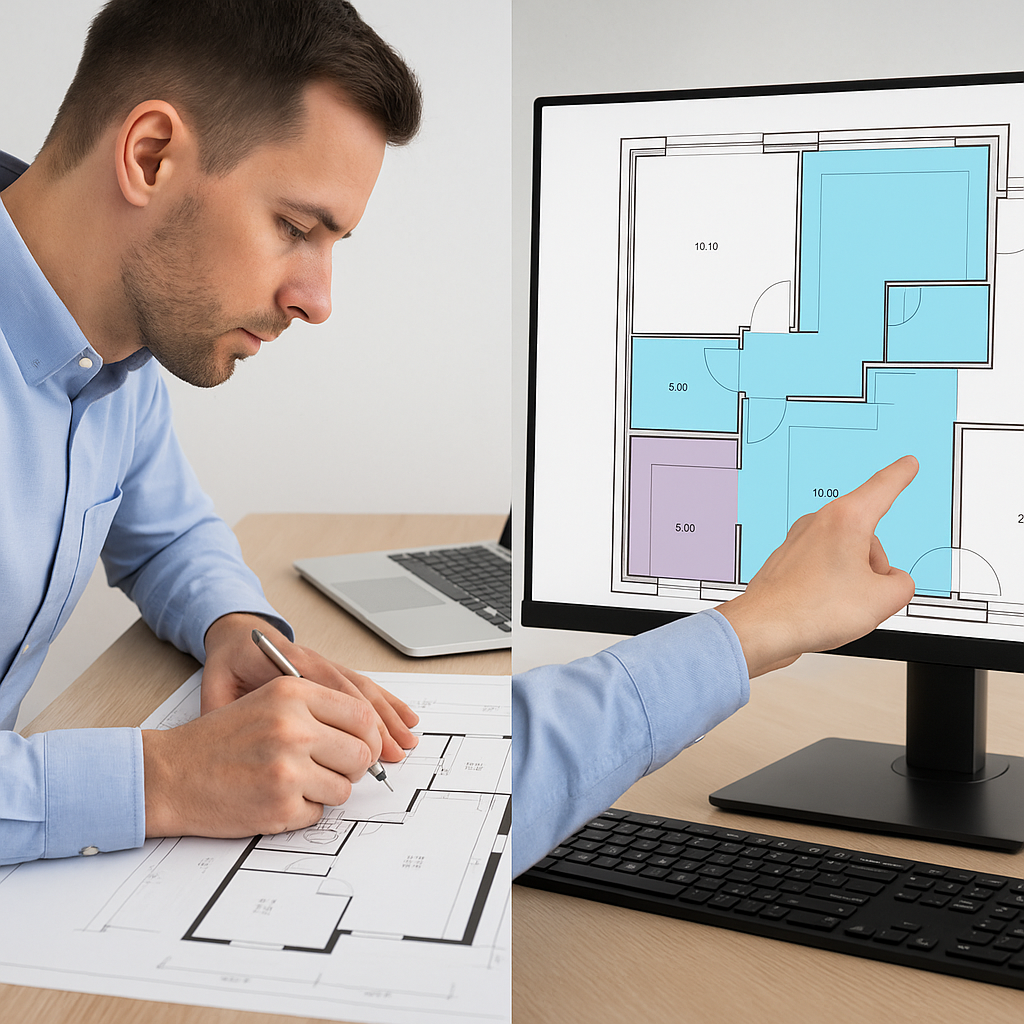
Take the case of a mid-sized general contractor bidding on a high-rise project. They uploaded their BOQ into EstimateNext and let the AI handle rate matching. The result? 120 hours saved. That’s two full weeks of labor costs avoided while still meeting tight deadlines. [^2]
But here’s the kicker: the AI didn’t just save time—it built trust. By pulling rates directly from official catalogs, the estimator had confidence in the numbers. No second-guessing. No scrambling to double-check. This trust extended to the client, who appreciated the transparency and accuracy of the bid.
Another Case Study: Custom Rates for Unique Projects
For a boutique hotel project, a contractor uploaded rates for imported Italian marble and custom lighting fixtures. The first project took time to input these custom rates, but by the third project, the system was matching these items automatically. This saved the contractor hours of repetitive work and ensured consistent pricing across bids.
The Obvious Objection: “AI Can’t Think Like an Estimator”
You might be thinking, “Sure, AI is fast, but it doesn’t understand the nuances of construction.” That’s partially true—but it’s also missing the point. AI doesn’t replace your expertise; it amplifies it. You’re still the one making judgment calls, negotiating with subs, and deciding on markup. The AI handles the grunt work.
Actionable Insight: Pairing AI with Expertise
Here’s how to maximize AI tools:
- Fine-Tune the System: Spend some time uploading your unique rate libraries or adjusting settings to reflect your regional nuances.
- Use Confidence Scoring: Many AI systems flag rates they’re less confident about. Focus your review on these areas.
- Leverage Time Savings Strategically: Use the hours saved to dive deeper into sub-bids, research alternate materials, or refine project timelines.
In my view, this is an estimator’s dream. Less time spent on repetitive tasks means more time focused on strategy. Want to analyze sub bids more thoroughly? Or test alternate materials to cut costs? With AI, you finally have the bandwidth.
Edge Cases: What About Custom Rates?
What if your project uses custom materials or finishes not found in standard rate catalogs? No problem. EstimateNext lets you upload your own rate libraries. The AI integrates them seamlessly for future use, so your estimates reflect your actual costs.
Example: Custom Materials
For a luxury residential project, a contractor needed rates for hand-carved wooden panels sourced from a specific artisan. By uploading this rate once, the system automatically included it in future matches for similar projects, saving hours of manual entry.
Why Early Adoption Pays Off
According to a 2023 McKinsey report, early adopters of AI in construction see average cost savings of 10-20% per project. The ROI becomes even more compelling on larger bids. Source
But it’s not just about savings. It’s about staying competitive. As more firms adopt AI-powered tools, manual methods will look increasingly outdated. Do you really want to be the GC still flipping through PDFs while your competitor is submitting bids faster and cheaper?
Comparison Table: Manual vs. AI Rate Matching
| Feature | Manual Rate Matching | AI-Powered Rate Matching |
|---|---|---|
| Time Required | 10-12 hours per bid | 1-2 hours per bid |
| Error Rate | High (human error) | Low (standardized processes) |
| Custom Rate Handling | Manual, repetitive | Automated after initial input |
| Inflation Adjustments | Manual calculations | Automatic |
| Integration with Tools | Limited | Seamless with Procore, Excel |
FAQ: Common Questions About AI Rate Matching
Q1: How accurate are AI-matched rates?
AI tools like EstimateNext are highly accurate, but no system is perfect. That’s why features like confidence scoring and manual override exist. You can review and adjust as needed. [^5]
Q2: Can I use AI tools alongside my existing software?
Yes. Most AI platforms integrate seamlessly with tools like Procore, Bluebeam, and Excel. You can export estimates directly into your workflows. [^5]
Q3: How long does it take for the AI to become reliable?
Most users see significant accuracy improvements by the third project. The system learns from every adjustment or feedback loop. [^3]
Q4: What if my rates are non-standard?
You can upload custom catalogs or project-specific rates. The AI will incorporate them into future matches, saving time on similar projects. [^3]
Q5: Is AI only for large contractors?
Absolutely not. AI scales to any project size, whether you’re handling a $1 million renovation or a $1 billion infrastructure bid. [^1]
Call to Action
If rate matching feels like a bottleneck in your preconstruction workflow, EstimateNext can help. Upload your BOQ and experience instant rate matching across 78,000+ items. Get started free →