Why Rate Matching is a Nightmare
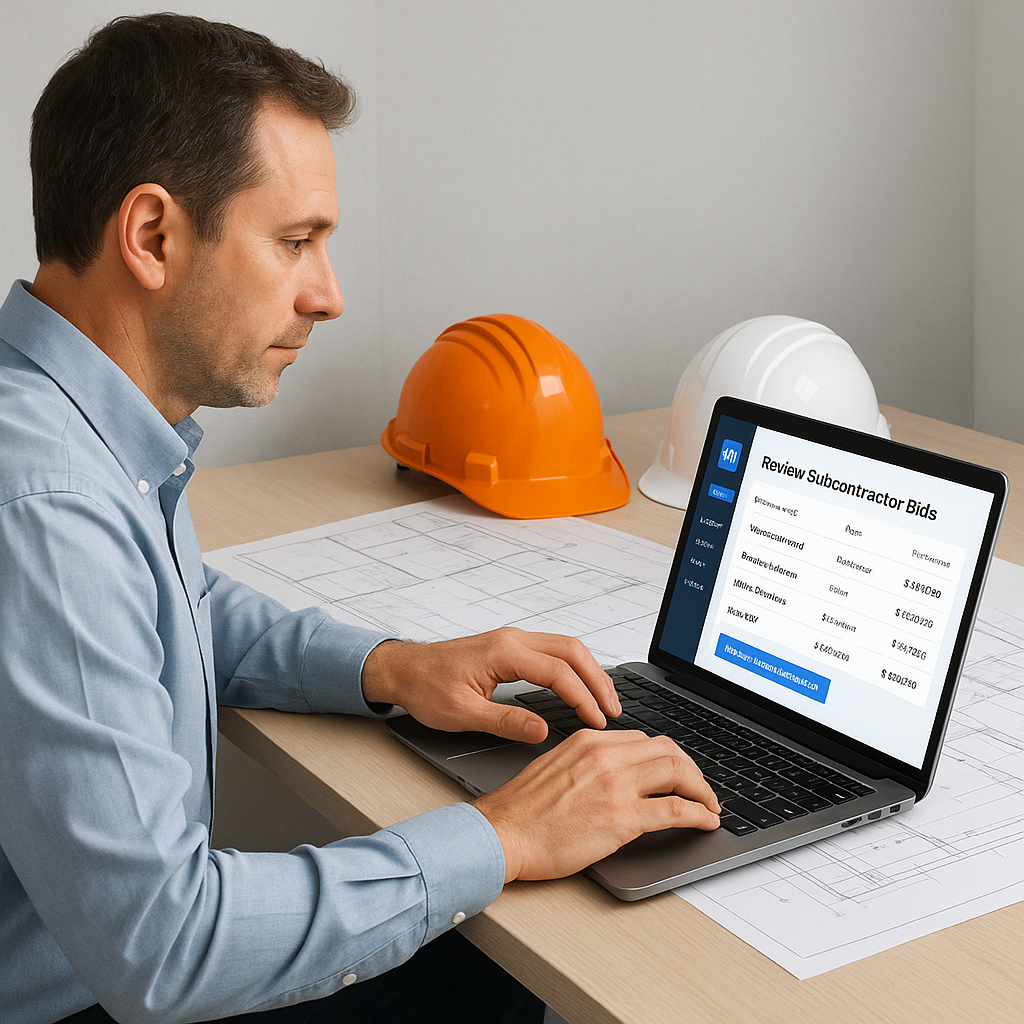
If you’ve ever priced out a bid manually, you know the pain. Flipping through 2,000-page rate books to find the right labor, material, or equipment costs isn’t just inefficient—it’s borderline insane. A mid-sized general contractor could waste 12 hours per estimate just matching rates to BOQ line items. And don’t even get me started on updating those rates for inflation or custom project specs.
Manual rate matching isn’t just tedious—it’s error-prone. Misplaced rates or overlooked line items can lead to underbidding, which means razor-thin margins—or worse, losing money on the project. For larger projects with hundreds of BOQ (Bill of Quantities) line items, even minor errors snowball into significant oversights. Let’s face it: in a hyper-competitive market, you can’t afford inefficiency.
Enter AI: Real Matches, Real Fast
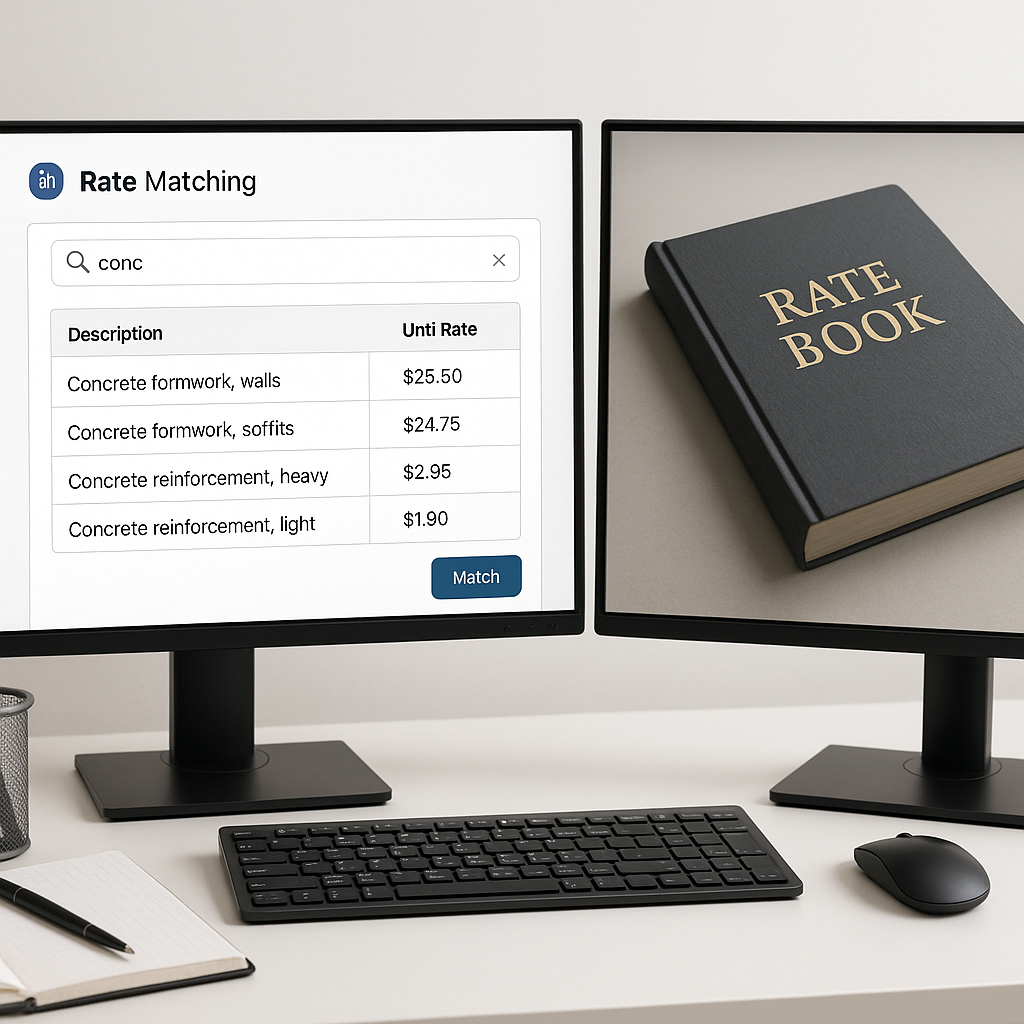
AI-powered tools like EstimateNext solve this by using semantic search across 78,000+ SOR (Schedule of Rates) items. Instead of manually hunting for a rate, you type in what you need—say, the labor cost for installing pre-stressed concrete girders—and the system delivers a match in seconds. It’s like Google search, but tailored for construction rates.
How AI Changes the Game
Sounds simple, right? But here’s the real kicker: it’s not just about speed. AI tools are designed to learn from your inputs. If you tweak a rate or reject a suggestion, the system remembers that for the next project. It’s like having an assistant who gets smarter every time you work together.
For example, let’s say you frequently work on LEED-certified buildings and need eco-friendly material rates. If you consistently adjust rates for sustainable materials, the AI adapts and prioritizes those items for future estimates. Over time, it builds a profile tailored to your preferences.
Real-Time Updates
Another advantage? Real-time updates. AI tools like EstimateNext integrate inflation trends, supply chain disruptions, and regional cost variations directly into the rate-matching process. For custom project specs—whether it’s a high-rise in Manhattan or a wind farm in rural Texas—AI ensures that your estimates stay relevant, accurate, and competitive.
A Real-World Example
Take Skanska’s $1B rail bridge project. Rates for everything from rail ties to structural steel needed to be pulled from DOT-approved catalogs. That’s hundreds of line items across multiple categories. Traditionally, this would have taken days. With AI, the rate matching was done in seconds—saving over 56 hours on the bid.
Another example: a mid-sized contractor in the UK working on a 25-apartment residential project found themselves buried in 4 weeks of manual rate matching due to custom finishes, imported fixtures, and fluctuating material costs. After integrating EstimateNext, they completed the same task in under 6 hours, freeing up their staff to focus on client negotiations and bid strategy.
The Obvious Objection: “But AI Can’t Think Like an Estimator”
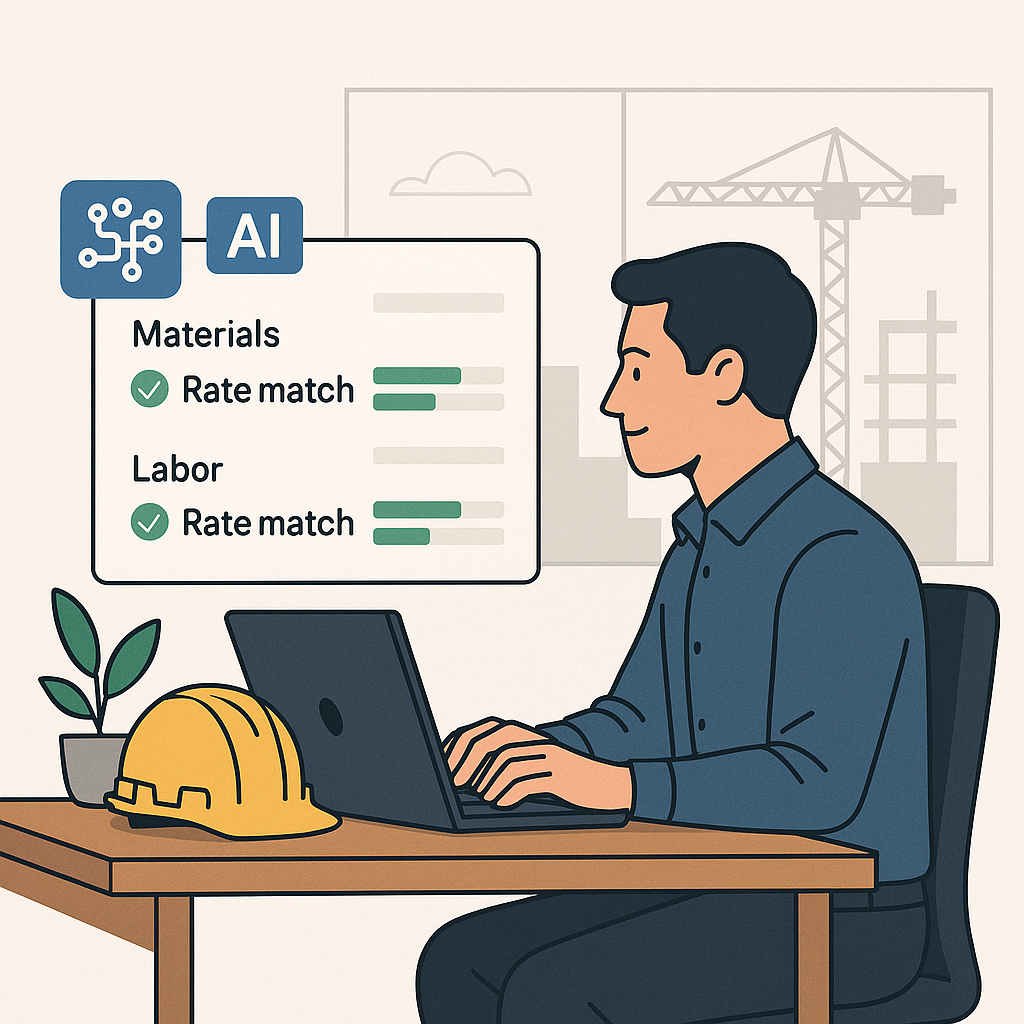
You might be thinking, “Sure, it’s fast, but does it understand construction?” Fair point. AI doesn’t replace your expertise; it amplifies it. You’re still the one making judgment calls, negotiating with subs, and deciding on markup. The AI handles the grunt work—rate matching, takeoffs, and what-if recalculations—so you can focus on strategy.
A Comparison: AI vs. Manual Processes
| Feature | Manual Rate Matching | AI-Powered Matching |
|---|---|---|
| Time per Estimate | 12 hours | 20 minutes |
| Error Risk | High (human oversight) | Low (AI reduces errors) |
| Handling Custom Rates | Excel-based, tedious | Seamless integration |
| Scalability | Limited | Unlimited |
| Cost Efficiency | Expensive labor hours | Affordable subscription |
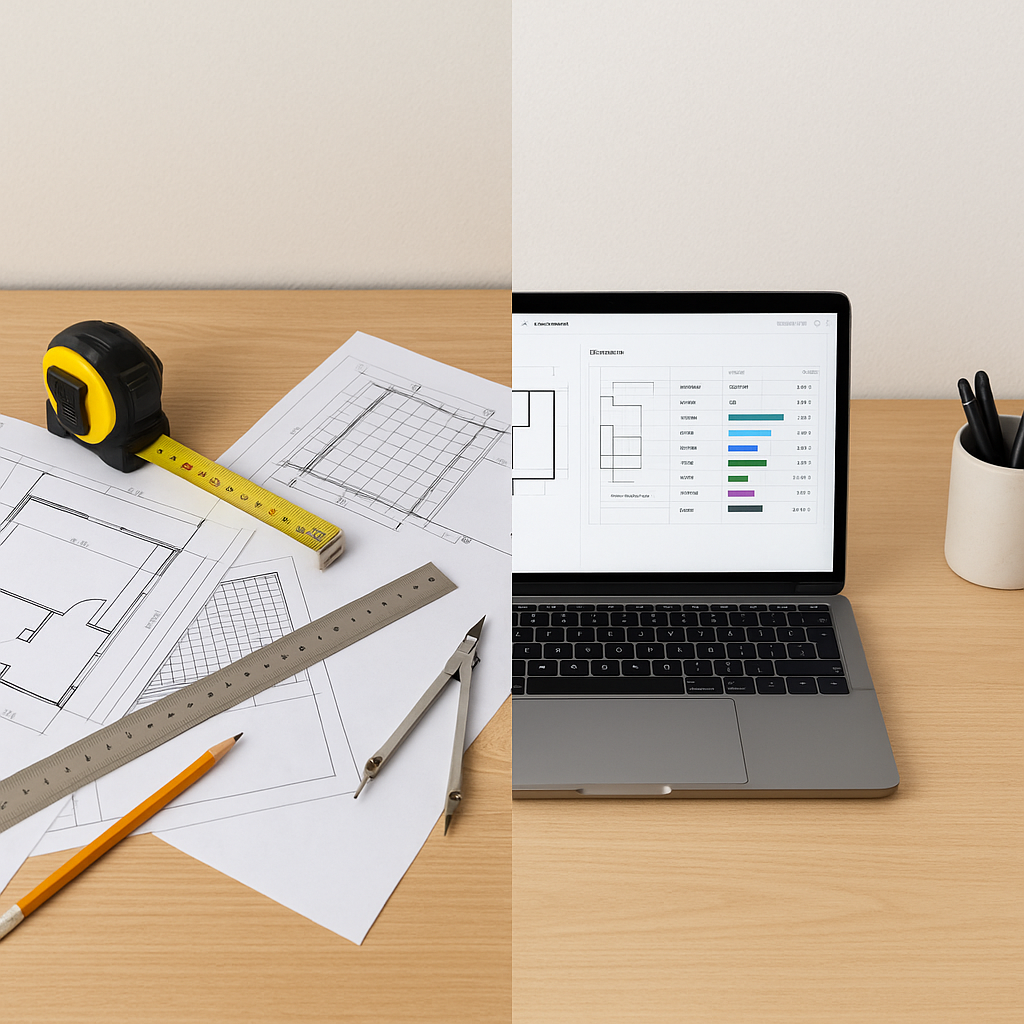
Manual processes are like driving a car through rush-hour traffic, while AI tools are like taking the express train—you get there faster, with fewer headaches.
What About Custom Rates?
This is where most tools fall short. If your project has specialized materials or finishes, you’re stuck manually entering them into Excel. Not with EstimateNext. You can upload your own rate catalog or define custom rates for specific items. The AI integrates these seamlessly for future use. So the next time you need the cost of a custom marble countertop, it’s already in the system.
For industries like luxury home construction or large-scale infrastructure, this flexibility is invaluable. For instance, a high-end builder specializing in coastal homes uses EstimateNext to incorporate rates for hurricane-resistant windows, custom cabinetry, and imported tiles. The AI remembers these inputs, streamlining future bids.
ROI That’s Hard to Ignore
Let’s do the math. If rate matching takes 12 hours per estimate and your team handles five bids a month, that’s 60 hours saved. Multiply that by an average estimator’s hourly rate (let’s say $130), and you’re looking at $7,800 saved monthly. For a tool that costs $99/month, the ROI is absurd.
Case Study: Small Contractor Success
A small contractor in Canada, specializing in commercial renovations, found themselves spending over 80 hours per month on rate matching. After adopting EstimateNext, they cut this down to just 12 hours, allowing them to bid on more projects without hiring additional staff. Their subscription paid for itself within the first week.
FAQ
Q: Can AI handle multi-market complexity?
Absolutely. EstimateNext supports CSI, NRM2, CPWD, and CESMM3 standards, plus multi-country currencies and tax regimes. One platform handles it all, whether you’re bidding in Dubai or Detroit.
Q: Is AI accurate?
AI tools like EstimateNext are highly accurate, often reducing rate lookup discrepancies by up to 80%. That said, human oversight remains essential for final validation. Think of it as a second set of hands, not a replacement brain.
Q: How steep is the learning curve?
Most users report being productive within two weeks. The interface is designed to be intuitive, even for those who aren’t tech-savvy. In fact, many contractors who were skeptical about AI find themselves adopting it for other workflows after seeing the results.
Q: What happens if the AI suggests the wrong rate?
You can override it easily. Plus, the system learns from your corrections to improve future matches. It’s like training a junior estimator—except it never forgets.
Q: How does AI handle inflation or supply chain disruptions?
EstimateNext integrates real-time economic data to adjust rates dynamically. For example, if steel prices spike due to tariffs, the tool updates the rates accordingly, ensuring your bids are always competitive and current.
Call to Action
If you’re tired of wasting hours on manual rate matching, EstimateNext can help. Upload your BOQ and get a priced estimate in minutes. Start Free →