Why Manual Takeoffs Are Inefficient
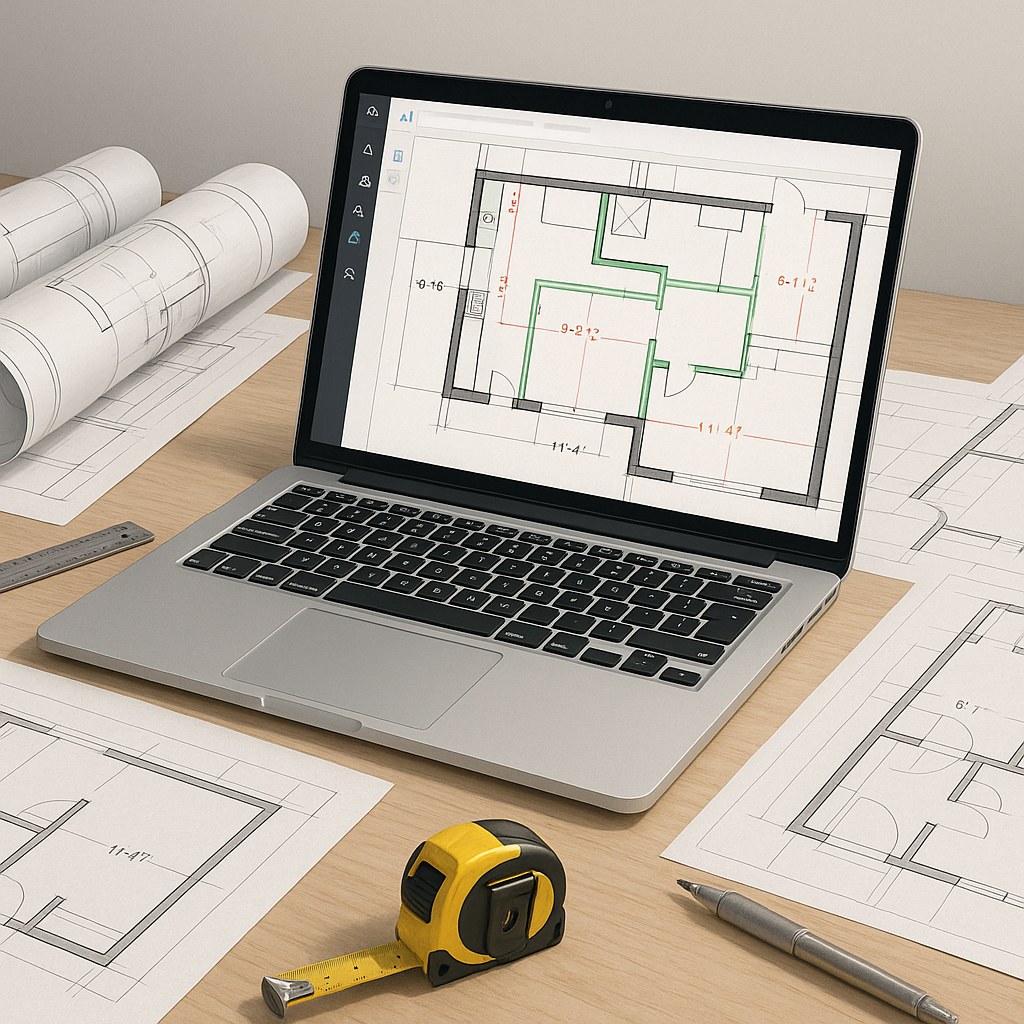
A bid package arrives, and the clock starts ticking. You’ve got drawings to review, quantities to calculate, and rates to match—all while managing other tasks. For many estimators, the first step—quantity takeoffs—is the most time-consuming.
Manually measuring lengths, areas, and counts from drawings can take significant time, especially for mid-sized projects. If the client sends a revision set midway, the process becomes even more cumbersome.
Traditional tools like PDF readers, Bluebeam, or manual rulers are accurate but slow. When deadlines are tight, speed often takes precedence over accuracy.
This is where AI-powered takeoff tools can make a difference. They don’t just speed up the process—they transform it.
What AI Takeoffs Look Like in Practice
AI-powered tools streamline the takeoff process by automating key steps:
- Upload Your Drawings: Drag and drop your PDF set into the platform. The AI parses the file, identifying elements like rooms, walls, doors, and windows.
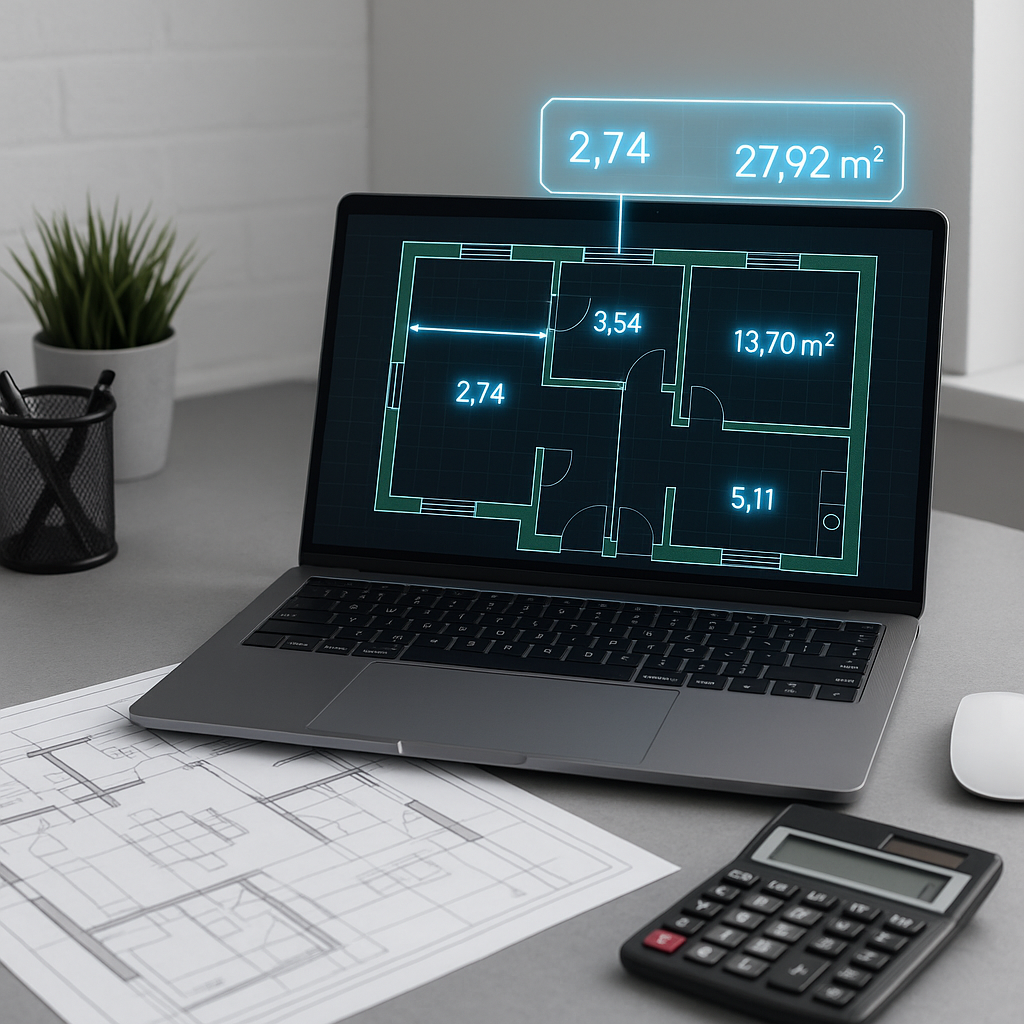
- AI Quantity Extraction: Using pre-trained models, the software calculates areas, lengths, and counts automatically, adjusting for features like openings.
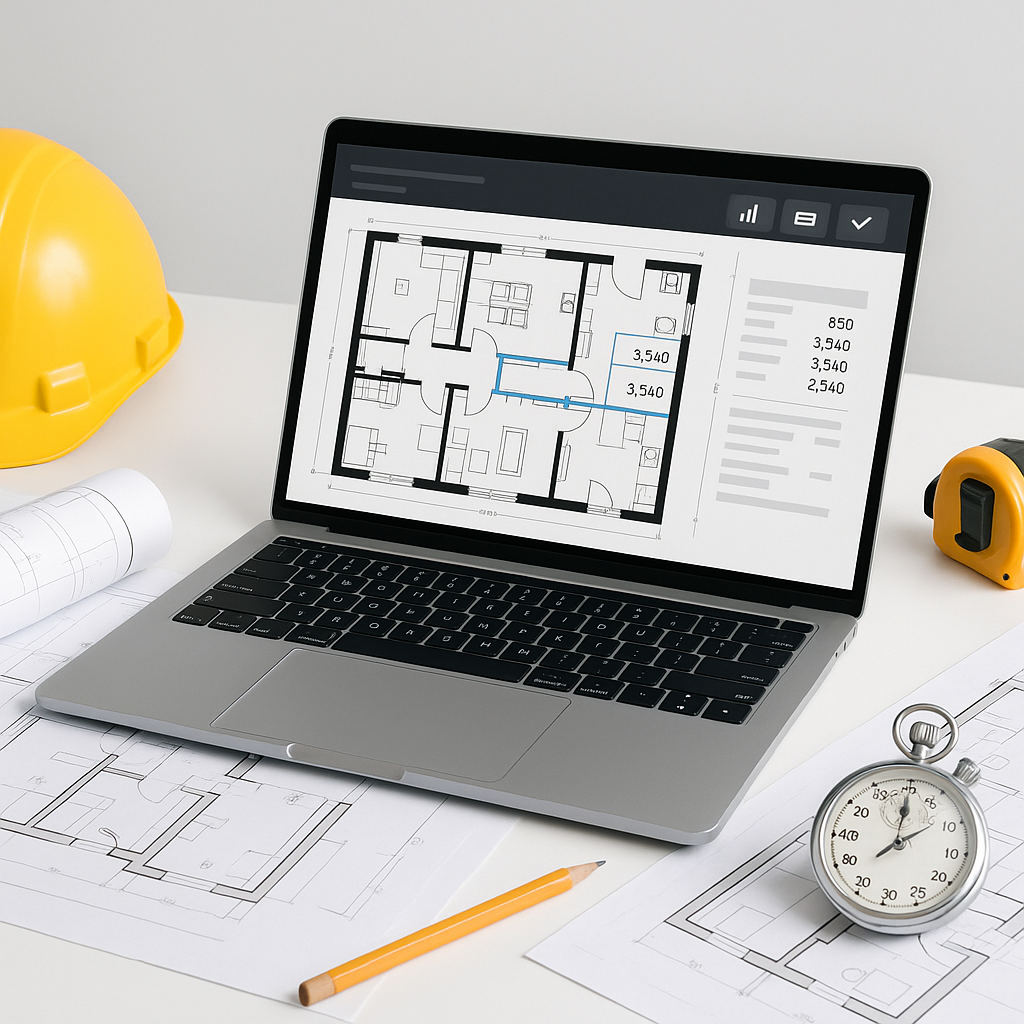
- Flagging for Review: The tool highlights uncertain quantities for manual review, ensuring accuracy.
- Audit Trail: Every action is logged, providing transparency and traceability for all calculations.
Addressing Skepticism: “But AI Can't Think Like an Estimator”
Skepticism about AI’s ability to interpret architectural drawings is common. While AI isn’t perfect, it’s a tool designed to handle repetitive tasks efficiently, freeing up estimators to focus on higher-value activities. Features like manual overrides and flagged reviews ensure that human expertise remains central to the process.
Why Speed Matters More Than Ever
In today’s competitive construction market, speed is critical. Faster estimates enable:
- More Bids Submitted: Quick turnarounds allow participation in more projects.
- Improved Accuracy: Automation reduces human error in repetitive tasks.
- Better Margins: Time saved on manual work can be redirected to strategic tasks like value engineering.
Common Mistakes to Avoid
- Blind Trust in AI: Always review flagged quantities and cross-check critical items.
- Skipping Training: Ensure your team is trained to use the software effectively.
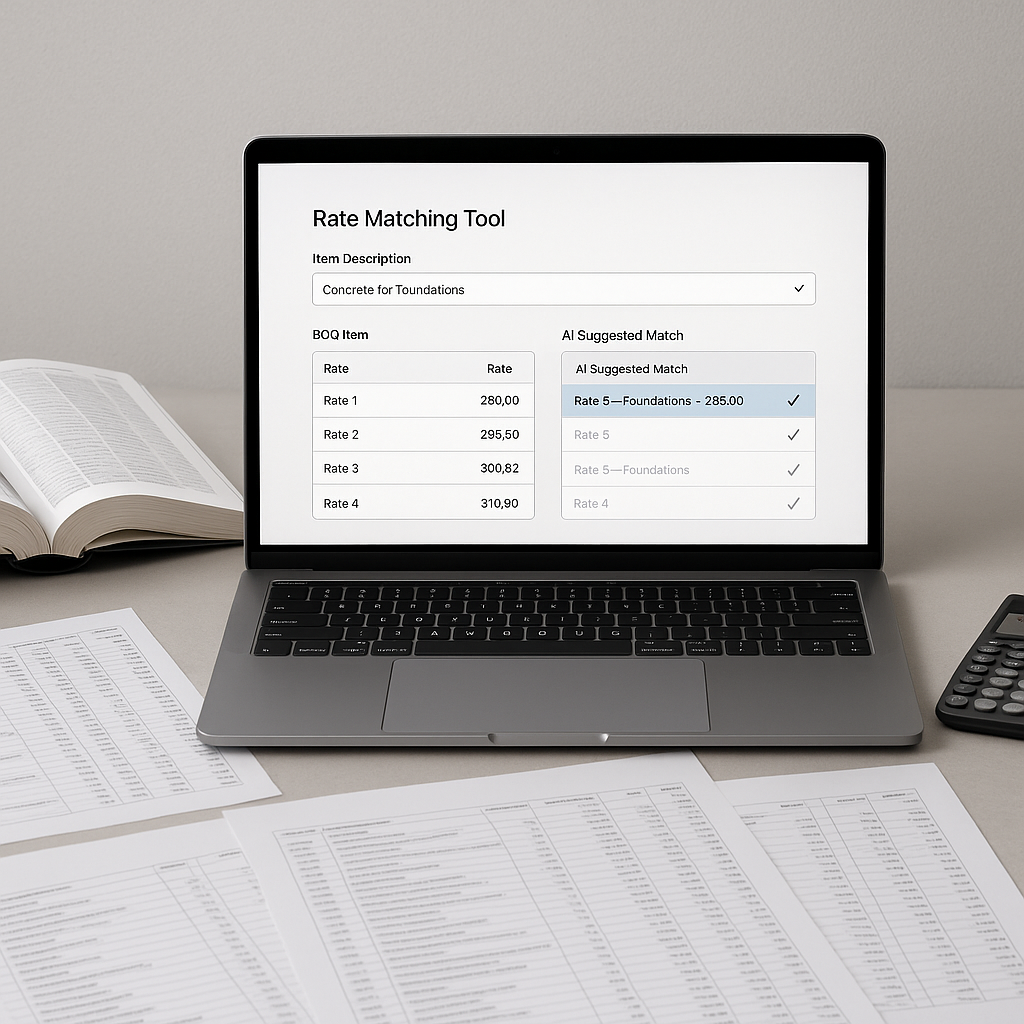
- Underestimating Setup Time: Initial setup, like uploading rate catalogs, takes time but pays off in the long run.
FAQ
Q: How accurate are AI-powered takeoffs?
AI tools are highly accurate but require quality input data and human oversight for best results.
Q: Do AI tools work for smaller projects?
Yes, AI tools can scale to any project size, from small renovations to large infrastructure projects.
Q: What if I have custom requirements?
Most AI tools allow customization, such as uploading rate catalogs or defining specific parameters.
Q: Can AI tools integrate with my existing software?
Yes, many platforms offer integrations with tools like Procore, Autodesk, and Excel.
Q: How long does it take to learn the software?
Most AI tools are designed for ease of use, with training typically requiring minimal time.
The Bottom Line
If manual takeoffs are consuming too much time, AI-powered tools can help streamline the process, allowing you to focus on strategic tasks like winning more bids and improving profitability.