The Problem: Manual Takeoffs Are a Time Sink
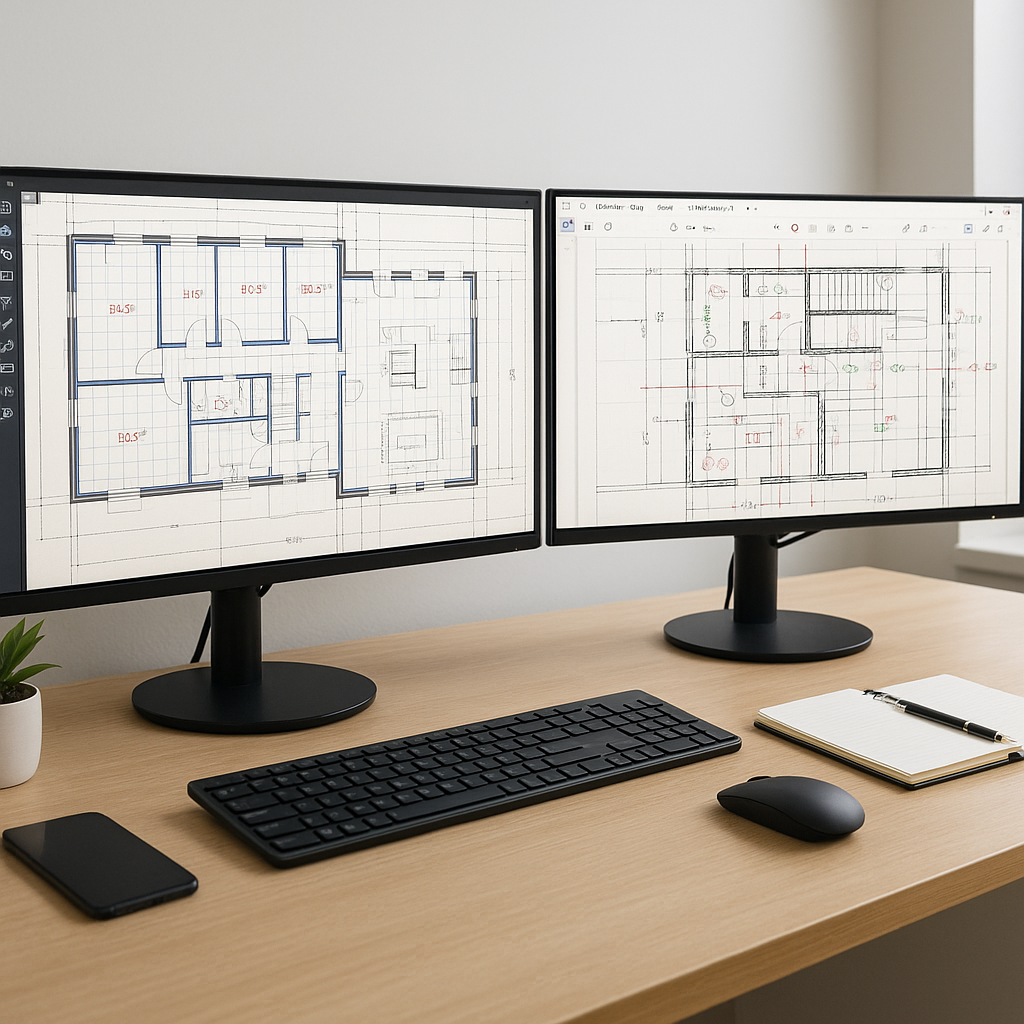
Every estimator has been there. You start your day with a fresh cup of coffee and a stack of drawings to mark up. Hours later, you’re still tracing beams and counting windows on page six of a 50-page PDF. By the time you’re done, you’ve spent significant time on quantity takeoffs for just one bid. It’s tedious, repetitive, and incredibly time-consuming.
If you’re working on multiple bids or juggling other preconstruction responsibilities, this bottleneck is brutal. And let’s be honest—mistakes happen. A missed beam or an extra wall count can throw off the entire estimate. The result? Padding the numbers for safety or, worse, losing the bid because your costs are too high.
But what if you could significantly reduce the time spent on takeoffs? AI is making it possible, and it’s already changing how contractors handle preconstruction.
The AI Solution: Vision AI for Takeoffs
AI-powered takeoff tools are designed to take the grunt work out of preconstruction. Here’s how it works:
- Upload Your Drawings: Got a PDF or DWG file? Upload it into the platform. Don’t worry about file types—AI tools are designed to handle multiple formats.
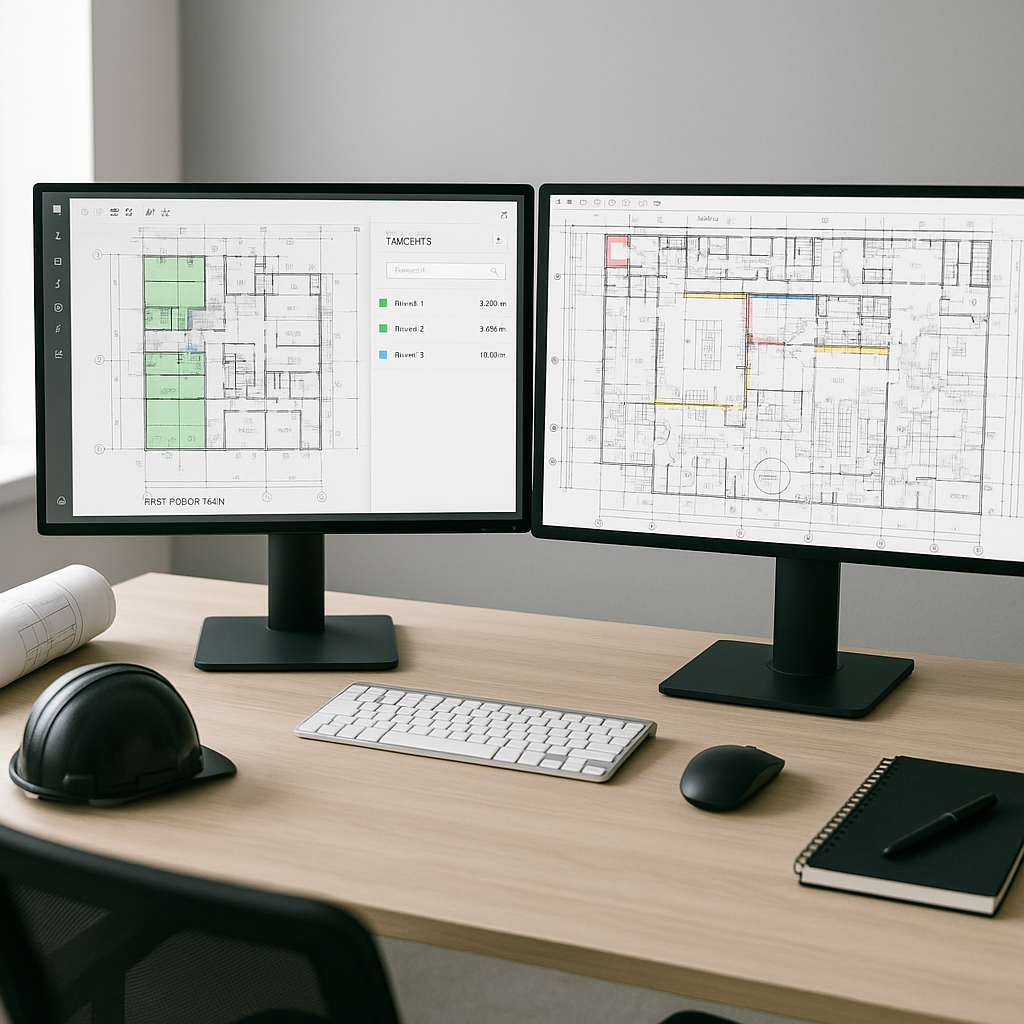
- AI Extraction: Vision AI scans the drawings and identifies key elements like walls, doors, windows, beams, and even room areas. It uses machine learning to recognize patterns and features in the drawings—essentially doing the same work you’d do, but in seconds.
- Validation: The system doesn’t just spit out numbers and call it a day. It flags low-confidence areas for manual review, so you can double-check and make adjustments.
- Export: Once you’re satisfied, you can export the takeoff data into your preferred format, whether that’s Excel, Procore, or another preconstruction tool.
This approach allows contractors to streamline their workflows, reduce manual effort, and focus on higher-value tasks.
Why It Matters
Let’s break this down. If you’re a GC estimating director, you’re likely managing a team of estimators. Each of them handles multiple GMP pursuits a year. If each bid involves significant hours of manual takeoffs, the cumulative time spent can be overwhelming.
By automating takeoffs, AI tools can free up substantial time for your team, allowing them to focus on refining estimates, negotiating with subcontractors, and strategizing bids.
And it’s not just about speed. Accuracy improves, too. AI tools help reduce takeoff discrepancies, leading to fewer errors, fewer change orders, and smoother project execution.
The Obvious Objection: "But AI Can’t Think Like an Estimator"
I hear this all the time. "Sure, AI is fast, but it doesn’t understand the nuances of construction." And that’s true—to an extent. AI isn’t replacing your expertise; it’s amplifying it.
Think of AI as your apprentice. It handles the grunt work so you can focus on what really matters: refining the estimate, negotiating with subs, and strategizing your bid. It’s not about replacing people; it’s about making your team more effective.
Common Mistakes When Using AI Takeoff Tools
- Trusting the AI Blindly: Always review flagged areas. AI is accurate, but it’s not infallible.
- Skipping Training: Take the time to train your team on the tool. Most platforms are intuitive, but a little training goes a long way.
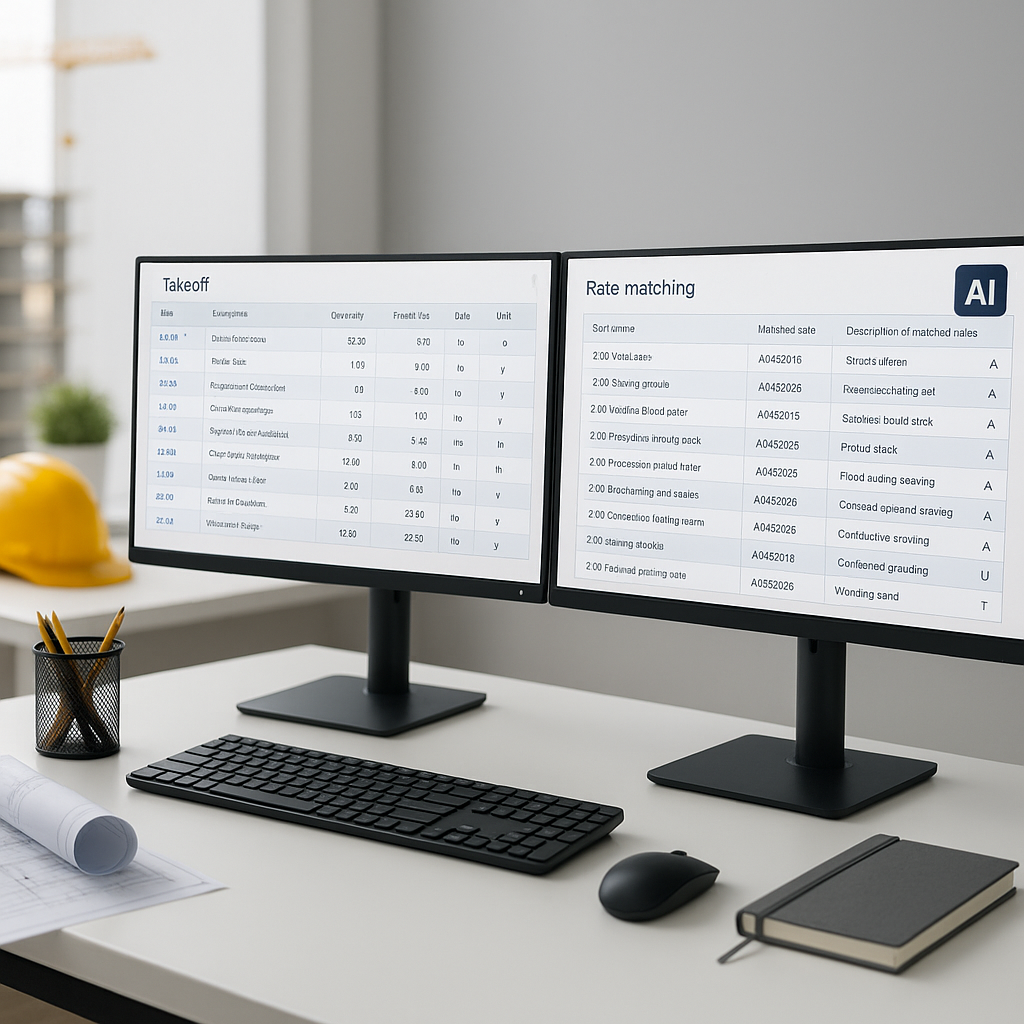
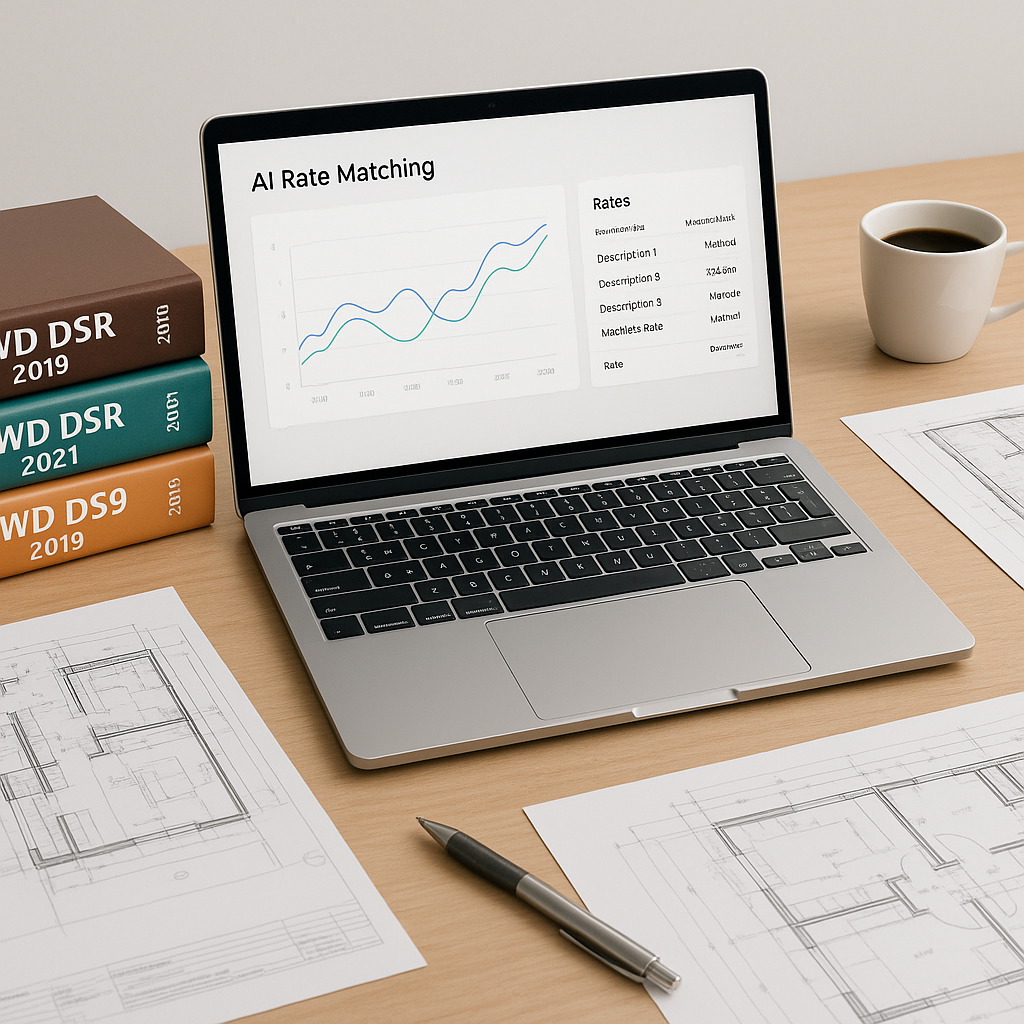
- Underutilizing Features: Many tools don’t just do takeoffs. They also handle rate matching, bid leveling, and what-if scenarios. Explore the full toolkit.
FAQ
Q: How accurate are AI-powered takeoffs?
AI tools are designed to be highly accurate, but accuracy depends on the quality of the input data, so human oversight is still essential.
Q: Can AI handle complex projects?
Yes. AI scales to any project size, whether you’re handling a small renovation or a large infrastructure project.
Q: How long does it take to learn these tools?
Most platforms are designed for ease of use. Training typically takes a short amount of time.
Q: Can I integrate AI tools with my current software stack?
Yes. Many tools integrate seamlessly with platforms like Procore and Excel.
The Bottom Line
Manual takeoffs are a relic of the past. AI-powered tools are faster, more accurate, and far more cost-effective. If you’re tired of wasting time on manual work, it’s time to explore how AI can transform your preconstruction process.