The Takeoff Problem
Manual takeoffs are a time-intensive process. On a typical bid, teams often spend significant hours extracting quantities from drawings—measuring walls, counting doors, and tracing areas. This process can be prone to errors due to misread scales, missing dimensions, or revision changes, which can further delay downstream tasks like rate matching, scope normalization, and bid leveling.
Why does this matter? Because in preconstruction, time is money. Delays in takeoffs can lead to late submissions or rushed bids, which may compromise accuracy.
How AI Improves Takeoffs
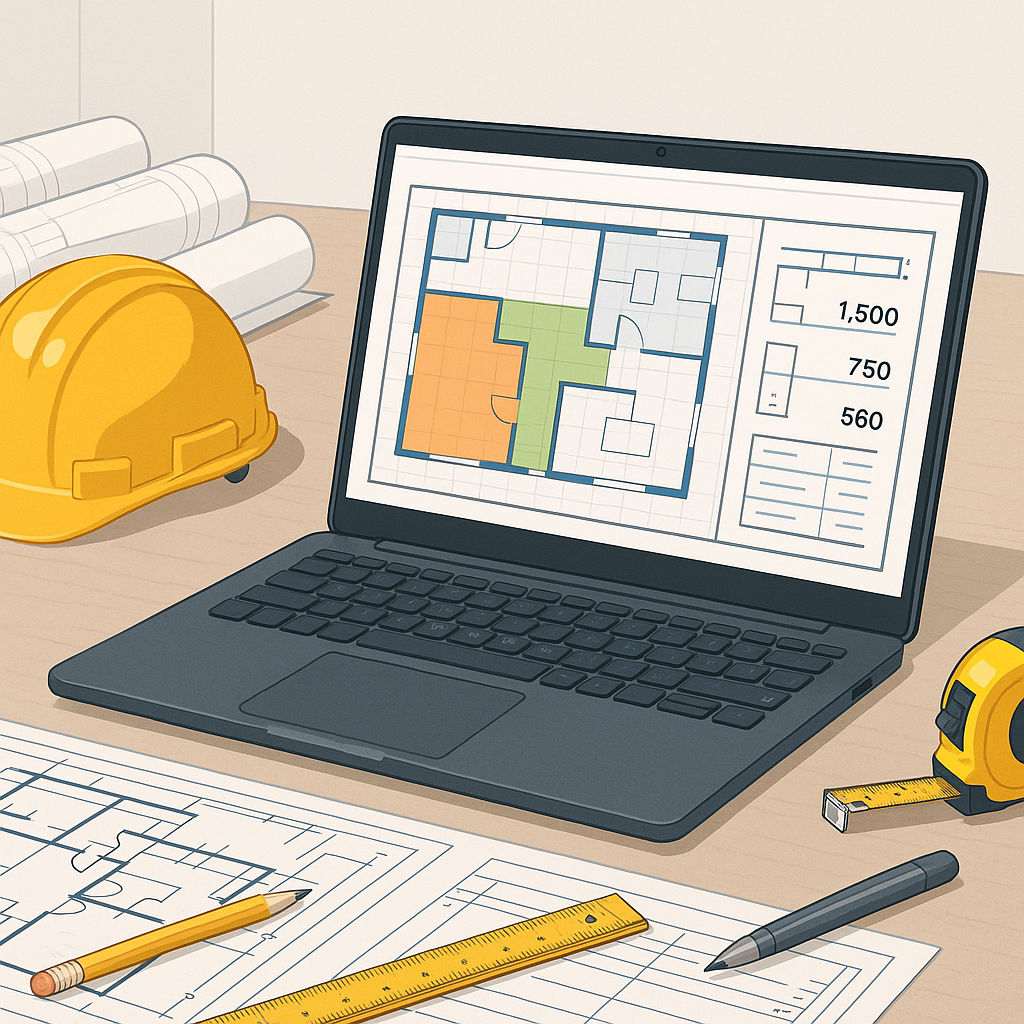
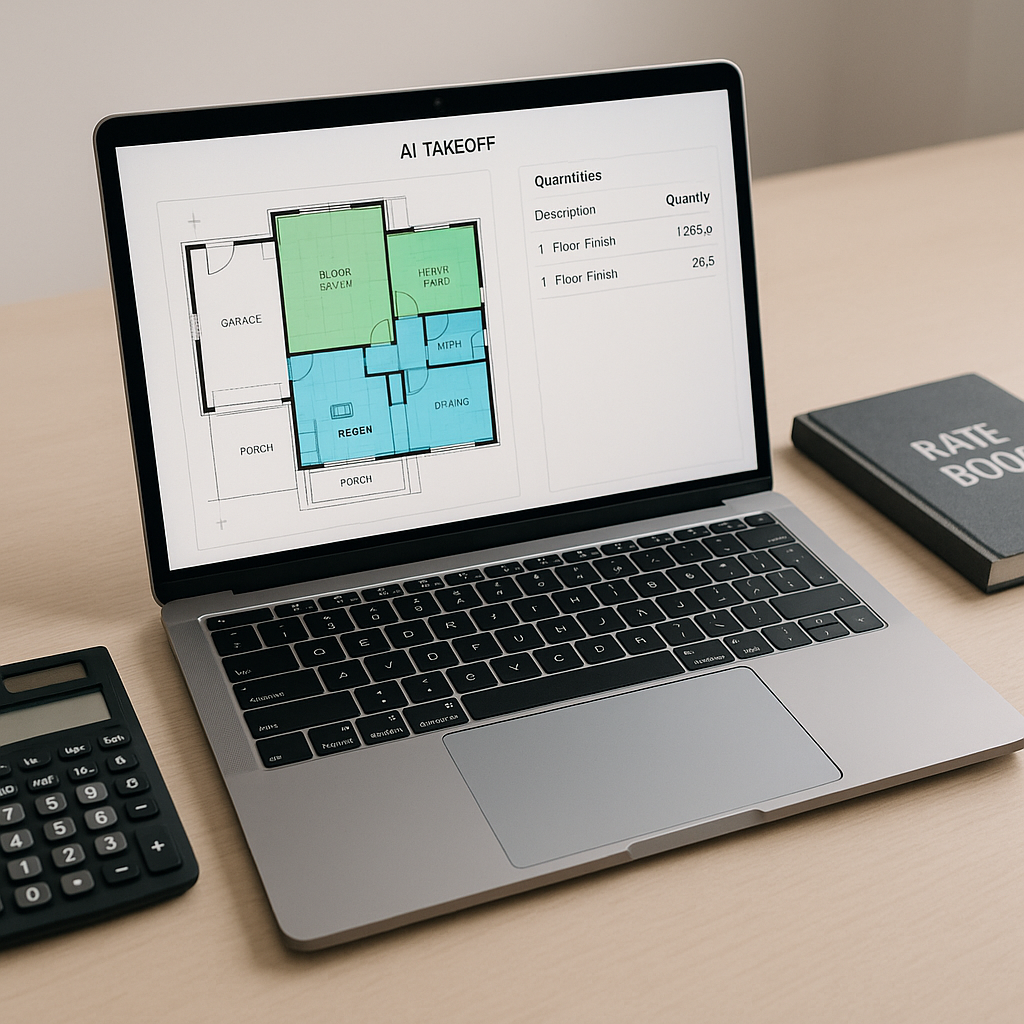
AI-powered tools are transforming the takeoff process. Instead of manually tracing drawings, users upload a PDF set, and the system extracts quantities automatically. For example, room areas, wall lengths, or structural counts can be identified and measured by the software.
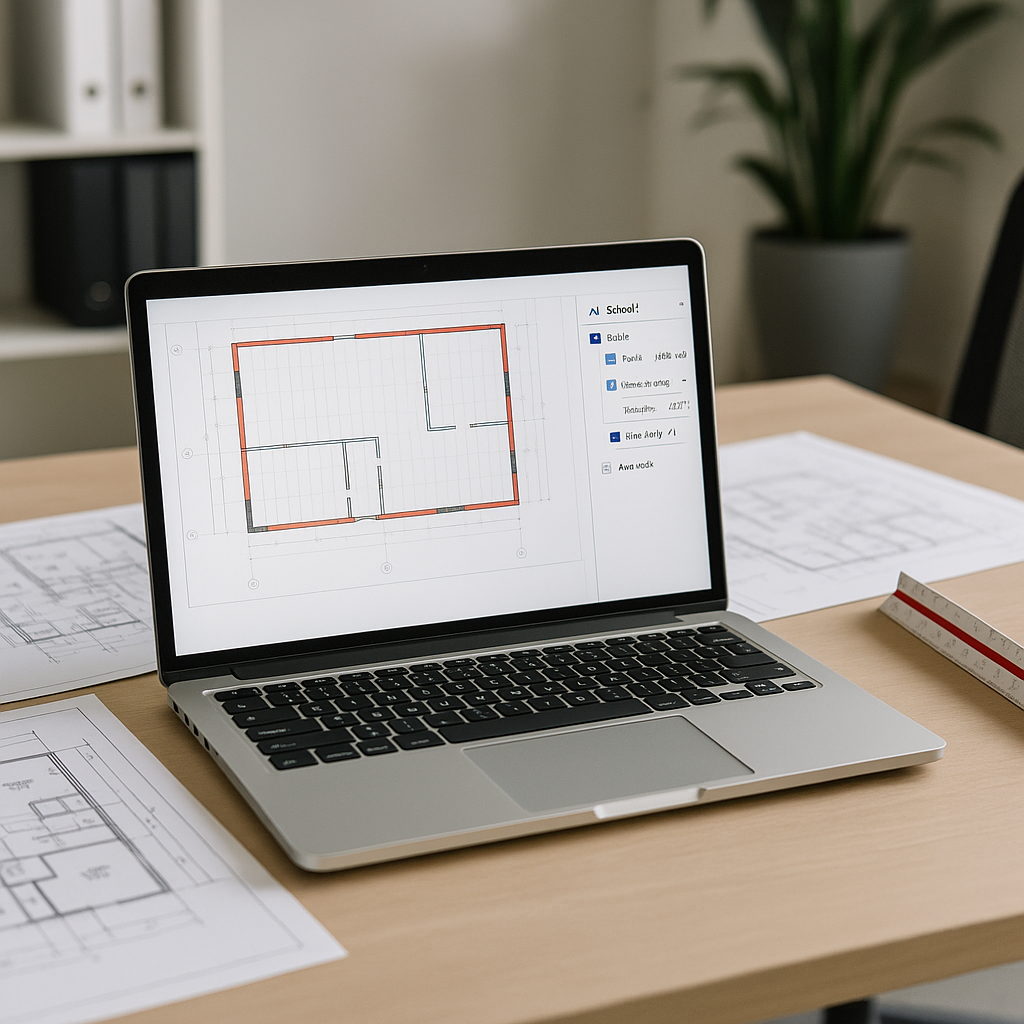
These tools use machine learning algorithms to identify patterns such as walls, openings, and fixtures, extracting dimensions efficiently. Users can review and override the results manually if needed, ensuring accuracy.
Common Objections
Some professionals may worry that AI cannot replace the expertise of an experienced estimator. This is true—AI is a tool, not a decision-maker. It handles repetitive tasks, allowing estimators to focus on higher-value activities such as validating quantities, negotiating with subcontractors, and determining markups.
Another concern is accuracy. While AI can significantly reduce errors, the quality of input data is crucial. Poorly labeled or incomplete drawings still require human oversight. Many platforms include features like manual overrides to ensure users remain in control.
Why Speed Matters
Speed in takeoffs is not just about saving time—it enables smarter bidding. Faster takeoffs allow teams to price more bids, respond to last-minute changes, and refine estimates without rushing. For general contractors managing multiple pursuits annually, this efficiency can make a significant difference.
What to Watch For
AI tools require thoughtful implementation. Here are some common considerations:
- Training: While most platforms are user-friendly, training your team ensures they maximize the tool’s potential.
- Verification: Trust the AI, but verify results. Focus reviews on areas flagged by the system as uncertain.
- Revisions: AI handles revisions well, but manual checks are still essential to ensure accuracy.
FAQ
Q: Can AI handle complex projects?
A: Yes, AI tools are scalable and can adapt to projects of varying sizes, from small renovations to large infrastructure bids.
Q: What’s the ROI for AI takeoffs?
A: Early adopters report significant time savings and efficiency gains, which translate into cost savings over time.
Q: How accurate are AI extractions?
A: AI can reduce discrepancies significantly, but human oversight remains essential for final validation.
Q: Does AI integrate with existing software?
A: Many platforms integrate with commonly used tools like Procore, Bluebeam, and Excel.
The Bottom Line
AI-powered takeoffs streamline the most time-consuming aspects of preconstruction estimation. By automating repetitive tasks, these tools free up teams to focus on strategic activities like refining bids and negotiating margins. For construction professionals looking to improve efficiency and accuracy, AI tools offer a compelling solution.