Why Rate Lookup Is Painfully Inefficient
If you've worked in preconstruction, you know the drill. Every estimate starts with the dreaded rate lookup. Flipping through extensive rate books like RSMeans or CPWD DSR is tedious. Missing one line item could impact your bid margins, and manual entry is prone to mistakes.
Take a typical scenario: you're pricing a project with a BOQ containing numerous items. Finding the right labor, material, and equipment rates for each line can take significant time. This process becomes even more complex when working across multiple geographies with varying standards like CSI MasterFormat or CPWD norms.
The AI Solution: Semantic Rate Matching
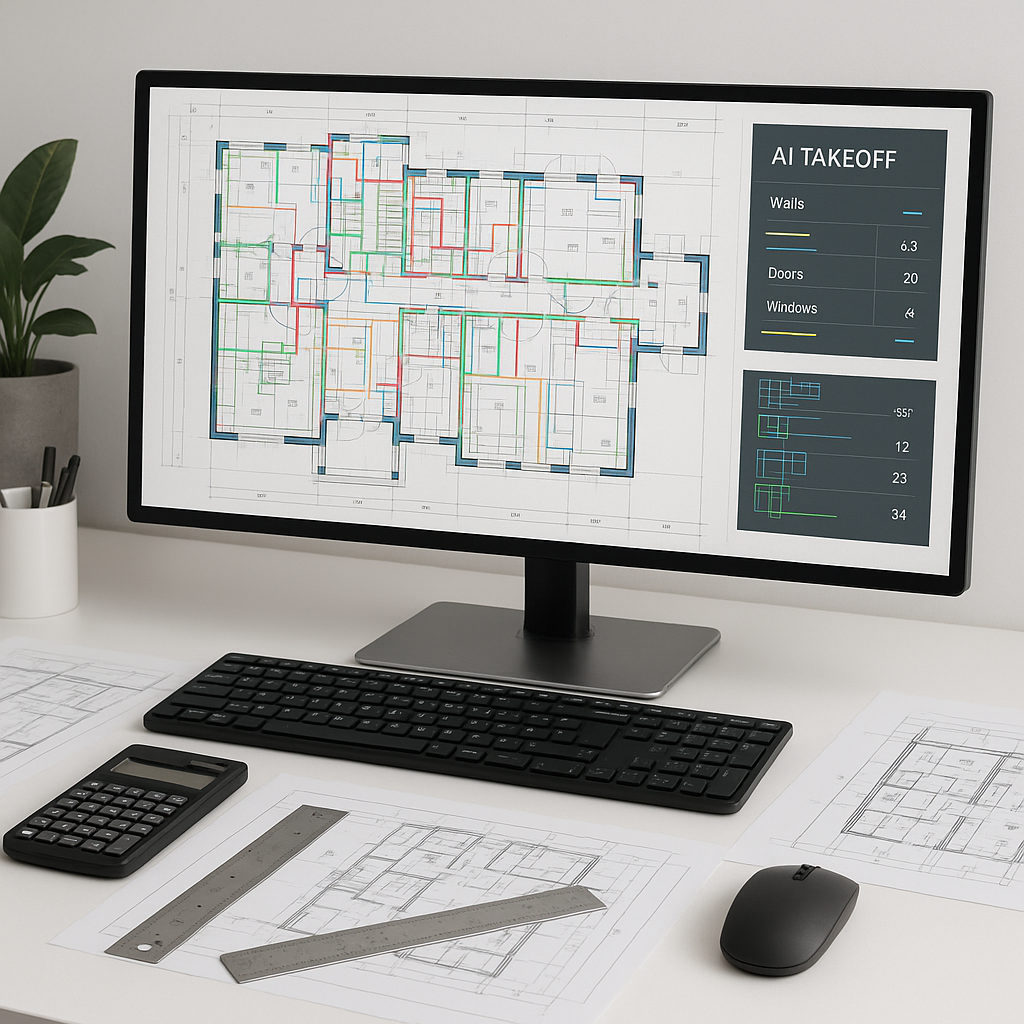
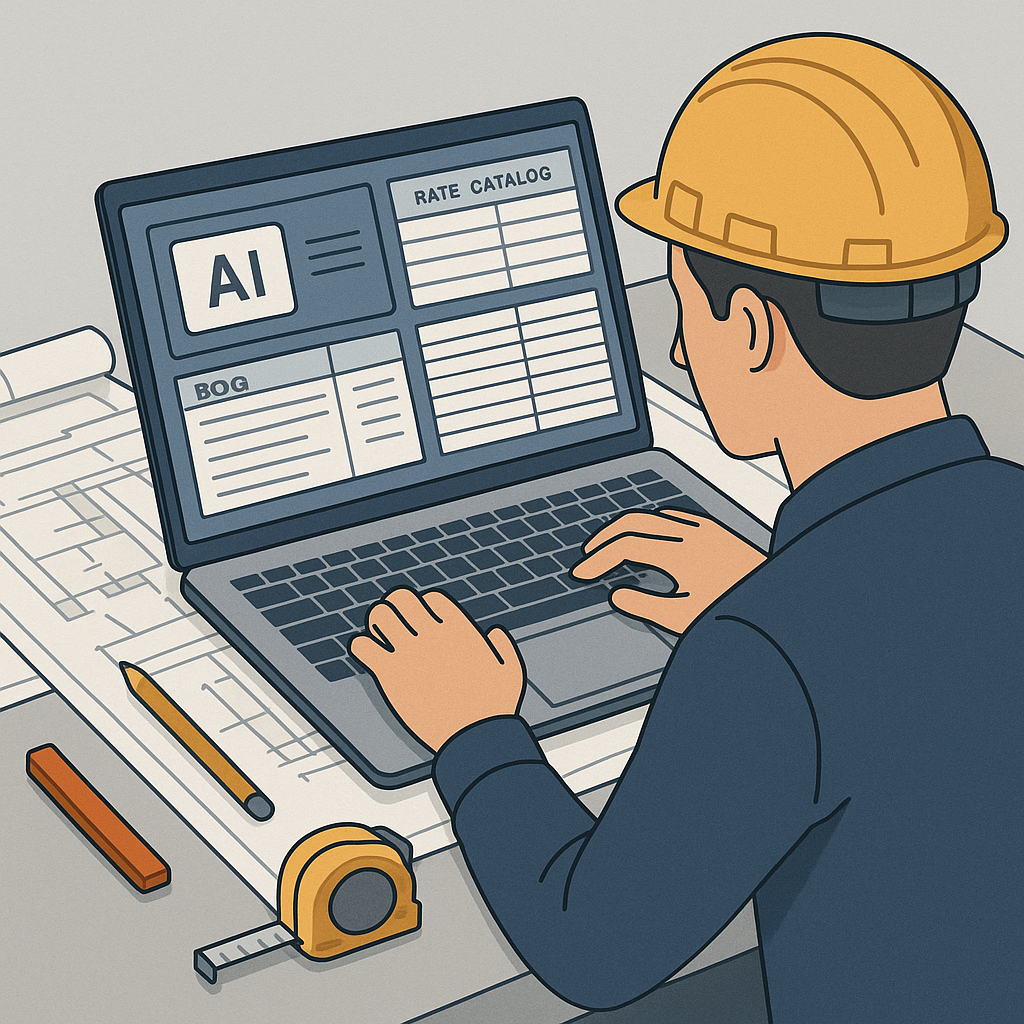
AI-powered rate matching offers a more efficient alternative. Instead of manually searching through PDFs or spreadsheets, you can upload your BOQ into an AI-enabled platform. The AI scans your BOQ, identifies line items, and matches them to relevant rates from its database.
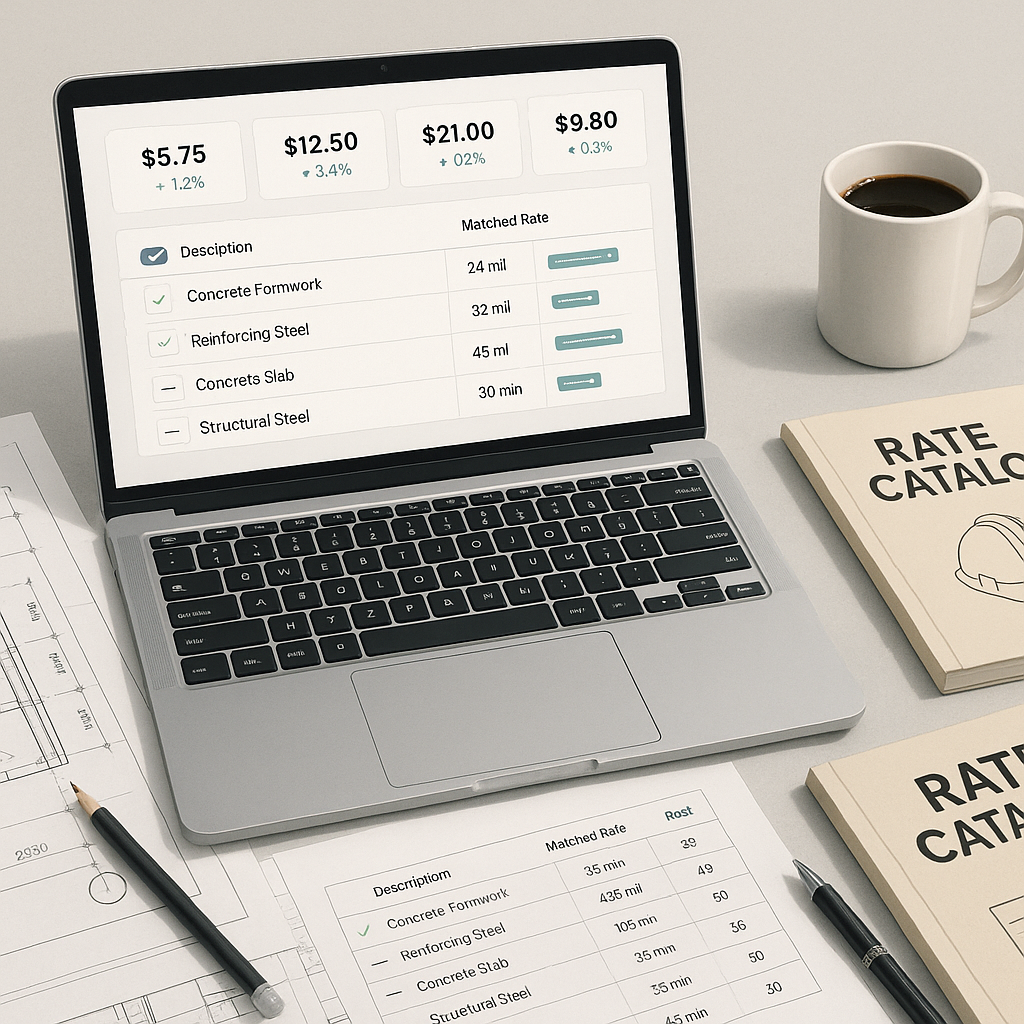
For example, if you need the labor rate for installing pre-stressed concrete girders, you can simply input the item description. The system uses semantic search to find the closest match instantly. It can also account for custom rates you've added for previous projects.
How It Works
Here’s a breakdown of the process:
- BOQ Parser: Upload your Excel or CSV file. The AI auto-detects headers, hierarchies, and merged cells.
- Catalog Search: The system scans tenant history, user catalogs, country-specific catalogs, and fallback options.
- Rate Analysis: You receive a detailed breakdown of labor, material, and equipment costs, along with an audit trail.
- Custom Adjustments: Add inflation uplifts or cost factors like overhead and profit percentages.
Illustrative Example — How AI Saves Time
Imagine a contractor pricing a bid for a high-rise project. Instead of manually searching rates for items like HVAC ductwork or electrical panel installation, they use an AI-powered tool. The AI processes the BOQ and matches rates in seconds, generating an export-ready report in the required format. This approach significantly reduces the time spent on rate lookup and minimizes errors.
Common Questions
Q: Is AI accurate for rate matching?
AI tools can achieve high accuracy with feedback and learning. However, manual oversight is recommended for unique or complex items.
Q: Can it handle multi-market complexity?
Yes, many platforms support multiple standards (e.g., CPWD, NRM2, CESMM3) and currencies, making them suitable for diverse projects.
Q: What if my rates are custom?
You can upload your own rate catalogs, and the AI integrates them seamlessly for future use.
What to Watch For
- Input Quality: AI is only as good as the data you provide. Ensure your BOQ is clean and well-structured.
- Edge Cases: Rare or niche items may still require manual review.
- Learning Curve: The system may improve accuracy after processing a few projects.
Conclusion
If rate lookup is slowing down your estimation process, consider exploring AI-powered tools. These platforms simplify workflows, save time, and reduce errors, making preconstruction estimation more efficient.