The Pain of Manual Rate Lookup
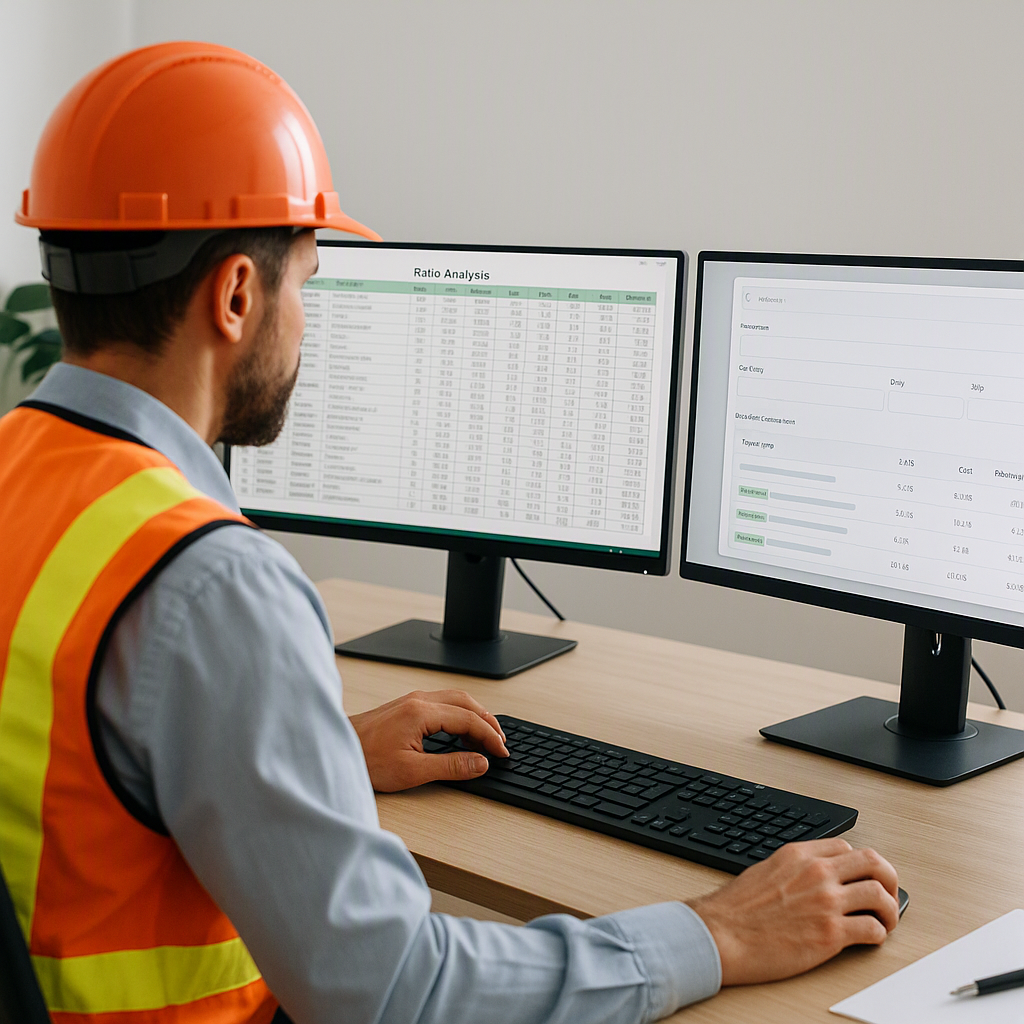
If you're a general contractor, you already know how tedious rate lookup can be. Flipping through massive PDFs like RSMeans or CPWD DSR, trying to match every BOQ line item with the right rate, is no one's idea of efficiency. On a mid-sized project, this process alone can eat up significant time. Worse, manual efforts are prone to errors — mismatched rates, overlooked items, or outdated data.
But here’s the thing: rate lookup isn’t just time-consuming. It directly impacts your bid competitiveness. A missed rate or wrong assumption can shave your margins or — worse — price you out of the running entirely.
How AI Changes the Game
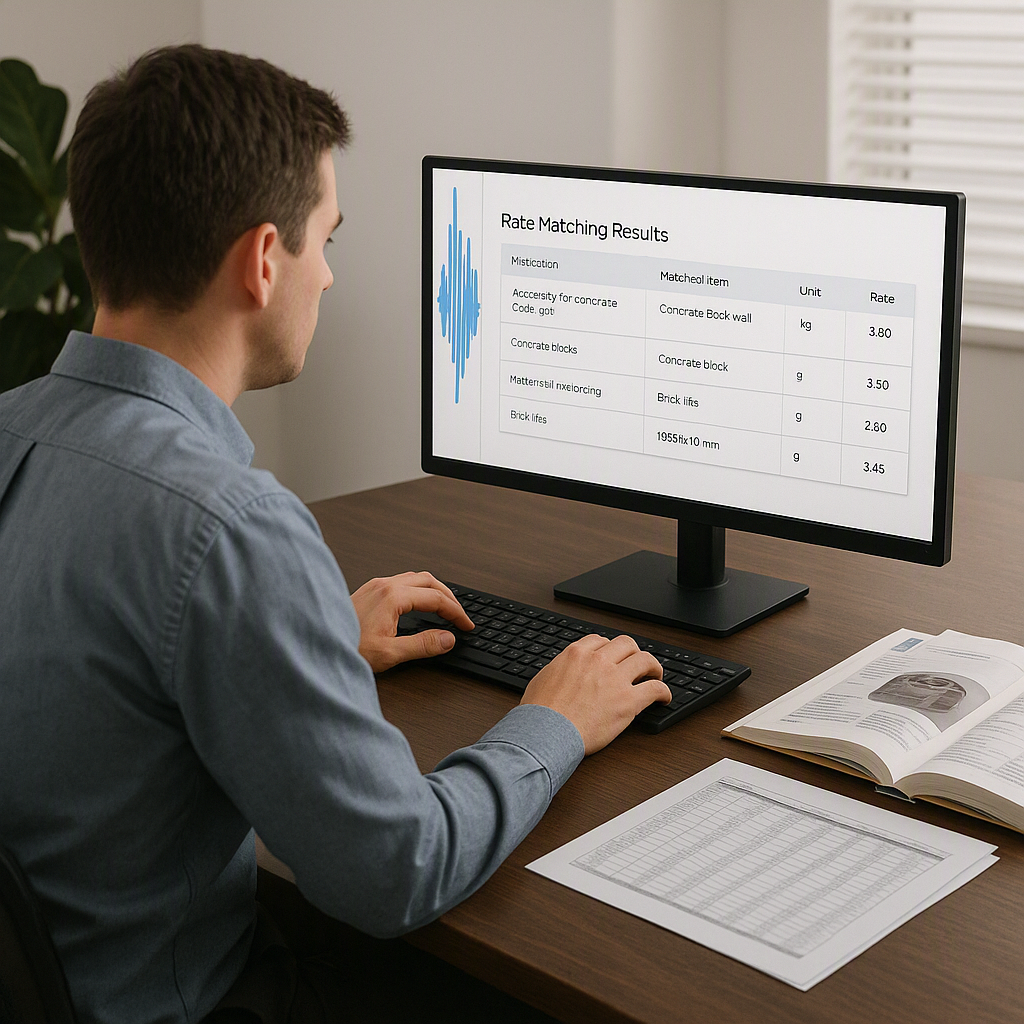
This is where AI-powered rate matching steps in. Instead of flipping pages or manually scrolling through spreadsheets, tools like EstimateNext use semantic search to match BOQ items with the most relevant rates in seconds.
Here’s how it works:
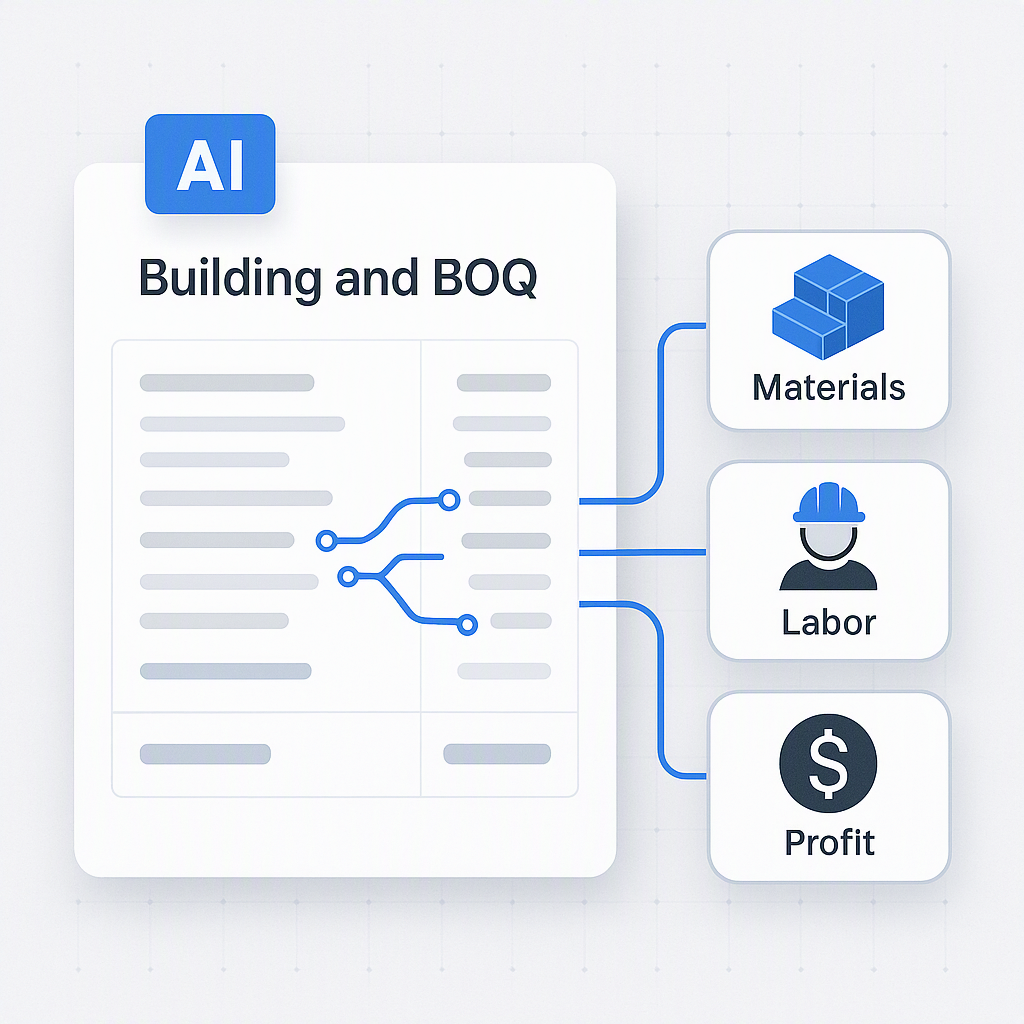
- Upload Your BOQ: Just drag and drop your spreadsheet or CSV. The system parses it, auto-detecting merged cells, headers, and hierarchies.
- Semantic Search Across Catalogs: AI scans thousands of SOR items from catalogs like RSMeans, CPWD DSR, and regional indices. It matches your BOQ items based on context, not just keywords.
- Custom Catalog Integration: Use your own rates or vendor-specific pricing? No problem. The AI integrates them seamlessly for future projects.
- Audit Trail: Every match includes a source reference, so you can verify and adjust as needed.
Benefits of AI in Estimation
AI-powered rate matching can significantly reduce the time spent on manual rate lookup, allowing contractors to focus on higher-value tasks like bid strategy or subcontractor negotiations. Additionally, AI tools can flag outdated rates and suggest inflation-adjusted alternatives, helping contractors create more competitive bids and avoid post-award surprises.
Common Objections (and Answers)
You might be thinking: "AI tools can't understand the nuances of my project." Fair point. AI isn’t perfect, but it’s designed to complement your expertise, not replace it. You still review and finalize rates — the AI just gets you most of the way there.
Another concern is the learning curve. AI systems adapt to your inputs, getting smarter with every adjustment, which improves their performance over time.
What to Watch For
- Overconfidence in AI: Always verify high-impact rates manually, especially for unique materials or labor conditions.
- Initial Setup: Custom catalog integration takes time upfront but pays off in future projects.
- Inflation Adjustments: Ensure rates reflect current market conditions, especially in volatile sectors.
Conclusion: Time to Rethink Your Tools
Manual rate lookup is a bottleneck you can’t afford anymore. AI-powered tools like EstimateNext streamline the process, freeing up your team to focus on what really matters — winning bids and delivering projects profitably. If you're dealing with the challenges of manual estimation, AI-powered solutions can help.