Work Zone Safety Isn’t Optional—It’s a Crisis in the Making
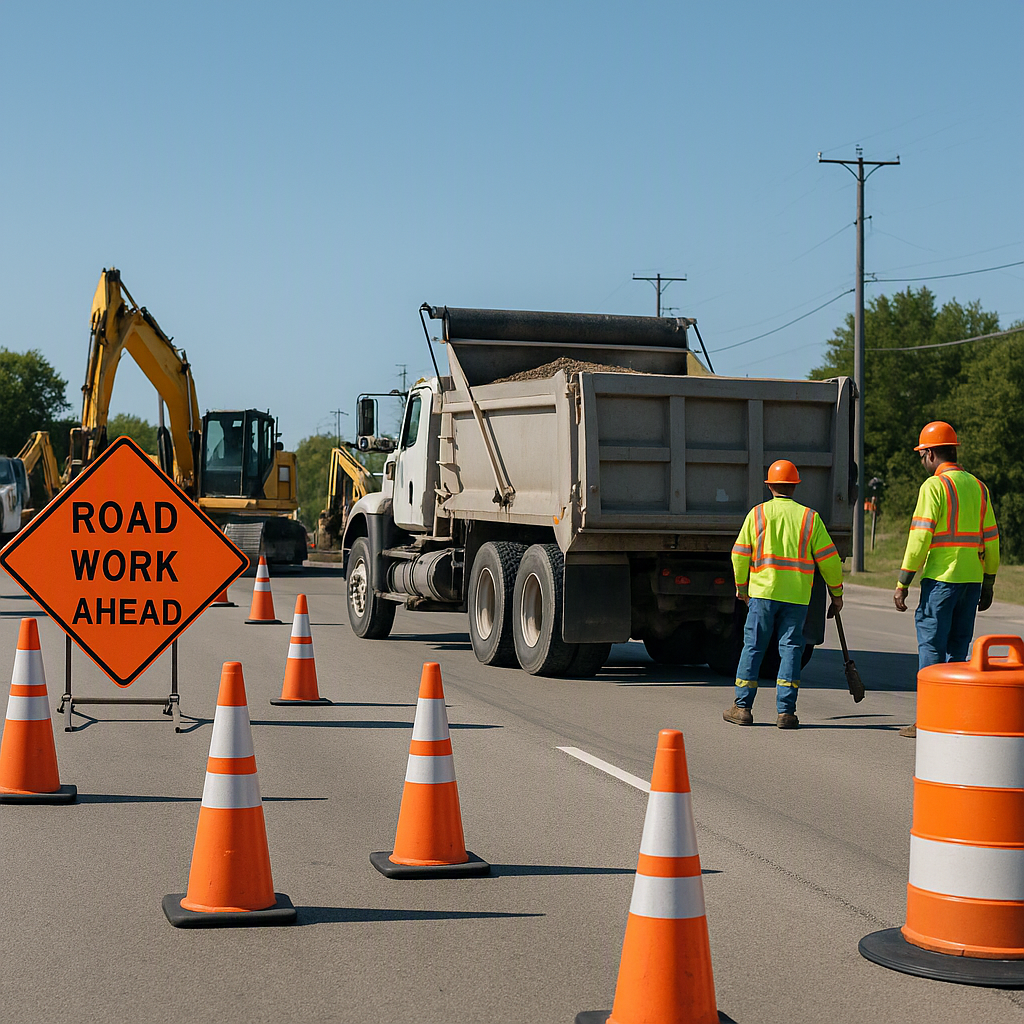
For years, work zone safety was often treated as just another checkbox in the construction and trucking industries. Put up some cones, set a speed limit, and hope for the best. After all, work zones have been managed the same way for decades, right? But here's the truth: that mindset is not just outdated—it’s dangerous.
In 2022 alone, work zone crashes in the United States resulted in over 800 fatalities and tens of thousands of injuries, according to the Federal Highway Administration. And that doesn’t even consider the financial costs—delayed projects, lawsuits, and skyrocketing insurance premiums. These aren’t just the costs of doing business; they’re indicators of a system that needs urgent improvement.
Why the Old Ways Persist
Before diving into what needs to change, it’s important to understand why the old ways have stuck around for so long.
1. Inertia
Work zones have always "worked," in the loosest sense. Sure, they’ve been inefficient, and yes, accidents were acknowledged as unfortunate but inevitable. But when budgets are tight, it’s hard to justify spending more on what many people see as a sunk cost. The industry has historically operated under the assumption that accidents are an unavoidable byproduct of construction.
2. Lack of Clear Responsibility
Is work zone safety the contractor’s job? The trucking company’s? The state’s? Often, everyone assumes someone else will handle it. This finger-pointing only delays real solutions. Without clear accountability, safety measures fall through the cracks. For example, contractors might focus on hitting deadlines while ignoring traffic management, assuming it’s the state’s job to monitor compliance. The result? Preventable accidents.
3. Technological Gaps
The tools we’ve relied on—Excel sheets, physical rate books, and manual processes—don’t make it easy to adapt to the complexities of modern projects. If you’re spending hours flipping through a 2,000-page standard schedule of rates (SOR) trying to price out a project, where’s the time to plan a safer, smarter work zone? Manual workflows also leave little room for proactive adjustments when conditions change unexpectedly.
The 2024 Mandate: Safety as a Priority
So, what’s changed? Why must 2024 be the year we take work zone safety seriously?
1. Increased Infrastructure Investment
The American Road & Transportation Builders Association reports that infrastructure investment is expected to hit record highs, fueled by federal funding and private investments. More work zones mean more opportunities for accidents—unless we act now. With billions of dollars at stake, the margin for error is shrinking. Delays or accidents can derail entire projects, wasting taxpayer and investor money alike.
2. Rising Freight Tonnage
The American Trucking Associations projects a significant increase in freight tonnage over the next decade. This means busier roads and more trucks navigating work zones. Without better coordination and safety measures, the collision risks will multiply. Trucking companies will face higher insurance premiums, operational delays, and potential litigation if they fail to adapt.
3. Regulatory Pressure
While not always enforced consistently, federal and state agencies are increasingly holding contractors and trucking firms accountable for safety violations. For example, OSHA (Occupational Safety and Health Administration) has been levying higher fines for workplace hazards, including unsafe work zones. Compliance isn't just a legal requirement—it's a safeguard against financial and reputational damage.
The Role of Technology in Work Zone Safety
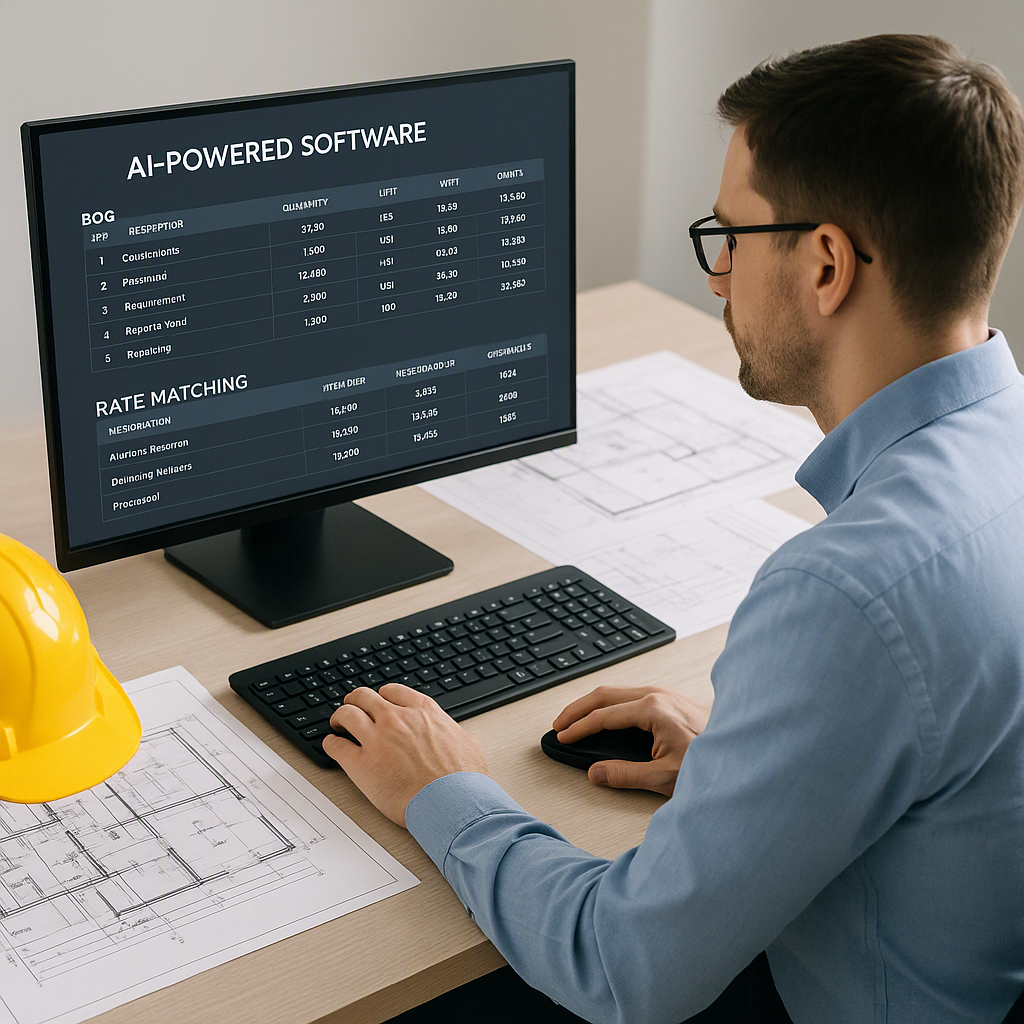
This is where tools like AI-powered preconstruction estimation platforms can play a role. While these tools are primarily known for streamlining project estimates, their capabilities extend into areas that can directly impact work zone safety. Here’s how:
1. Faster, Smarter Preconstruction Planning
One of the biggest challenges in work zone safety is poor planning. When contractors and trucking companies don’t have accurate estimates or timelines, work zones become chaotic. AI tools can extract quantities from drawings quickly, allowing teams to spend more time planning safety measures and less time on manual takeoff tasks.
For example, AI tools can identify potential bottlenecks in traffic movement based on project layouts. This enables project managers to design alternate routes or stagger work schedules to minimize congestion and reduce accidents.
Actionable Step: During the bidding phase, incorporate safety considerations into your project timeline and cost estimates. Use AI tools to identify not just the materials and labor required, but also the traffic flow adjustments and protective measures necessary for a safer work zone.
2. Real-Time Adjustments
Work zones are dynamic. Traffic patterns change, weather conditions shift, and unexpected delays can throw everything off. One of the most frustrating things about traditional tools is how rigid they are. Change one variable in an Excel sheet, and you might have to redo the entire workbook.
Modern tools allow for real-time updates. Need to add a new lane closure or adjust traffic flow for a late equipment delivery? These changes can be made instantly, ensuring that safety remains a priority even as conditions evolve.
Comparison:
| Traditional Planning Tools | Modern AI-Powered Tools |
|---|---|
| Static and hard to update | Dynamic and adjust in real-time |
| Labor-intensive manual inputs | Automated data extraction |
| Limited collaboration features | Cloud-based, multi-user access |
3. Collaboration Between Trades and Trucking
Construction and trucking don’t always communicate effectively. Miscommunication about project timelines and site conditions can lead to trucks arriving too early, getting stuck in queues, or navigating unsafe zones. Shared platforms can bridge this gap by providing real-time updates, ensuring that both contractors and trucking companies stay on the same page.
Actionable Step: Implement a shared communication platform that provides updates on site conditions, schedules, and potential hazards. Ensure all stakeholders—from project managers to truck drivers—have access to the same information.
What We’re Still Getting Wrong—and How to Fix It
Even with advanced tools, there’s no silver bullet. Human error remains a huge factor. Workers might ignore safety protocols to save time, or drivers might speed through zones despite warnings. Training, accountability, and a safety-first culture are just as critical as any tool.
Training Gaps: Workers and drivers need regular, hands-on training to understand safety protocols and how to react in real-world scenarios. Online modules are insufficient without practical application.
Budget Constraints: Safety measures often feel like an added expense rather than an investment. But this is short-sighted. The National Safety Council estimates that workplace injuries cost U.S. employers over $171 billion annually. A single accident can derail a project, sour client relationships, and tarnish reputations. The cost of prevention is always smaller than the cost of failure.
Data Blind Spots: Many contractors and trucking companies simply don’t collect or analyze enough safety data to make informed decisions. This is another area where AI can help, but only if we’re willing to embrace it.
The Cost of Being Wrong
Ignoring work zone safety costs time, money, and—most importantly—puts lives at risk. Safety isn’t just a moral obligation; it’s a business imperative. Until every contractor and trucking company sees safety as non-negotiable, we’ll keep paying the price.
By prioritizing smarter planning, better communication, and data-driven decision-making, we can make 2024 a turning point for work zone safety.