I Used to Think AI Couldn't Handle Preconstruction Nuance
Honestly, I thought AI in preconstruction was all hype. Estimation isn’t just math; it’s judgment. Picking the right rates, understanding exclusions, and catching gaps in scope—these are things I believed only experienced estimators could handle. AI? It seemed like a flashy toy for tech folks who didn’t understand how real construction worked.
And I wasn’t alone. Most general contractors I’ve worked with felt the same. They’d say things like, “AI doesn’t know our market,” or, “It can’t replace my team’s experience.” That skepticism kept me—and them—stuck in manual workflows.
What Changed My Mind? A Shift in Perspective
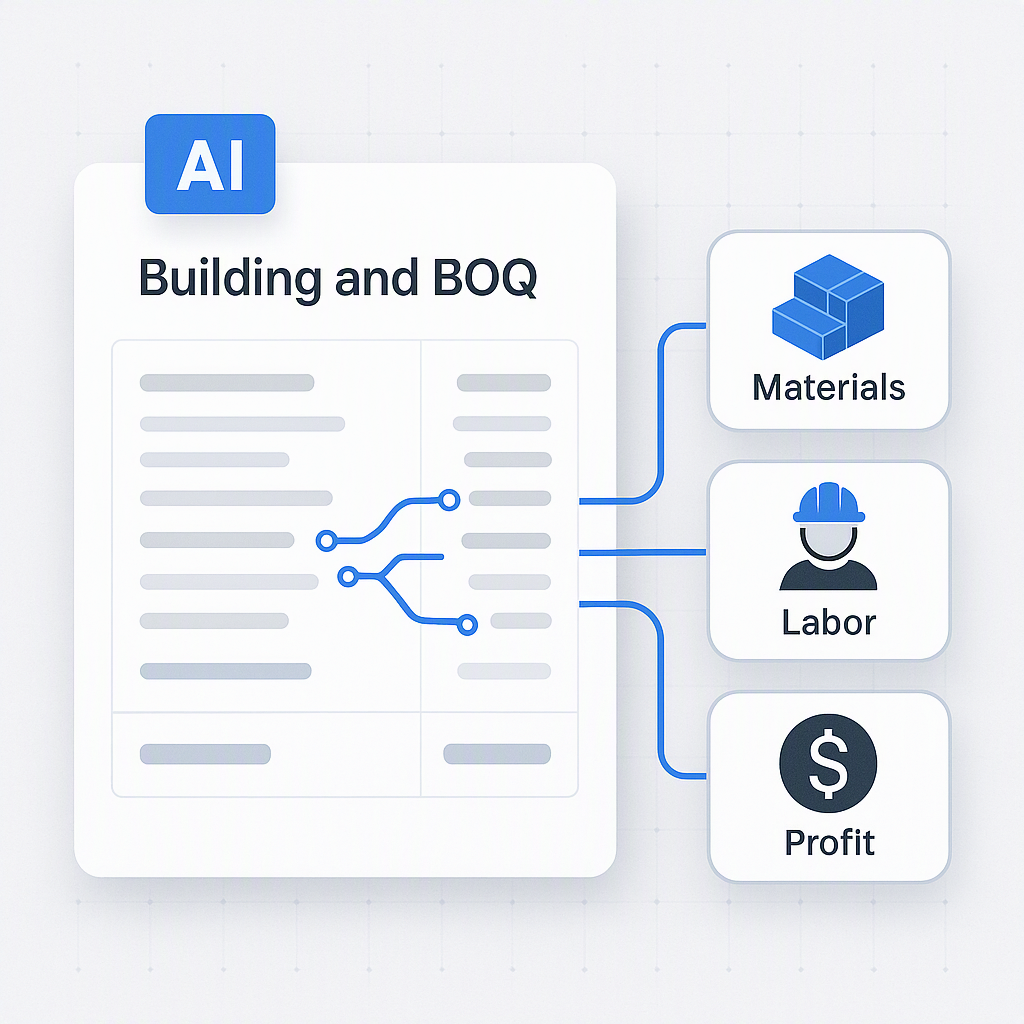
This shift didn’t come from a conference or some slick demo. It came from seeing how AI tools could assist in specific tasks like rate matching and identifying potential discrepancies. For example, AI can process large quantities of data, such as BOQs, and cross-reference rates from multiple sources. This can significantly reduce the time spent on manual tasks and improve accuracy.
What stood out to me was how AI didn’t just automate repetitive tasks—it provided insights, such as flagging discrepancies in labor costs or highlighting unrealistic exclusions. These are areas where human estimators might miss details due to time constraints or oversight.
The result? Faster, more accurate bids and a boost in confidence for the team. That’s when I realized AI wasn’t trying to replace judgment; it was amplifying it.
Why the Old Belief Stuck Around
Looking back, I can see why I clung to the idea that AI wasn’t ready. First, most AI tools were terrible a few years ago. Early platforms promised speed but delivered subpar results—wrong rates, mismatched scopes, and zero transparency. As one estimator told me, “Garbage in, garbage out.”
Second, the learning curve scared people. Who wants to risk a major bid on a system they barely trust? It’s easier to stick with Excel and rate books, even if they’re slow. Familiarity feels safer than innovation when margins are tight.
Finally, the human element mattered. Estimators take pride in their expertise. Admitting that AI could help felt, in a way, like admitting they weren’t good enough. It’s not true, but I get it.
What I Do Differently Now
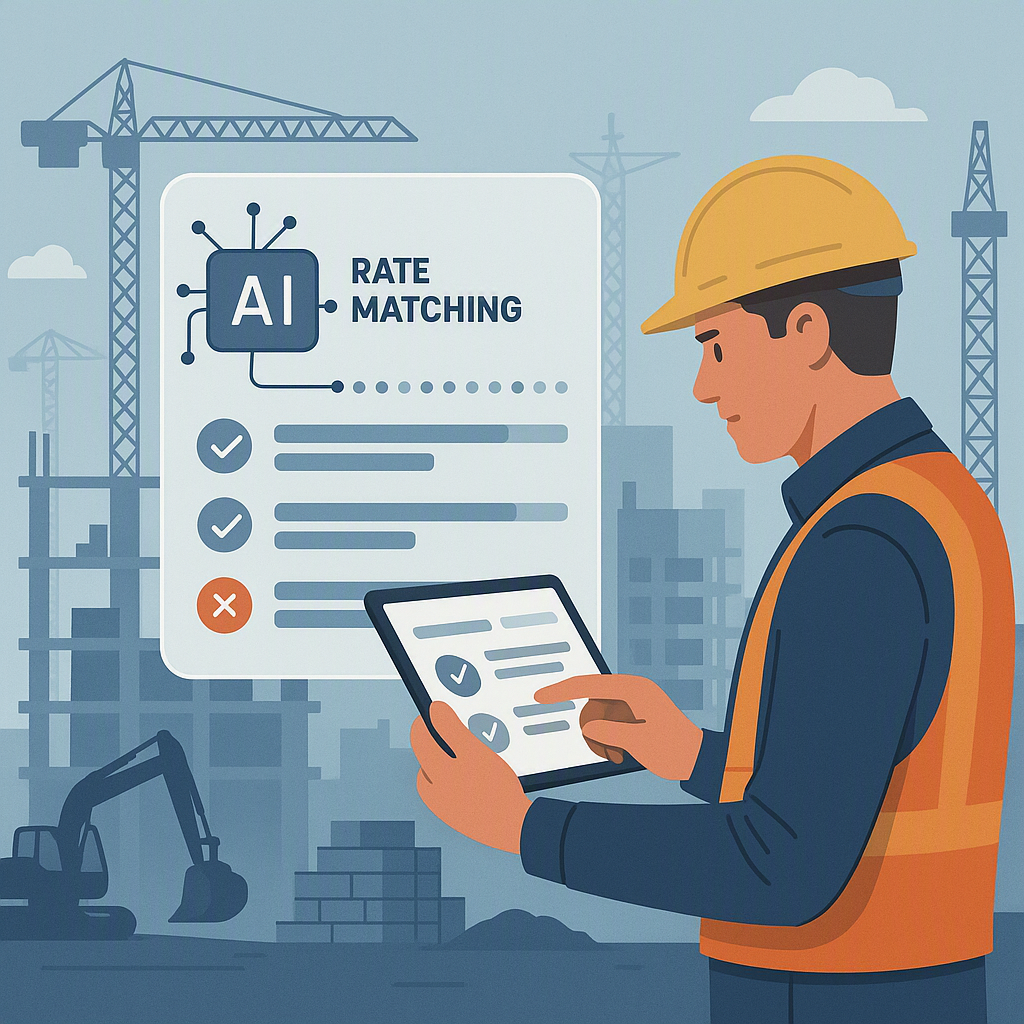
I’ve started recommending AI tools—but only for specific tasks. Rate matching is a perfect example. Tools can process thousands of SOR items across catalogs quickly. It’s not about replacing estimators; it’s about freeing them to focus on high-value work, like strategy and negotiations.
Here’s what I tell teams: start small. Pick one project, upload your BOQ, and let the AI handle rate matching. Then compare the results to your manual process. You’ll see the difference.
And don’t skip training. AI tools improve with feedback. The more you use them, the smarter they get. By the third project, you’ll trust the system.
What Being Wrong Cost
I underestimated AI for years, and that hesitation cost time and opportunities. Manual workflows are time-consuming and prone to errors that could be mitigated with the right tools. While AI can’t replace intuition or catch every nuance, it can significantly reduce repetitive tasks and provide valuable insights.
Still, AI isn’t the future—it’s happening now. The question isn’t whether to adopt it, but how fast you can make it work for you.
If you're looking to streamline your preconstruction estimation process, consider exploring AI-powered tools to enhance your efficiency and accuracy.