The Problem: Manual Takeoffs Are a Time Sink
Let’s not sugarcoat it—manual takeoffs are a grind. You’ve got two estimators, a stack of PDF drawings, and a clock ticking down to bid day. By the time they’re done tracing beams and counting fixtures, it’s a significant amount of time gone. That’s just to pull quantities, assuming no mistakes or rework.
But mistakes happen, don’t they? A missed measurement here, a duplicate count there. Suddenly, your bid numbers are off, and you’re either losing work or eating costs post-award. It’s not just inefficient; it’s risky.
The AI Solution: Faster and More Efficient Takeoffs
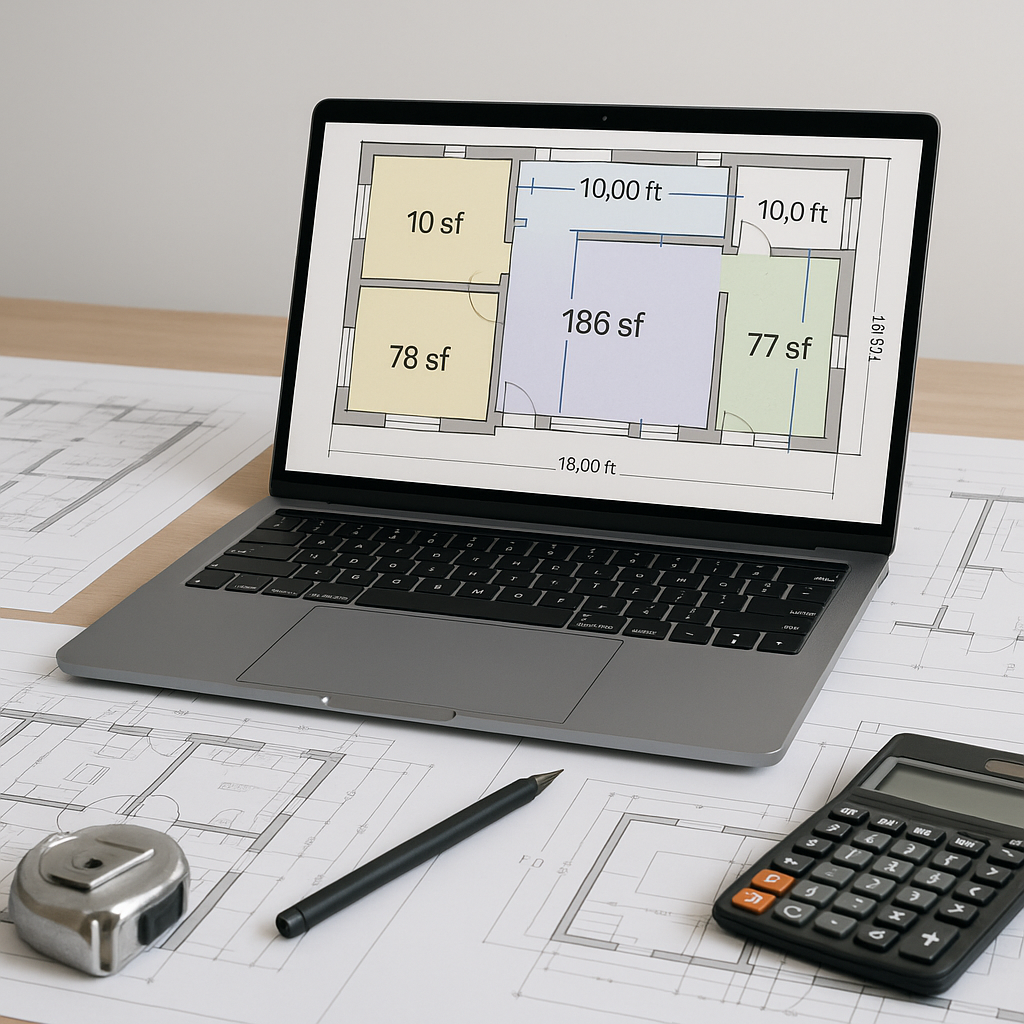
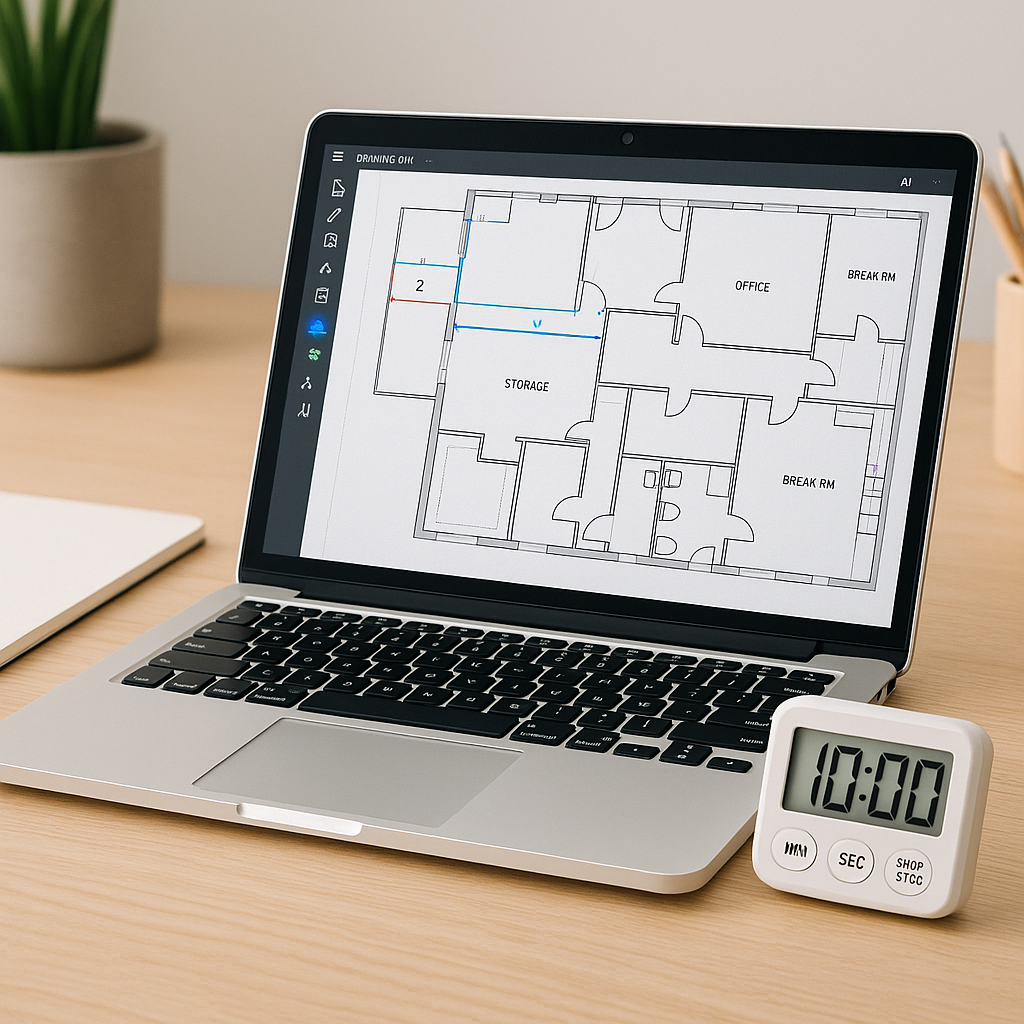
This is where AI-powered takeoff tools like EstimateNext change the game. Instead of flipping through drawings with a scale ruler or clicking through software for hours, you upload the PDFs. The Vision AI extracts quantities—walls, beams, doors, and more—automatically.
How? AI models trained on thousands of construction drawings recognize patterns, measure dimensions, and count repetitive elements. It’s like having an extra estimator who works faster and doesn’t need breaks.
What About Accuracy?
You’re probably wondering, “Sure, it’s fast, but can I trust it?” Fair question. No system is perfect, and AI isn’t magic. But tools like EstimateNext come with manual override features. If the AI is unsure about a measurement, it flags it for review. Human expertise stays in the loop where it matters most.
AI tools reduce the likelihood of errors caused by fatigue or oversight, offering a reliable way to handle repetitive tasks.
The ROI of AI-Powered Takeoffs
Illustrative example — Let’s consider a scenario where a team saves significant hours per estimate by using AI tools. If an estimator’s time is valued at a certain hourly rate, the savings can add up quickly over multiple bids. Faster takeoffs also mean you can turn around more bids, increasing your chances of winning work.
And it’s not just about the hours saved. Faster takeoffs mean you can focus on higher-value tasks like pricing strategy, subcontractor negotiations, or quality control.
Common Pushbacks
-
“We’ve always done it manually.”
Sure, but that doesn’t mean it’s the best way. Remember when teams resisted moving from paper to Excel? Same idea here—better tools exist. -
“AI doesn’t understand construction.”
True, AI doesn’t “think” like you do. But it doesn’t need to. It handles the repetitive grunt work so you can focus on strategy and judgment calls. -
“What if the AI misses something?”
That’s why manual override exists. Think of it as a second set of eyes—one that works faster and catches most errors before you do.
FAQ
Q: Can AI tools handle revisions to drawings?
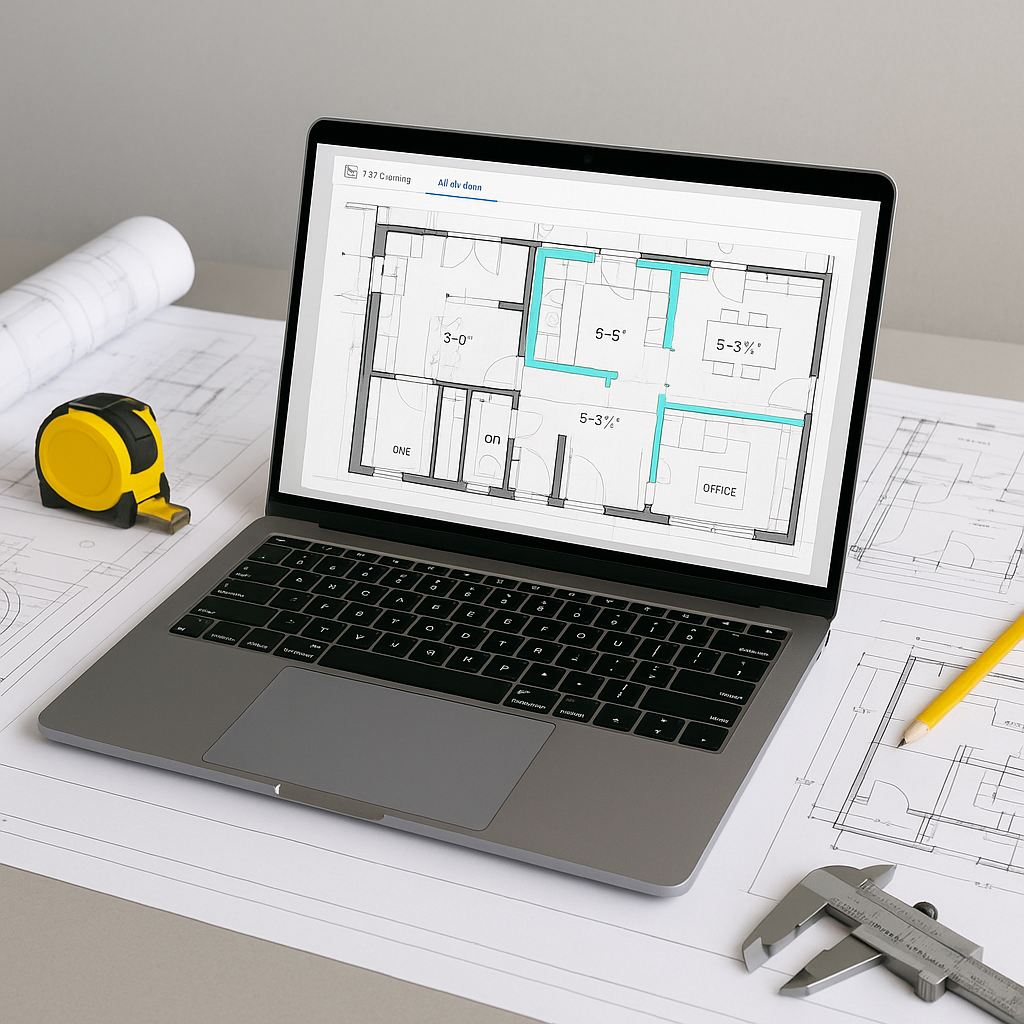
Yes. Upload the revised set, and the system highlights changes automatically. No more flipping back and forth between versions.
Q: What if I work on smaller projects?
AI scales. Whether it’s a small renovation or a large infrastructure project, the process is the same. You save time either way.
Q: How long does it take to learn the software?
Most teams get the hang of it in under two weeks. The interface is designed to feel intuitive, even for non-tech-savvy users.
Q: Does this replace estimators?
No. It augments them. The goal isn’t to replace people but to free them up for higher-value tasks like pricing strategy and subcontractor coordination.
Common Mistakes to Avoid
-
Ignoring flagged items.
Always review low-confidence measurements. Trust the AI, but verify. -
Skipping training.
A two-week learning curve is nothing compared to the hours you’ll save, but skipping it leads to frustration and missed opportunities. -
Not integrating with your workflow.
Tools like EstimateNext export directly to Excel, Procore, or whatever you’re already using. Take advantage of that.
Final Thoughts
AI-powered takeoffs are becoming an essential tool in preconstruction. If you’re still spending significant time on manual takeoffs, you’re missing an opportunity to improve efficiency and reduce errors. Tools like EstimateNext streamline the process, allowing your team to focus on the work that really matters.