Manual Takeoffs Are Time-Consuming
Manual takeoffs can be a significant drain on productivity. Estimators often spend long hours tracing lines on drawings and double-checking quantities. When architects send revised drawings, the process starts over, consuming even more time.
Mistakes can also occur, such as missing a beam length or miscounting doors, leading to inaccurate estimates. These errors can result in cost overruns, rework, and damage to professional reputation.
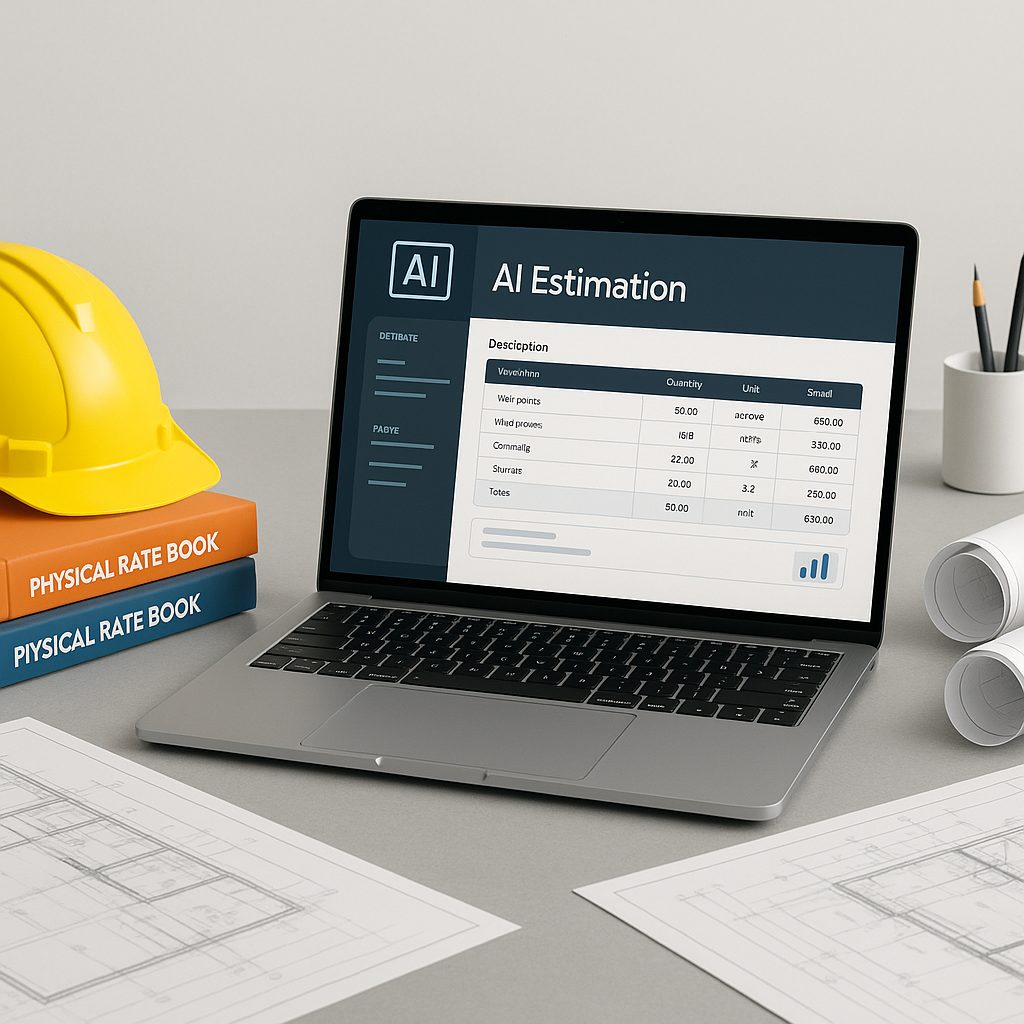
AI-powered takeoff tools offer an alternative by automating much of this process, allowing estimators to focus on higher-value tasks.
How AI Takeoffs Actually Work
AI takeoff tools streamline the estimation process by automating repetitive tasks. Here’s how they typically work:
-
Upload Your Drawings: Users upload PDF or CAD files of the project drawings.
-
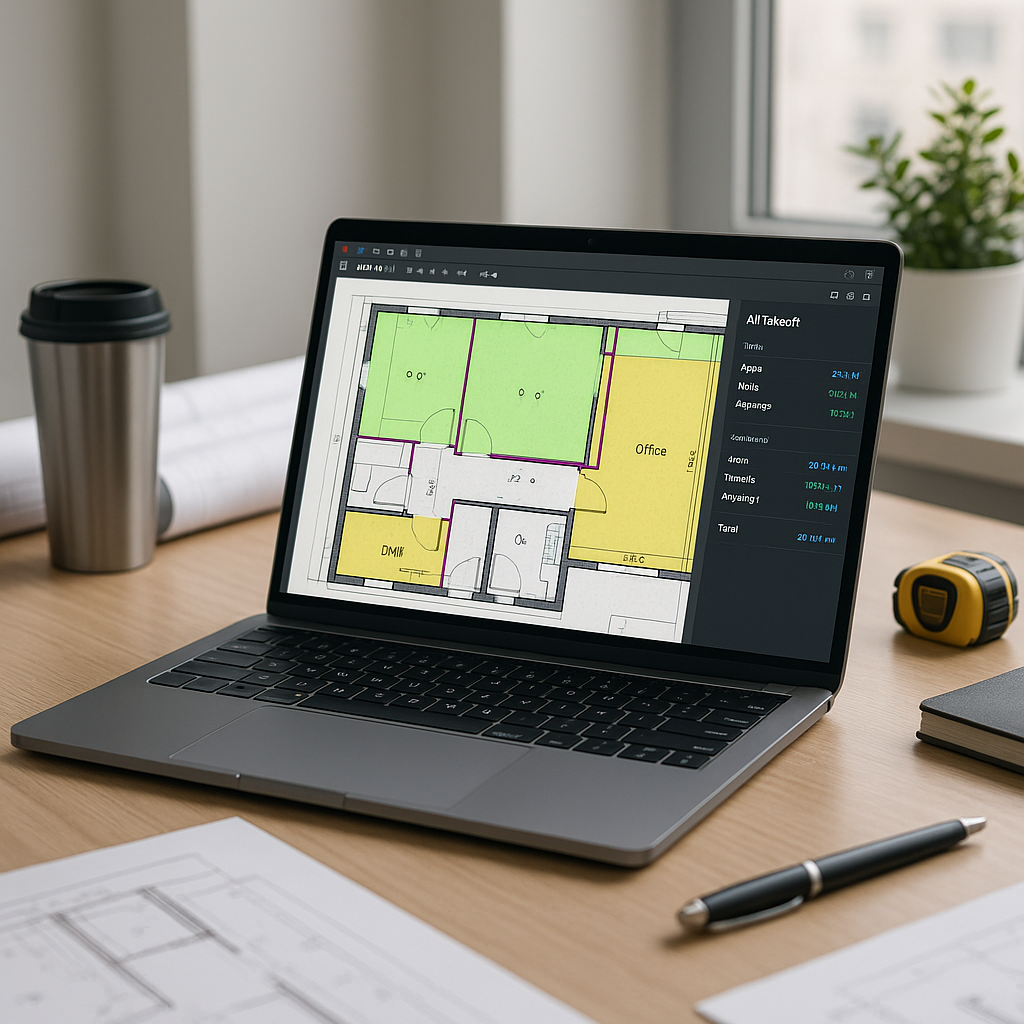
AI Reads the Drawings: The system uses computer vision to identify quantities such as room areas, wall lengths, and door/window counts.
-
Flagging Uncertainties: The AI highlights areas where it is unsure, allowing users to review and confirm details.
-
Adjust and Export: Users can make manual adjustments and export the quantities into a Bill of Quantities (BOQ) or other formats.
This approach reduces the manual workload and helps ensure accuracy, though human oversight remains essential for complex projects.
Why Speed Isn’t the Only Benefit
AI takeoff tools provide several advantages beyond speed:
- Accuracy: By reducing manual input, AI minimizes errors in quantity takeoffs, leading to more reliable estimates.
- Scalability: These tools can handle projects of varying sizes, from small renovations to large infrastructure developments.
- Team Efficiency: Senior estimators can focus on strategic tasks like subcontractor negotiations and bid refinement instead of repetitive data entry.
The ultimate benefit is that skilled professionals can dedicate their time to areas where their expertise adds the most value.
The Common Objection: “AI Can’t Think Like an Estimator”
While AI tools excel at automating repetitive tasks, they do not replace human expertise. Estimators still play a critical role in making judgment calls, setting margins, and finalizing bids. AI serves as a complementary tool, handling the groundwork so professionals can focus on decision-making.
Common Mistakes to Avoid
- Blind Trust in AI: Always review AI-generated takeoffs, especially for complex or unique projects. Human oversight is crucial.
- Skipping Training: While many AI tools are user-friendly, training is essential to maximize their potential. Teams should invest time in learning the software to ensure effective use.
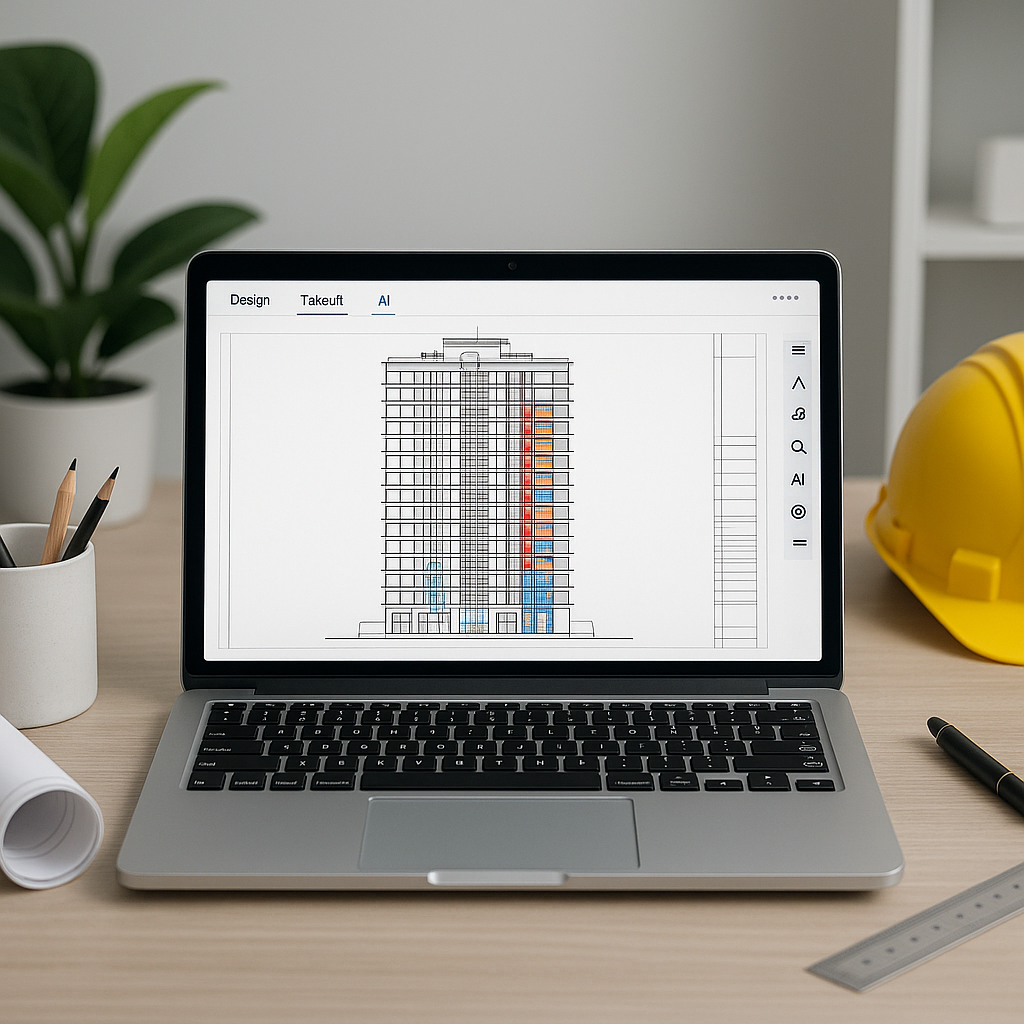
- Ignoring Revisions: Good AI tools allow users to upload revised drawings and compare changes. Leveraging this feature can save significant time during project updates.
FAQ
Q: How accurate are AI takeoffs?
AI tools are designed to be highly accurate, but they are not infallible. Manual review and adjustments are recommended to ensure precision.
Q: Can AI handle custom rate catalogs?
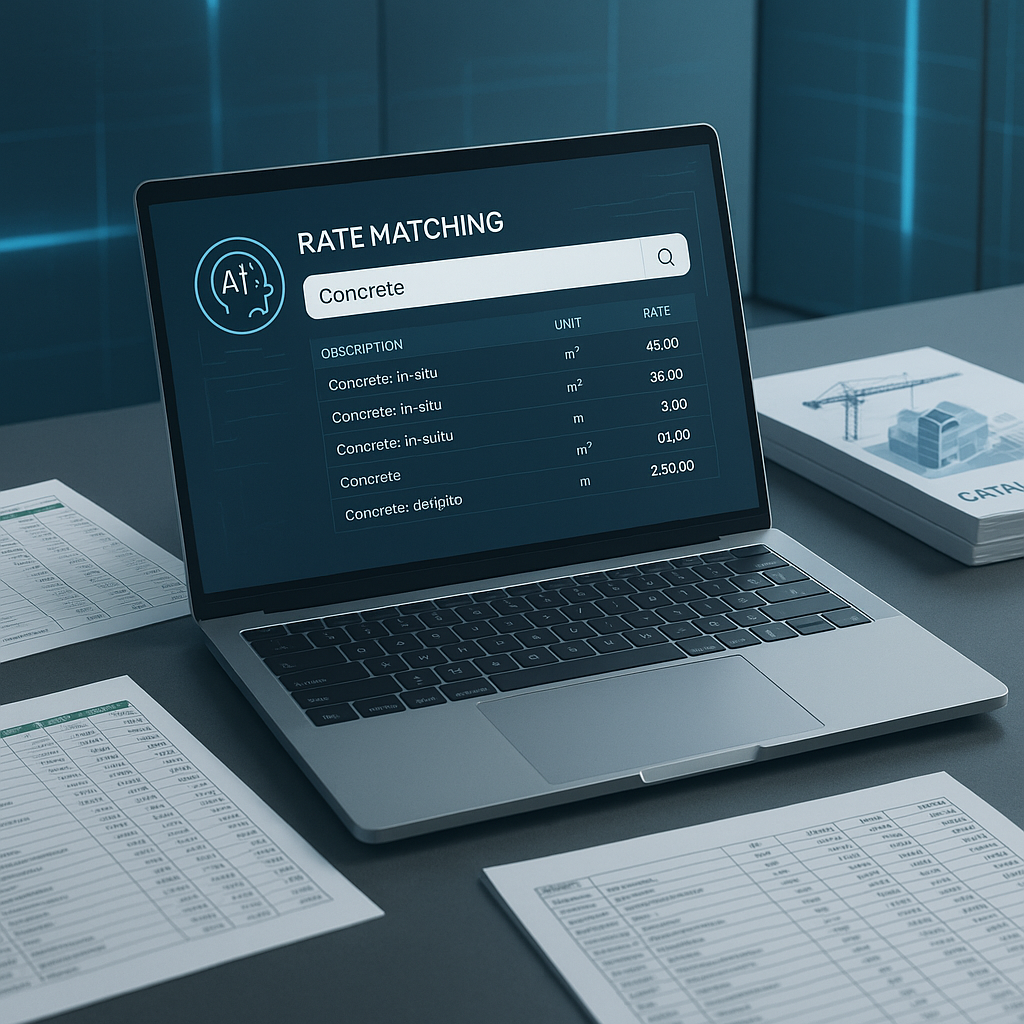
Yes, many AI tools allow users to upload custom rate catalogs or define project-specific rates for integration into the estimation process.
Q: Does AI work for smaller projects?
Yes, AI tools are scalable and can be used for projects of all sizes, from small office fit-outs to large-scale infrastructure developments.
Conclusion
AI-powered takeoff tools are transforming preconstruction estimation by automating repetitive tasks, improving accuracy, and freeing up estimators to focus on strategic decisions. While these tools are not a replacement for human expertise, they serve as valuable aids in streamlining the estimation process.