The Preconstruction Pain Point
Ask any estimator what their least favorite part of the job is, and you’ll likely hear the same answer: manual takeoffs. Tracing PDFs with a digital ruler or clicking through software for hours isn’t just tedious—it’s a productivity challenge. Manual takeoffs for a mid-sized project can take significant time, and mistakes often happen when rushing to meet a bid deadline.
Now, imagine drastically reducing that time. AI-powered tools are designed to automate much of this process, freeing up estimators to focus on higher-value tasks.
Why Manual Takeoffs Are Inefficient
The process hasn’t evolved much in decades. You get a set of drawings, calibrate your tools, and start measuring areas, lengths, and counts. But every change or update forces you to redo parts of the work. Revision 3 of a drawing? Back to square one.
Even worse, manual takeoffs are prone to errors. Missing a column or double-counting a door can happen. Fixing those errors downstream costs time and resources. Add to that the pressure of tight deadlines, and it’s no wonder preconstruction teams feel stretched thin. This is where AI can make a difference—not by replacing expertise but by handling repetitive tasks so estimators can focus on critical decisions.
How AI Changes the Game
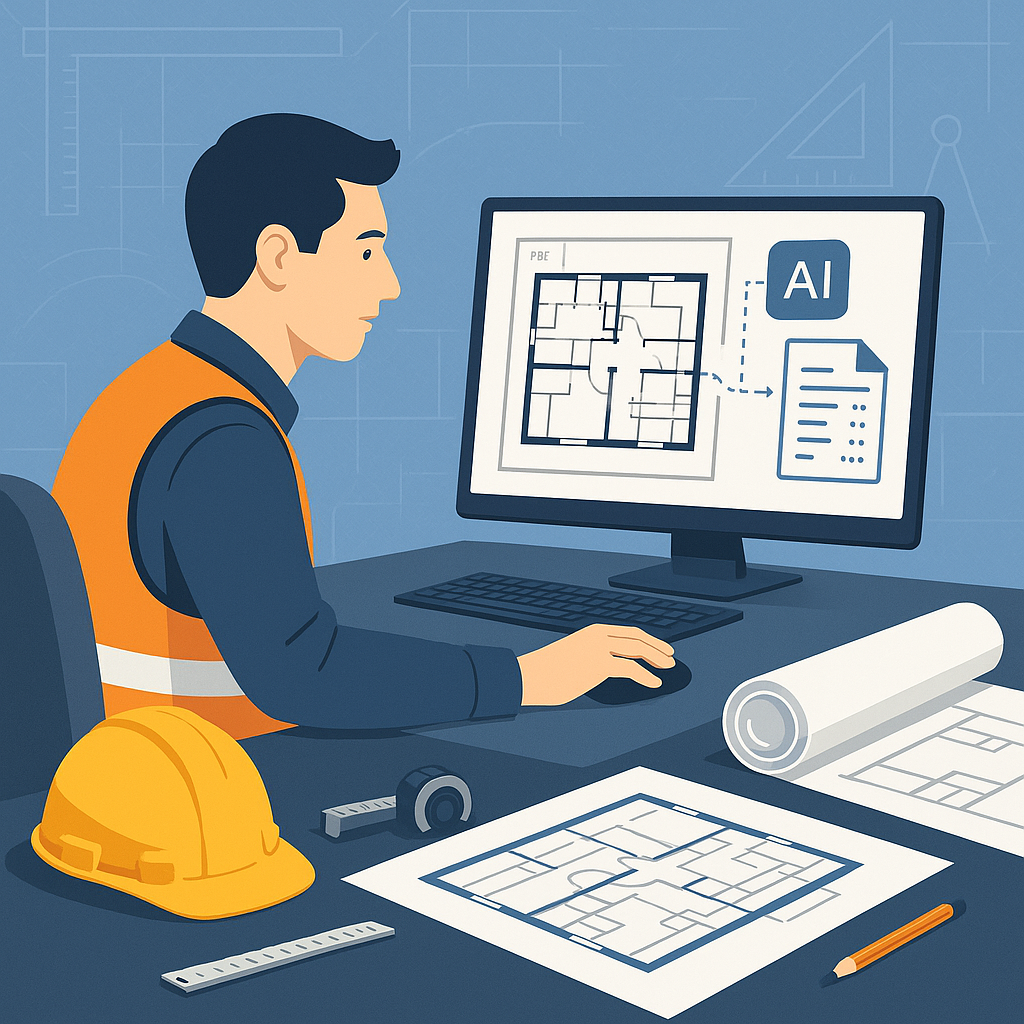
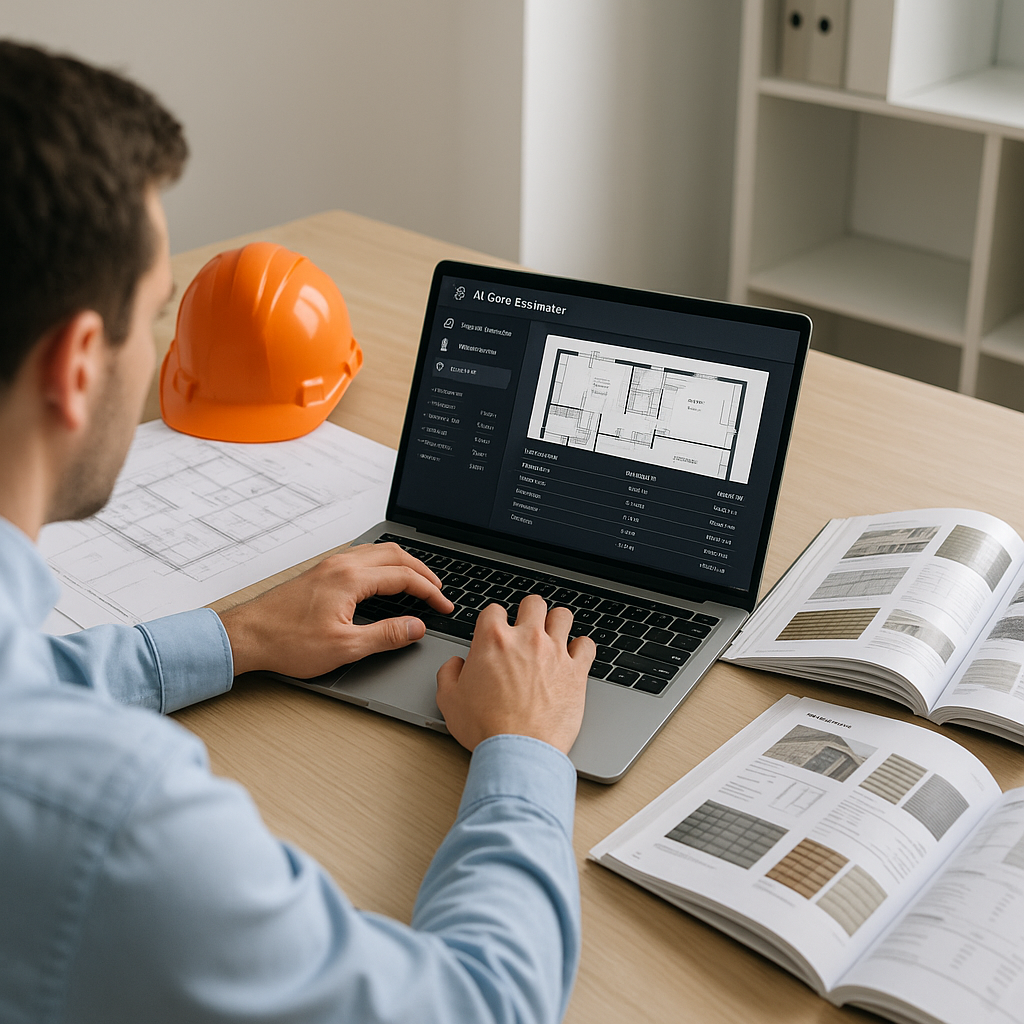
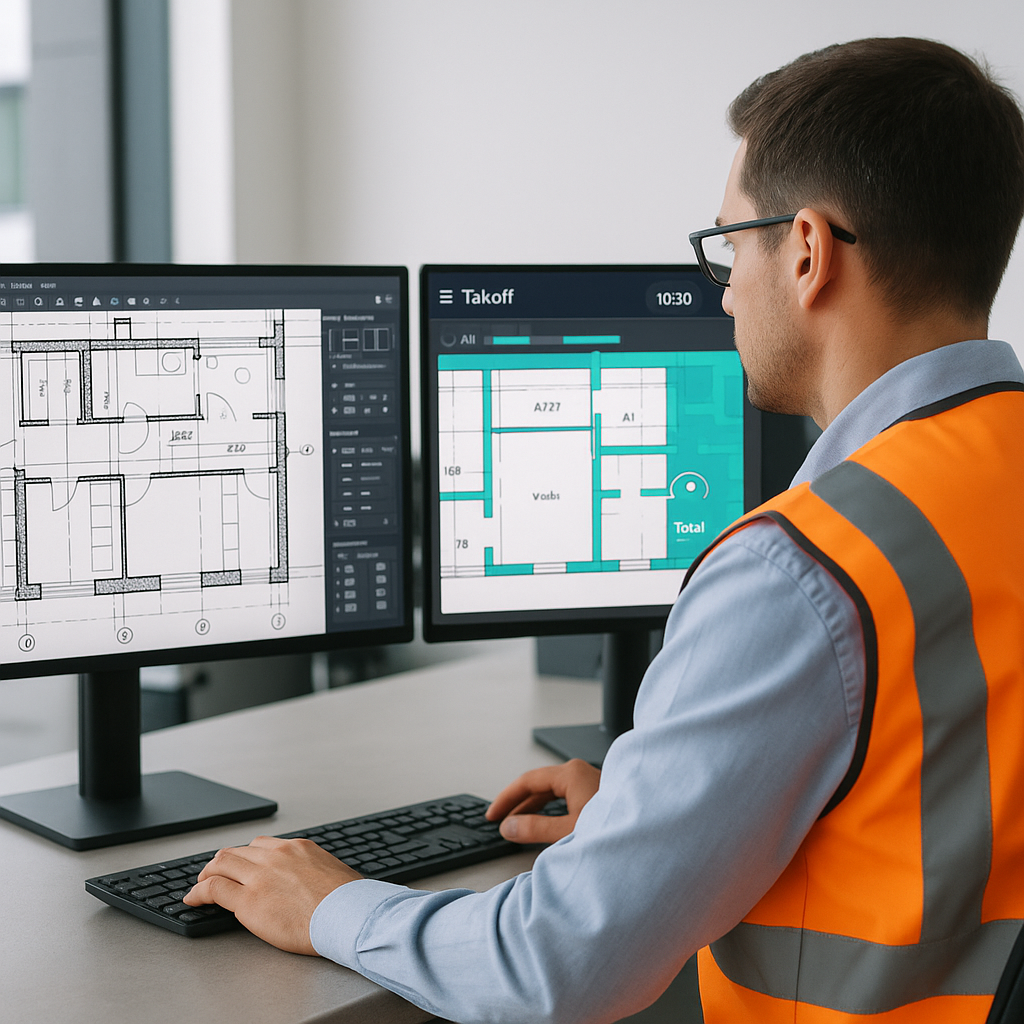
AI-powered takeoff tools work differently. Instead of manually tracing every line, you upload your PDF or drawing set. The AI extracts quantities—room areas, wall lengths, door and window counts—in a fraction of the time. These tools often flag areas of uncertainty, allowing users to review and ensure accuracy.
Illustrative example — A contractor using an AI tool might reduce the time spent on takeoffs for a mid-sized project from several days to just a few hours. This allows the team to allocate more time to refining bid strategies and collaborating with subcontractors.
What About Accuracy?
A common concern is whether AI tools can be trusted for accuracy. While no system is perfect, the best tools combine automation with human oversight. For instance, if the AI marks a measurement as uncertain, users can manually adjust it. This hybrid approach reduces errors while keeping the estimator in control.
Even if some measurements need double-checking, the overall time savings and reduction in repetitive tasks make AI a valuable addition to the workflow.
Who Benefits Most?
AI-powered takeoff tools are versatile and can benefit a wide range of construction professionals:
- General Contractors (GCs): Faster takeoffs mean more bids can be prepared, increasing opportunities to win projects.
- Subcontractors: Quick takeoffs enable faster quote turnarounds, which can be critical in competitive bidding environments.
- Regional Contractors: In markets with complex compliance requirements, AI tools can handle intricate rate books and specifications efficiently.
Common Questions About AI Takeoffs
Q: What if my drawings are messy or incomplete?
Most AI tools can handle messy inputs, but the quality of your upload impacts the output. Always check flagged areas for accuracy.
Q: Can I integrate AI tools with my current software?
Yes. Many platforms integrate with tools like Bluebeam, Procore, and Excel, allowing seamless adoption into existing workflows.
Q: Is AI expensive?
Costs vary, but many AI tools are competitively priced compared to traditional software, offering significant value for the time saved.
What to Watch For
- Overconfidence in AI: No system is 100% accurate. Always review flagged areas.
- Bad Inputs: Garbage in, garbage out. Ensure your drawings are clear and complete.
- Learning Curve: AI tools are intuitive but may require some initial training.
Ready to Improve Your Workflow?
If manual takeoffs are slowing your team down, it’s time to consider AI-powered tools. These solutions can save significant time and reduce errors, allowing you to focus on refining bids, collaborating with subcontractors, or simply improving work-life balance.