The Takeoff Bottleneck in Preconstruction
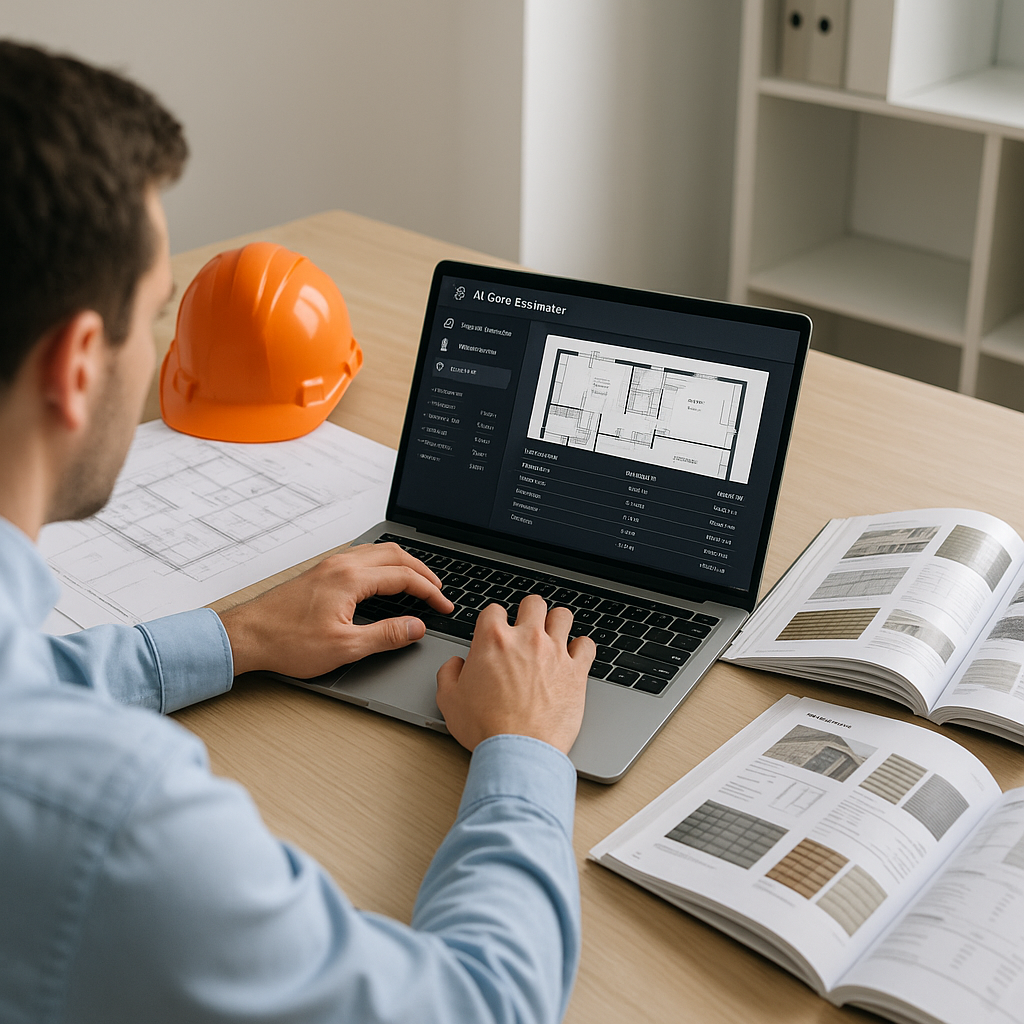
Preconstruction teams often face the challenge of spending significant time on manual takeoffs. Estimators meticulously trace PDFs, measuring every room, column, and beam for a single bid. This process is time-consuming and prone to errors, especially when drawings change mid-process, requiring rework.
Accurate takeoffs are critical for generating reliable quantities and rates, which directly impact the competitiveness of a bid. However, advancements in AI-powered tools are transforming this traditionally labor-intensive process into a more efficient workflow.
How AI Handles Takeoffs
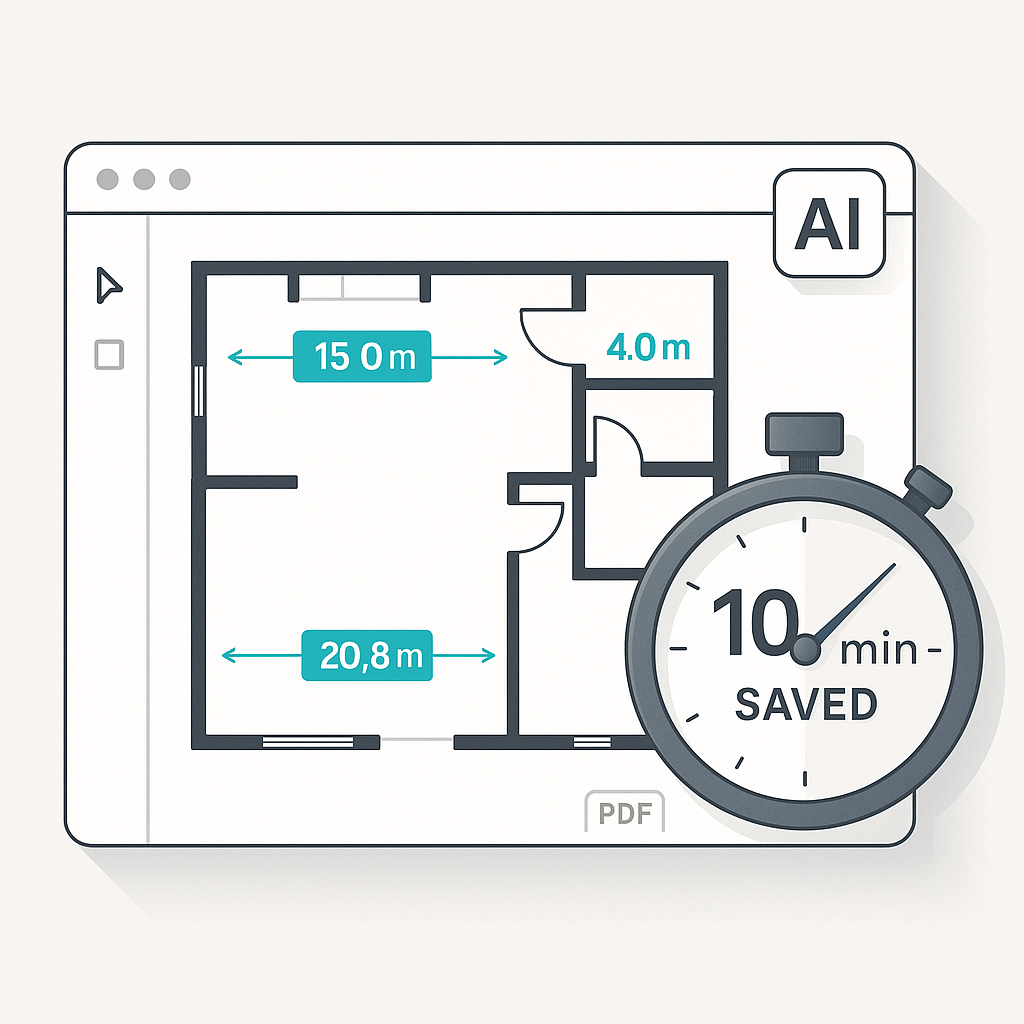
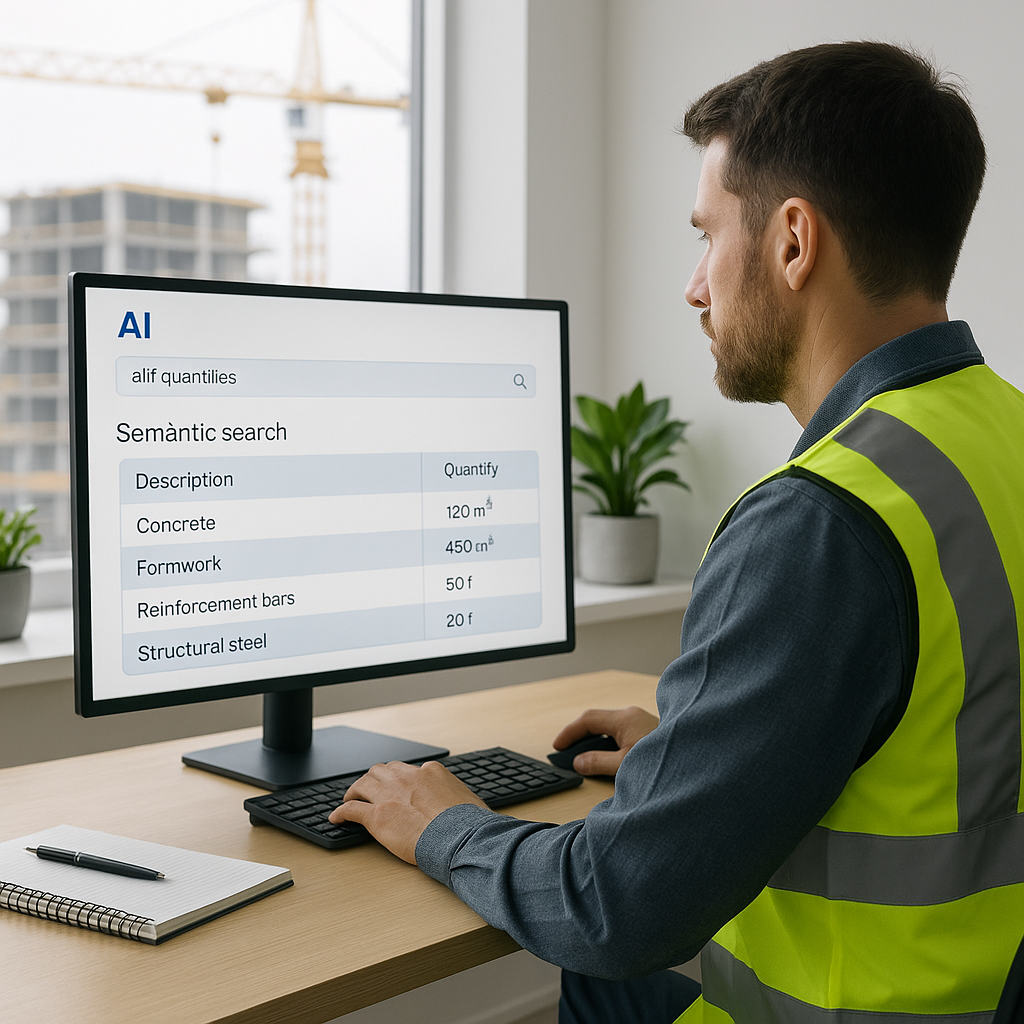
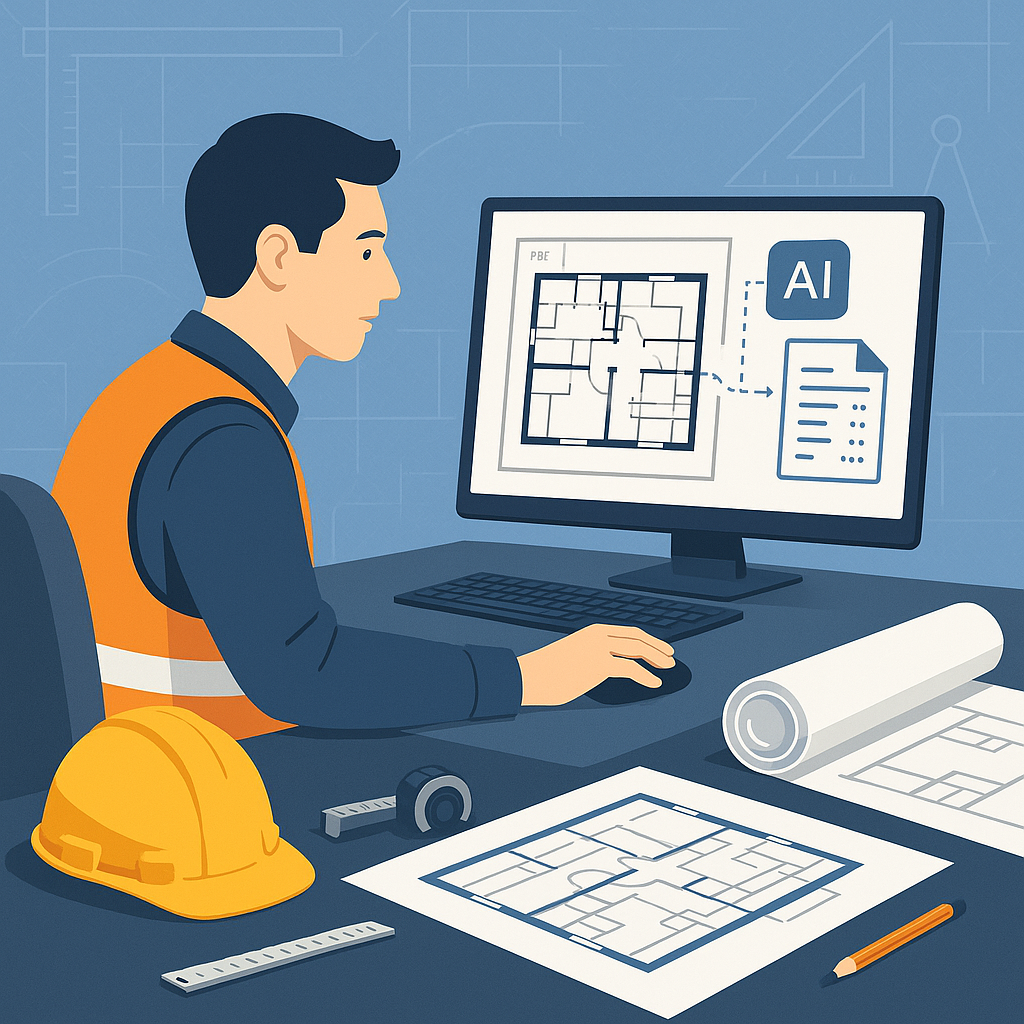
AI-powered tools for takeoffs automate the extraction of quantities from construction drawings. By uploading a PDF set, these systems can identify areas, lengths, and counts for features like walls, doors, and windows. While human oversight remains essential to ensure accuracy, these tools significantly reduce the manual effort involved in takeoffs.
Illustrative example — Consider a scenario where a mid-sized contractor uses an AI tool to process a set of drawings. Instead of spending days manually measuring, the AI identifies key quantities in a fraction of the time. This allows the team to focus on higher-value tasks such as subcontractor negotiations and bid strategy.
Handling Revisions with AI
Revisions to drawings are a common occurrence in preconstruction, often requiring estimators to redo significant portions of their work. AI tools simplify this process by allowing users to upload revised sets and compare changes side-by-side. These tools highlight new, removed, or altered elements, enabling targeted remeasurement without starting from scratch. This feature can save considerable time on every revised set.
Common Objections
“AI doesn’t understand construction nuances.”
AI tools are designed to assist, not replace, human expertise. Estimators still make critical decisions on scope, markup, and bid strategy. The AI handles repetitive tasks like takeoffs, freeing up time for strategic work.
“What if the AI gets it wrong?”
AI tools often include features for manual review and adjustment. If a measurement appears uncertain, estimators can verify and correct it. This collaborative approach ensures accuracy while leveraging the efficiency of AI.
How Teams Can Use AI Today
- Start Small: Test AI-powered takeoff tools on smaller projects to build confidence and refine workflows.
- Pair AI with Human Oversight: Use AI for initial measurements, with estimators reviewing flagged or critical items.
- Integrate with Existing Tools: Many AI platforms integrate with software like Bluebeam or Procore, allowing seamless data transfer into pricing workflows.
FAQ
Q: Does AI work for small projects?
A: Yes, AI tools can scale to projects of various sizes, from small renovations to large infrastructure developments.
Q: How accurate are AI-powered takeoffs?
A: While AI tools significantly reduce manual effort, human oversight is essential to ensure final accuracy.
Q: Can AI handle custom project requirements?
A: Many tools allow customization for specific materials, finishes, or other project-specific parameters.
Q: How long does it take to learn these tools?
A: Training for most AI-powered platforms is typically straightforward and can be completed within a short period.
Conclusion
AI-powered tools are transforming preconstruction takeoffs by automating repetitive tasks and improving efficiency. By adopting these technologies, construction teams can save time and focus on strategic activities that drive project success.