Why Takeoffs Are Still a Pain Point
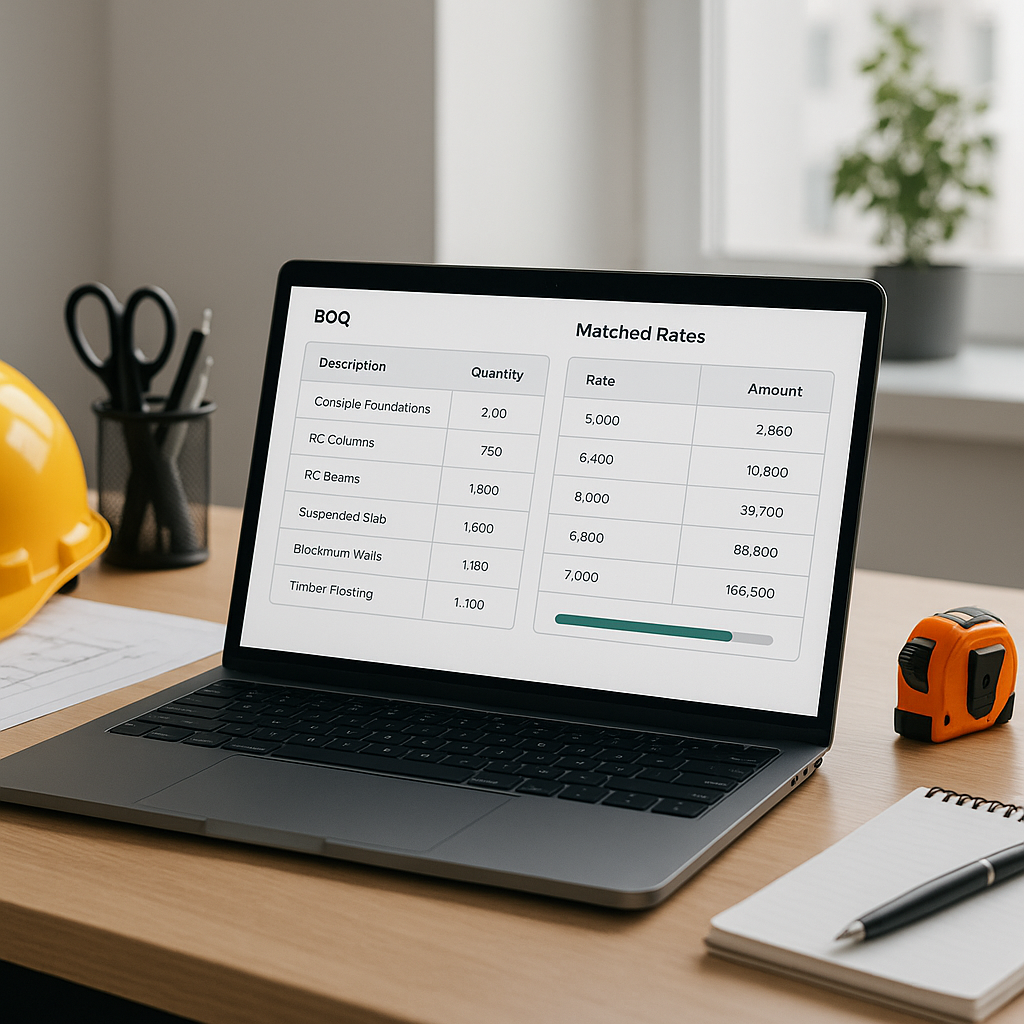
If you're a preconstruction director, you've probably seen it: two estimators working on the same BOQ, and their quantities still don't match. Manual takeoffs are slow, error-prone, and often inconsistent. Measuring quantities manually from project drawings can take significant time and effort, especially for mid-sized or larger projects.
The obvious problem? Those hours could be spent refining bids, negotiating subs, or solving scope gaps. Instead, they’re wasted on tracing PDFs and recalibrating drawings. And let’s face it—manual methods leave room for human error. Miss one wall length, and your drywall bid is off by thousands.
How AI Changes the Game
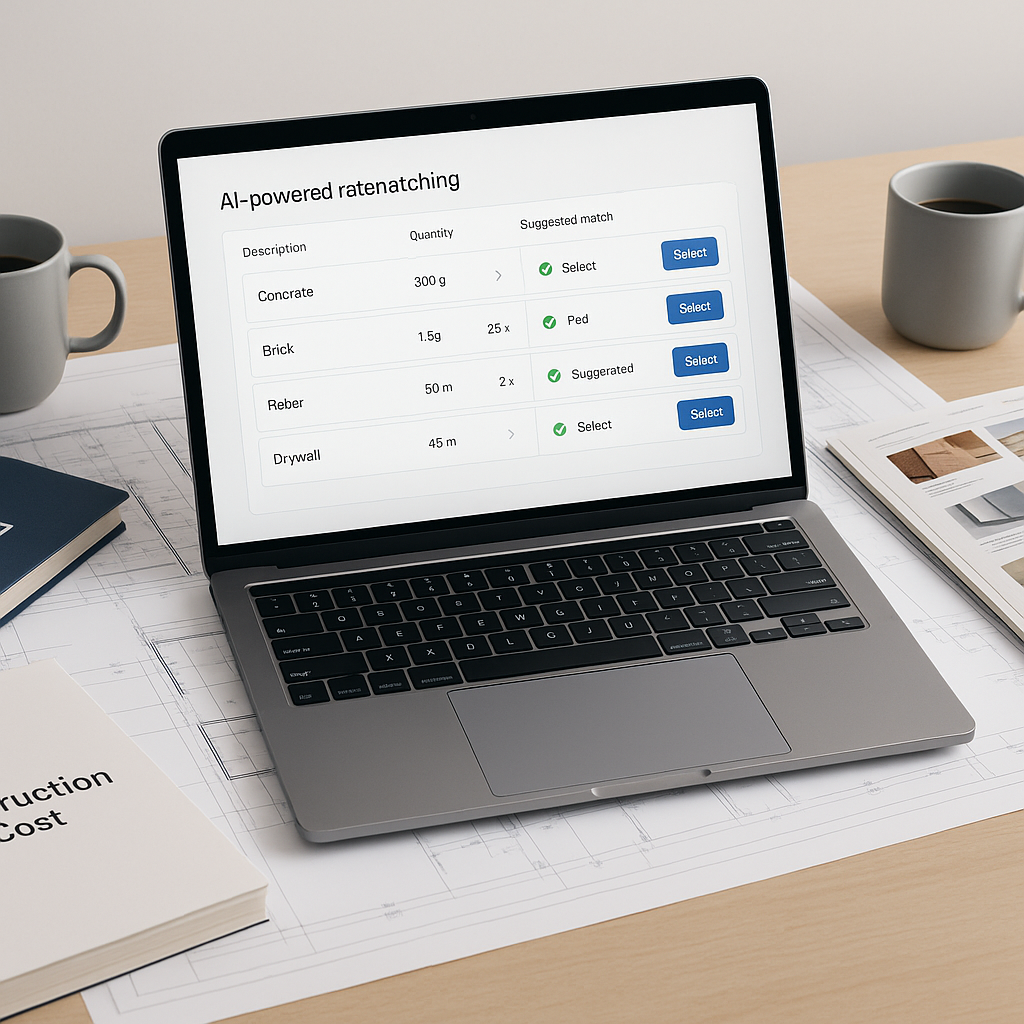
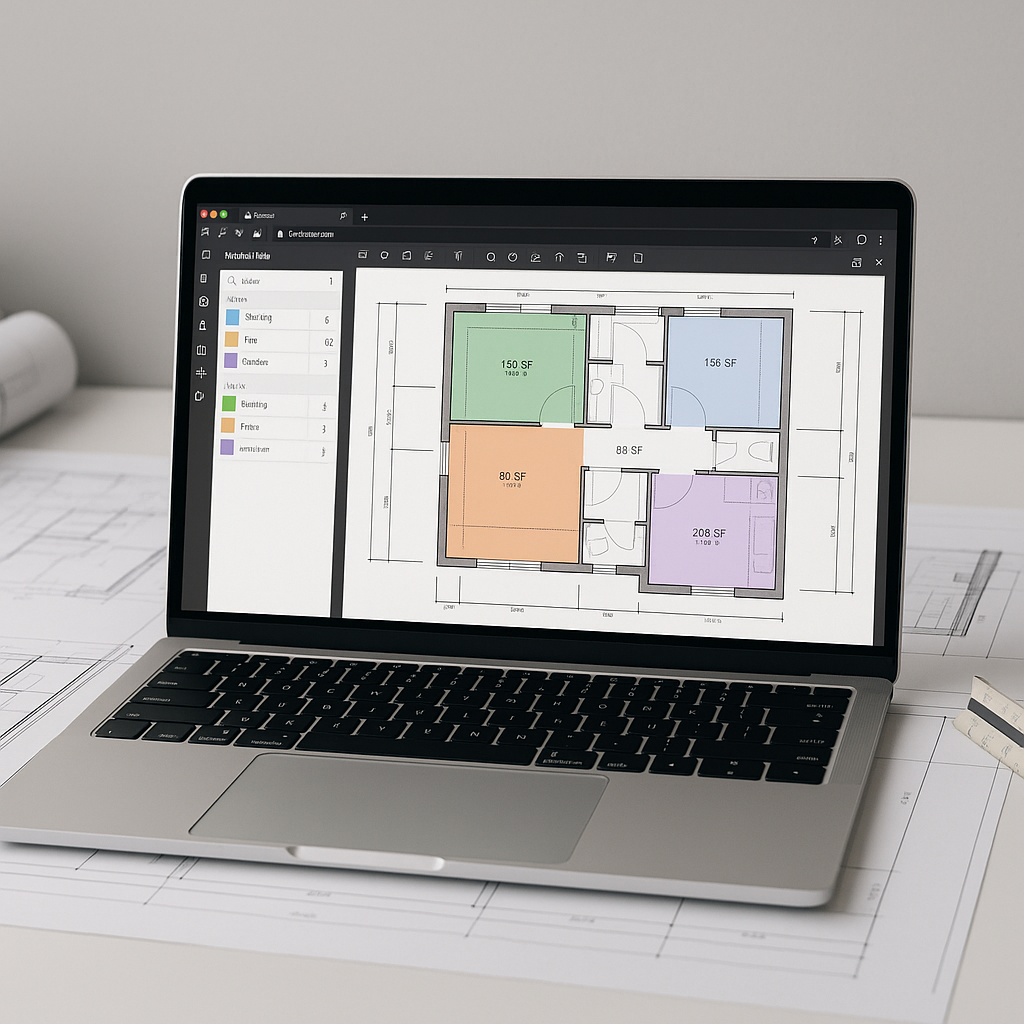
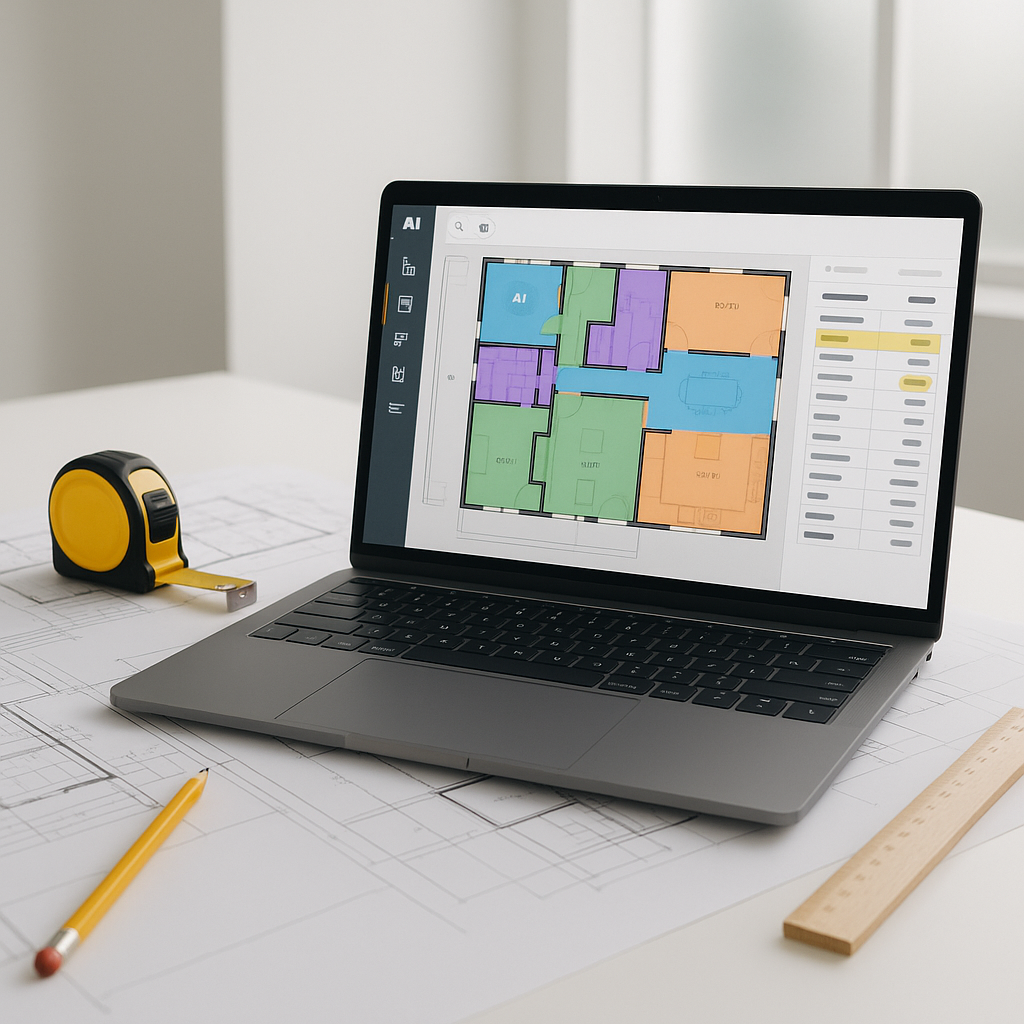
AI-powered tools like EstimateNext’s Vision AI are built to tackle this exact bottleneck. Instead of spending hours on a manual takeoff, AI tools can extract quantities from PDF drawings in a fraction of the time.
Here’s how it works:
- Upload the Drawing Set: Drop your PDFs into the system.
- AI Extraction: The software scans the drawings and automatically detects walls, windows, doors, and other measurable elements.
- Confidence Scoring: Any low-confidence measurements are flagged for manual review.
- Revisions: Upload revised drawings, and the system compares changes automatically.
It’s not just faster—it’s smarter. For example, if your drawing includes a revision cloud, AI tools can isolate those changes and remeasure only the affected areas. No need to redo the entire takeoff.
Benefits of AI-Powered Takeoffs
AI tools offer several advantages:
- Speed: Automating repetitive tasks significantly reduces the time required for takeoffs.
- Consistency: AI minimizes discrepancies by applying uniform measurement standards.
- Focus on Strategy: By handling routine tasks, AI allows estimators to focus on higher-value activities like refining bids and addressing scope gaps.
What About Smaller Projects?
You might be thinking, “Sure, AI makes sense for large-scale bids. But does it work for smaller projects?” Absolutely. In fact, AI scales to any project size. Whether you’re estimating a small renovation or a large infrastructure project, the process is the same: faster takeoffs, fewer errors, and more time to focus on strategy.
Common Questions About AI Takeoffs
Q: Are AI tools difficult to learn?
Not really. Most platforms, including EstimateNext, are designed for ease of use. Training typically takes a short amount of time, and the interface is intuitive.
Q: How accurate are AI-powered takeoffs?
AI tools are generally accurate but depend on the quality of input data. Low-resolution PDFs or poorly labeled drawings can still cause issues, so human review is recommended for critical bids.
Q: Can AI handle custom or complex measurements?
Yes. Many AI tools support manual overrides, so you can adjust measurements directly in the software. Plus, they often learn from your corrections to improve accuracy over time.
Q: Does AI work with existing software like Bluebeam or Procore?
Yes, most tools integrate seamlessly. You can export AI-generated takeoffs into Excel or your preferred preconstruction platform.
Common Mistakes to Avoid
- Skipping Manual Review: Trusting AI blindly can lead to errors. Always review flagged items.
- Uploading Poor Quality PDFs: Low-resolution drawings can confuse the system. Use high-quality scans.
- Underestimating Training Time: While AI tools are easy to learn, dedicating time to proper onboarding ensures better results.
Why It Matters
AI isn’t here to replace estimators—it’s here to amplify their efficiency. By handling the repetitive tasks, tools like EstimateNext free up your team to focus on the parts of estimation that require expertise: analyzing scope, negotiating with subs, and refining margins.
If you’re dealing with tight deadlines and labor shortages, AI-powered takeoffs might be the simplest way to reclaim hours without sacrificing accuracy.
Call to Action
Tired of wasting hours on manual takeoffs? EstimateNext’s Vision AI can help. Get started free →