The Pain of Manual Estimation
Imagine you’re an estimator staring at a 200-page PDF loaded with drawings. You’ve got limited time to measure quantities manually, pick rates from a catalog, and build a bid package — all while juggling a dozen other tasks. Sound familiar? It’s the reality for most preconstruction teams.
Manual takeoffs are tedious. You calibrate scales, trace lines, count objects, and plug everything into Excel. Any change to the BOQ means reworking the file from scratch. Errors creep in, deadlines slip, and your team burns hours on repetitive tasks.
This is where AI-powered tools like EstimateNext come in. They don’t replace you — they amplify your expertise by handling the repetitive work. Let’s break down one feature that’s a game-changer: Vision AI for drawing takeoffs.
How Vision AI Works
Manual takeoffs are slow and prone to mistakes. A misplaced decimal can throw off quantities by thousands, and double-checking every line wastes even more time.
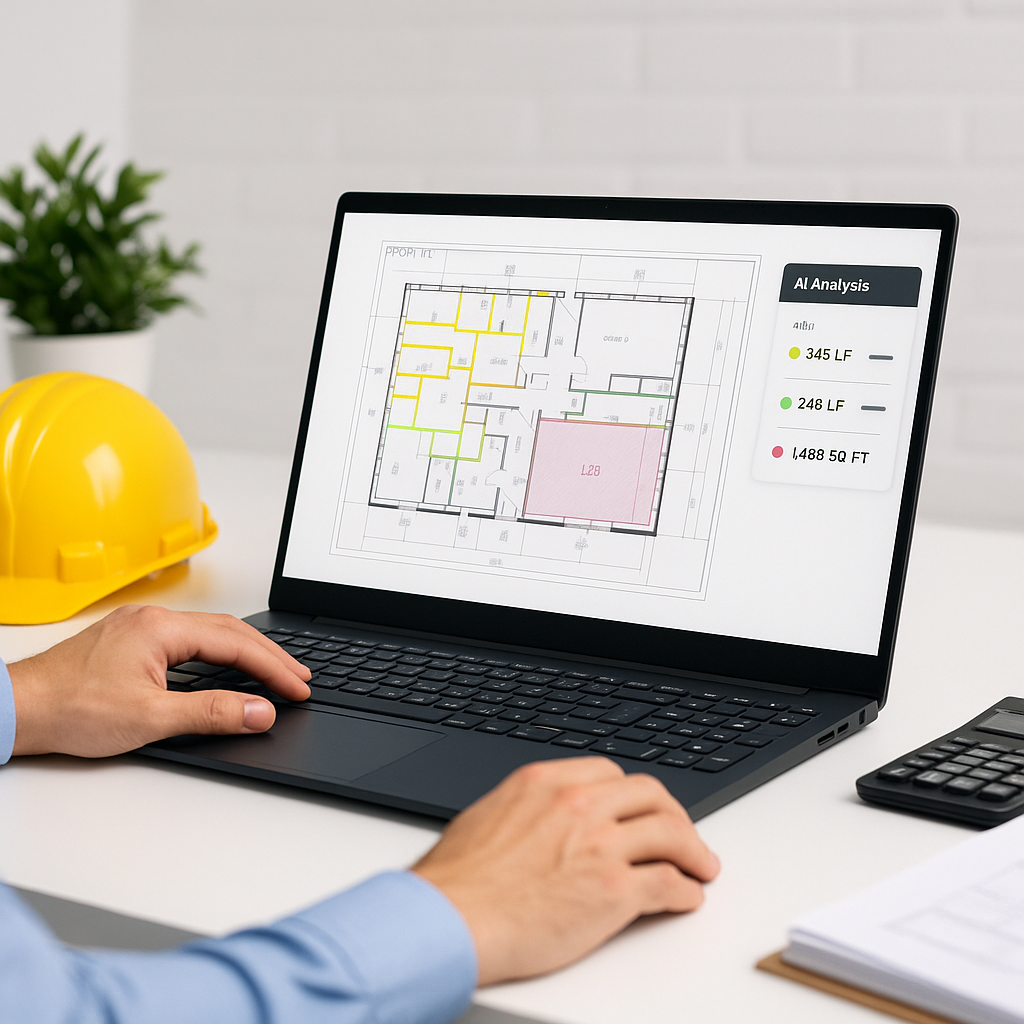
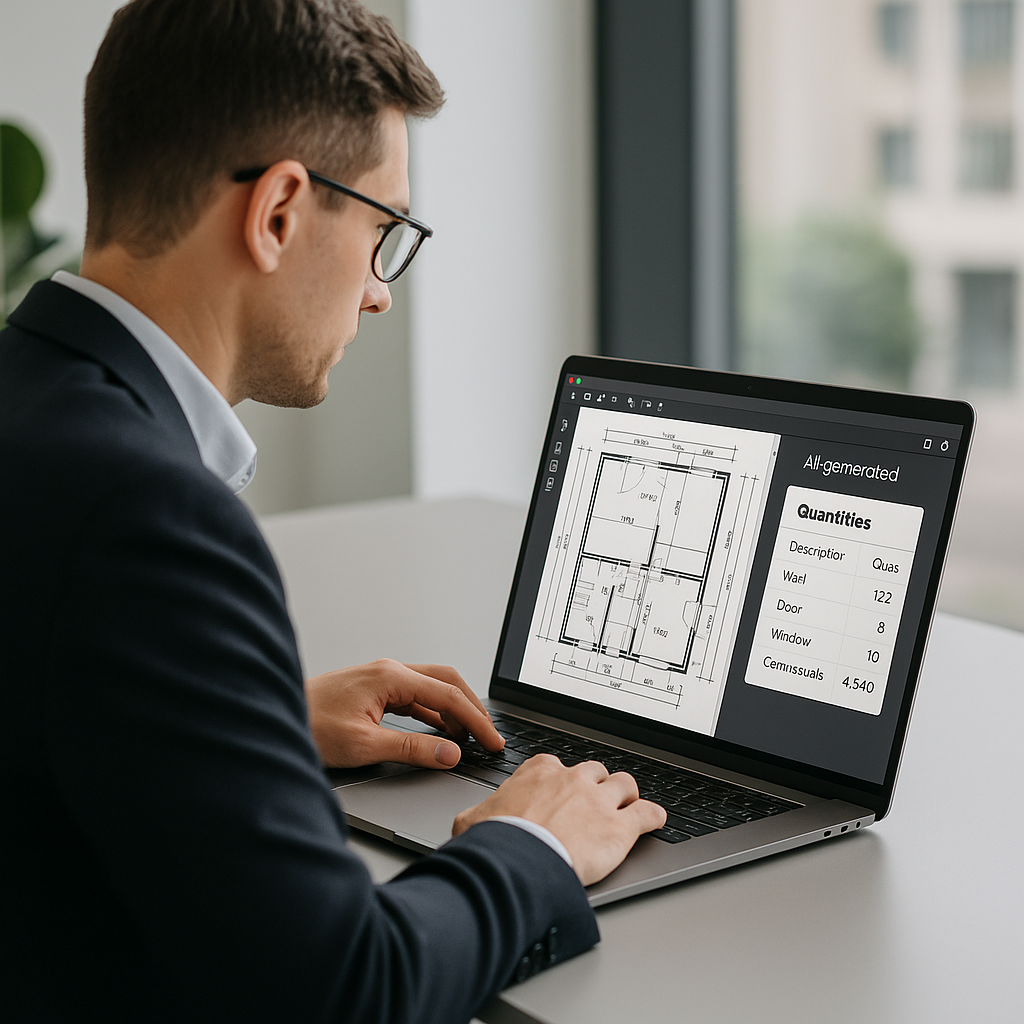
Vision AI flips the script. You upload a PDF set of drawings into the platform, and the tool extracts quantities automatically. Need room areas for flooring? Done. Wall lengths for paint? Done. Door counts for hardware? Done. It even flags low-confidence extractions so you can double-check before approving.
Illustrative example — A contractor uploads a set of drawings for a commercial project. The AI tool identifies and measures areas, lengths, and counts, significantly reducing the time spent on manual takeoffs. This allows the contractor to focus on refining the bid and ensuring accuracy.
The ROI: Why Speed Matters
You might be wondering, “Why does saving time on takeoffs matter so much?” It’s not just about efficiency — it’s about capacity and margins.
When you free up time previously spent on manual tasks, you can allocate those hours to pricing more bids, negotiating better subcontracts, or refining project scopes. More bids and better preparation can lead to higher win rates and improved revenue.
For subcontractors, faster takeoffs mean quicker quote turnarounds. Instead of spending days pricing a package, you can respond in hours. That kind of speed can make your bids more competitive and increase your chances of winning projects. According to a 2023 McKinsey report, early adopters of AI tools see significant cost savings per project. The ROI of adopting such tools is clear.
Common Objections: “AI Can’t Think Like an Estimator”
You might be thinking, “Sure, AI is fast, but it doesn’t understand the nuances of construction.” That’s partially true — AI doesn’t make judgment calls. But that’s missing the point.
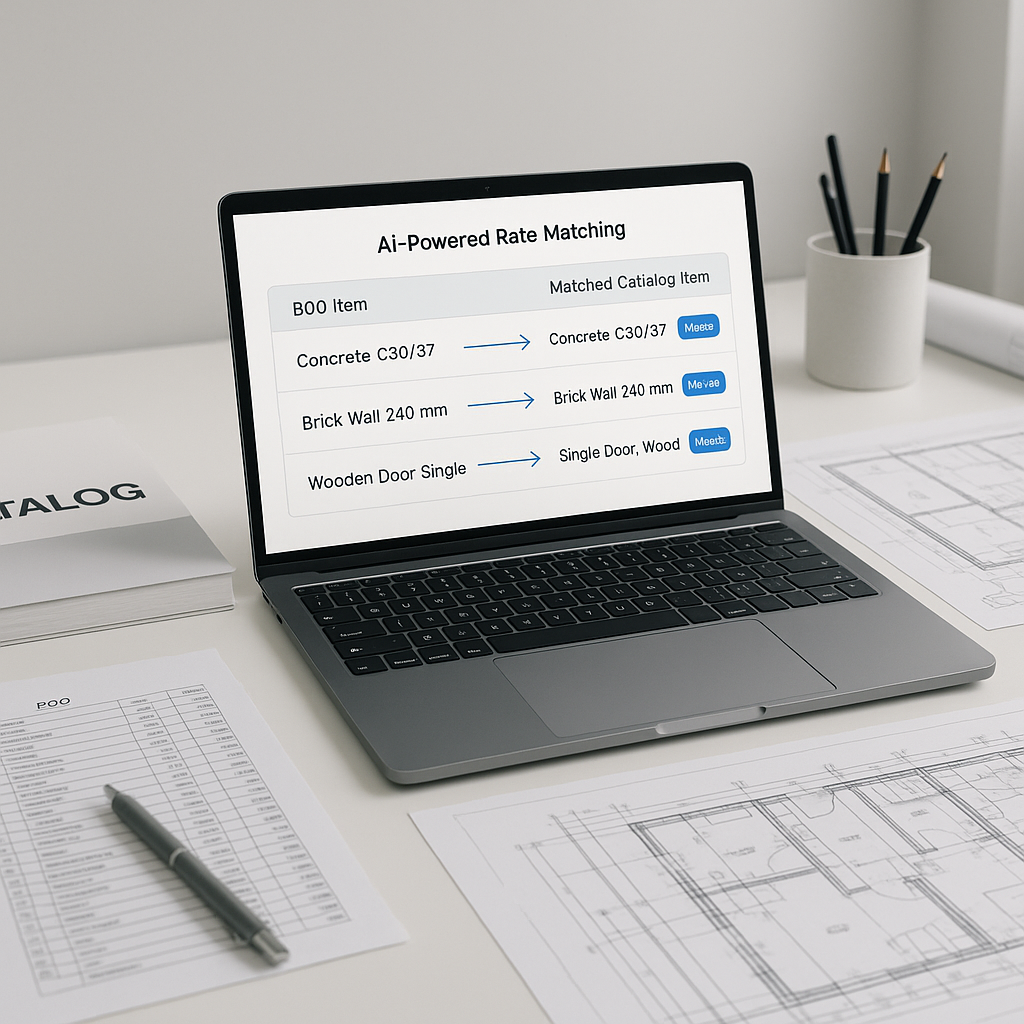
AI isn’t here to replace your expertise; it’s here to amplify it. You’re still the one deciding on markup, negotiating with subs, and refining the bid package. The AI handles the grunt work — like takeoffs, rate matching, and what-if recalculations — so you can focus on strategy.
Think of it as hiring an assistant who works 24/7 and never makes a math error. In fact, Vision AI includes confidence scoring and manual overrides, so you always stay in control. Many users report significant accuracy improvements after gaining experience with the tool.
What to Watch For: Common Mistakes
Even with AI, you’ve got to be careful. Here are some pitfalls to avoid:
- Bad Input Data: AI tools rely on clean PDFs and accurate BOQs. If your files are messy, you’ll spend time fixing errors.
- Overconfidence: Don’t assume the AI gets everything right. Always review flagged extractions and double-check critical scopes.
- Poor Training: Most platforms are easy to learn, but skipping training can lead to mistakes. Invest the time upfront.
- Ignoring Feedback Loops: Tools like EstimateNext get smarter with use. Accept/reject feedback improves accuracy over time.
FAQ: AI Takeoffs
Q: Are AI-powered estimates reliable?
A: Highly reliable, as long as input data is clean. Tools like EstimateNext reduce discrepancies significantly, but human oversight is still essential.
Q: How much time can I save?
A: Manual takeoffs can take days; AI tools reduce this to a fraction of the time. The exact savings depend on project complexity and scope.
Q: Can I use AI for small projects?
A: Absolutely. AI scales to any project size — whether it’s a small renovation or a large infrastructure project.
Q: What if my rates are custom?
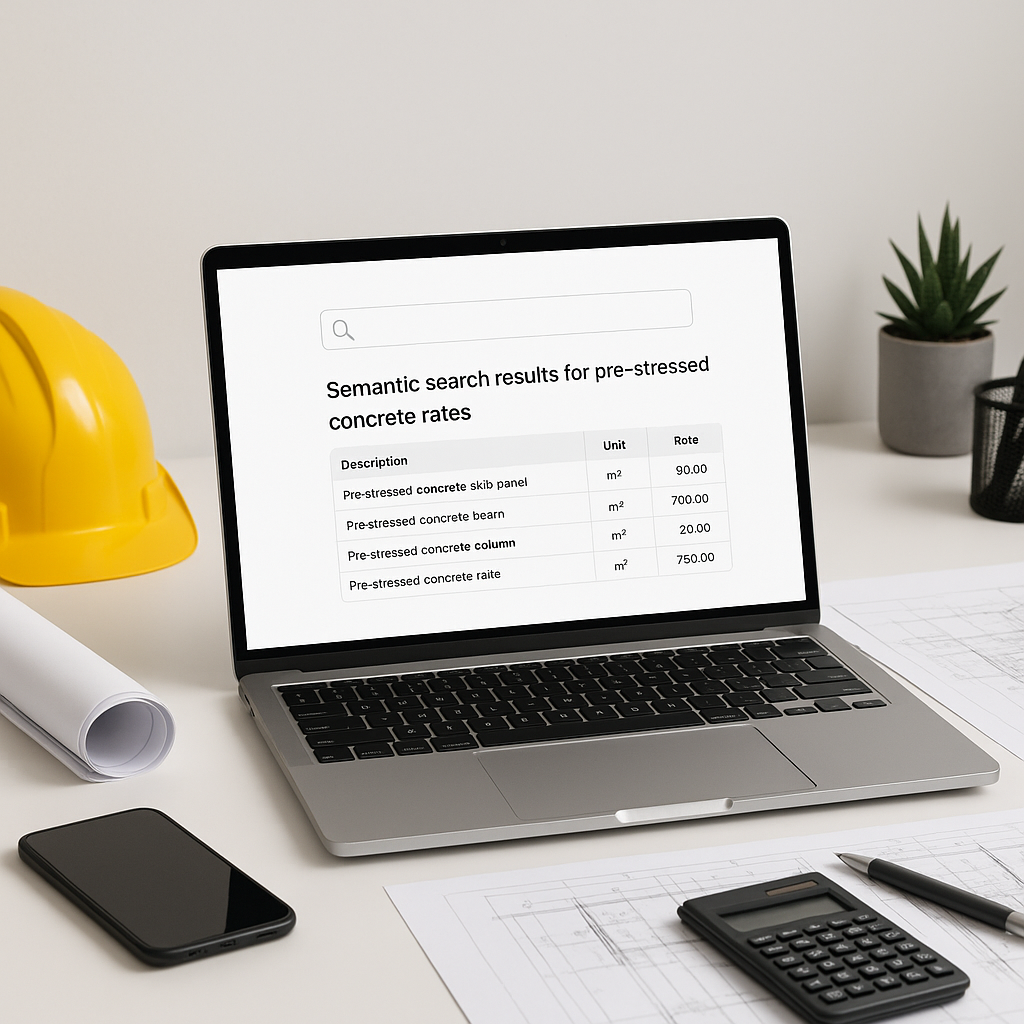
A: Platforms like EstimateNext let you upload custom rate catalogs and integrate them seamlessly.
Ready to Streamline Your Estimation Process?
If manual takeoffs are eating up your team’s time, it’s worth trying AI-powered tools. EstimateNext can help — upload your first BOQ and get a priced estimate in minutes.