$183,000
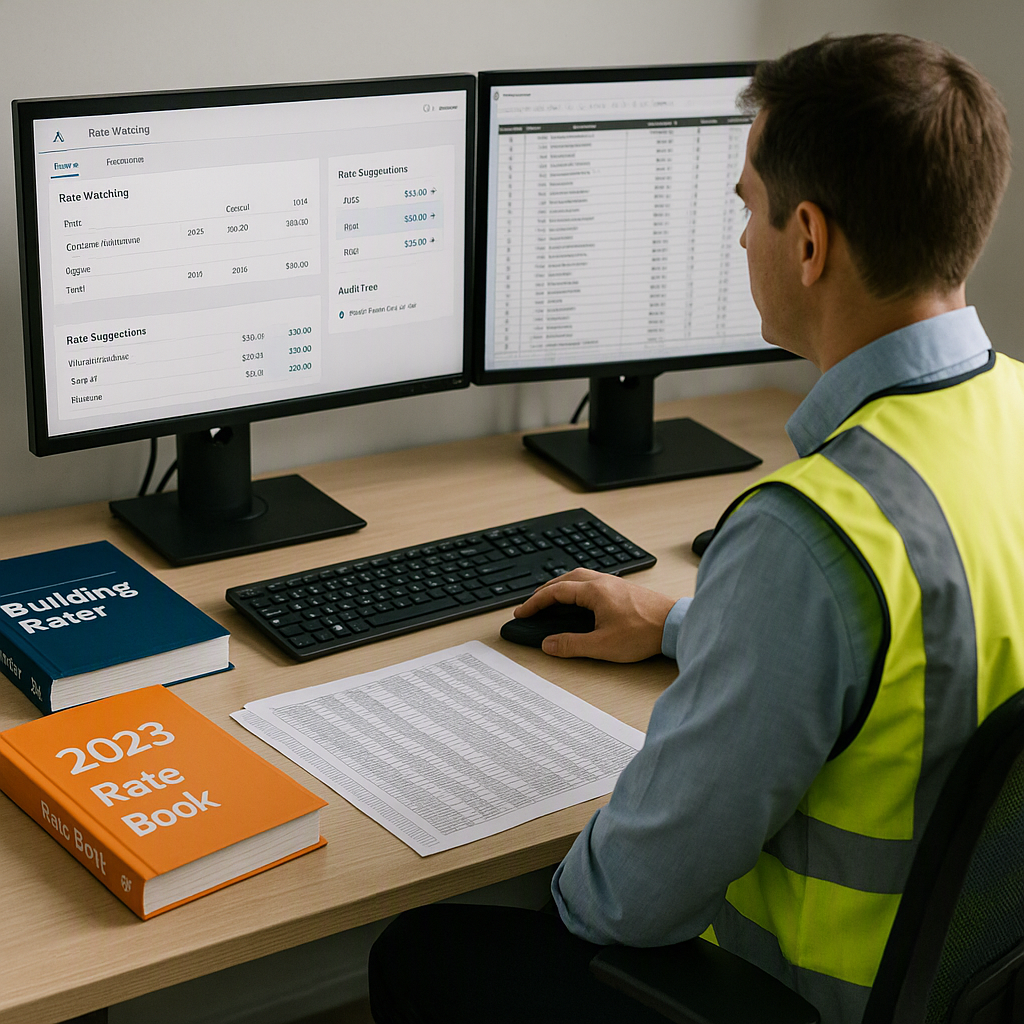
That is the top of the base pay band for a US preconstruction manager in 2026, against a floor of $116,000, per the TBG 2026 Construction Salary Survey. One survey, one year, base pay only, so no bonus loaded on top. I expected the gap between floor and ceiling to be tighter. It is not. A single person at the top of that band carries roughly $67,000 more in salary than one at the bottom, and both are often doing the same five to eight GMP pursuits a year. What the spread really tracks is how much manual lookup still eats into a senior estimator's week. Beck Technology's 2026 outlook puts labor shortages and economic volatility as the two forces reshaping precon, and a $183K manager spending hours on rate tables is the expensive version of that problem. So firms are moving the lookup work onto AI and keeping the judgment with the person. The number does not prove that higher pay buys better bids. It proves the hours of a senior estimator are no longer cheap.
From three days to a few hours on a package
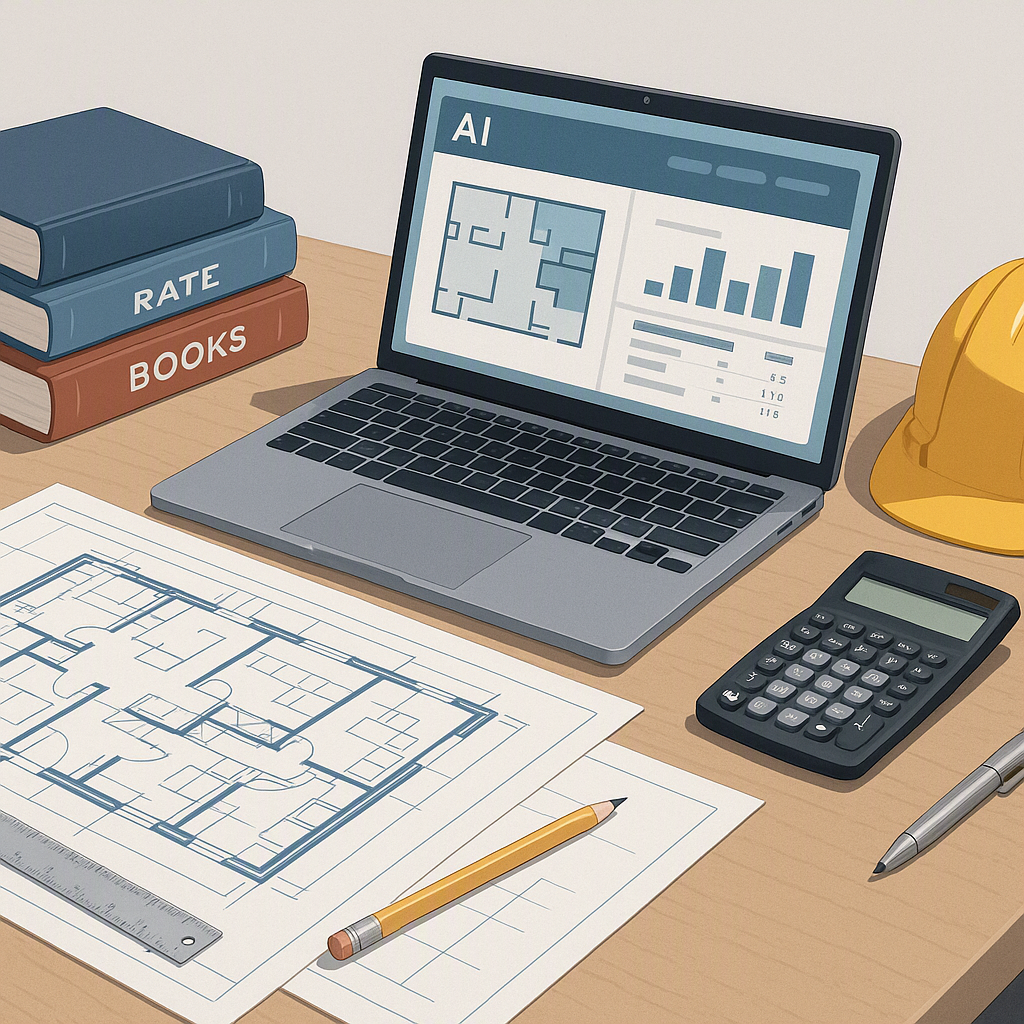
MEP subs still lose most of a bid week to pricing. Three days per package is normal when a firm answers 30 to 60 of them a year. AI changes where the time goes. Takeoffs get automated, rate tables stop being a manual chore, and the estimator moves to the parts that actually need a person. One estimator I read put it plainly after switching: "I used to think manual rate lookups were just part of the job." They are not anymore. The payoff is not only speed. Fewer hand-keyed rates means fewer stale numbers slipping into a bid that nobody catches at the review table.
Quick Takes
- PPM schedules with compliance built in: A practical PPM schedule cuts downtime and keeps CPWD checks automatic, which matters for India contractors juggling state PWD tenders.
- Rate lookup measured in minutes: Searching stale rate data by hand still costs estimators days; AI brings the same lookup down to minutes with the source attached.
- WorkTech sizing holds near $10B: Solutions Review's 2026 panel pegs the worktech market around $10 to $11 billion, with AI moving from pilot to daily workflow.