Rethinking Estimation: Beyond Speed and Accuracy
For years, many preconstruction estimators have operated under the assumption that success hinges on two key factors: speed and accuracy. The faster you can turn around a bid and the more precise your numbers, the better your chances of winning work. Need more bids? Add more people. Struggling with complexity? Invest in better tools. It seems straightforward, but this approach often overlooks deeper opportunities for improvement.
In this article, we’ll explore how a shift in mindset, better tools, and structured decision-making can transform estimation practices, delivering greater insights and long-term value.
Common Challenges in Traditional Estimation Practices
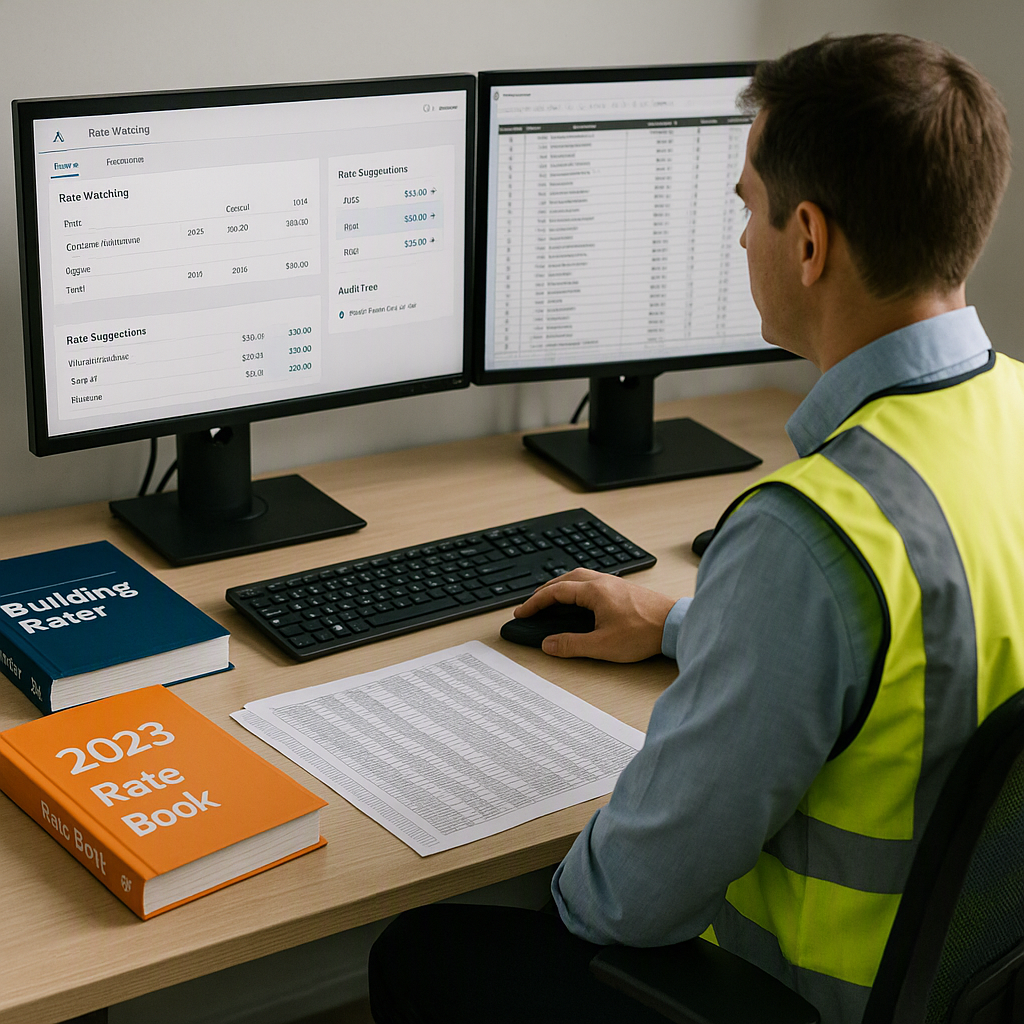
Traditional estimation methods often rely heavily on manual processes and siloed tools. Estimators may spend hours flipping through rate books, manually tracing drawings, and recalculating formulas for every "what-if" scenario. While these efforts may produce accurate results, they can be time-consuming and prone to errors, especially when dealing with complex projects or tight deadlines.
Key Challenges in Traditional Workflows:
- Manual Workload: Manual takeoffs and calculations introduce the risk of human error. A misplaced decimal or overlooked measurement can derail an entire bid.
- Lack of Integration: Tools like spreadsheets and rate books are not designed to work seamlessly together. This leads to inefficiencies, requiring estimators to spend time reconciling disparate sources of information.
- Limited Collaboration: Traditional processes often involve siloed team members working independently. Without real-time communication or data sharing, opportunities for synergy and innovation are lost.
- Inefficiency in Change Management: When project parameters shift, traditional methods make it difficult to adjust estimates quickly. Estimators must manually revise multiple documents and formulas—a time-consuming process that increases the likelihood of errors.
Actionable Steps to Address These Challenges:
- Audit Existing Processes: Identify bottlenecks in your workflows. Are manual takeoff tasks consuming too much time? Are errors frequently occurring in hand-calculated estimates?
- Consolidate Tools: Explore software solutions that integrate takeoff, estimating, and project management functions into a single platform.
- Standardize Methodologies: Create templates and standard processes to ensure consistency across teams and projects.
A Shift in Mindset: From Speed to Insight
Successful estimation is not just about speed and accuracy; it’s about gaining insights that add value to the project and the client. This shift in mindset involves asking deeper questions, such as "What are we missing?" or "How can we deliver more value?" rather than solely focusing on meeting deadlines.
Why Insights Matter More Than Speed:
- Scope Gaps: Identifying areas that may have been overlooked in the project’s scope can prevent costly change orders later.
- Alternative Solutions: Exploring alternative materials or methods can lead to cost savings and innovative solutions that differentiate your bid.
- Strategic Alignment: Understanding the client’s priorities allows you to tailor your proposal to their specific needs, increasing your chances of winning the bid.
How to Shift Your Approach:
- Ask Probing Questions: Before diving into the numbers, ensure you understand the project’s goals, constraints, and risks. For example:
- What is the client’s top priority (e.g., cost, schedule, sustainability)?
- Are there opportunities for value engineering?
- Focus on Value Engineering: Identify elements that can be optimized for cost without compromising quality.
- Leverage Historical Data: Use data from past projects to identify trends, pitfalls, and benchmarks that can inform your current estimate.
Leveraging Technology for Better Estimation
Modern tools and technologies can play a significant role in enabling this shift from speed to insight. While traditional methods are often manual and error-prone, today’s digital solutions offer powerful automation, analytics, and collaboration features.
Tools That Make a Difference:
- Digital Takeoff Tools: These automate the process of measuring and quantifying materials from digital drawings, saving time and reducing errors. Tools like Bluebeam Revu and PlanSwift are popular choices.
- Data Analytics Platforms: Software like ProEst or Sage Estimating can analyze historical data, helping estimators identify cost trends and make data-driven decisions.
- Collaboration Software: Platforms like Procore or Autodesk Construction Cloud allow teams to work together in real time, reducing silos and improving communication.
Comparison Table: Traditional vs. Modern Estimation Tools
| Feature | Traditional Tools | Modern Tools |
|---|---|---|
| Takeoff Process | Manual tracing; time-intensive | Automated, faster, and more accurate |
| Data Integration | Limited | Fully integrated with analytics |
| Error Risk | High | Low (due to automation) |
| Collaboration | Siloed | Real-time, cloud-based |
| Scalability | Labor-intensive | Easily scalable with technology |
Structured Decision-Making for Bid/No-Bid Choices
Another area where insights can drive better outcomes is in bid/no-bid decisions. Far too often, companies waste resources chasing projects that are not well-aligned with their expertise or strategic goals.
Developing a Bid/No-Bid Framework:
To make informed decisions, consider the following criteria:
- Project Fit: Does the project align with your company’s expertise and past performance?
- Profit Potential: Is there a clear path to profitability, or is the project likely to run over budget?
- Risk Assessment: Are there significant risks (e.g., untested materials, unclear scope, or unstable clients) that outweigh potential rewards?
- Resource Availability: Do you have the capacity to take on this project without overburdening your team?
Example Bid/No-Bid Decision Matrix:
| Criteria | Weight (%) | Project A Score | Project B Score |
|---|---|---|---|
| Project Fit | 30% | 8 | 5 |
| Profit Potential | 25% | 7 | 6 |
| Risk Assessment | 20% | 9 | 4 |
| Resource Availability | 25% | 6 | 8 |
| Total Score | 100% | 7.3 | 5.7 |
Using a weighted scoring system can help you prioritize projects objectively and focus on the ones with the highest potential for success.
Benefits of an Insight-Driven Approach
Focusing on insight rather than just speed and accuracy can lead to several benefits:
- Improved Proposals: By identifying scope gaps and exploring alternative solutions, estimators can create proposals that stand out to clients.
- Cost Savings: A deeper analysis of project requirements can uncover opportunities for cost savings, benefiting both the contractor and the client.
- Risk Mitigation: Understanding the bigger picture allows estimators to identify potential risks and address them proactively.
- Enhanced Team Morale: Reducing repetitive tasks and late-night work can improve team well-being and foster a more collaborative environment.
- Stronger Client Relationships: Demonstrating a commitment to adding value rather than just meeting deadlines builds trust and long-term partnerships.
Challenges in Adopting New Practices
While the benefits of an insight-driven approach are clear, implementing these changes can be challenging. Common obstacles include:
- Training and Adoption: New tools and processes require time and effort to learn and integrate into existing workflows.
- Resistance to Change: Teams may be hesitant to adopt new methods, especially if they are accustomed to traditional practices.
- Balancing Innovation with Experience: While technology can enhance efficiency, it cannot replace the judgment and expertise of seasoned estimators.
Overcoming These Challenges:
- Provide Comprehensive Training: Ensure your team understands not just how to use new tools, but why they’re valuable.
- Communicate the Benefits: Emphasize how new practices will make their jobs easier and more fulfilling.
- Implement Gradually: Start with small changes and build momentum as the team becomes more comfortable with the new approach.
Moving Forward: Building a Culture of Continuous Improvement
The journey to better estimation practices is ongoing. To succeed, teams must remain open to new ideas, embrace innovation, and continuously evaluate their processes for improvement. This involves:
- Investing in Training: Equip your team with the skills needed to leverage new tools and methodologies effectively.
- Encouraging Collaboration: Foster an environment where team members can share insights and work together to solve complex challenges.
- Prioritizing Strategic Goals: Align estimation practices with broader business objectives to ensure long-term success.
By focusing on insight rather than just speed and accuracy, preconstruction estimators can not only win more work but also build stronger, more sustainable teams. The key is to balance the use of technology with human expertise and to never stop questioning how processes can be improved.