The Problem: Manual Takeoffs Waste Time
Every estimator knows this grind. You pull up PDFs of the latest drawings, calibrate scales, and start tracing quantities line by line. Room areas, wall lengths, door counts—every measurement demands focus and effort. If the drawings are messy or incomplete, the process becomes even more time-consuming.
And it's not just the time. Manual takeoffs are error-prone. Miss one measurement, and your quantities are off. Miss two, and your budget could be significantly impacted. As projects scale—think large infrastructure projects instead of smaller office fit-outs—the risk compounds. So does the frustration.
The AI Solution: Vision AI Takeoffs
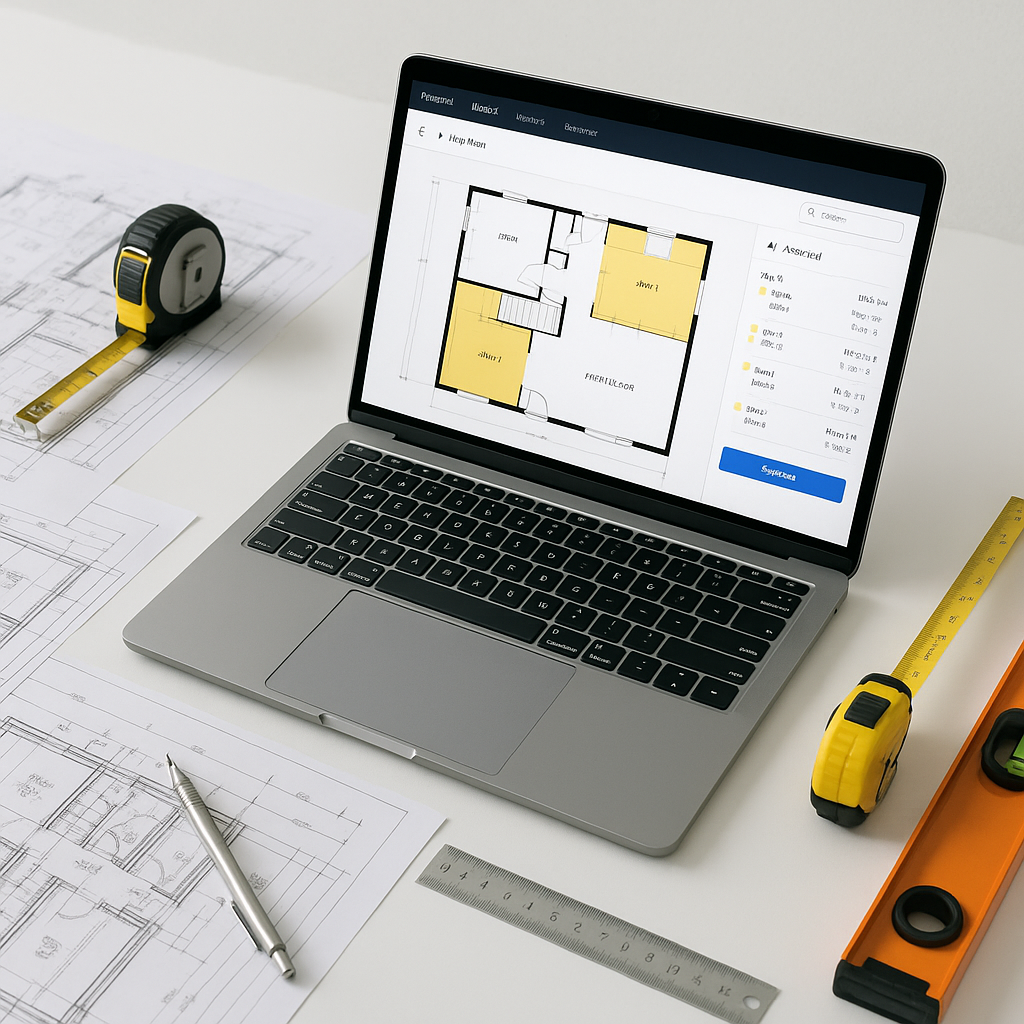
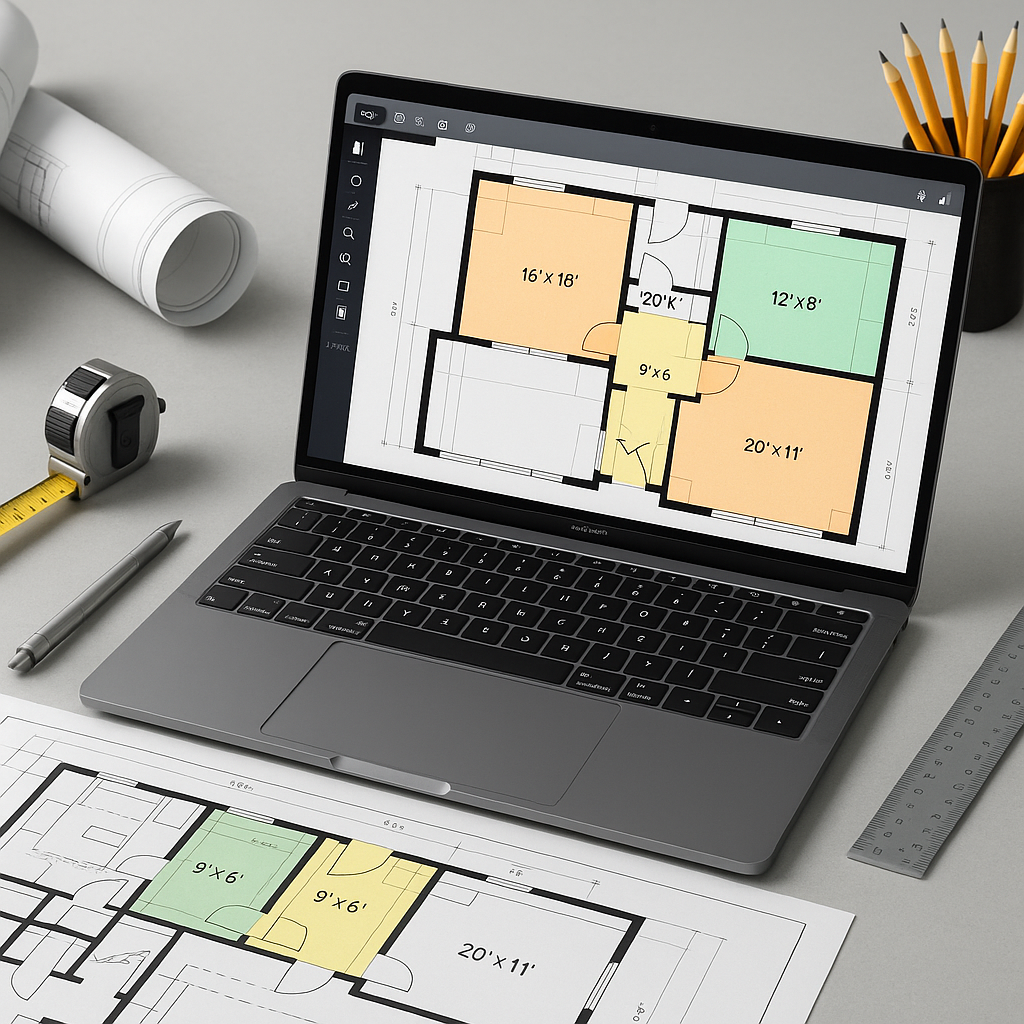
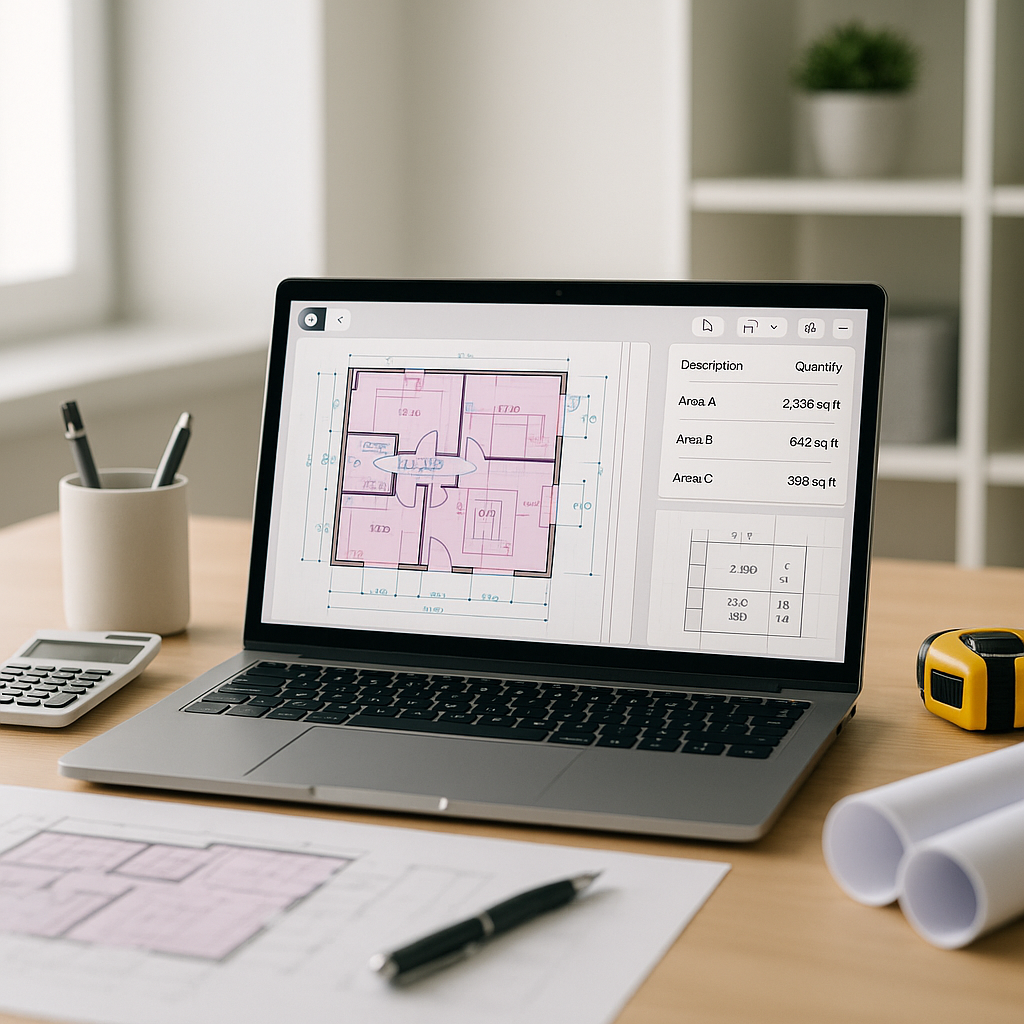
AI-powered tools are transforming the workflow for takeoffs. Instead of manually tracing every line, you upload your PDF drawings. The system reads them, extracts quantities, and organizes the data for review.
Illustrative example — Let’s say you’re estimating a high-rise. AI tools can identify room areas, wall lengths, and even fixture counts like doors and windows. They flag any uncertainties for your review, so you can make corrections without starting over. The process is significantly faster and reduces the likelihood of human error.
What Makes AI Takeoffs Reliable?
You might be thinking, "Sure, AI is fast, but can it really match the accuracy of a skilled estimator?" The answer is yes—with caveats. AI tools depend on the quality of input data. If your drawings are incomplete or poorly formatted, the system may flag more uncertainties. That’s why many tools include manual overrides and allow for human review. You still need an estimator to validate the results, but the repetitive tasks are handled by the AI.
Another key factor is learning. Many AI systems improve with every project. Feedback loops—accepting or rejecting suggested quantities—teach the AI to handle edge cases better. Over time, this iterative process enhances accuracy and reliability.
Why Speed Matters
Let’s talk about the bigger picture. Reducing the time spent on takeoffs has broader implications for your business:
- More Bids: Teams that save time on takeoffs can handle more estimates, increasing the number of bids submitted and potentially winning more projects.
- Better Margins: Faster workflows free up senior estimators to focus on cost analysis and subcontractor negotiations—the activities that directly impact profitability.
- Less Burnout: Junior staff aren’t spending excessive hours tracing PDFs, and senior talent isn’t stuck fixing errors. This improves overall team morale and efficiency.
Common Questions About AI Takeoffs
Q: Can AI handle messy drawings?
Yes, but with limits. Many AI tools include features for reviewing and remeasuring low-confidence lines. If a scan is particularly poor, manual adjustments may still be necessary.
Q: Is AI hard to learn?
Not at all. Most platforms are designed for ease of use, with training typically taking a short amount of time.
Q: Can I use AI with my current software?
Absolutely. Many AI tools integrate with popular construction software, allowing you to export takeoff data directly into your existing workflows.
Q: What if my project involves custom items?
AI tools often allow you to upload your own rate catalogs or define custom items, ensuring your estimates reflect real-world costs.
What to Watch For
- Quality of Input Data: Clean, well-formatted drawings yield better results. Investing in proper document preparation can save time downstream.
- Human Oversight: AI doesn’t replace expertise; it complements it. Always review flagged quantities to ensure accuracy.
- Learning Curve: The system improves with use, but the first few projects may require extra attention as the AI adapts to your specific needs.
Why AI Takeoffs Are the Future
The shift to AI-powered takeoffs is becoming a necessity in modern construction. Manual methods are too slow and too risky for today’s fast-paced, high-stakes projects. As more teams adopt AI tools, the competitive edge will favor those who can estimate faster and more accurately.
If you’re looking to streamline your preconstruction process, AI-powered takeoff tools can be a game-changer.