AI-Powered Takeoffs: Streamlining Preconstruction Estimation
Preconstruction estimation can be a time-intensive process. Manually tracing drawings and measuring quantities often requires significant effort, which can delay bids and increase costs. Many teams continue to rely on these manual methods, unaware of more efficient alternatives or skeptical about the reliability of AI tools.
The Problem: Challenges of Manual Takeoffs
Manual takeoffs involve several labor-intensive steps:
- PDF Calibration: Adjusting scales for each page in software like Bluebeam or AutoDesk.
- Tracing Lines: Measuring walls, slabs, and beams manually, with the risk of missing elements.
- Counting Objects: Individually counting doors, windows, and fixtures.
These processes consume valuable time that could be better spent on other critical tasks, such as negotiating with subcontractors or refining cost estimates.
The Solution: AI-Powered Takeoffs
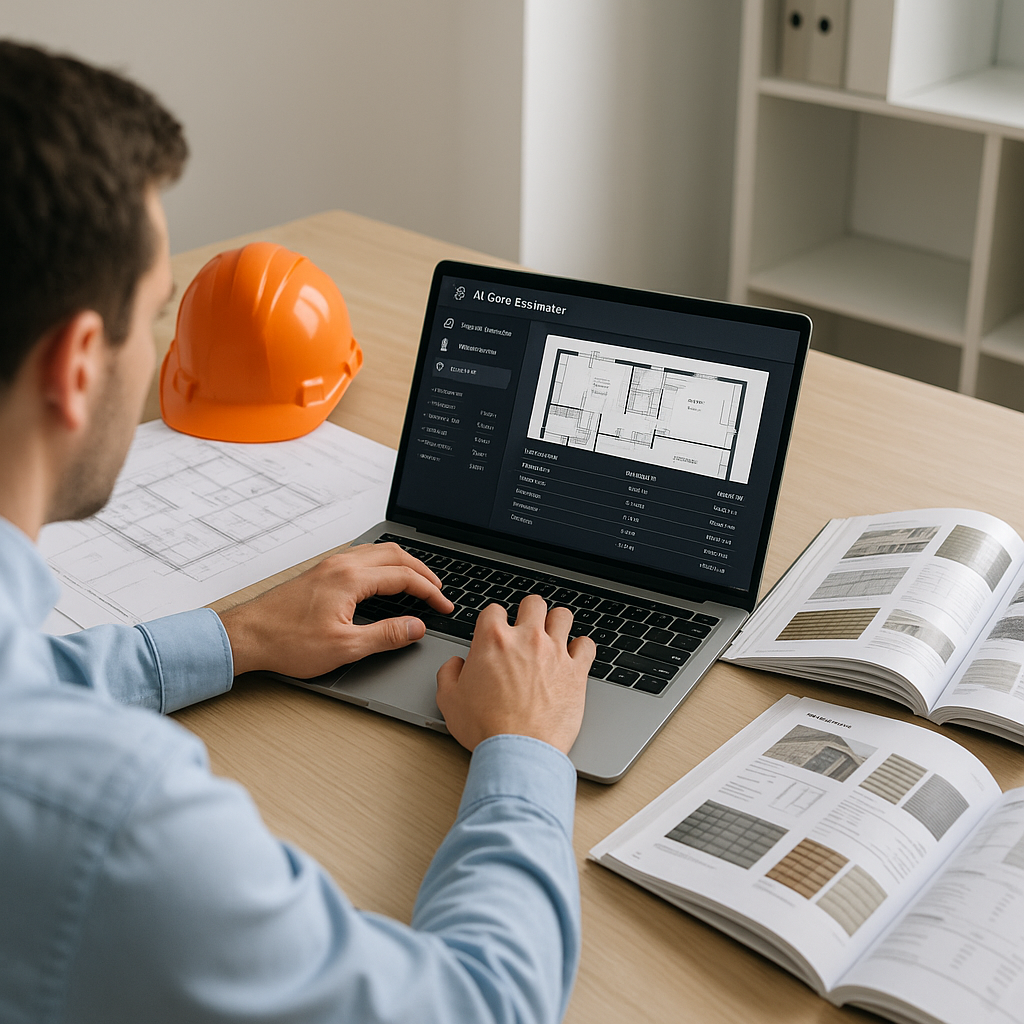
AI tools designed for preconstruction estimation can significantly reduce the time spent on takeoffs. Here's how they work:
- Upload the Drawing Set: Users upload project PDFs directly into the AI tool, eliminating the need for extensive manual preparation.
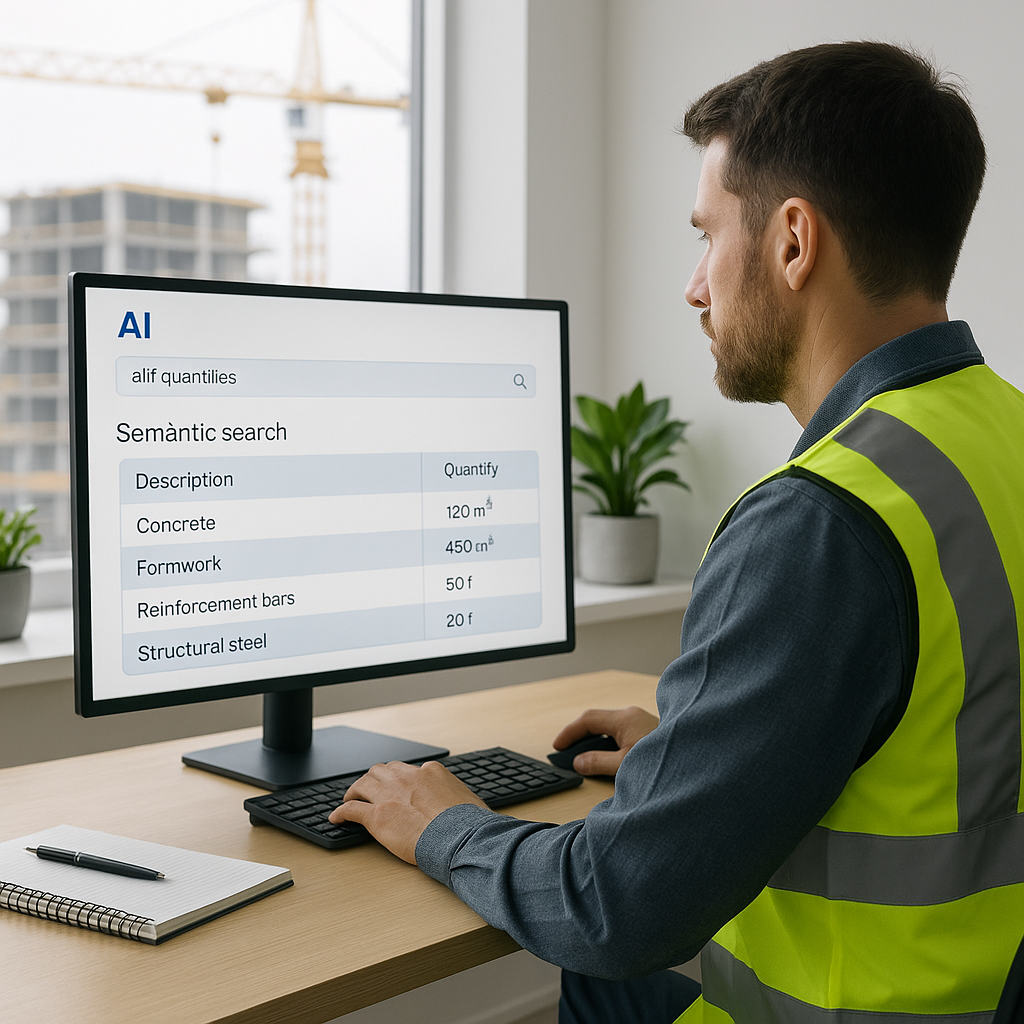
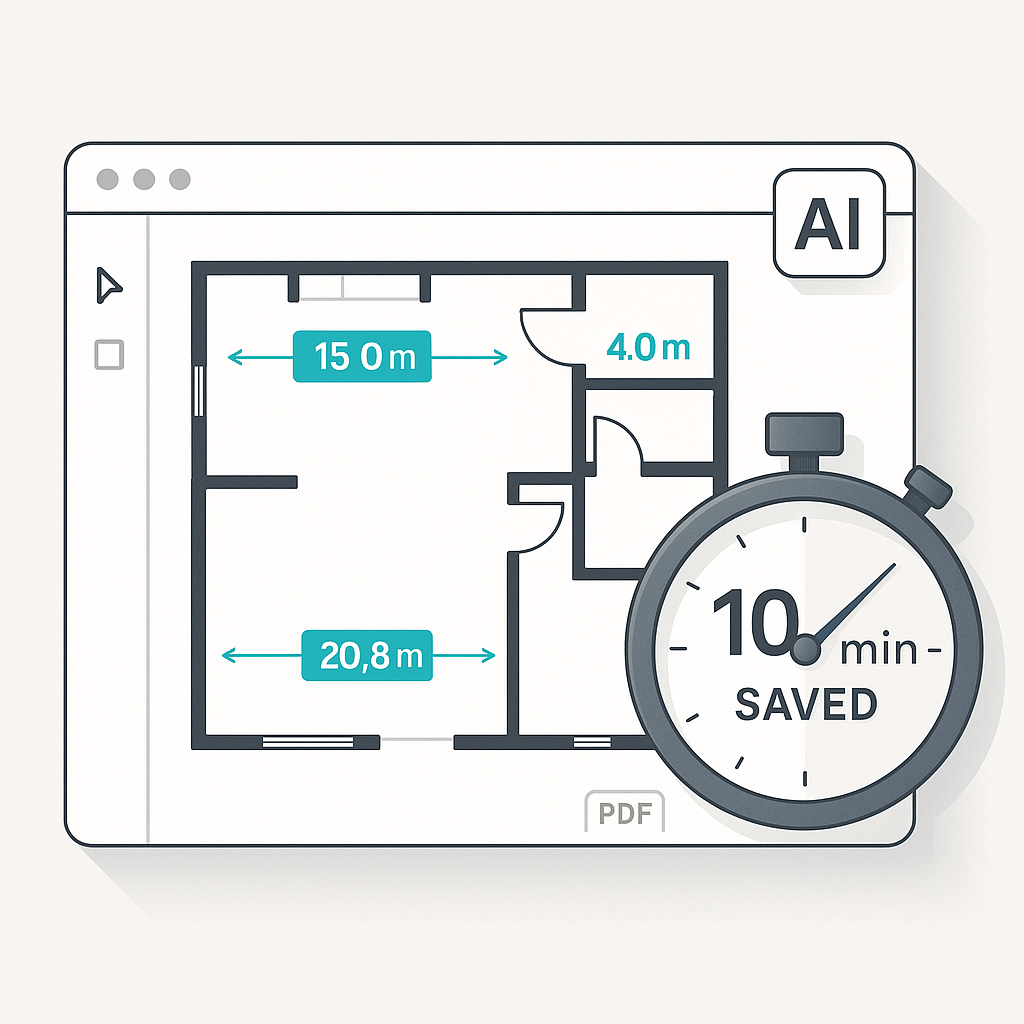
- Automated Quantity Extraction: The AI scans the drawings to extract linear measurements, areas, and object counts, such as columns, beams, and slabs.
- Manual Override Options: If the AI misses any details, users can manually adjust or trace as needed.
Illustrative example — A contractor using AI for takeoffs could potentially reduce the time spent on this task from several days to just a few hours, allowing the team to focus on higher-value activities.
Why AI Takeoffs Work for Various Project Sizes
AI-powered tools are scalable and adaptable to projects of different sizes. Whether estimating a small renovation or a large-scale commercial development, these tools can streamline the process without compromising accuracy. By automating repetitive tasks, teams can allocate their resources more effectively and take on additional projects.
Addressing Common Concerns About AI in Estimation
“But AI Can’t Think Like an Estimator”
While AI cannot replace human expertise, it complements it by handling repetitive and time-consuming tasks. This allows estimators to focus on strategic decision-making, such as adjusting profit margins or negotiating scope with subcontractors.
“What About Accuracy?”
AI tools are designed to be highly accurate when provided with clean input data. However, human oversight remains essential for edge cases and flagged items.
FAQ: Understanding AI Takeoffs
Q: Can AI tools integrate with existing software?
Yes, many AI tools are compatible with platforms like Bluebeam, AutoDesk, and Procore, allowing seamless integration into existing workflows.
Q: How steep is the learning curve?
Most AI platforms are user-friendly, and training typically takes a short amount of time.
Q: Can AI handle unique project requirements?
Yes, many tools allow customization for specific rate catalogs and project configurations.
Key Considerations for AI Takeoffs
- Input Quality: Ensure that drawings are complete and accurate to maximize the reliability of AI outputs.
- Manual Review: Always verify flagged items to avoid potential errors.
- Training: Proper onboarding is crucial to ensure your team understands how to use the tool effectively.
Conclusion
AI-powered tools for preconstruction estimation offer a practical solution to the challenges of manual takeoffs. By automating repetitive tasks, these tools save time and allow teams to focus on higher-value activities, improving overall efficiency and competitiveness in the bidding process.