Streamlining Rate Matching in Construction Estimation
If you’ve ever priced a bid using a 2,000-page rate book, you know the challenges. Whether it’s RSMeans, CPWD DSR, or state-specific SORs, manually matching rates to your BOQ is slow, repetitive, and prone to errors. When you’re flipping pages for every line item, that “quick estimate” can turn into a time-consuming ordeal.
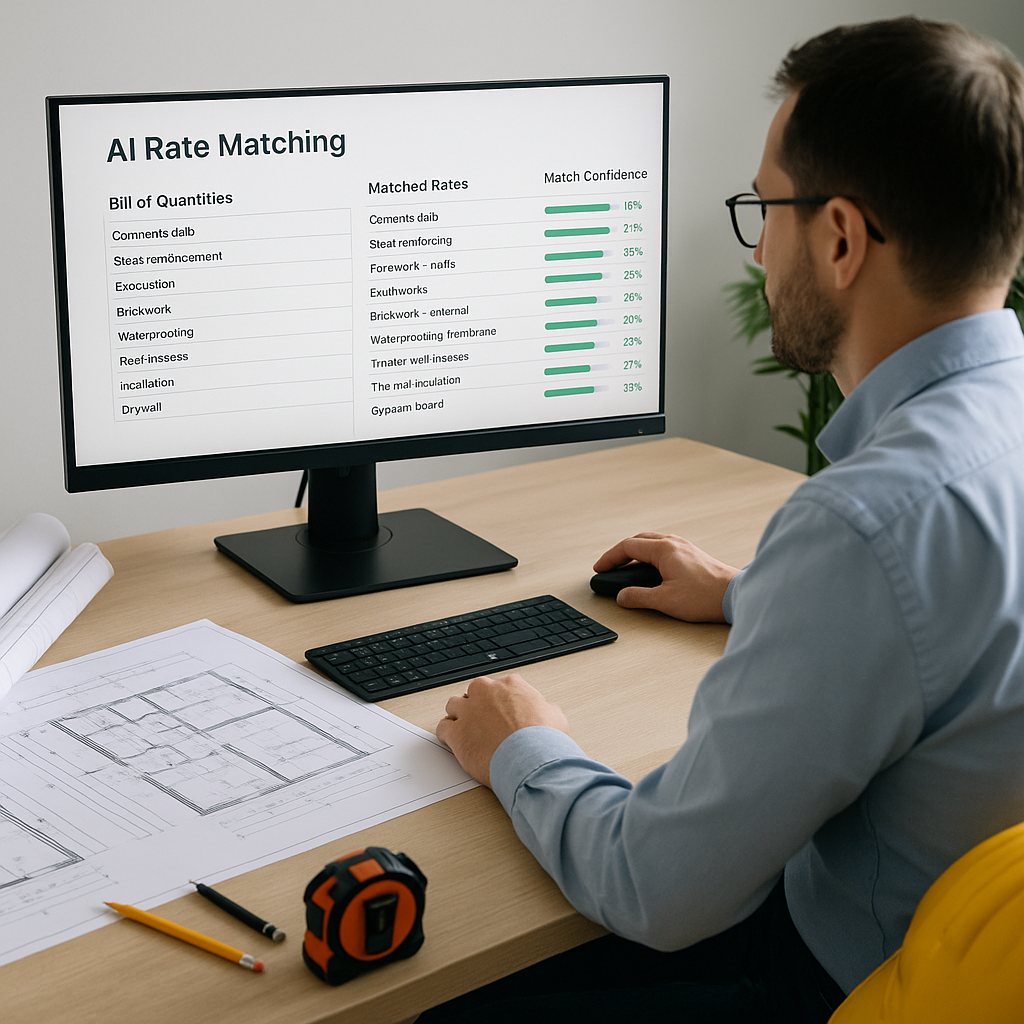
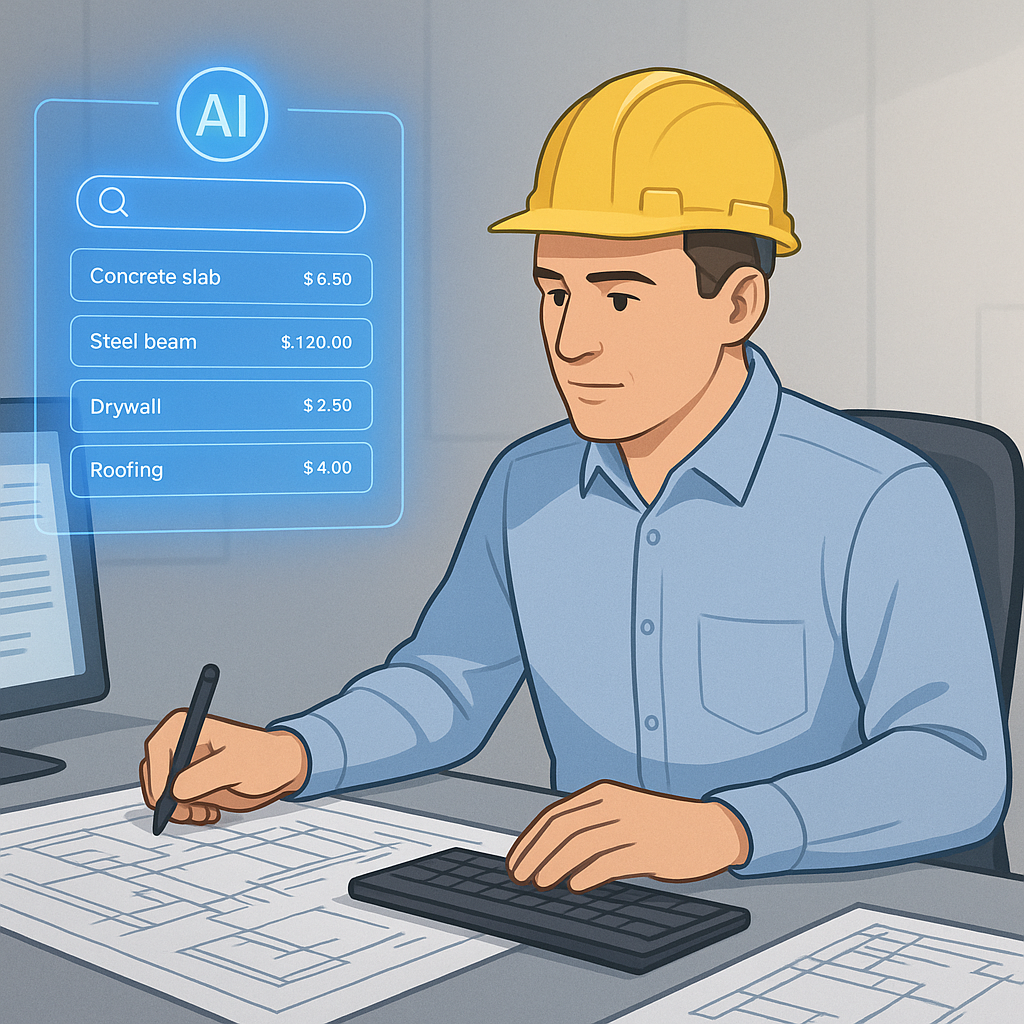
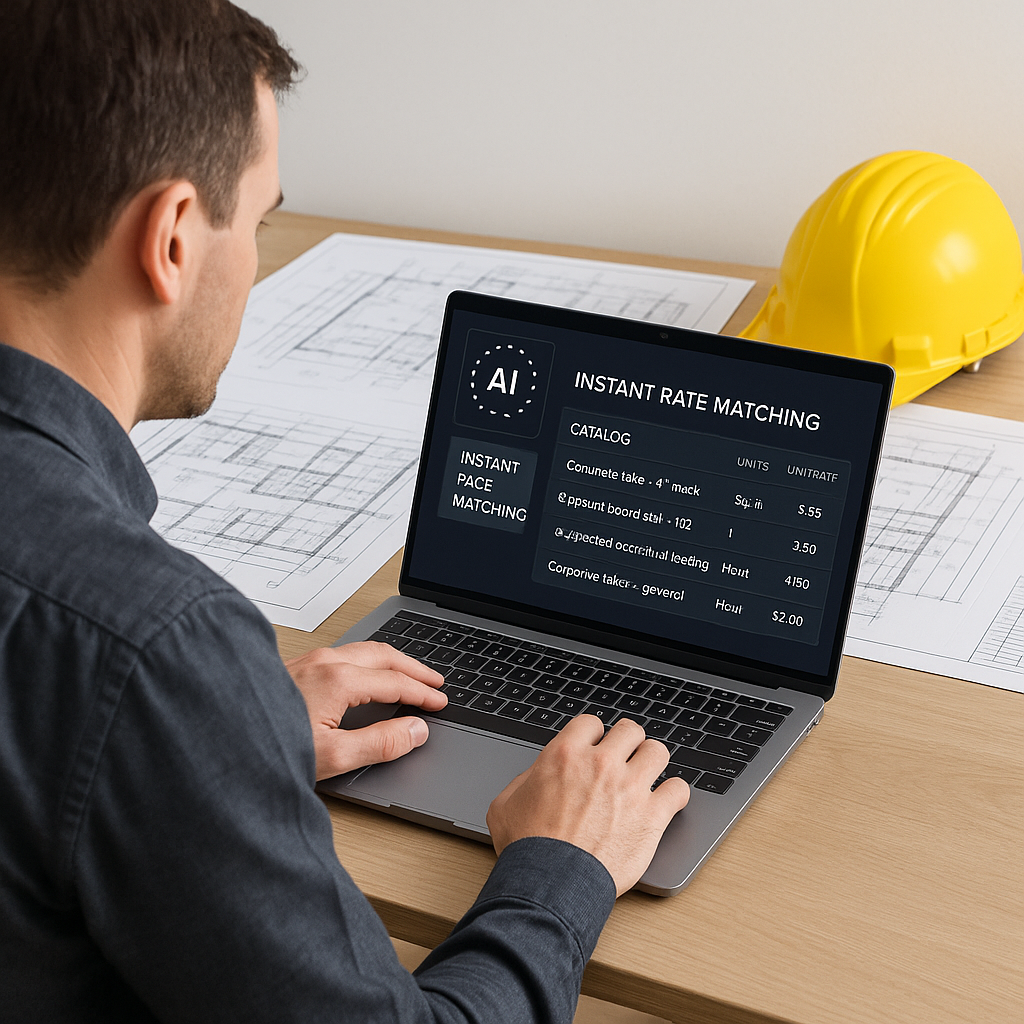
Now imagine this: You type a rate query into an AI-powered tool, and it returns the match instantly. No flipping. No guessing. Just the correct rate, ready to apply. That’s the promise of AI-powered rate matching.
What Makes AI Rate Matching Different?
AI rate matching isn’t just about speed—it’s about accuracy and adaptability. With tools like EstimateNext, you’re not locked into fixed catalogs. The system uses semantic search across thousands of SOR items, so even niche materials or labor rates can be matched. And it gets smarter with every adjustment you make.
For example, let’s say you’re pricing a bid for precast concrete girders. You upload your BOQ, and the AI matches the installation rate based on your project location and catalog history. If the rate isn’t perfect, you tweak it—and that feedback improves future searches. Over time, the tool becomes increasingly tailored to your preferences.
How Does It Handle Custom Rates?
Here’s a common concern: “What if my rates are project-specific?” Good question. AI tools like EstimateNext let you upload custom rate catalogs and integrate them seamlessly into your workflow. Whether you’re dealing with a regional variation or a one-off material spec, the system learns and adapts. It’s not just about standardization; it’s about flexibility.
Common Mistakes When Adopting AI Rate Matching
-
Skipping the Feedback Loop: AI tools improve with use, but only if you provide feedback. Reject incorrect matches, refine rates, and the system will adapt.
-
Overlooking Edge Cases: AI isn’t perfect. For niche items or unusual BOQs, double-check the matches. Tools like EstimateNext include manual override options for this reason.
-
Not Training Your Team: AI tools are intuitive, but they still require onboarding. A training period can make all the difference.
FAQ: AI Rate Matching
Q: How accurate are AI matches compared to manual lookup?
A: AI tools are designed to improve accuracy significantly. However, human oversight remains critical for edge cases.
Q: Can I use AI rate matching for smaller projects?
A: Absolutely. AI tools scale to any project size, from small renovations to large infrastructure builds.
Q: How long does it take to see results?
A: Efficiency gains improve over time as the system learns from user feedback.
Why It Matters
Manual rate lookup isn’t just slow—it’s expensive. Every hour spent flipping pages is an hour not spent refining your bid or negotiating with subs. AI-powered rate matching tools like EstimateNext change that equation. They don’t replace your expertise—they free it up for higher-value decisions.
If you’re tired of wasting time on rate lookup, AI rate matching can help streamline your workflow and improve your estimation process.