Why Manual Takeoffs Are Inefficient
If you're in preconstruction, you've likely experienced the challenges of manual takeoffs. Estimators spend significant time measuring wall lengths, counting windows, and reviewing drawings. This process is slow, repetitive, and prone to errors, especially when dealing with last-minute revisions.
Manual takeoffs also don't scale well. Whether you're estimating for a small fit-out or a large infrastructure project, the process remains labor-intensive and time-consuming.
How AI Takeoffs Work
AI-powered takeoff tools streamline the process by automating repetitive tasks. Here's how they typically work:
-
Upload Your Drawings: Start with a PDF or DWG file. AI tools can handle various formats and extract data efficiently.
-
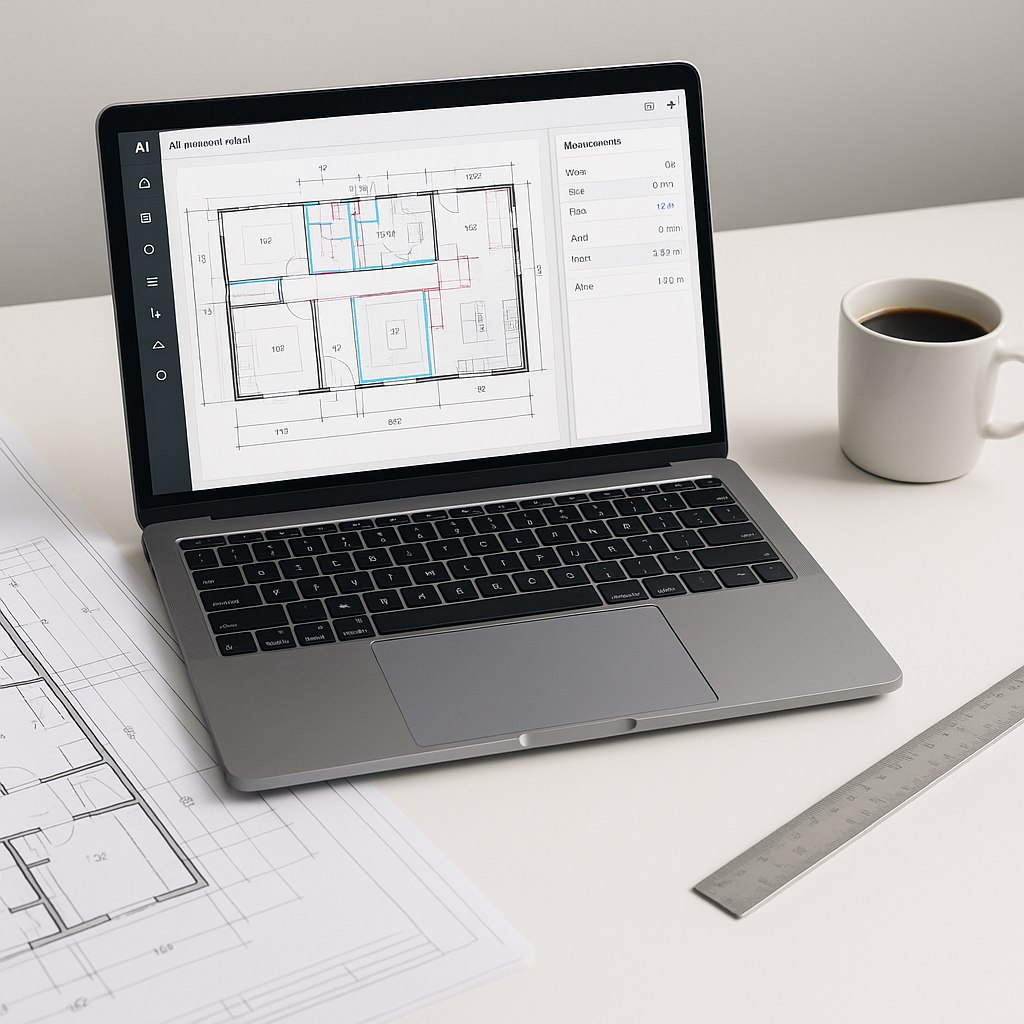
AI Scans the File: The system analyzes the drawings to identify key elements such as wall lengths, room areas, and counts for doors and windows.
-
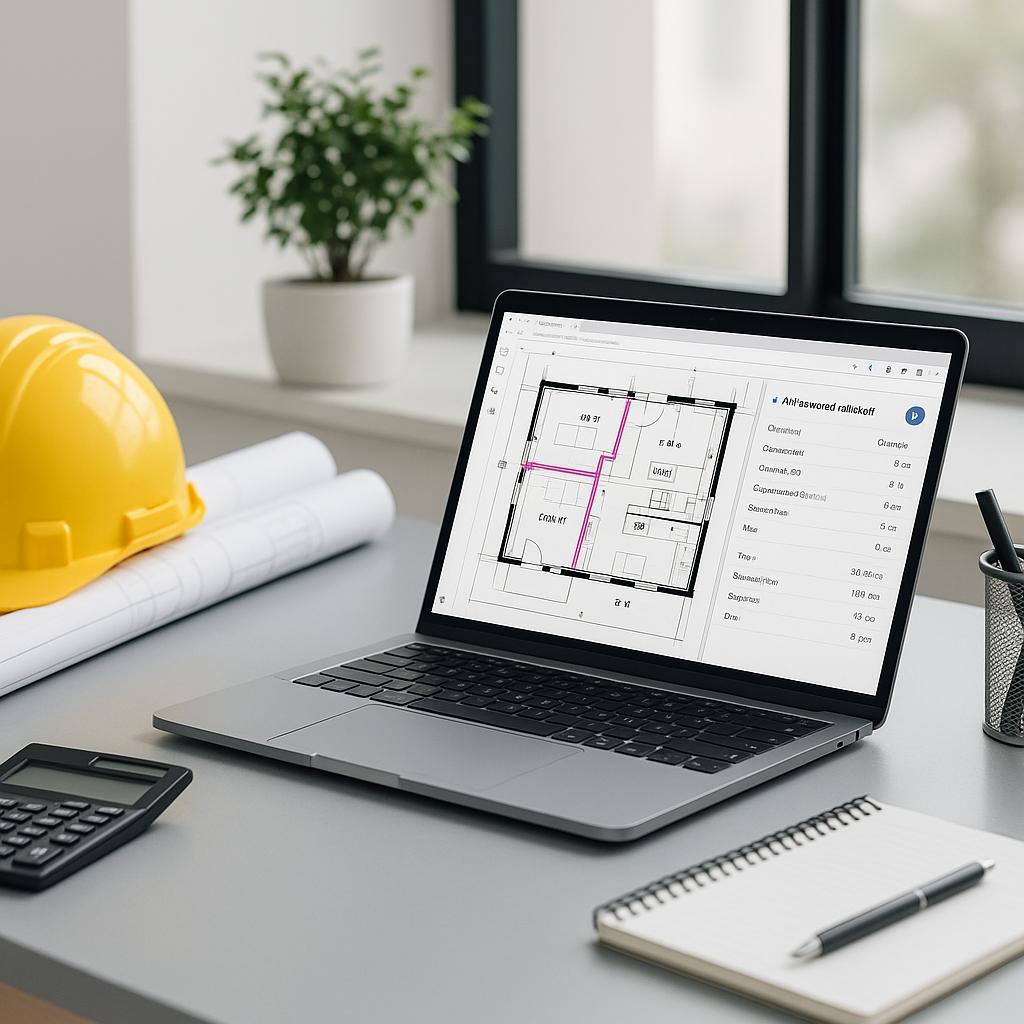
Flagging for Review: The AI flags areas of uncertainty, such as unclear or ambiguous elements, for manual review by the user.
-
Export Quantities: Once reviewed, the extracted quantities can be exported directly into a Bill of Quantities (BOQ) or estimating software.
This process significantly reduces the time spent on takeoffs, allowing teams to focus on higher-value tasks like bid strategy and subcontractor negotiations.
The "What-If" Power of AI
AI tools also enable quick scenario analysis. For example, if a client requests a change in material specifications, AI-powered systems can update the estimate in real-time. This agility allows estimators to respond quickly to client requests and make data-driven decisions.
Common Concerns About AI in Estimation
-
"AI Can’t Think Like an Estimator." While true, AI is designed to handle repetitive tasks, freeing up estimators to focus on judgment calls and strategic decisions.
-
"What If the AI Misses Something?" AI tools often include features like confidence scoring and manual overrides, ensuring human oversight remains part of the process.
-
"It’s Too Expensive." While costs vary, the time savings and efficiency gains often justify the investment. Teams can reallocate their time to more strategic activities, improving overall productivity.
What to Watch For
- Input Quality: AI tools rely on clear and accurate input data. Ensure your drawings are complete and well-prepared.
- Overreliance on Automation: Always review flagged measurements to avoid costly mistakes.
- Team Adoption: Training and buy-in from your team are crucial for successful implementation.
FAQ
Q1: How accurate are AI-powered takeoffs? AI tools are generally accurate but include features for manual review to ensure reliability.
Q2: Can I use AI tools with my existing software? Yes, most AI tools integrate with platforms like Bluebeam, Procore, and Autodesk Build, allowing seamless workflows.
Q3: Do AI tools work for small projects? Yes, AI tools are scalable and can be used for projects of varying sizes, from small fit-outs to large infrastructure developments.
Final Thoughts
Manual takeoffs are a bottleneck in the preconstruction process. AI-powered tools can save significant time and improve accuracy, enabling teams to focus on strategic tasks. By adopting these tools, construction professionals can enhance their efficiency and competitiveness in the bidding process.