The Pain of Manual Rate Matching
Estimators know this drill well. You’ve got a 500-line BOQ, and now it’s time to price it out. That means flipping through massive rate schedules—RSMeans, CPWD DSR, city-specific cost indexes—trying to find the right match for each line item. The hours rack up fast, and mistakes sneak in. Miss a labor uplift? Forget to factor inflation? These errors can lead to inaccurate bids and potential financial risks.
Manual rate matching is not just time-consuming; it also diverts focus from higher-value tasks like strategic planning and bid optimization.
How AI Changes the Game
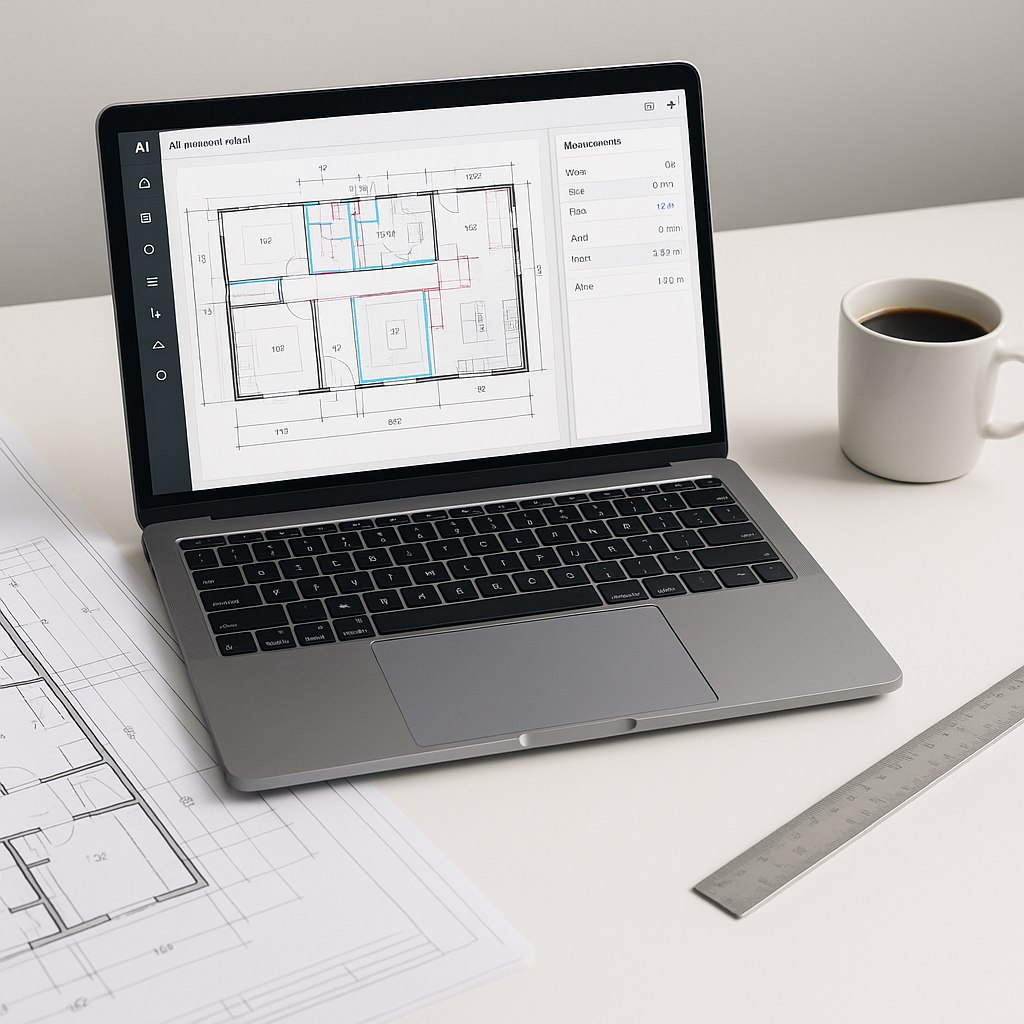
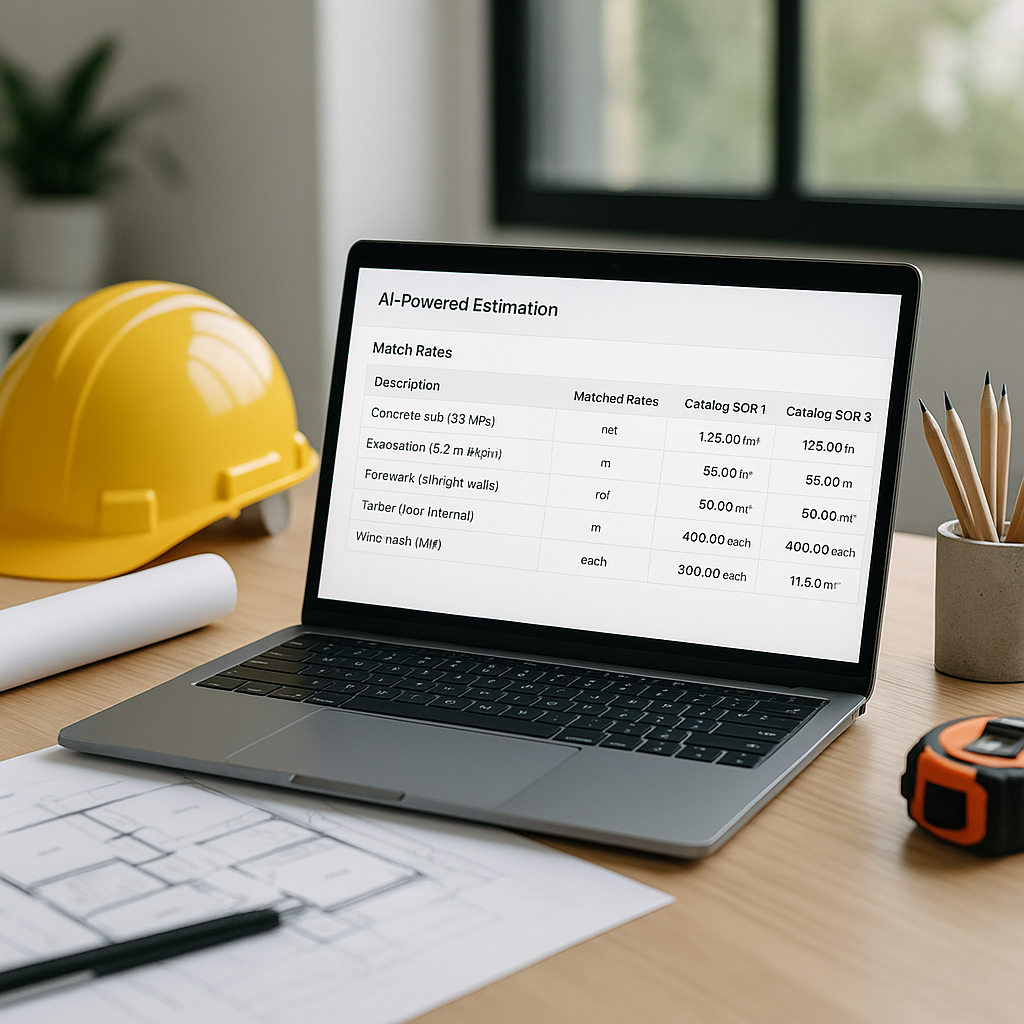
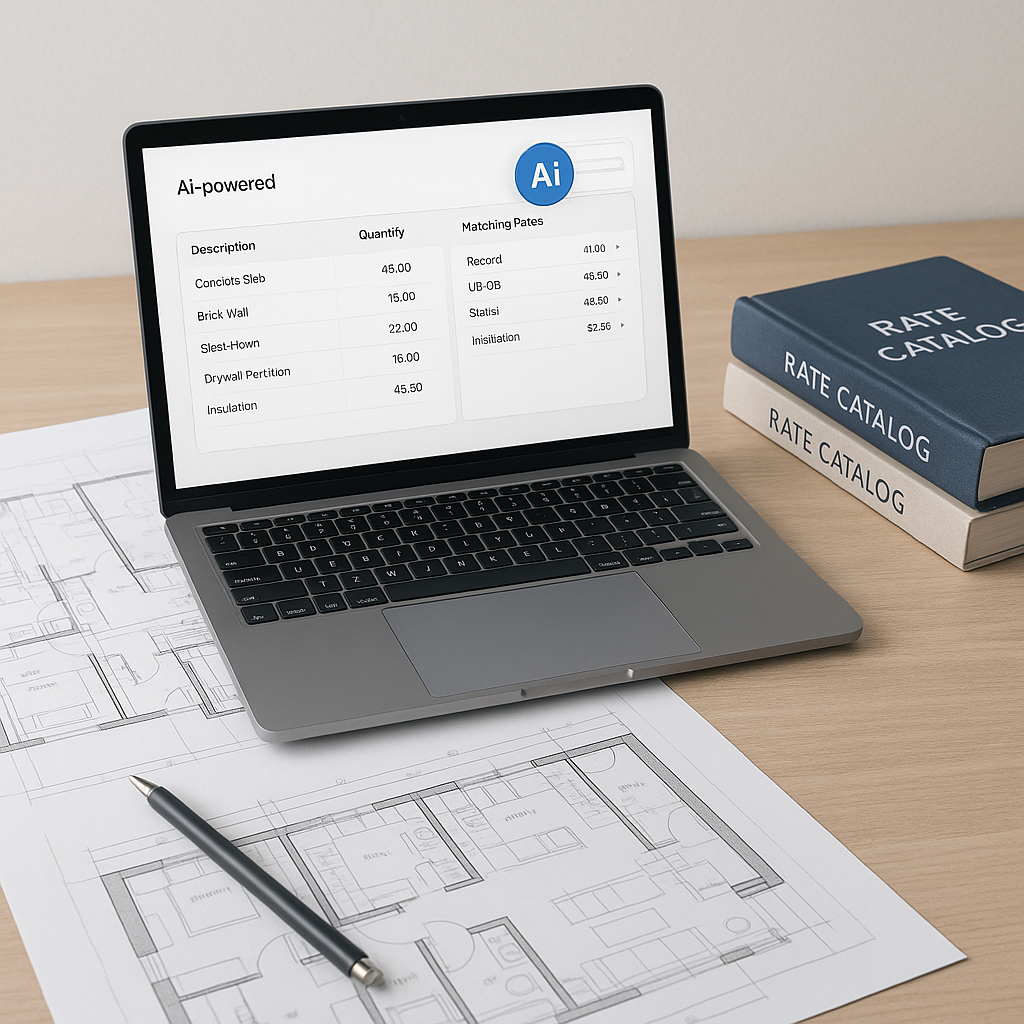
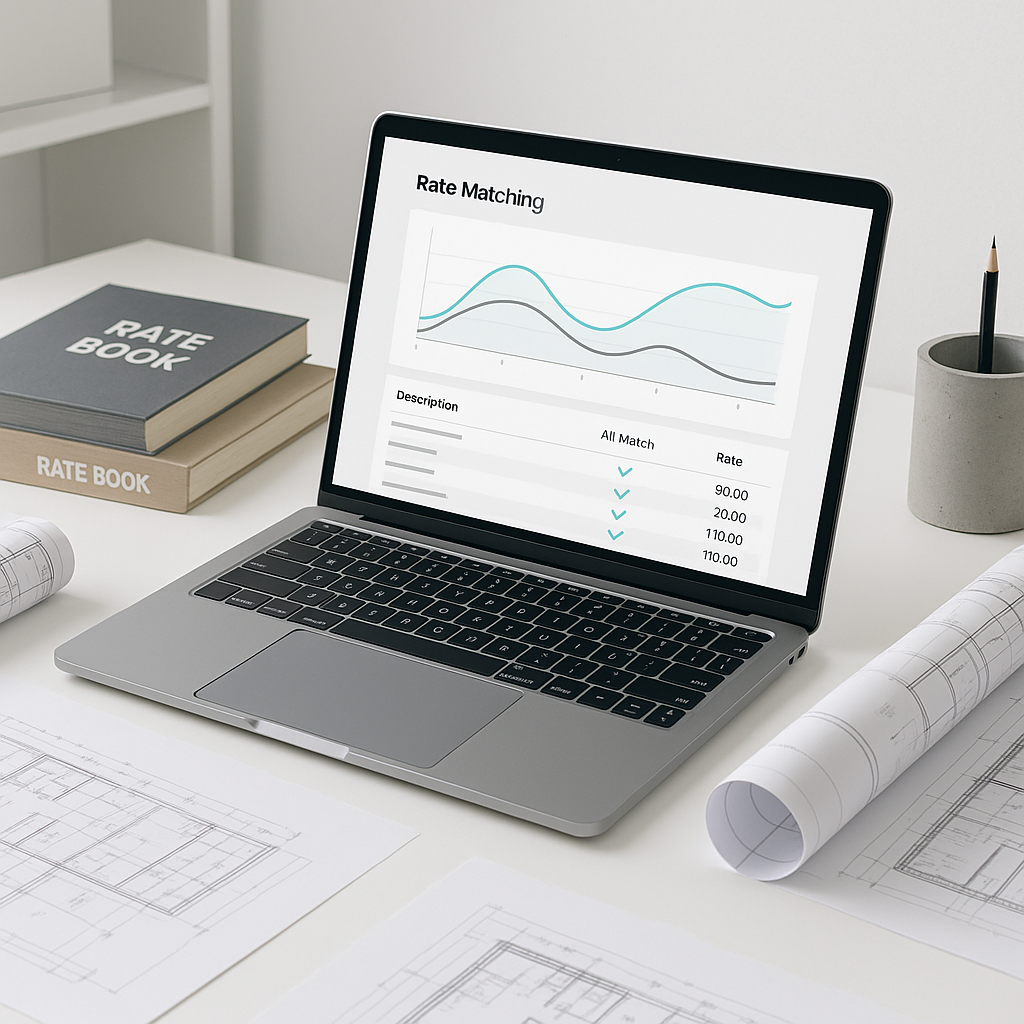
AI-powered rate matching tools tackle this problem head-on. Instead of flipping pages or scrolling through PDFs, you type in what you need—"10mm rebar installation labor rate"—and the AI pulls up potential matches in seconds. These tools are designed to streamline the process by leveraging large databases of rate catalogs and applying adjustments based on user-defined parameters.
Example: A BOQ Workflow
Illustrative example — Let’s say you’re pricing a residential project. The BOQ calls for:
- 500 cubic meters of concrete (M30)
- 10 metric tons of rebar (10mm)
- 2,000 square meters of plasterwork
With traditional methods, you’d manually cross-reference these items against rate schedules like RSMeans or CPWD DSR, applying adjustments for local labor rates, inflation, and overhead. With AI, the process could look like this:
- Upload the BOQ: Drop your Excel file into the system.
- Rate Matching: The AI matches BOQ lines to preloaded rate catalogs in seconds.
- Adjustments: It allows you to apply inflation factors, region-specific uplifts, and customize overhead and profit margins.
- Output: Download a priced BOQ with an audit trail showing every adjustment made.
Why It’s More Than Speed
Speed is great, but accuracy is just as critical. AI tools don’t just find potential matches; they provide context for why a particular rate is suggested. For example, if there are multiple rates for “plasterwork,” the system can highlight differences in labor/material assumptions or regional cost variations. This transparency helps estimators make informed decisions while maintaining control over the process.
Additionally, AI systems can improve over time. By learning from user preferences and past projects, they can prioritize matches that align with your typical choices, making future estimates even faster and more accurate.
The Obvious Objection: “Can AI Really Handle Complex Rates?”
Short answer: Yes, but with caveats. AI is excellent at finding matches and applying standard adjustments, but human oversight is still essential for edge cases. For example, custom materials or highly region-specific factors might require manual input. That’s why many platforms include manual overrides and customization options. Think of AI as a tool to handle the bulk of the work, leaving you to focus on the nuances.
Common Mistakes to Avoid
- Blind Trust: AI tools are only as good as the data they’re trained on. Always review the output for accuracy.
- Ignoring Edge Cases: Custom or niche items might require manual adjustments. Don’t assume AI has every scenario covered.
- Skipping Training: Like any tool, AI works best when you know how to use it effectively. Invest time in learning the platform.
FAQ
Q: Can I use my own rate catalogs? Yes. Most AI tools allow you to upload custom catalogs to ensure your estimates reflect your actual costs.
Q: What if I work across multiple markets? AI tools can handle multi-market complexity by integrating different rate standards and allowing you to apply region-specific factors manually or automatically.
Q: Is AI reliable for small projects? Yes. AI tools are scalable and can be used effectively for projects of varying sizes, from small renovations to large-scale infrastructure developments.
Conclusion
If manual rate lookup is slowing you down, AI-powered tools offer a way to streamline the process, improve accuracy, and free up time for higher-value tasks. By integrating these tools into your workflow, you can focus on what truly matters: delivering competitive and accurate bids.