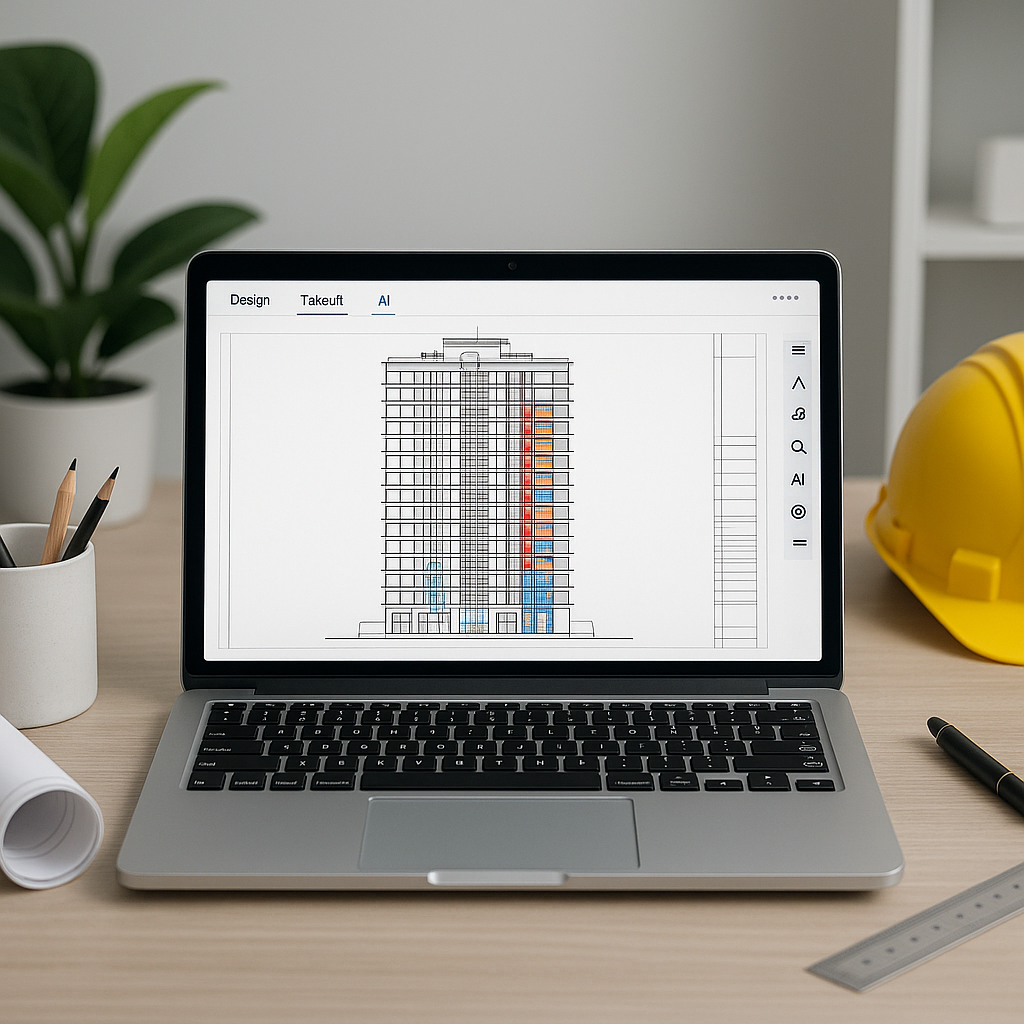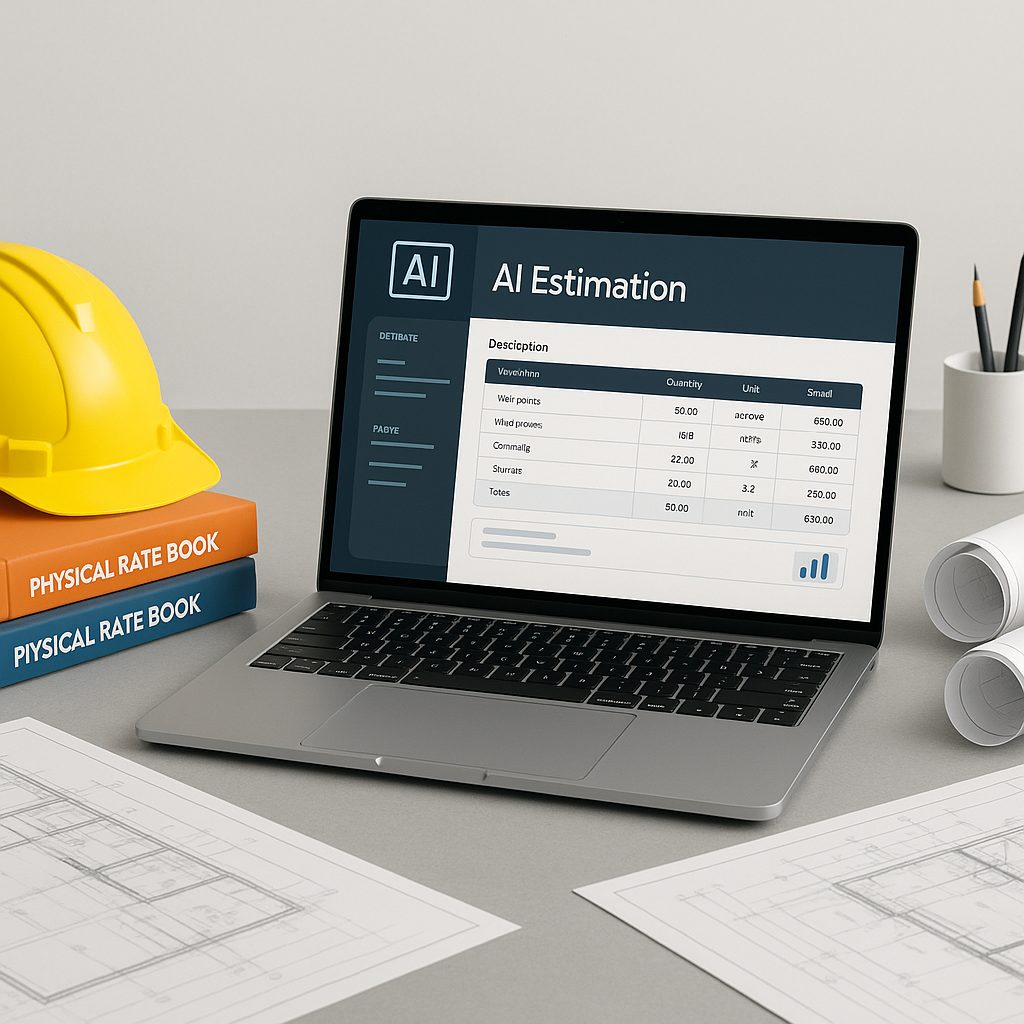
The Problem: Manual Rate Lookup is a Bottleneck
If you've ever estimated a construction project, you know the pain of rate matching. Whether it's flipping through CPWD DSR catalogs or hunting for RSMeans rates, manual lookup can be time-consuming. Worse, human error creeps in—missed line items, outdated rates, or mismatched scope elements lead to inaccurate estimates.
For example, pricing a large-scale project requires rates for everything from steel reinforcement to HVAC duct installation. Using traditional methods often involves significant time spent finding and verifying rates. This can be a challenge when deadlines are tight and workloads are piling up.
The Solution: AI-Powered Rate Matching
AI tools can help eliminate this bottleneck. Instead of manual lookup, AI uses semantic search across thousands of SOR (schedule of rates) items. Here's how it works:
- BOQ Upload: You upload your bill of quantities (BOQ) in Excel or PDF format.
- Semantic Search: The AI scans the BOQ and matches each line item with the most relevant rate from a database of items.
- Custom Catalogs: Have unique materials or project-specific rates? You can add them to the system, and the AI integrates them seamlessly for future use.
- Real-Time Adjustments: Change one rate, and the system propagates updates across the entire estimate instantly.
Illustrative example — This process can significantly reduce the time spent on rate matching, allowing estimators to focus on optimizing their bid strategy.
What Makes AI Rate Matching Reliable?
You might be wondering: Can AI really match rates accurately? The answer is yes—with caveats. AI tools are only as good as their input data. That’s why many platforms include features like manual override options. If the system flags a low-confidence match, you can review and adjust it.
Additionally, AI learns. The more projects you run through it, the smarter it gets. Over time, users often see noticeable accuracy improvements as the system adapts to their specific needs.
Common Mistakes in Rate Matching
Even with AI, mistakes can happen. Here are the most common pitfalls:
- Using Outdated Data: Ensure your rate database is updated regularly.
- Blind Trust in AI Matches: Always review flagged items manually.
- Ignoring Scope Variations: AI can’t always detect subtle scope mismatches—human oversight is critical here.
- Underestimating AI’s Learning Curve: AI tools improve with use. The first project might take longer as you tweak inputs.
FAQ: AI Rate Matching
Q: How accurate are AI-powered rate matches?
AI tools can achieve high levels of accuracy over time, but human review remains essential for edge cases.
Q: Can I upload my own rate catalog?
Yes. Many platforms allow you to add custom rates, which the AI integrates for future use.
Q: How does AI handle scope mismatches?
Low-confidence matches are flagged for manual review, ensuring accuracy.
Q: Can it work with international standards?
Yes. Many AI tools support standards like CSI MasterFormat, CPWD DSR, NRM2, CESMM3, and more.
Why AI is the Future of Rate Matching
Manual rate lookup isn’t just inefficient—it’s costly. AI-powered rate matching delivers speed without sacrificing accuracy. While it’s not perfect, it represents a significant improvement over traditional methods. And as AI tools continue to learn, they’ll only get better.
If you're looking to streamline your estimation process, AI-powered tools are worth exploring.